



Victorian Aesthetic Porcelain
Victorian aesthetic porcelain brings together Japanese-inspired motifs, rich gilding and delicate painting on ceramics from the late nineteenth century.
Victorian Aesthetic Porcelain
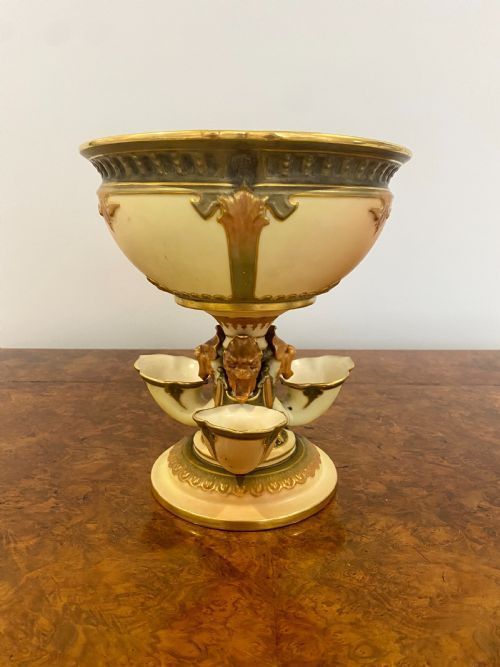
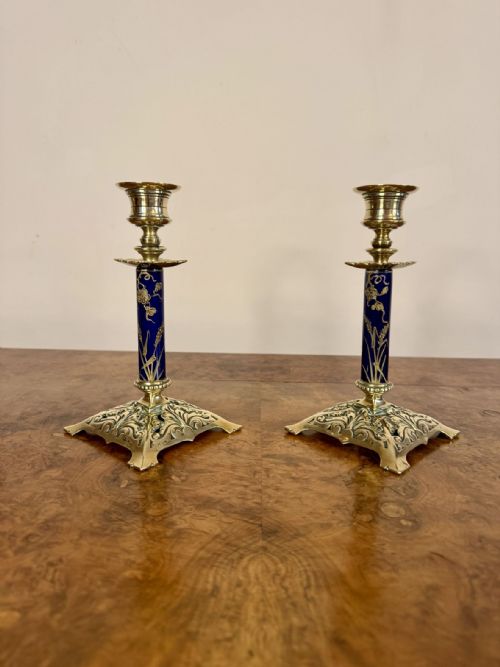
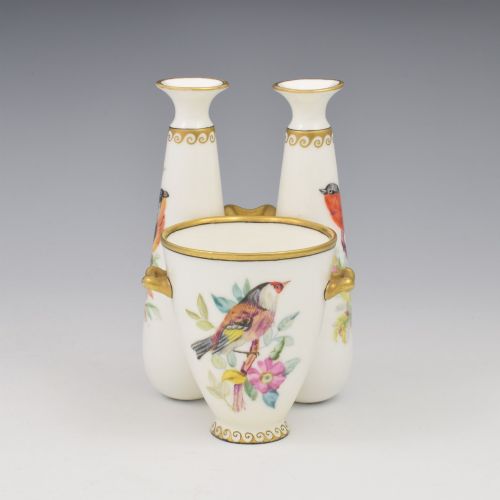
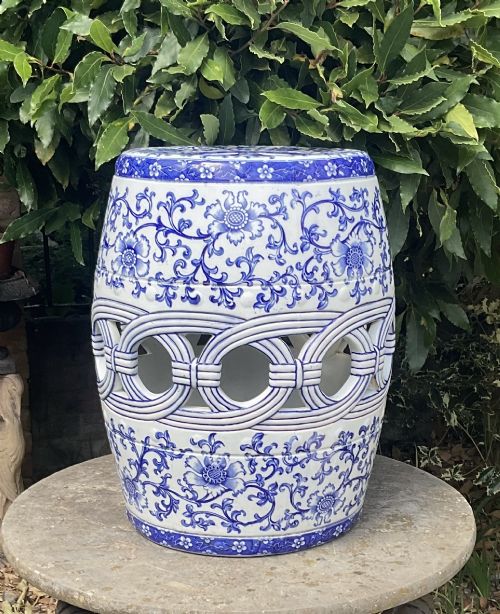
Victorian aesthetic porcelain encompasses a diverse array of decorative items produced during the late nineteenth century, spanning the eighteen-seventies through to nineteen hundred. The selection here reflects this era through vases, ewers, cabinet plates, candlesticks, garden seats and centrepieces.
Makers such as Royal Worcester, Minton, Doulton Burslem, Grainger Worcester, Royal Crown Derby and Wedgwood dominate the forms found in this category. Pieces often display specific stylistic influences ranging from Japanese design and Chinoiserie to Persian and Classical Revival aesthetics.
How they were made
Manufacturers utilised ceramic bodies, porcelain and earthenware alongside enamel, glaze and surface gilding with gold leaf. Advanced techniques such as pâte-sur-pâte allowed artists to build up raised white reliefs on coloured clay grounds.
Many items combine ceramic components with brass mountings or silver plating, incorporating hand-painted ornithological, floral and figurative scenes by named designers and artists.
Victorian Aesthetic Porcelain Retail Price Guide 2026
Typical asking prices for victorian aesthetic porcelain among the pieces listed under this phrase on Sellingantiques today, from the lower quarter to the upper quarter. They describe what is for sale here now, not the wider market.
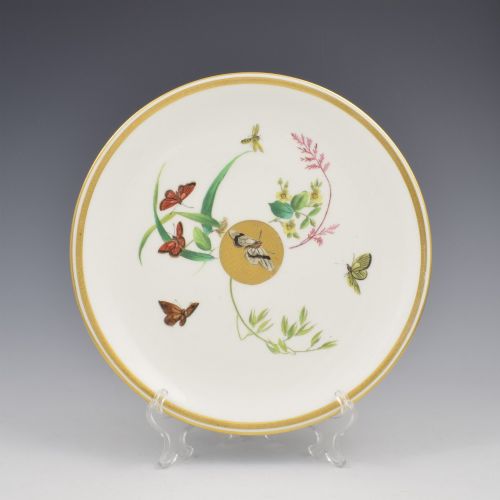
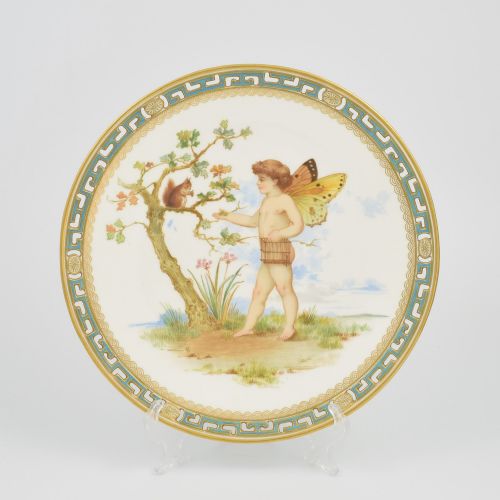
Squirrels and fairies gaze out from nineteenth-century porcelain plates, immortalised in gold and enamel by Victorian artists.
What varies in quality
Quality rests upon the execution of the hand-painted decoration, the crispness of reticulated piercing in the ceramic, and the presence of signatures from notable designers and artists. Factory reputation and the complexity of raised gold or enamel work further distinguish finer items from standard production wares.
Royal Worcester·Minton·Doulton Burslem·Grainger Worcester·Royal Crown Derby·Wedgwood·Hadley's Worcester
The Victorian Aesthetic Porcelain Glossary
- Aesthetic Movement
- A late nineteenth-century design style that prioritized visual beauty over narrative or moral function, drawing heavily on Japanese art. This philosophy influenced the asymmetry and motifs seen across many plates and vases.
- Pâte-sur-pâte
- A ceramic decoration technique where liquid white porcelain slip is painted in successive layers onto a darker body to create a cameo-like relief. Skilled artists utilised this method to achieve translucent shading.
- Reticulated
- Pierced or openwork ceramic design resembling lattice or lace, created by cutting through the clay before firing. This delicate technique required immense control to prevent warping in the kiln.
- Imari
- A style of ceramic decoration featuring deep underglaze blue and iron-red combined with extensive gold detailing, inspired by Japanese export wares. Victorian potteries frequently reinterpreted this palette on chargers and tableware.
Victorian Aesthetic Porcelain: Frequently Asked Questions
How do I identify Victorian aesthetic porcelain?
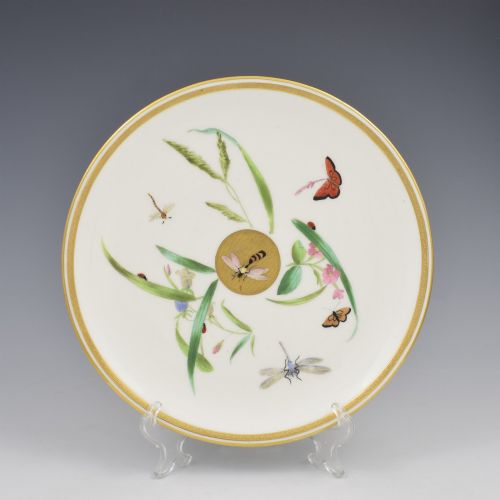
Look for specific design characteristics such as asymmetrical Japanese-inspired motifs, flat gilding, sunbursts, fans and naturalistic birds or insects. Factory date marks and manufacturer backstamps from the eighteen-seventies to the early nineteen-hundreds help confirm the period.
Items often bear impressed or painted marks corresponding to firms like Minton or Royal Worcester. Stylistic influences from Japanese, Persian and classical sources also point directly to this era.
What are pâte-sur-pâte vases?
Pâte-sur-pâte vases feature raised white porcelain designs built up layer by layer on a contrasting coloured clay background. This demanding technique creates a translucent cameo effect that artists signed upon completion.
Because each layer required careful drying and firing, these pieces represent some of the most skilled ceramic work of the period. Collectors prize them for their sculptural depth and detailed figurative scenes.
How were decorative ewers and centrepieces used?
Decorative ewers, centrepieces and chargers served primarily as ornamental display objects within Victorian reception rooms rather than functional vessels. They demonstrated the household's cultural awareness and appreciation for modern artistic design.
Placed on mantlepieces, cabinets or central tables, these items complemented the eclectic taste of the Aesthetic Movement. Their intricate gilding and painted panels provided focal points in domestic interiors.
Are cabinet plates meant for dining?
Cabinet plates were created specifically for display on walls or in glazed cabinets rather than for everyday dining. They functioned as canvases for artists to showcase intricate naturalistic painting and Japanese-style gilding.
The inclusion of reticulated borders and delicate hand-painted motifs meant these ceramic plates remained safely away from the dining table. Their survival in good condition depends largely on this original display purpose.