
Antique Fruit Cabinet Plate
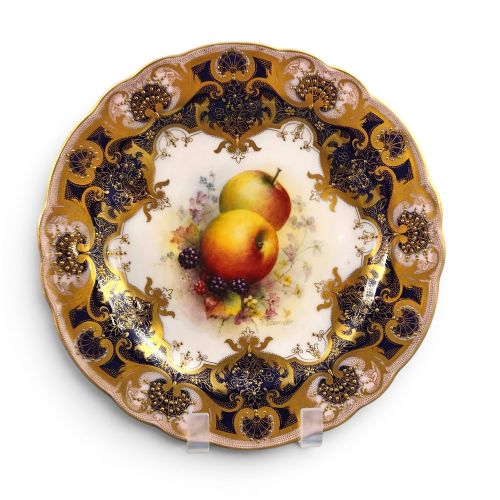
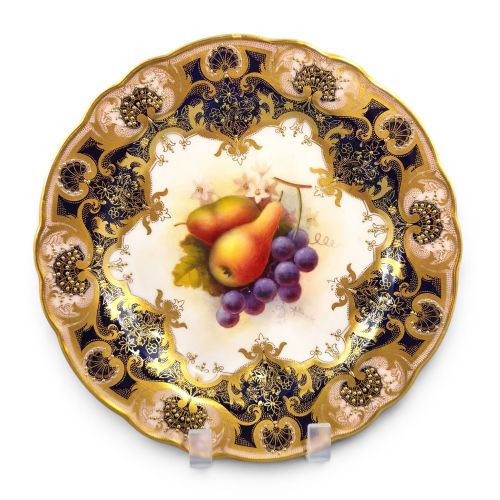
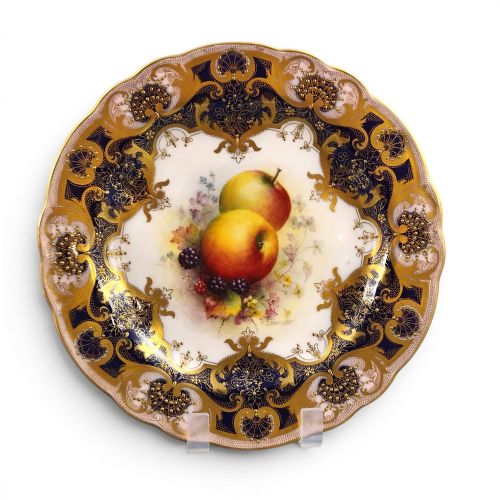
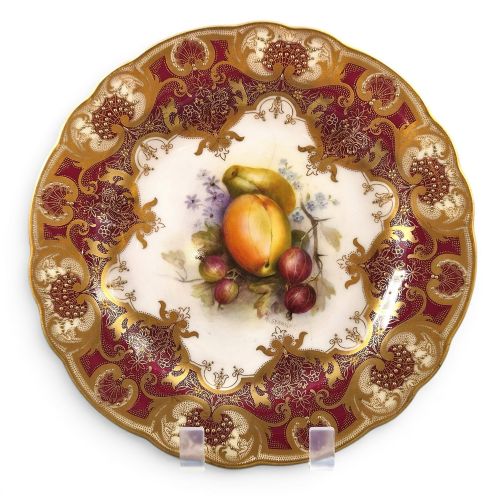
An antique fruit cabinet plate is a decorative ceramic display piece featuring hand-painted botanical studies, and collectors prize them for their exceptional artistry and rich palette.
Antique Fruit Cabinet Plate
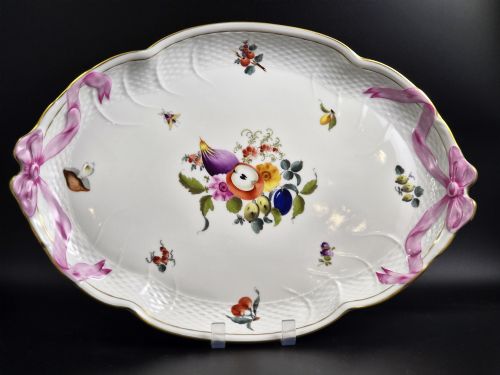
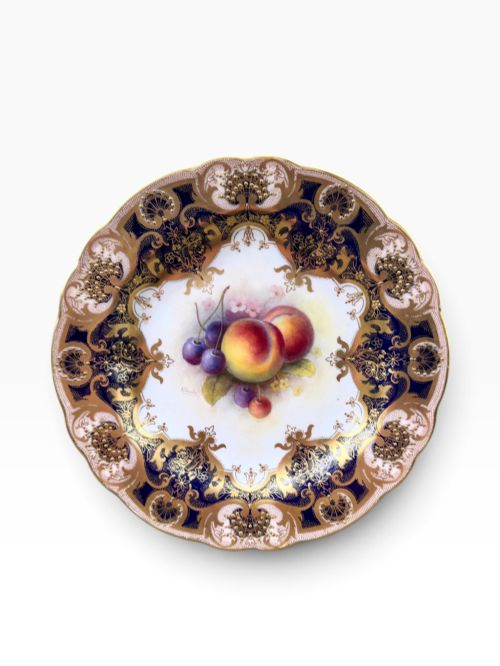
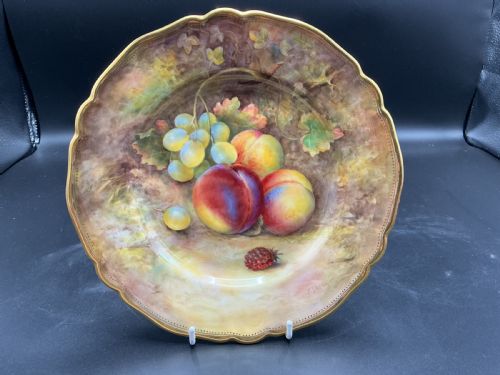
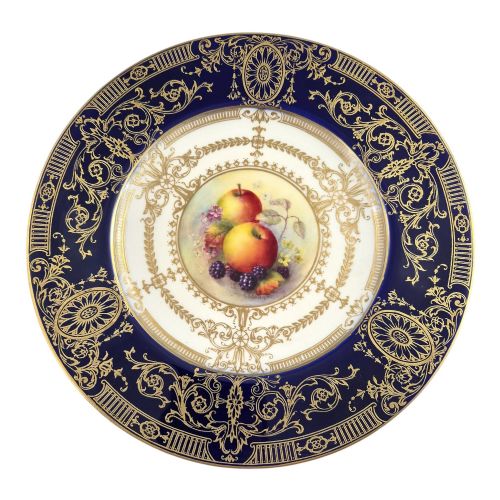
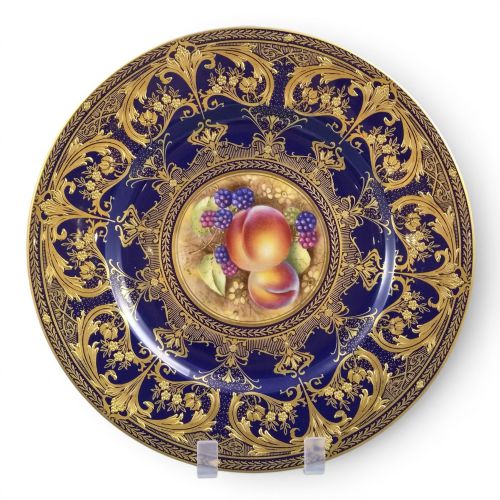
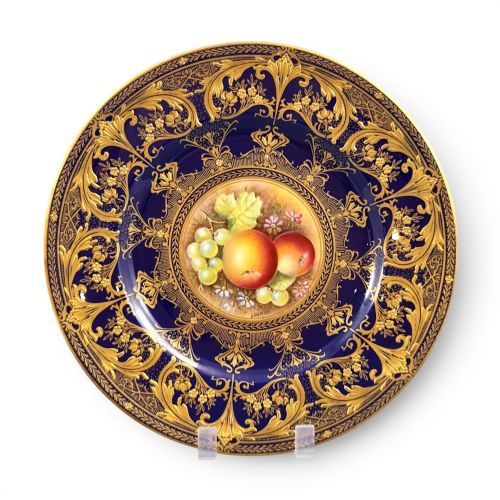
An antique fruit cabinet plate brings together fine porcelain forms and meticulous hand-painted studies of orchard fruits, designed primarily for visual display rather than dining. When searching for this phrase, the pieces most frequently encountered on this page stem from the twentieth century, particularly the 1920s and 1930s, alongside earlier Georgian and eighteenth-century examples.
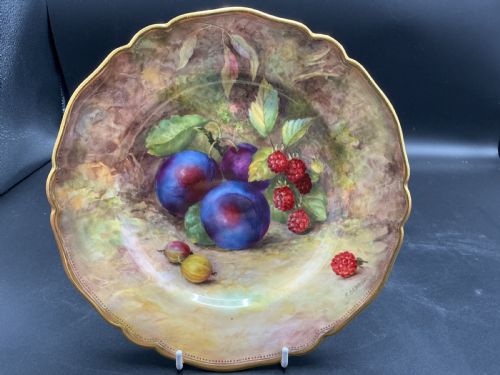
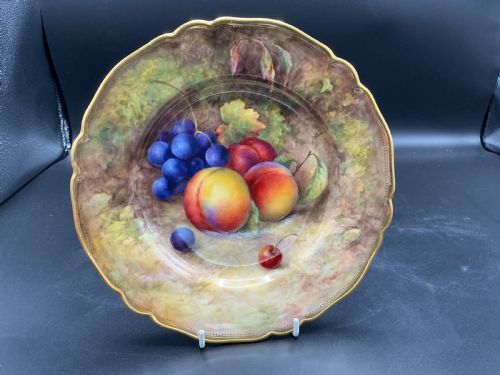
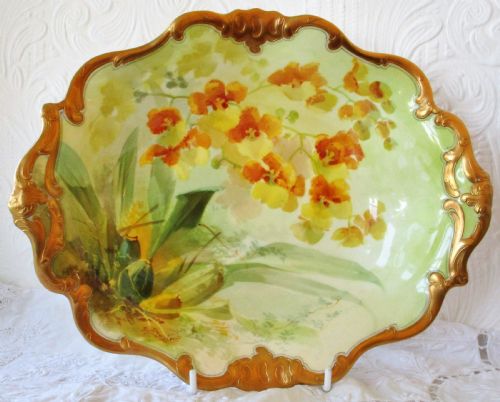
The objects take the form of cabinet plates, decorative dishes, dessert plates, and trays, often finished with distinctive rope edges or gilt borders. Makers from these periods utilised smooth ceramic surfaces to showcase detailed paintings of pears, peaches, apples, and berries against soft, shaded backgrounds.
How they were made
The manufacture of these pieces relies on fine porcelain, bone china, and ironstone, shaped into plates, dishes, and trays before undergoing high-temperature firing. Artisans then applied detailed enamel paint by hand, capturing the natural textures, blemishes, and varied tones of ripening fruit.
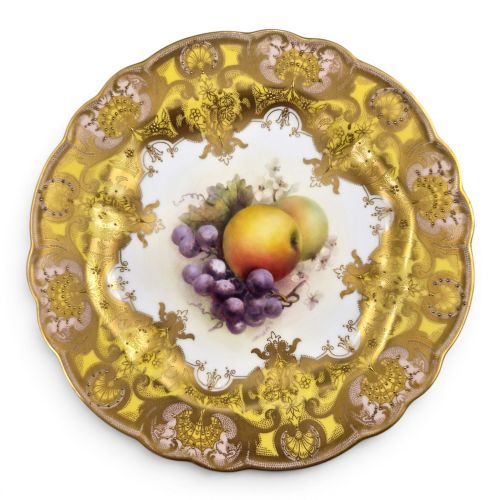
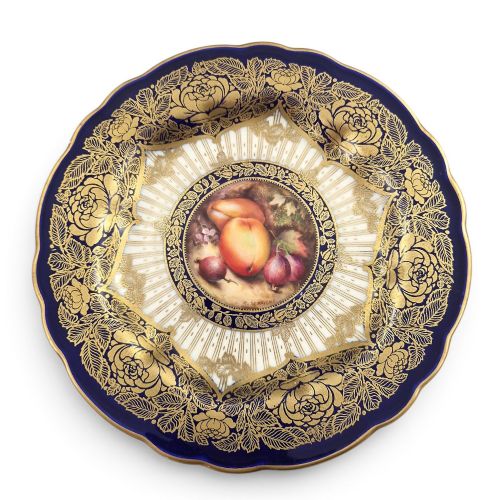
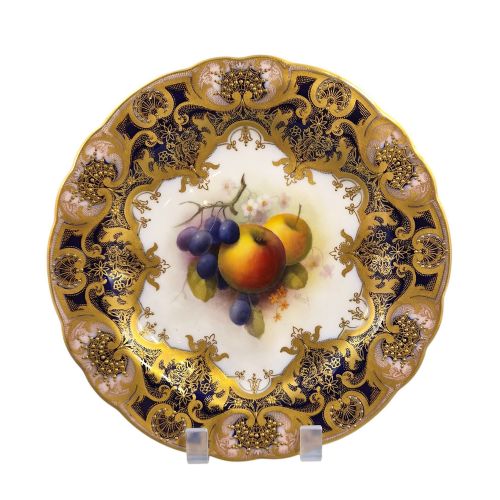
Many examples incorporate gold leaf, gilding, or gilt enamel along the rims and borders to frame the central painted scene. Skilled decorators added depth through layered paint techniques and subtle shading, sometimes sealing the metallic accents with precise kiln firings.
The selection spans Georgian, Edwardian, and mid-twentieth-century periods alongside traditional English styles.
What varies in quality
The division between standard examples and the finest pieces rests upon the identity and skill of the artist whose hand painted the fruit. Signed works by master painters command greater attention because their brushwork displays superior anatomical precision, tonal blending, and naturalism.
Quality also depends on the richness of the surrounding ornamentation, such as the density and application of gold leaf, the weight and proportion of the porcelain body, and the complexity of edge treatments like rope moulding or neo-rococo scrolls.
Royal Worcester·Royal Doulton·Derby Porcelain·Kornilov Brothers
The Antique Fruit Cabinet Plate Glossary
- Cabinet plate
- A decorative ceramic dish intended for display in a cabinet or on a wall rather than for practical table use. These plates usually feature elaborate painted subjects and gilt borders.
- Bone china
- A type of porcelain composed of clay mixed with bone ash, producing a strong, translucent ceramic body. It provides a smooth white ground well-suited for detailed enamel painting.
- Gilt enamel
- A decorative medium combining metallic gold with vitreous enamel pigments. It adds a lustrous, durable metallic finish to ceramic rims and patterns.
- Ironstone
- A heavy, durable earthenware developed in the nineteenth century as a robust alternative to porcelain. It takes glazes and painted decoration effectively while offering increased structural strength.
Antique Fruit Cabinet Plate: Frequently Asked Questions
What is a fruit cabinet plate?
A fruit cabinet plate is a porcelain or bone china dish painted with detailed botanical scenes of orchard fruit. They were made for display in cabinets or on walls rather than everyday dining.
Most examples found here date from the twentieth century, though eighteenth-century and Georgian pieces also appear. Their primary appeal lies in the skill of the artist's hand-painted fruit studies.
How do I display cabinet plates?
Cabinet plates are best displayed using dedicated wall hangers or secure plate stands inside glass-fronted cabinets. This protects the delicate enamel painted surfaces and gold leaf borders from accidental damage.
Due to their decorative nature and gilt enrichment, they should be kept away from direct sunlight and moisture. Proper mounting ensures the painted orchard scenes remain the visual centrepiece of the room.
Are these plates signed by artists?
Many painted fruit plates feature signatures or monograms from the artists who executed the ceramic artwork. Master painters often initialled or signed their botanical studies near the edge of the fruit composition.
Signed pieces by notable decorators from manufactories like Royal Worcester carry distinct attribution. This documentation of the artist's hand adds considerable interest for collectors of fine ceramics.
What materials were used?
These decorative items were produced using fine porcelain, bone china, and ironstone. These ceramic bodies provided a smooth, stable white ground for detailed enamel painting.
Decorators then applied gold leaf, gilding, or gilt enamel to the rims and borders. The combination of high-fired ceramic and precious metal accents defined the traditional aesthetic of these display pieces.