
Antique French Style Bench
An antique french style bench brings classical continental elegance to a room, offering refined seating through carved wood, exposed framing, and traditional upholstery.
Antique French Style Bench
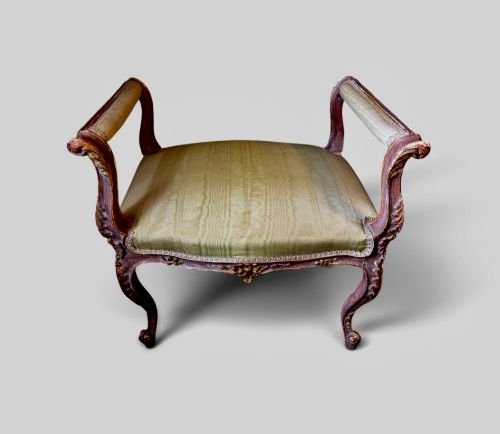
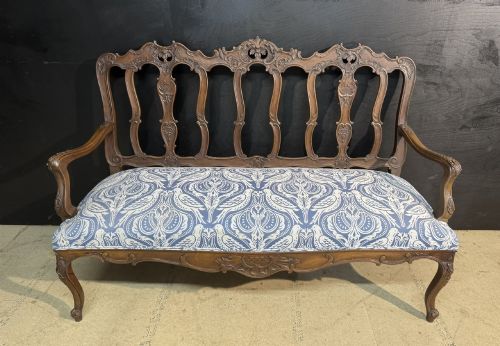
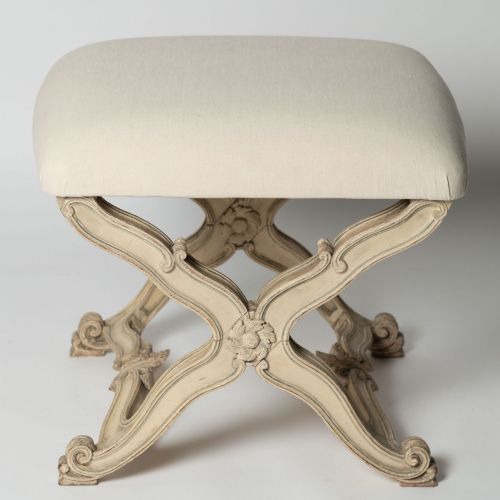
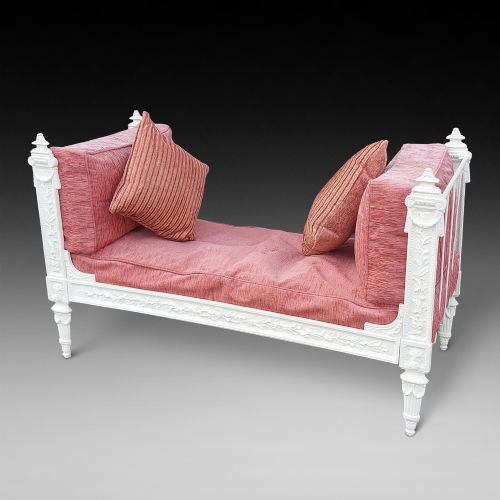
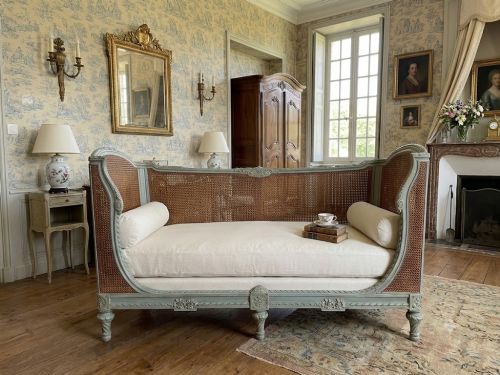
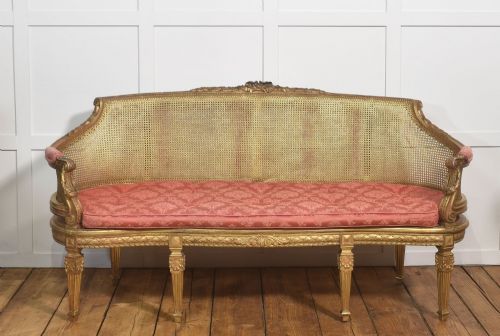
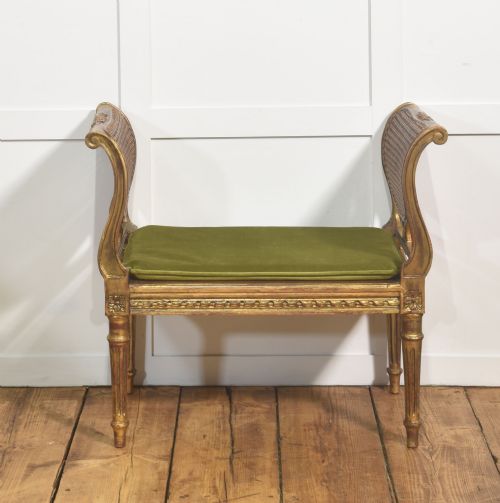
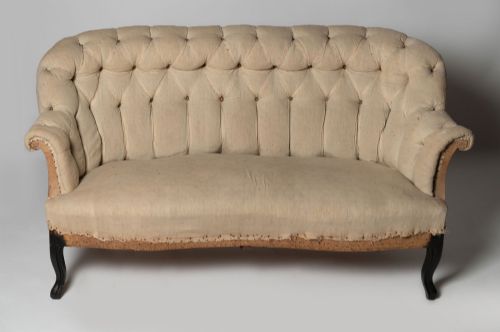
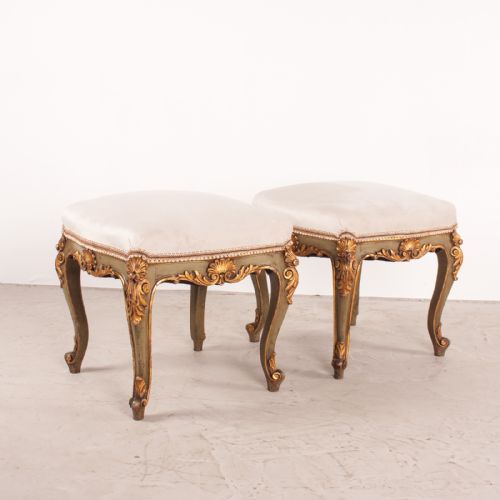
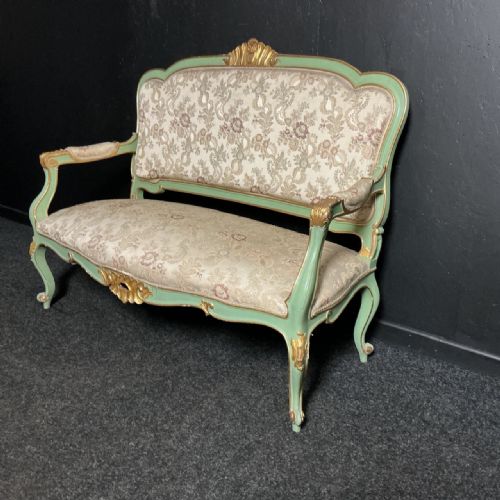
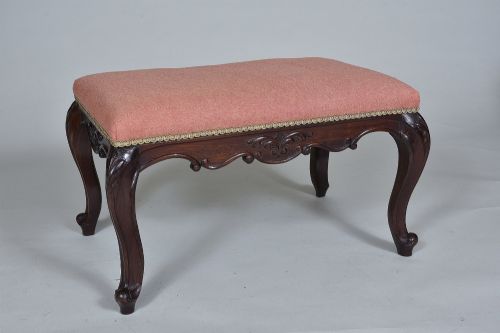
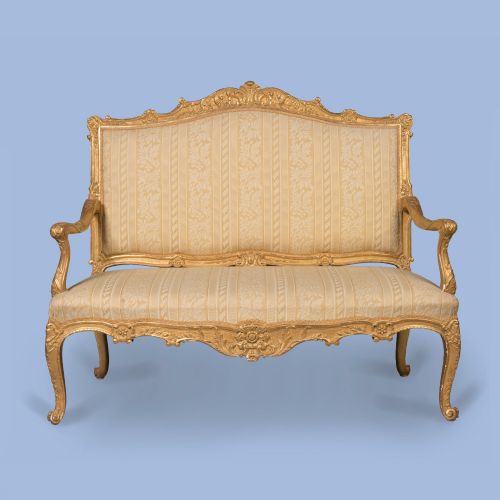
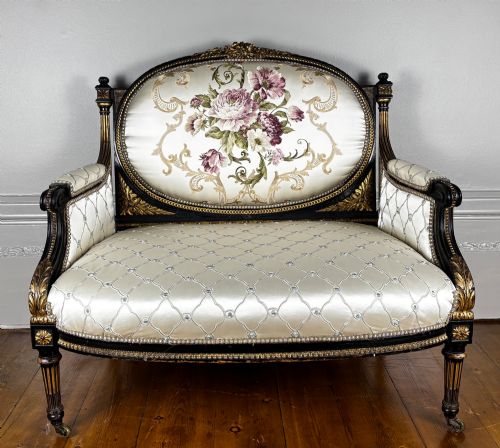
When searching for an antique french style bench, buyers encounter a diverse selection of seating including window seats, daybeds, and canapés. These pieces draw primarily from revival periods such as the Louis XV, Louis XVI, and Rococo styles, reflecting historical court aesthetics adapted for domestic interiors.
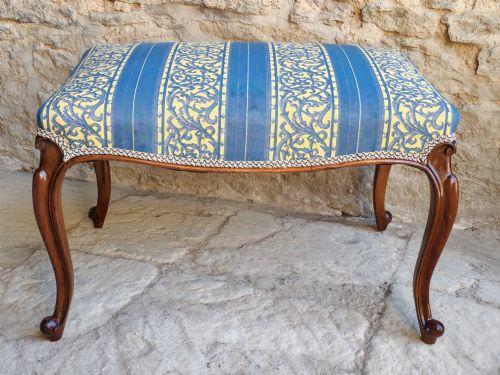
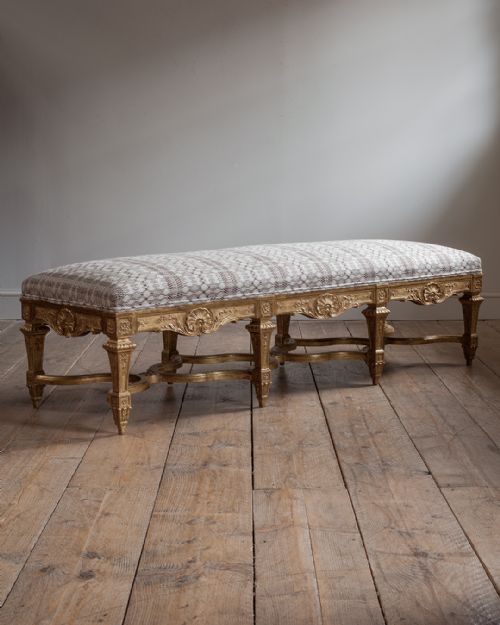
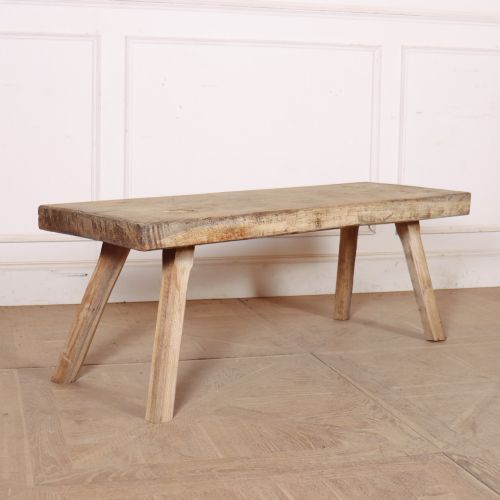
The objects span long sofas and settees down to smaller footstools and window benches. Walnut, beech, and giltwood form the structural foundation for many examples, often paired with cane panels or plush fabric coverings.
Most entries date from the nineteenth century into the early twentieth century, showing revivalism's enduring popularity. Craftsmanship in these categories ranges from simple painted wood frames to deeply carved, gilded show-wood structures.
How they were made
Cabinetmakers shaped frames from dense hardwoods like walnut, beech, and mahogany, utilising traditional joinery to support the weight and tension of upholstered seats. Giltwood surfaces received layers of gesso and gold leaf over carved wood, while other frames were painted or ebonised.
Cane work involved hand-weaving natural split rattan through drilled holes in the wooden seat or back rails to create flexible, patterned panels. Upholstery methods combined textile or silk coverings with internal padding supported by webbing and springs in later pieces.
Nineteenth-century revival pieces dominate the selection, alongside early twentieth-century examples.
What varies in quality
The depth and crispness of hand-carved ornamentation separate standard production from finer workshop output, particularly in floral motifs and scrolling legs. Smooth execution of gilding or paint layers indicates superior preparation of the underlying gesso and wood.
Structural integrity depends on the tightness of joints and the quality of the timber used for the frame. Original cane work that remains taut and undamaged commands greater interest than replacement webbing or broken weaves.
The Antique French Style Bench Glossary
- Canapé
- An upholstered sofa or settee with an exposed wooden frame, typically featuring a carved backrest and open arms.
- Giltwood
- Timber coated with thin gold leaf applied over a prepared gesso ground, frequently seen on formal revival seating.
- Cane
- Woven material made from peeled rattan stems, utilised for light and breathable seat panels or backrests.
- Cabriole leg
- A furniture leg that curves outward in a convex arc and tapers inward in a concave arc, ending in a pad or scroll foot.
- Ormolu
- Cast bronze mounted elements that have been finely chased and gilded, often accentuating neoclassical mahogany frameworks.
Antique French Style Bench: Frequently Asked Questions
Where were these benches placed historically?
Historically, smaller benches and window seats occupied dressing rooms, long corridors, or alcoves, while larger canapés sat in formal salons. Their placement depended on the room's social function and the need for movable, elegant seating.
Today, they adapt easily to modern interiors as statement pieces at the foot of a bed or beneath a window.
How do I care for antique wood and gilding?
Preserving giltwood and polished timber requires avoiding direct sunlight and excessive moisture, which can damage delicate gold leaf and dry out wood. Regular dusting with a soft, dry cloth prevents grime accumulation without harming the finish.
Upholstery and cane panels also benefit from gentle vacuuming using a low-suction brush attachment.
Are these benches comfortable for daily use?
Comfort varies significantly depending on whether the piece is a rigid wooden window seat, a cane-backed bench, or a fully upholstered sofa. Many nineteenth-century versions include supportive springing and padded cushions designed for extended sitting.
When selecting a bench for regular lounging, consider the seat depth, back angle, and cushion firmness relative to your intended use.