


Antique French Storage
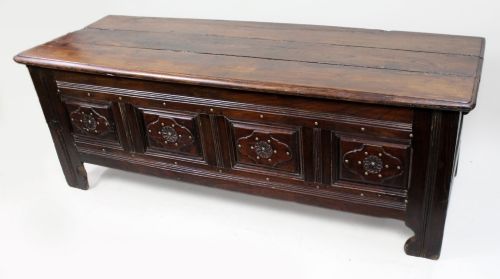
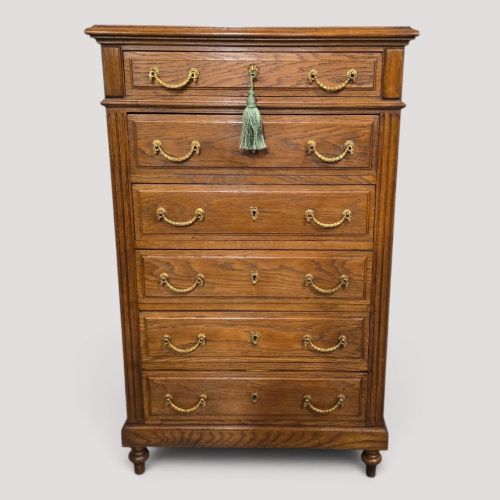
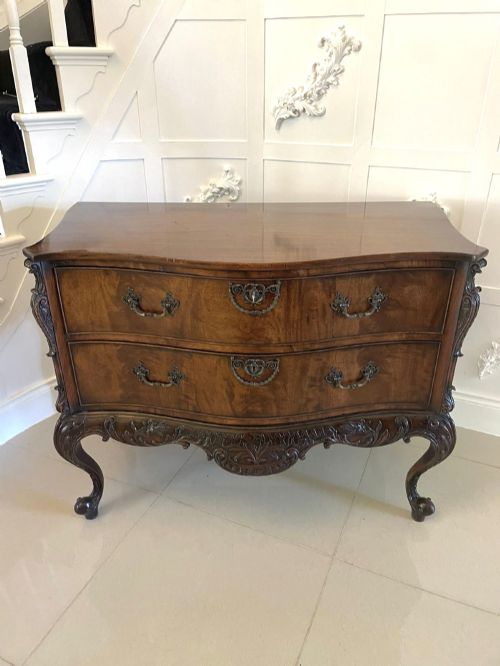
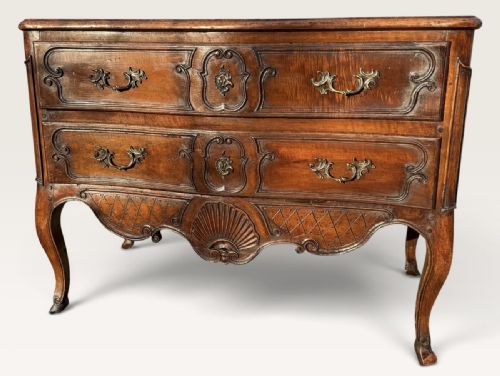
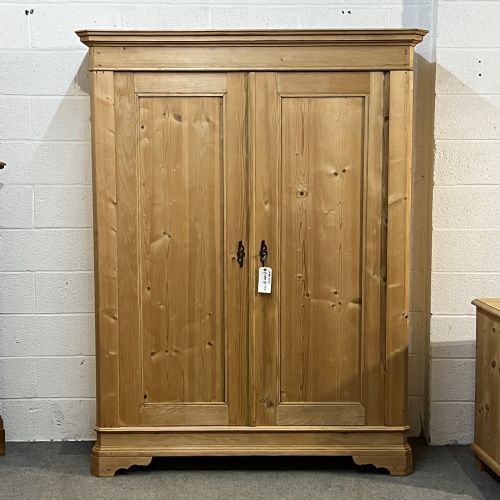
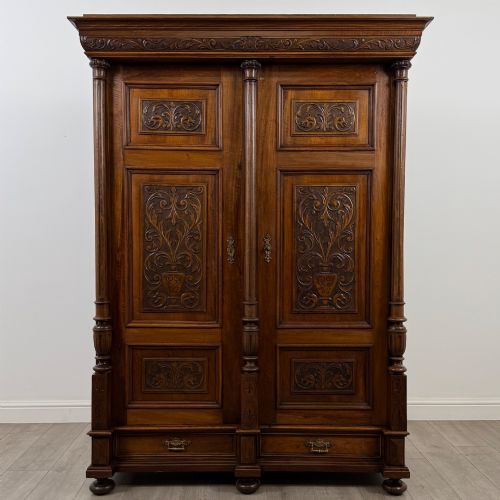
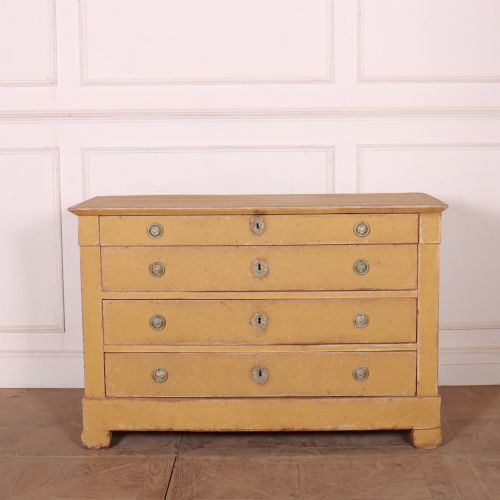
These heavy oak coffers, walnut commodes and pine armoires show how antique French storage brings tactile depth into a room.
Antique French Storage
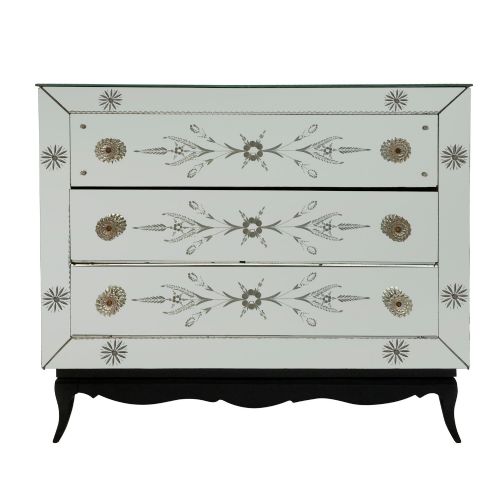
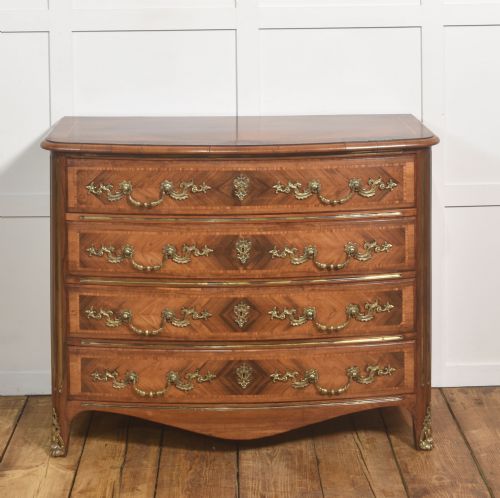
When you search for antique french storage, you are looking at substantial wooden pieces designed to hold household goods, ranging from rustic eighteenth century oak coffers to walnut commodes and tall pine wardrobes. The nineteenth century forms dominate this selection, frequently appearing as chests of drawers, glazed cupboards and bedside cabinets shaped by regional French cabinetmakers.
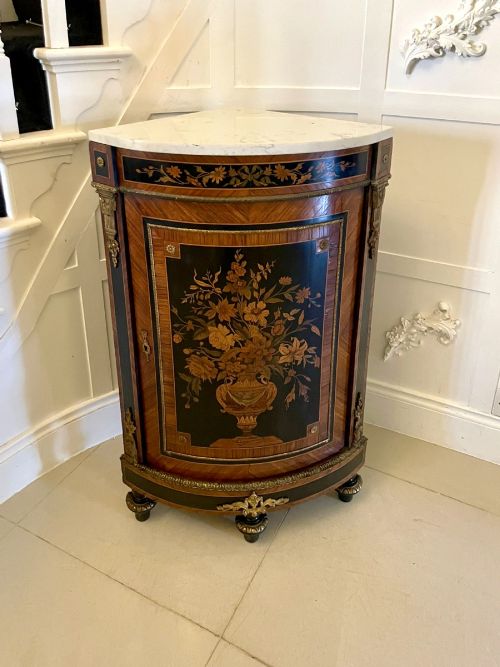
Regional variants divide simply between provincial oak or cherry utility pieces and urban pieces featuring marquetry, ormolu mounts and polished marble tops. The heavy housekeeper cupboards and kitchen pantries sit alongside lighter Louis Philippe and Empire commodes, offering varied scales for domestic organisation.
Materials and construction
Solid timbers form the backbone of these pieces, with oak, walnut and pine dominating structural carcasses while rosewood and cherry appear in decorative applications. Cabinetmakers joined panels using traditional dovetail and mortise techniques to handle seasonal wood movement.
Surface finishes rely on natural wax polishes, layered paint or applied marquetry in contrasting veneers. Structural hardware includes cast iron hinges, brass handles and decorative ormolu mounts that anchor the timber doors and drawers.
Early French grain measures in copper turned standard agricultural containers into casual rustic vessels.
Separating the ordinary from the exceptional
Quality rests on the selection of timber and the precision of the joinery rather than surface embellishment alone. Dense grain patterns in walnut and finely figured mahogany separate superior chests from standard pine utilities.
The integration of secondary timbers, original hardware and balanced proportions distinguishes workshop execution. Pieces retain their integrity when structural carcases remain square and drawer linings show consistent hand planing.
The Antique French Storage Glossary
- Commode
- A low chest of drawers or cabinet originating in France. They often feature marble tops and decorative veneer work.
- Armoire
- A tall wardrobe or cupboard with doors enclosing shelving or hanging space. Early examples use heavy oak panels.
- Ormolu
- Gilded bronze mounts applied to furniture. Workshops used these to accent corners and keyhole escutcheons.
- Marquetry
- Inlaid patterns formed from different coloured wood veneers. Craftsmen assembled geometric or floral motifs on primary surfaces.
- Coffer
- A heavy wooden chest with a hinged lid used for storage. Provincial examples rely on pegged mortise joints.
- Enfilade
- A long sideboard or buffet with multiple doors. These substantial storage units served dining rooms.
Antique French Storage: Frequently Asked Questions
How do I date an old armoire?
Examine the interior construction, drawer linings and tool marks left by the carpenter. Hand cut dovetails and pegged joints usually point to earlier provincial periods.
Hardware styles and secondary timbers also provide clues. Machine cut screws and uniform pine panels often indicate late nineteenth or twentieth century production.
Are marble tops original to commodes?
Many commodes received marble tops during the eighteenth and nineteenth centuries to provide a durable, cooling surface. Grey, white and rouge marble slabs fit flush into the wood frame.
Replacements do occur if the original stone cracked. Look for natural edge wear that matches the age of the timber base.
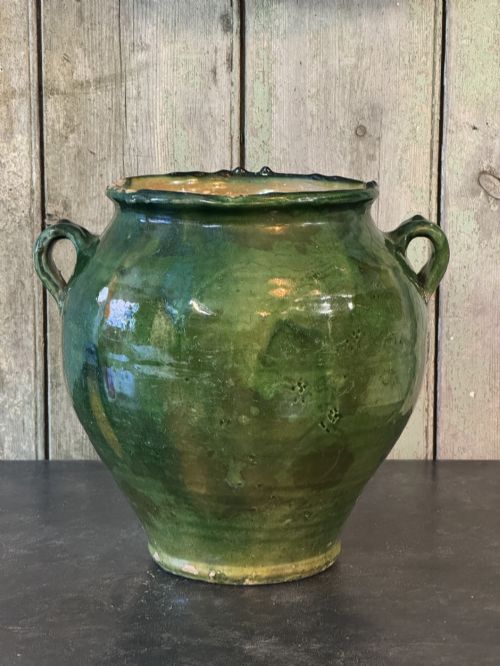
What is a confit pot?
A glazed earthenware jar used in French provincial kitchens to preserve duck or pork confit in fat. They feature lead glazes in green or ochre tones.
Today these heavy ceramic vessels serve as decorative floor vases or umbrella stands. Their thick walls helped maintain cool internal temperatures.
How do I care for antique wax finishes?
Apply a natural beeswax paste sparingly and buff with a soft cloth to maintain the protective sheen. Avoid modern silicone sprays that build up and attract dust.
Keep wooden storage pieces away from direct heat sources and strong sunlight. Stable humidity prevents timber panels from splitting.