


Antique French Storage Jar
An antique french storage jar brings functional rural history indoors, offering weathered earthenware and glass for everyday display.
Antique French Storage Jar
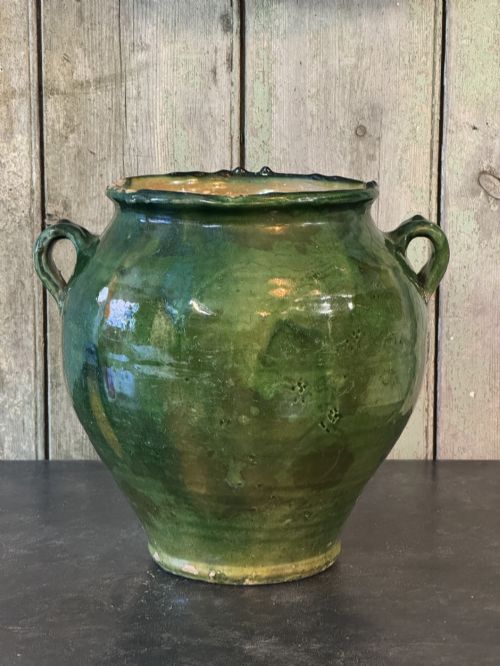
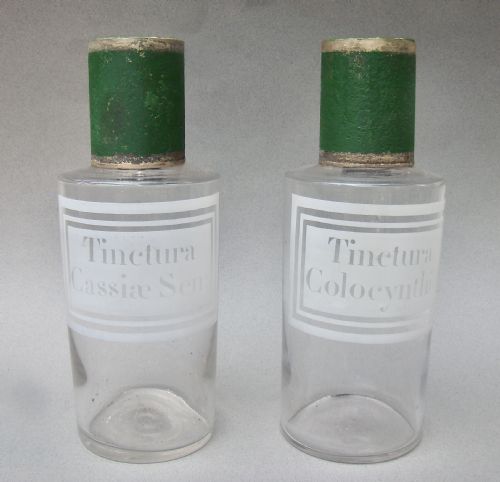
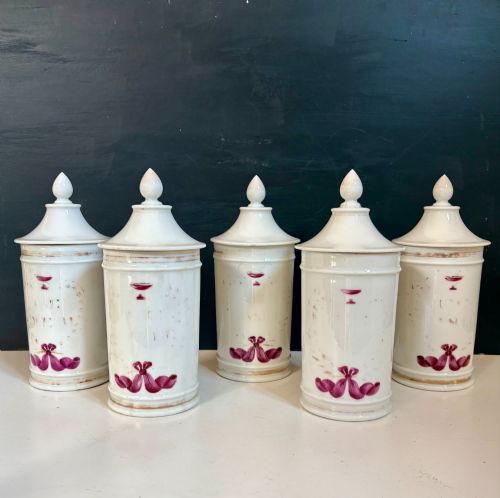
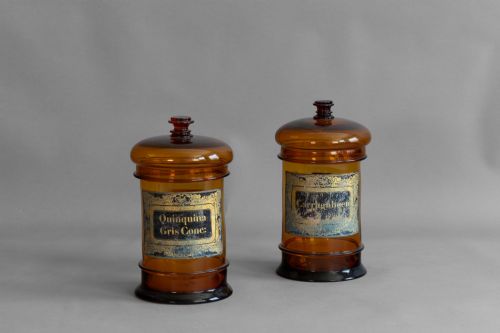
An antique french storage jar encompasses practical vessels made across the nineteenth and eighteenth centuries for domestic and commercial use. Buyers searching for an antique french storage jar encounter diverse forms, from green glazed terracotta confit pots and blown glass pickling jars to earthenware walnut oil vessels and apothecary jars.
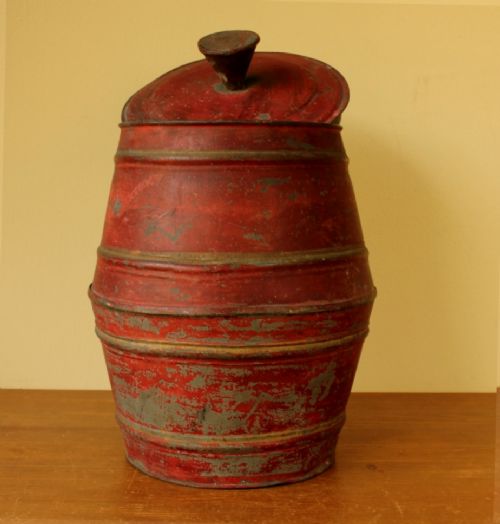
The pieces on this page lean heavily towards rustic provincial styles, including French Country, French Provincial, and Mediterranean Country designs. Confit pots and olive jars dominate the selection, alongside apothecary glass and metal or enamel canisters utilised in shops and homes.
How they were made
Potters shaped terracotta and earthenware by hand, applying glazes that pooled in rich tones of green or white tin glaze across the surface. Glass vessels were blown into shape, occasionally featuring etched lettering or simple labels.
Makers utilised durable local clays for heavy agricultural jars designed to hold oil, olives, and preserves. Metal and enamel canisters received painted finishes for commercial display in tobacconist and apothecary shops.
What varies in quality
Quality rests in the integrity of the material, the depth of the glaze, and the preservation of surface patina earned through decades of agricultural or commercial utility. Examples bearing uniform glaze coverage and intact handles command attention.
The Antique French Storage Jar Glossary
- Confit pot
- A traditional French earthenware jar glazed partially or fully, originally utilised for storing and preserving meats. These pots feature distinct side handles for lifting.
- Biot jar
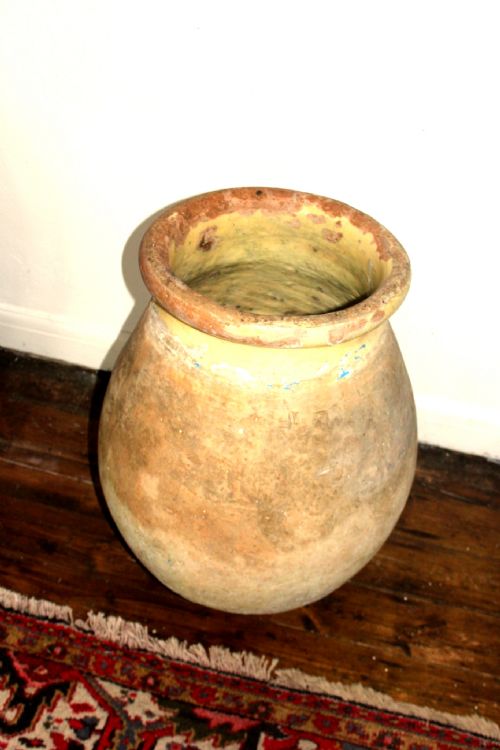
- A large Provençal terracotta storage vessel originating from the town of Biot, historically utilised for olive oil and water. They feature robust, heavy walls and aged patinas.
- Tin glaze
- An opaque white pottery glaze made by adding tin oxide to lead glaze, commonly found on eighteenth-century delft jars. It provided a smooth surface for painted decoration.
- Pickling jar
- A heavy glass vessel, also known as a bocal, utilised for preserving vegetables and provisions. These jars often display bubbles and imperfections from early manufacturing methods.
Antique French Storage Jar: Frequently Asked Questions
What were antique French storage jars used for?
These jars served practical purposes in rural and commercial settings, holding staples like confit meat, olives, walnut oil, and pickling vegetables.
Others functioned in shops as apothecary containers or tobacco storage tins, designed for daily utility rather than decoration.
How do I style an antique storage jar at home?
Display large terracotta confit pots and olive jars on the floor or on garden stands to highlight their weathered patina and substantial forms.
Smaller glass apothecary jars and enamel canisters suit tabletops or open shelving, where light can pass through the tinted glass.
How do I date an antique French jar?
Dating relies on material characteristics, manufacturing marks, and stylistic shifts between eighteenth-century tin-glazed earthenware and nineteenth-century glazed terracotta.
Blown glass vessels often show pontil marks and bubbles that indicate earlier hand-production methods compared to later machine-made glass.
Are these jars waterproof for plants?
Terracotta and earthenware jars are porous materials that can absorb moisture and allow water to seep through unglazed interior walls.
Using an internal plastic liner protects the historic clay and glaze from mineral damage when housing live plants or cut flowers.