
Antique French Planter
These antique french planter pieces bring interior greenery and floral displays into rooms with distinct nineteenth-century Continental character.
What an antique french planter is
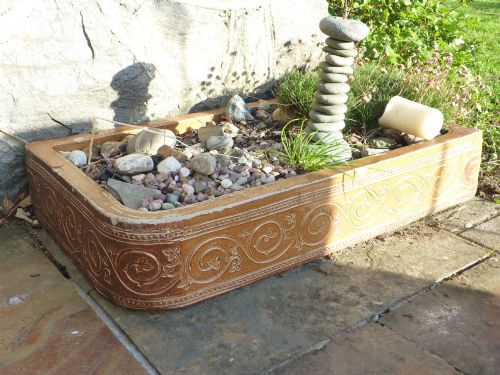
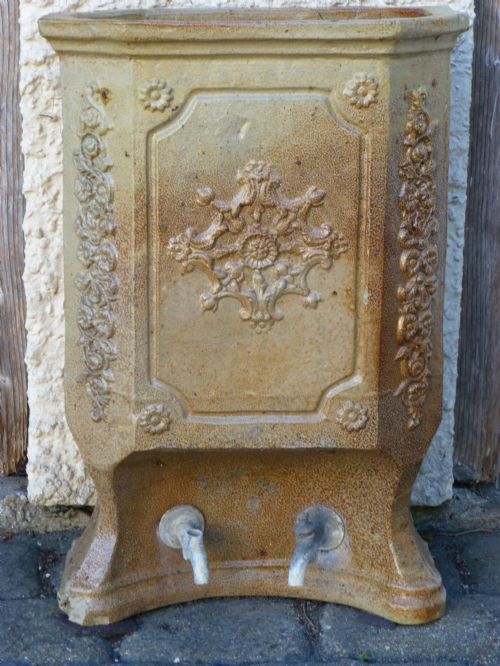
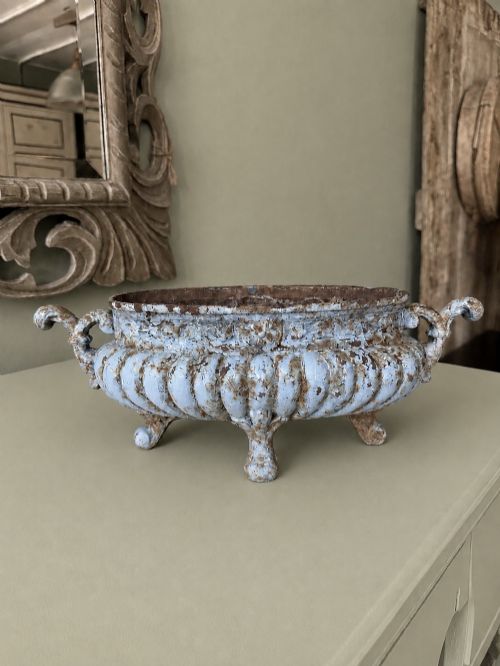
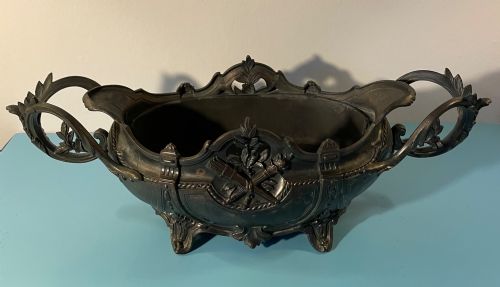
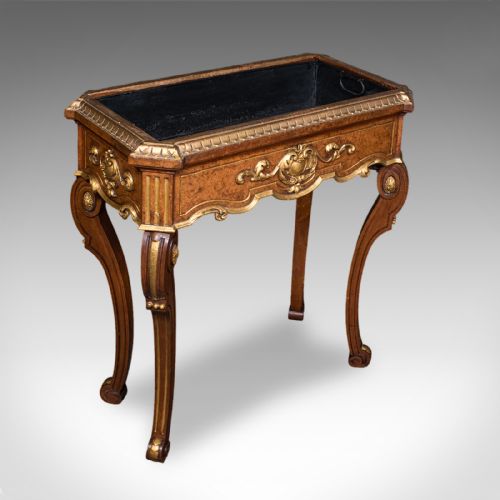
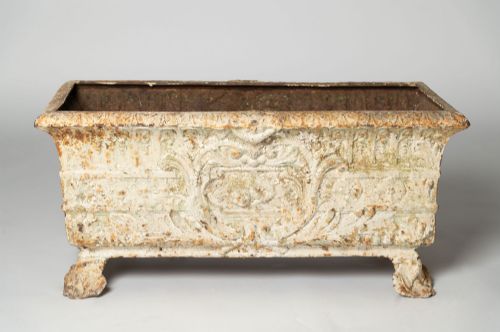
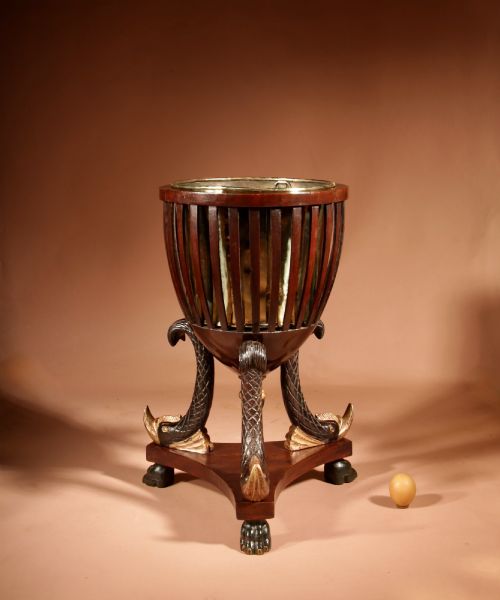
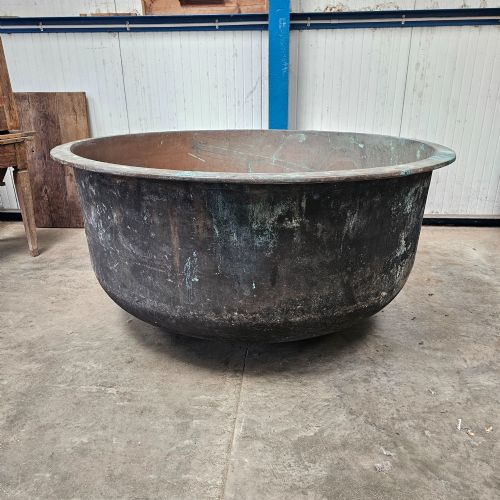
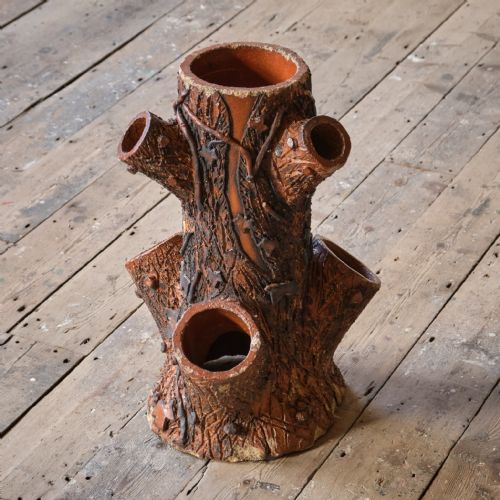
An antique french planter encompasses jardinieres, jardiniere tables, and standalone plant vessels originating from nineteenth-century France and surrounding decades. Buyers searching this phrase encounter forms ranging from heavy exterior cast iron vessels to refined interior display pieces intended for grand reception rooms.
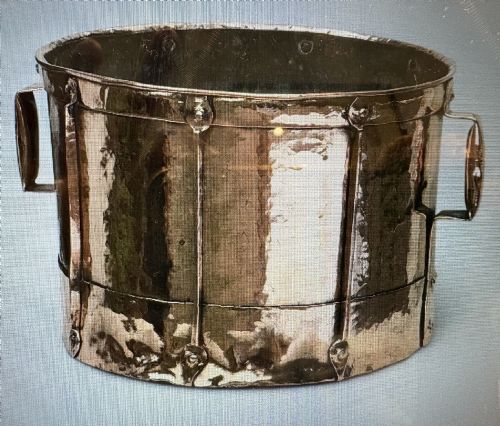
The selections available span multiple distinct stylistic movements including Napoleon III, French Rococo, French Revival, and the Aesthetic Movement. Smaller table models sit alongside substantial garden urns, while specialised variations double as wine coolers or decorative lamp stands.
How they were made
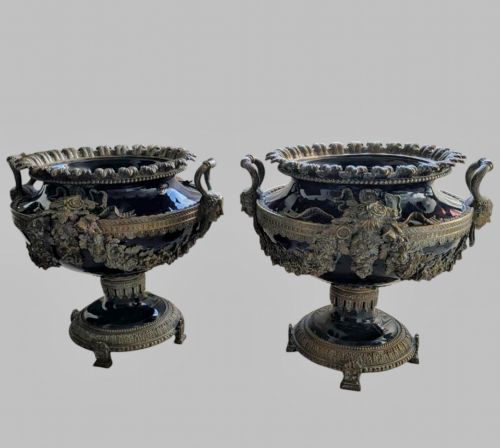
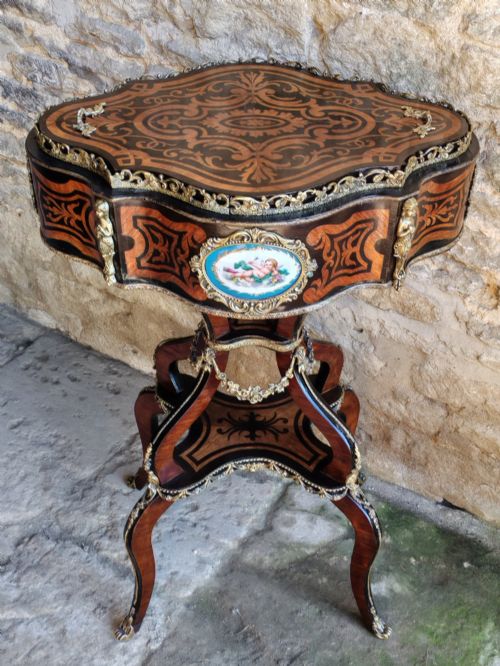
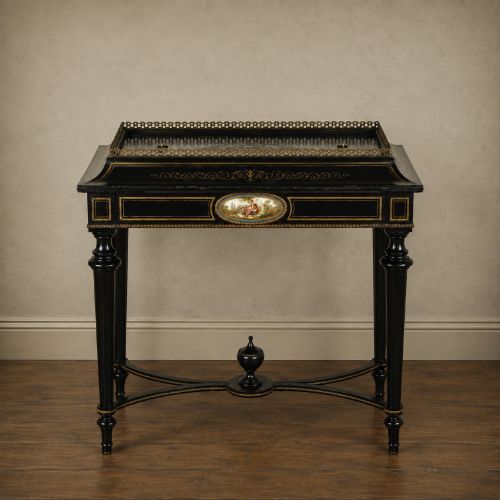
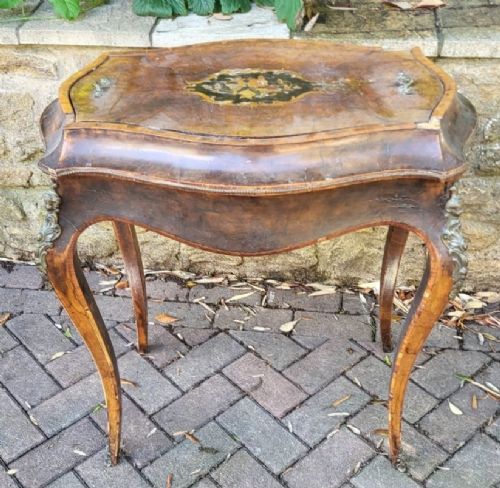
Maker workshops utilised robust metals like cast iron, brass, spelter, and gilt bronze, often combining cast foundations with applied decorative mounts and painted finishes. Interior timber pieces incorporate ebonised wood, walnut, amboyna, and decorative marquetry work.
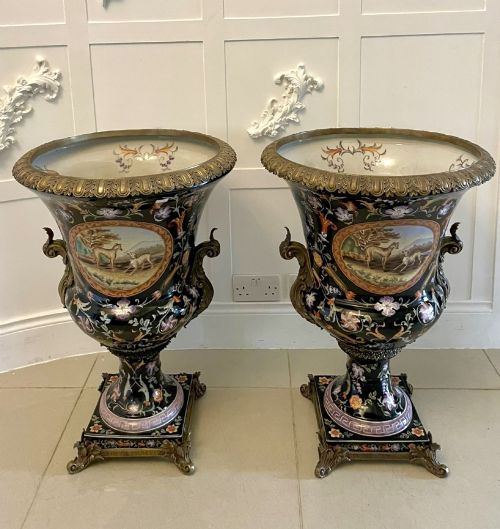
Ceramic components such as Sevres porcelain frequently appear integrated into ormolu mounts, demonstrating the fine ornamental metalwork characteristic of the period. Skilled artisans balanced structural durability in outdoor garden ironwork with delicate cabinetmaking for interior salon furniture.
Retail Price Guide 2026
Typical UK retail prices for french planter, calculated from the Sellingantiques database of over a million retail prices indexed since 2003. This retail price guide relies exclusively on Sellingantiques data; no external sources or auction records are used, so the figures do not describe the wider market.
Some nineteenth-century plant stands moonlighted as wine coolers, proving that Victorian botany and beverages went hand in hand.
What varies in quality
Quality rests in the crispness of the casting detail and the finesse of the metal mounts, where hand-chased ormolu elements display superior definition compared to simpler cast alternatives. The choice of secondary timbers and the precision of marquetry inlay separate standard production from high-status workshop pieces.
Integration of specialised materials like hand-painted porcelain plaques elevates a piece, as does the survival of original painted surfaces and patination on cast iron garden examples. Superior proportions and harmonious blending of contrasting materials define the upper tier of surviving examples.
The Antique French Planter Glossary
- Jardiniere
- An ornamental pot or stand for holding plants or flowers, typically displayed in nineteenth-century reception rooms. These vessels range from ceramic basins to elaborate metal-mounted wooden tables.
- Ormolu
- Gilded bronze utilised extensively for decorative mounts, feet, and handles on fine furniture and planters. This technique imparts a rich golden decorative finish to period metalwork.
- Spelter
- A zinc alloy commonly employed as a less costly substitute for bronze in decorative figures and mounts. Artisans frequently painted or bronzed this material to imitate heavier metals.
- Marquetry
- The art of applying decorative pieces of veneer to a structure to form intricate patterns and pictures. This technique adorns the wooden bodies of select interior plant stands.
- Ebonised
- Wood treated with a finish to simulate ebony, creating a dense black surface popular in nineteenth-century decorative arts. This dark treatment highlights contrasting gilt bronze mounts.
Frequently Asked Questions
What is a jardiniere?
A jardiniere is an ornamental container designed specifically to hold live plants or floral arrangements inside the home. These pieces function as decorative centrepieces for tables or specialised plant stands.
During the nineteenth century, they formed an essential part of interior decoration, bringing natural foliage into formal drawing rooms and parlours.
How were these planters used?
Interior planters often contained metal liners to protect delicate wooden furniture from water damage while holding potted ferns or floral displays. Larger cast iron versions served both indoor conservatory roles and grand garden settings.
Certain refined examples doubled as wine coolers or specialised lamp tables, adapting to the multifunctional needs of Victorian and Edwardian domestic life.
Are they suitable for modern gardens?
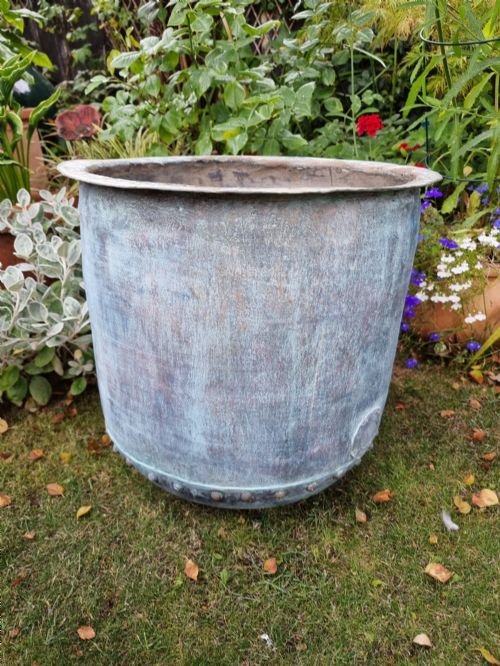
Cast iron and heavy metal examples suit contemporary garden environments, surviving outdoor placement when protected from severe frost. Their robust material construction withstands exterior conditions while developing a natural atmospheric patination over time.
Wooden and porcelain-mounted pieces require indoor placement to preserve sensitive veneers, painted finishes, and gilt bronze mounts from moisture damage.
How do I identify Napoleon III pieces?
Napoleon III style works combine eclectic historical revivals with lavish ornamentation, frequent gilt bronze mounts, and exotic wood veneers. These pieces reflect the opulent taste of the Second French Empire period.
They often incorporate contrasting materials like ebonised wood alongside intricate marquetry and porcelain plaques to create a striking visual impact.