




Antique French Pendule
An antique French pendule brings ornamental horology into domestic spaces through refined metalwork and classical form.
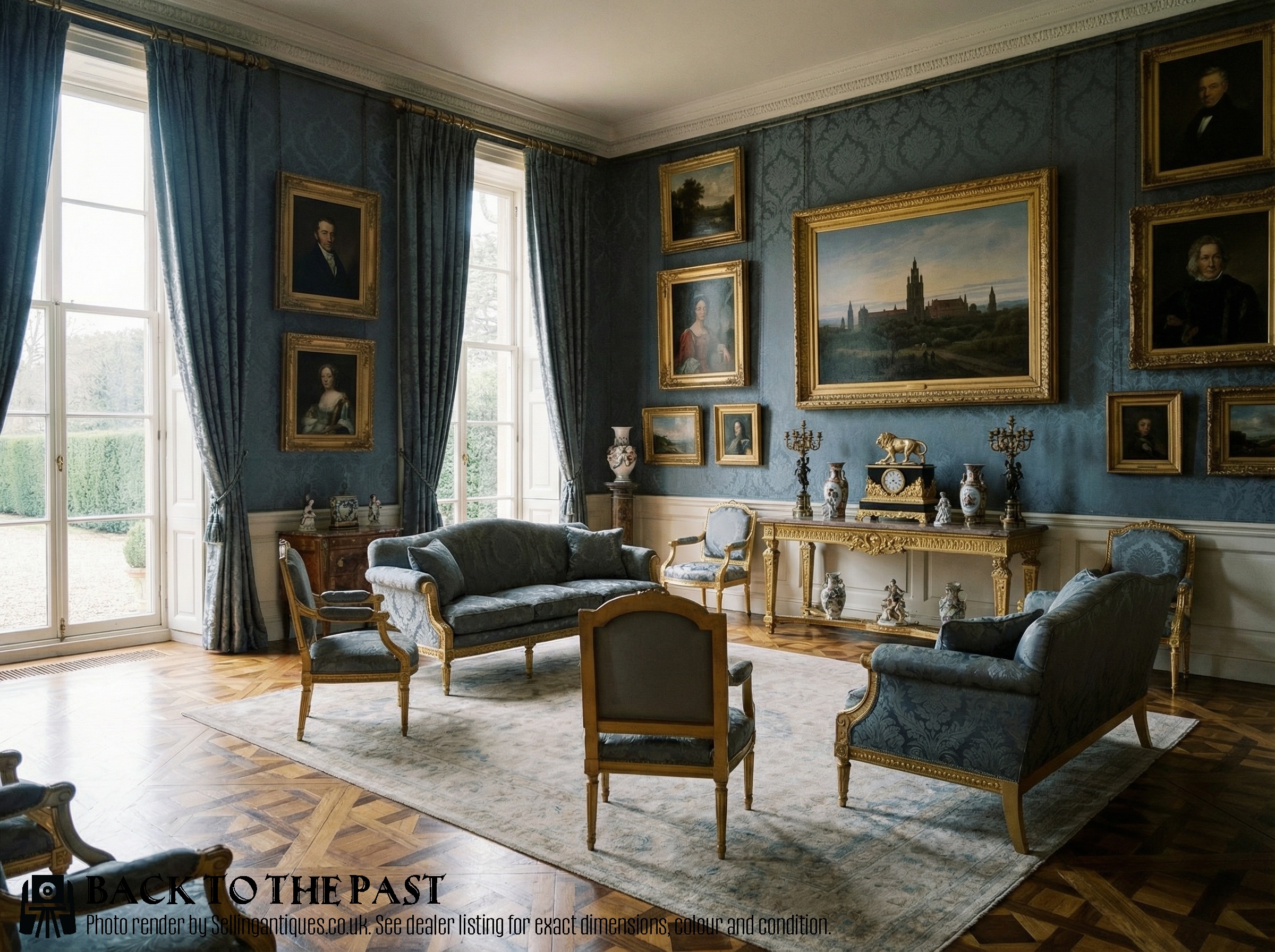
Antique French Pendule
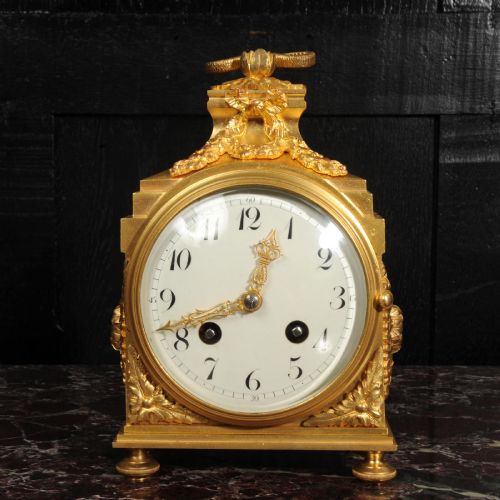
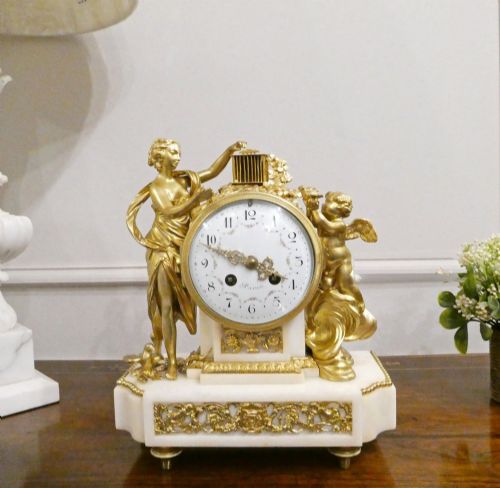
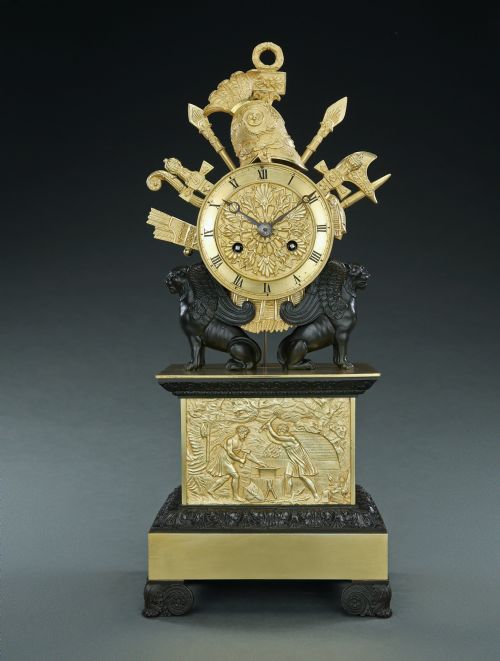
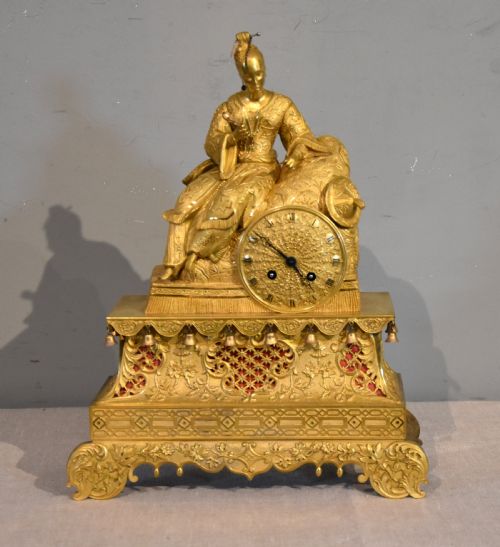
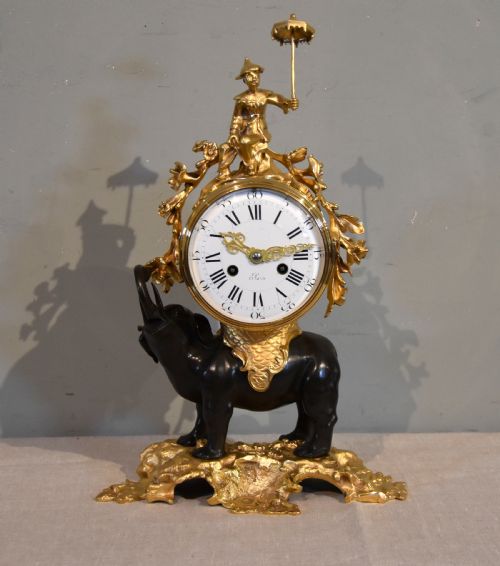
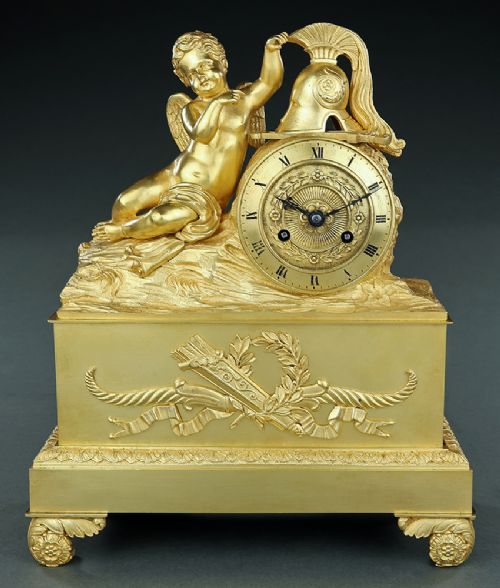
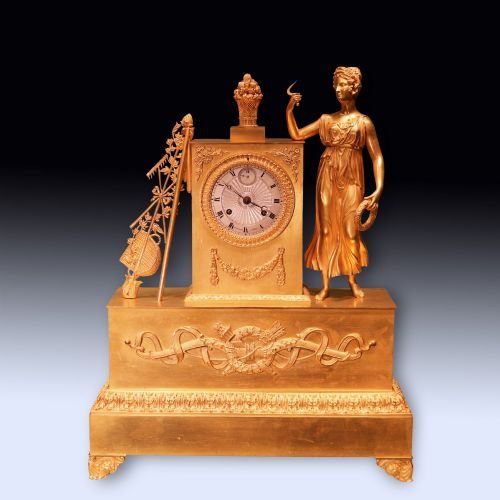
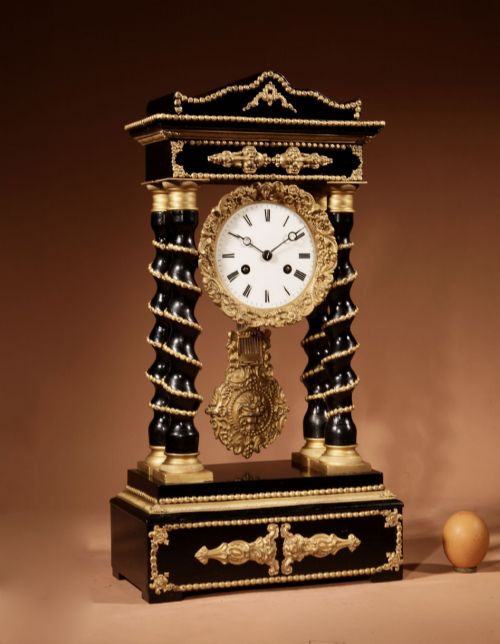
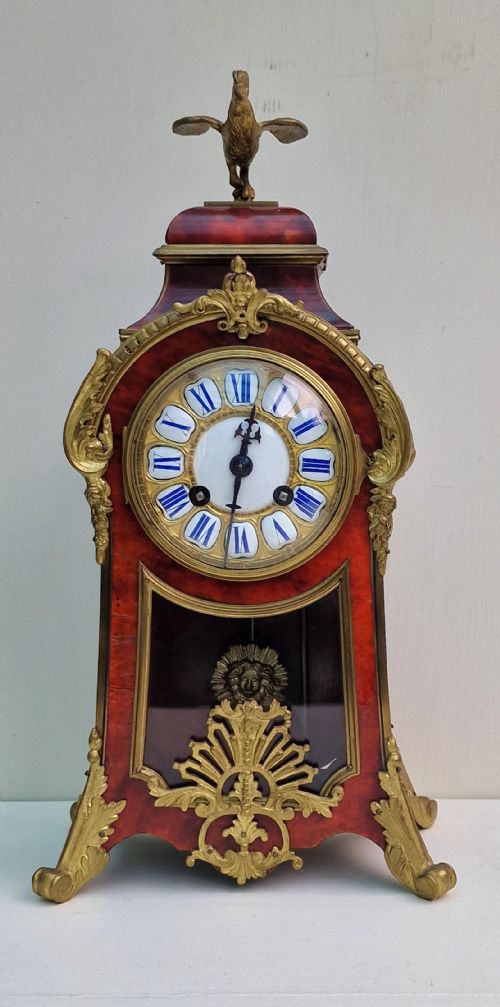
An antique French pendule encompasses elaborate mantel clocks, portico clocks, and wall-mounted timepieces produced across the eighteenth and nineteenth centuries. Buyers frequently encounter nineteenth-century examples bearing Louis XVI, Empire, or Rococo Revival styling, often taking the form of mantel clocks housed in architectural marble and gilt bronze cases.
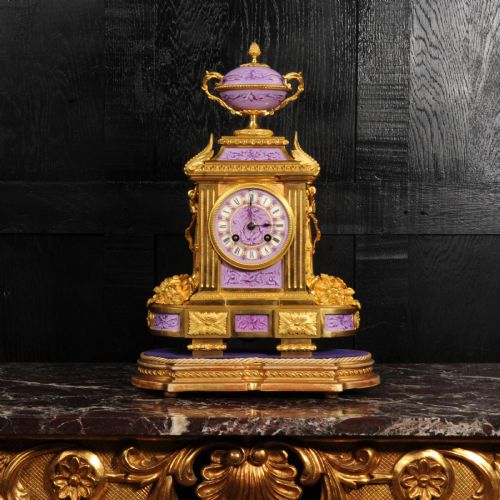
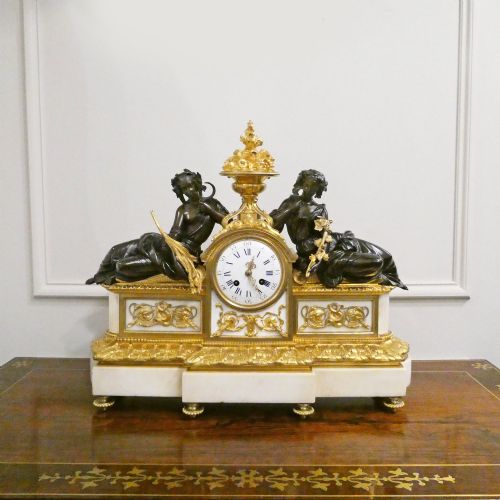
The objects serve primarily as decorative centrepieces for the home, combining mechanical timekeeping with sculptural bronze, porcelain plaques, and enamel dials. Surviving pieces range from strict classical portico designs to exuberant figurative compositions depicting mythological or military themes.
Originating largely from Parisian workshops and factories, these clocks reflect the shifting aesthetic tastes of the Victorian era and earlier French periods. The selection on this page demonstrates how domestic timepieces evolved from simple brass movements into ornate status symbols framed in ormolu, marble, and patinated bronze.
Materials and construction methods
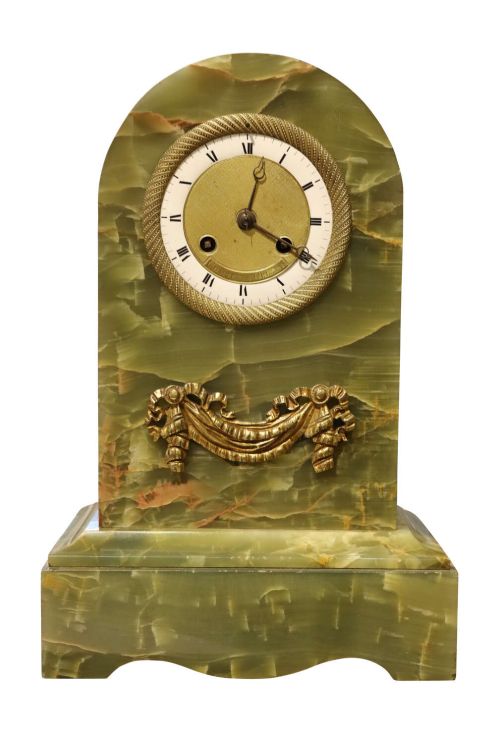
Makers constructed the structural cases of the antique French pendule using a combination of natural stone, carved wood, and cast metals. Marble, onyx, ebonised timber, and tortoiseshell form the primary bodies, whilst ormolu, gilt bronze, and brass provide decorative mounts and sculptural figures.
The casting and fire-gilding of ormolu required toxic mercury amalgamation techniques to achieve a durable, luminous surface on bronze components. Enamel dials, frequently decorated with delicate hand-painted numerals, were paired with precision brass gear trains designed for eight-day striking movements.
Specialised workshops also incorporated Sèvres porcelain panels and intricate champlevé enamel into the outer casings to enhance visual richness. Glass domes often protected delicate gilt waterfall or portico mechanisms from dust while displaying the pendulum's motion.
Antique French Pendule Retail Price Guide 2026
Typical asking prices for french pendule among the pieces listed under this phrase on Sellingantiques today, from the lower quarter to the upper quarter. They describe what is for sale here now, not the wider market.
Listings feature materials including gilt bronze, ormolu, white marble, green onyx, tortoiseshell, enamel, and Sèvres porcelain.
Evaluating craftsmanship and execution
Superior examples of the antique French pendule display crisp chasing and deep chiselling in the gilt bronze mounts, where individual hair, feather, and foliage details remain sharp. Lesser pieces rely on softer, shallower castings with visible seam lines and minimal hand-finishing.
The integration of movement and case distinguishes high-grade horology from standard production, particularly when signed by eminent makers such as Japy Frères, Samuel Marti, or Vincenti. Original matching components, dials, and glass domes maintain the integrity and visual harmony of the piece.
Achille Brocot·Charles à Orléans·Vincenti·Canaillor of Paris·Henry Dasson·Berger·Leroy Paris·Henri Marc of Paris·Japy Freres·PH Mourey·Samuel Marti·Paul Garnier·Charpentier Paris·Pons de Paul
The Antique French Pendule Glossary
- Ormolu
- Gilt bronze produced by applying a mercury and gold amalgam to a bronze base and heating it to drive off the mercury. This technique creates a characteristic rich golden surface found on many nineteenth-century cases.
- Pendule d'Officier
- A portable military-style clock, also known as an officer's clock, typically featuring a travelling case and a striking movement. These compact pieces were designed for convenience whilst retaining refined metalwork.
- Portico Clock
- A clock featuring a architectural case supported by four columns, resembling a classical temple facade. They frequently incorporate a suspended pendulum visible within the central opening.
- Champlevé
- An enamelling technique where troughs or cells are hollowed out of a metal surface and filled with vitreous enamel powder before firing. The resulting coloured patterns ornament the clock body.
- Sèvres
- Porcelain produced by the royal French manufactory, recognisable by painted floral scenes or blue ground colours. Panels of this porcelain are frequently inset into clock bases and bezels.
Antique French Pendule: Frequently Asked Questions
What is a French pendule?
A French pendule is a domestic clock produced in France, typically featuring decorative metalwork, marble, or porcelain casing. These timepieces range from elaborate mantel sculptures to architectural portico designs.
They combine mechanical movements with sculptural artistry, reflecting the dominant design styles of their respective periods.
How were these clocks used?
These clocks served as both practical timekeepers and prominent decorative ornaments for domestic interiors, usually placed on mantelpieces or console tables. They marked the hours in formal reception rooms and parlours.
Owners relied on them to structure daily domestic life while displaying their household's taste and social standing to visitors.
How do I care for a vintage clock?
Living with these clocks involves placing them on stable, level surfaces away from direct sunlight and damp conditions. Regular professional servicing keeps the mechanical gear trains running smoothly.
Wind the spring or weight-driven mechanisms carefully according to their specific design, avoiding over-winding the mainspring.
How do I identify different periods?
Period identification relies on examining the decorative motifs, materials, and architectural proportions of the case. Empire and Louis XVI styles feature classical symmetry, urns, and military trophies, while Rococo Revival pieces display asymmetric scrolls and naturalistic foliage.
Maker signatures on the backplates and dial faces also help narrow down the production era.