



Antique French Jewellery Casket
When you examine an antique french jewellery casket, you hold a tangible piece of nineteenth-century craftsmanship designed to safeguard precious personal treasures.
Antique French Jewellery Casket
An antique french jewellery casket is a decorative container designed during the nineteenth century to store small valuables, rings, and keepsakes upon a dressing table or desk.
Most examples encountered here date from the Victorian era and the broader nineteenth century, manifesting in forms such as trinket boxes, display pieces, and table caskets.
These receptacles reflect distinct periods including the Napoleon III reign and the French Second Empire, often displaying stylistic influences from the Rococo Revival and Belle Epoque.
How They Were Made
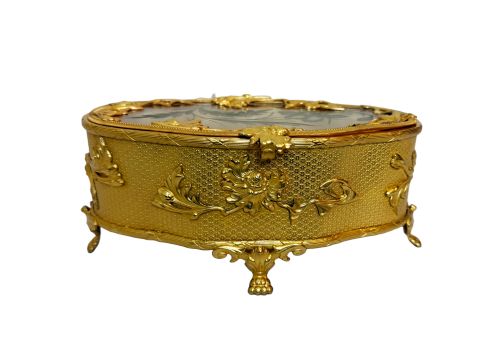
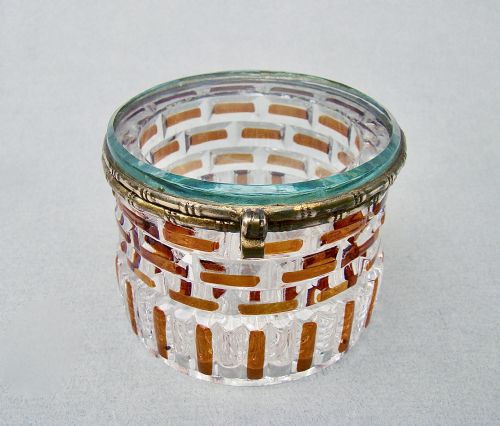
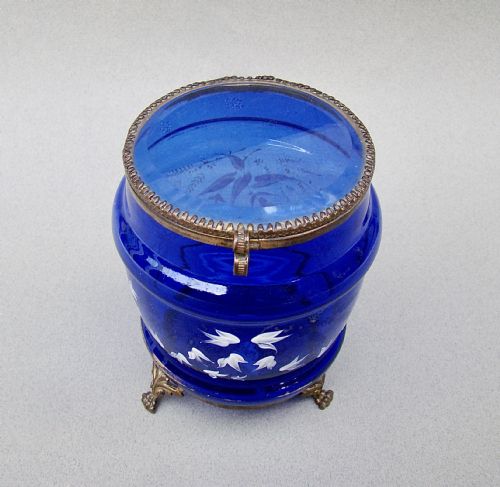
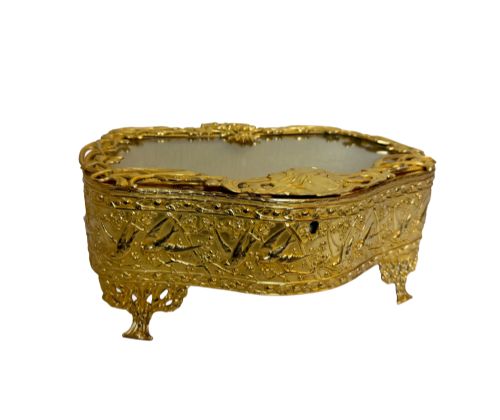
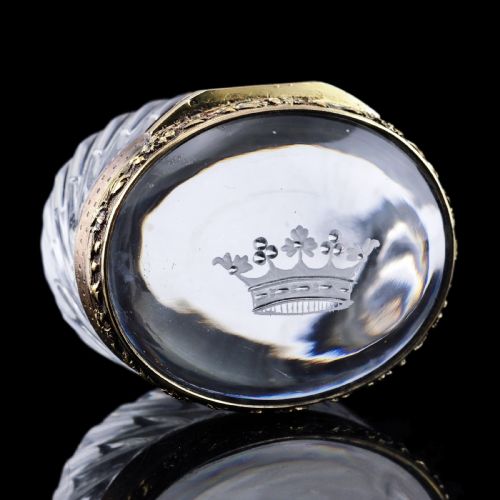
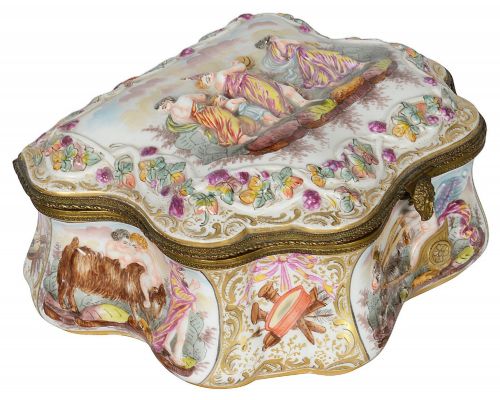
Makers utilised cast and chased ormolu, gilt bronze, and brass to form structural mounts and frames, frequently housing panels of Baccarat or Bristol glass, cut crystal, and porcelain.
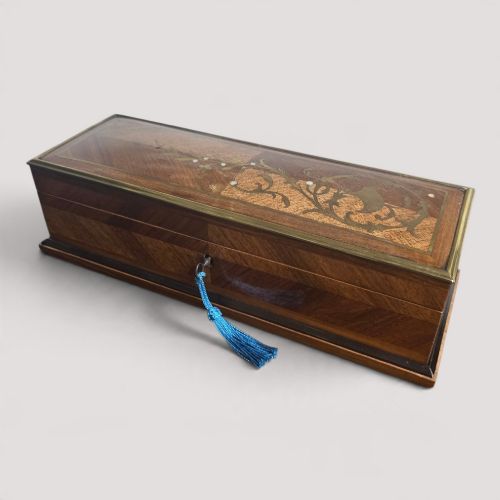
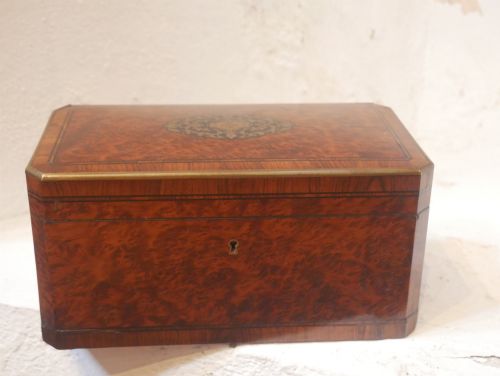
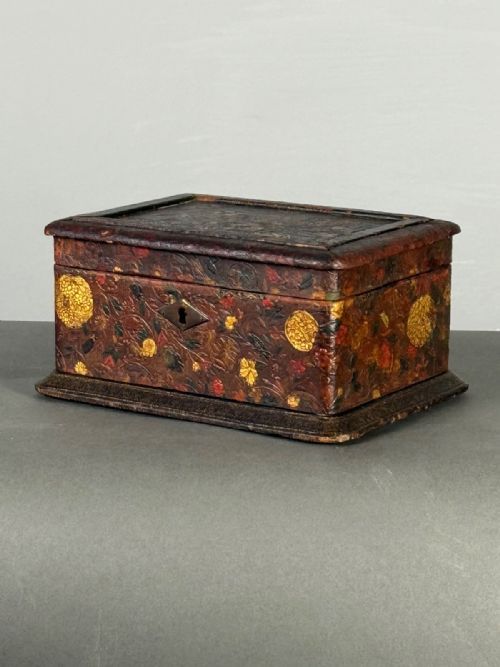
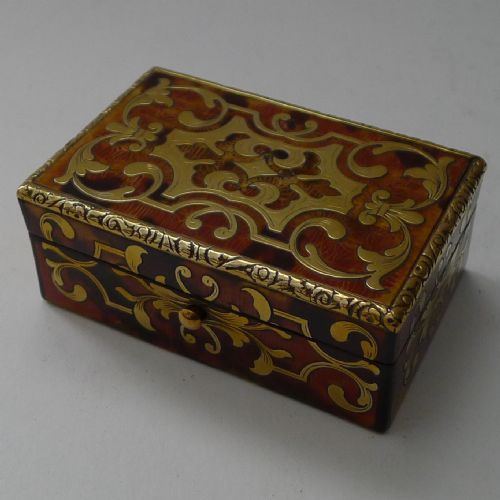
Cabinetmakers constructed wooden carcasses using exotic timbers like amboyna, kingwood, satinwood, ebony, and thuya, sometimes incorporating intricate Boulle marquetry or tooled leather.
Surface decoration frequently involved hand-painted porcelain plaques, champleve enamel, and miniature portraits set securely within the metallic frameworks.
Antique French Jewellery Casket Retail Price Guide 2026
Typical asking prices for french jewellery casket among the pieces listed under this phrase on Sellingantiques today, from the lower quarter to the upper quarter. They describe what is for sale here now, not the wider market.
Some miniature caskets disguised themselves as horse-drawn carriages, ready to roll away with your secrets.
What Varies in Quality
Quality rests significantly upon the crispness of the bronze casting and the precision of the hand-chasing on the ormolu mounts, where sharper detail denotes superior workshop output.
The choice of primary materials elevates a piece, distinguishing standard brass frames from heavily gilded bronze or complex timber marquetry combined with signed porcelain plaques.
The integration of the internal components, such as intact silk or velvet linings and perfectly fitted glass panels, indicates the original standard of manufacture.
Tahan Paris·Susse Freres Paris·Lund Of Cornhill
The Antique French Jewellery Casket Glossary
- Ormolu
- A gilded bronze technique utilising an amalgam of mercury and gold applied to cast bronze. This process creates the characteristic bright golden surface seen on nineteenth-century mounts.
- Boulle
- A form of marquetry consisting of tortoiseshell and brass inlaid in contrasting patterns. Named after a famous French cabinetmaker, it is frequently found on nineteenth-century table boxes.
- Champleve
- An enamelling technique where troughs or cells are hollowed out of a metal surface and filled with vitreous enamel. The piece is then fired and polished flat.
- Palais Royal
- A term associated with novelty and luxury goods retailed near the famous Parisian palace. These items often include miniature carriages, eggs, or specialised structural novelties.
- Sevres
- A famous French porcelain manufactory known for high-quality painted panels. Their porcelain is frequently incorporated into the lids and sides of luxury caskets.
Antique French Jewellery Casket: Frequently Asked Questions
What were antique french jewellery caskets used for?
These caskets served primarily as opulent tabletop storage for delicate personal adornments, rings, and keepsakes. Wealthy owners kept them on dressing tables to display fashionable tastes.
They also functioned as diplomatic gifts, souvenirs from Parisian grand tours, or secure containers for small personal documents and watches.
How can I tell a nineteenth-century casket apart?
Dating relies heavily on observing the material combinations, casting weights, and prevailing decorative motifs. Earlier nineteenth-century examples often lean towards heavy ormolu and classical proportions.
Later Victorian and Belle Epoque pieces tend toward lighter brass frames, delicate glass panels, or distinctive Art Nouveau curvilinear plant forms.
Are porcelain panels usually marked?
Many Sevres-style or Limoges porcelain plaques bear factory signatures, painter monograms, or underglaze blue stamps on their reverse sides. However, small decorative inserts were frequently unsigned by individual artists.
The quality of the hand-painting and the surrounding bronze bezel usually provides sufficient indication of the manufacturing period.
How do I care for a bronze and glass casket?
Maintenance requires gentle dusting with a soft, dry cloth to protect delicate metallic gilding and aged glass surfaces. Avoid using liquid polishes that might seep beneath mounts or damage original silk linings.
Keeping the piece away from direct sunlight preserves the vibrancy of any hand-painted porcelain plaques and prevents timber fading.