
Antique French Frame
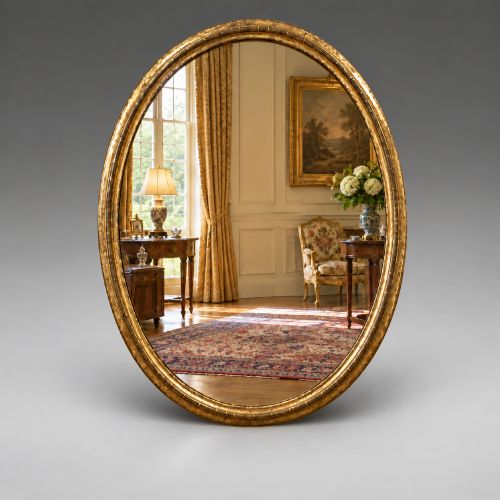
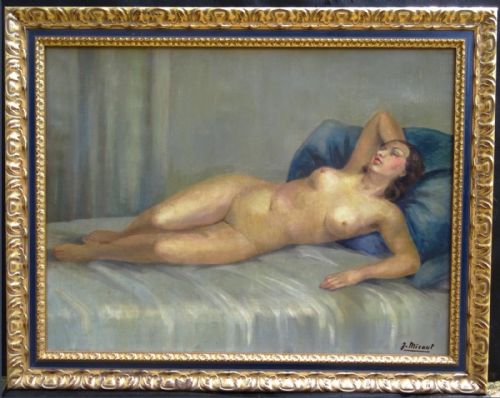
An antique french frame holds centuries of craftsmanship, surrounding mirrors, paintings, and photographs with ornate wood, gesso, and gilded detail.
Antique French Frame
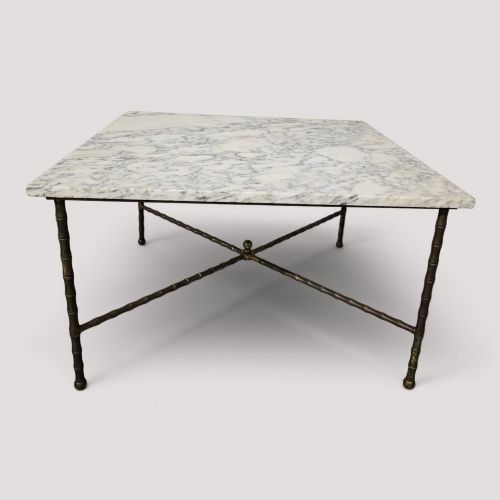
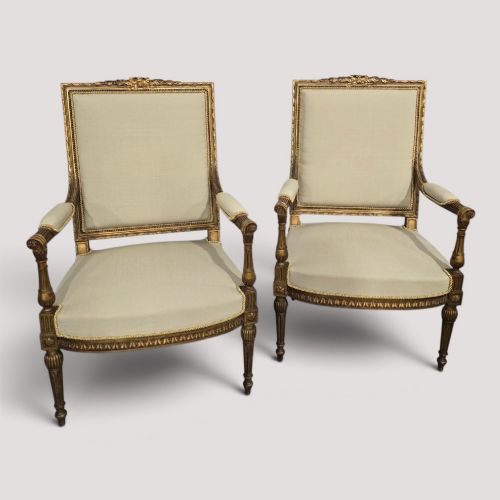
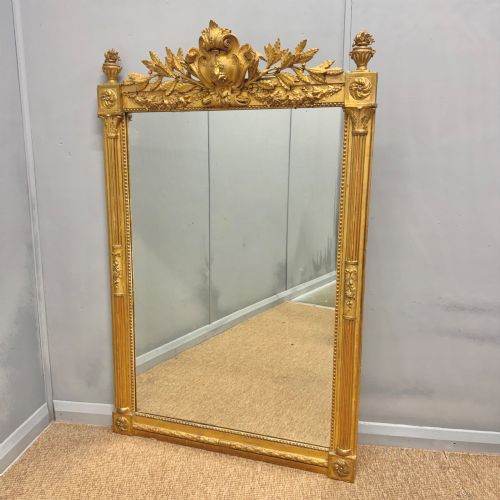
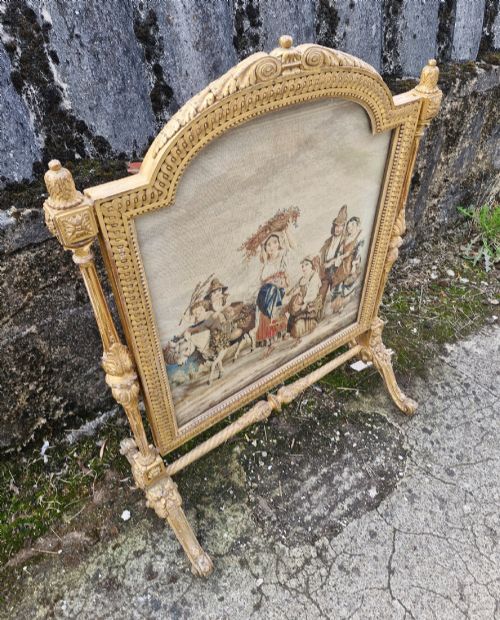
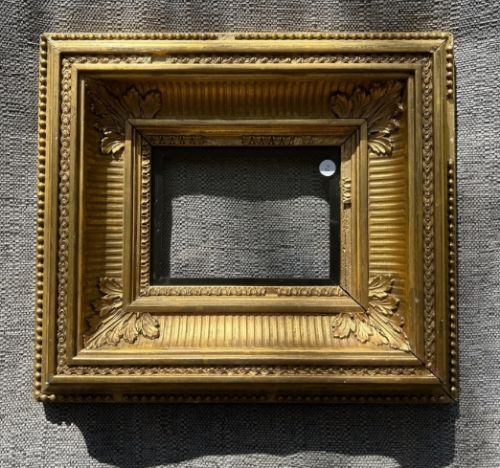
The search for an antique french frame covers a wide array of decorative objects, from grand overmantel mirrors and trumeaux to delicate picture frames and oil paintings.
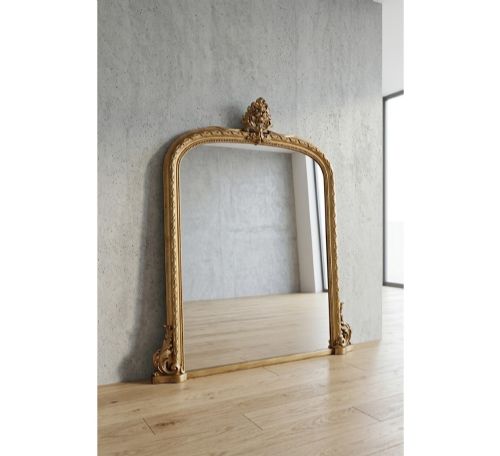
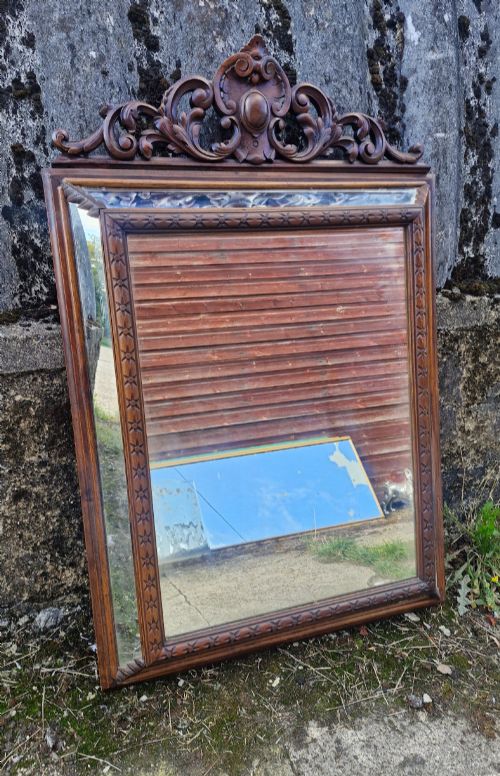
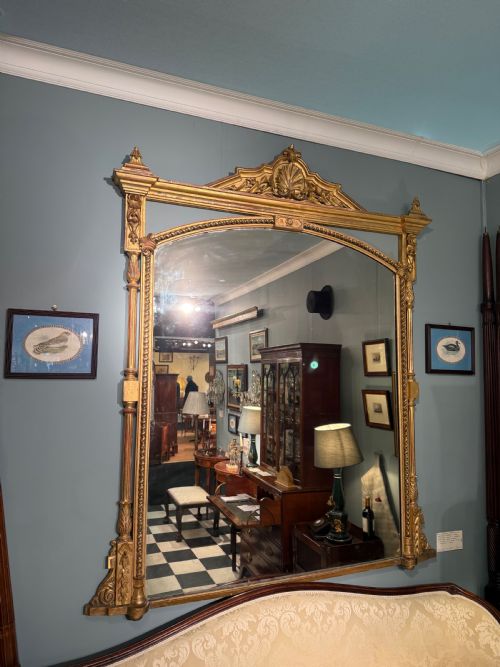
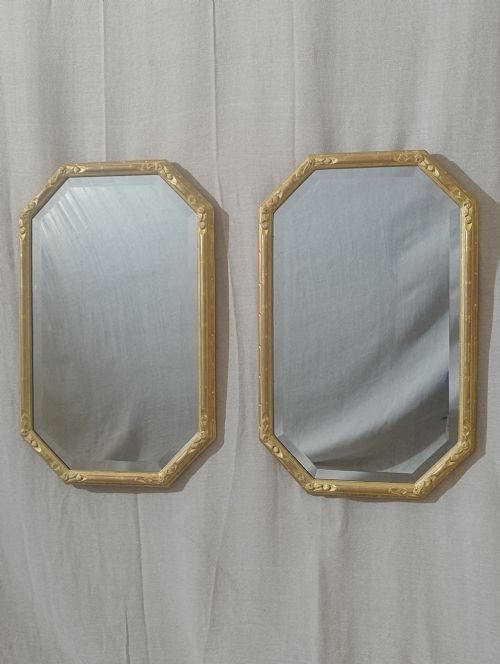
Mirrors form a large proportion of these listings, often featuring carved wooden structures enriched with gesso, ribbons, floral crests, or classical motifs.
Pieces span several centuries, with eighteenth-century examples showing rococo curves alongside nineteenth-century interpretations of earlier styles.
How they were made
Carpenters shaped timber foundations from oak, walnut, or other native woods, often carving intricate details like ribbons, leaves, and scrolls directly into the material.
Gesso, a mixture of plaster of Paris or chalk with glue, was applied to the wooden base to build up low-relief ornamentation before gilding.
Gilding involved applying thin layers of gold leaf or metal leaf over bole, while silvered finishes and mercury glass plates appear frequently in mirrors.
Cats and snails occasionally share canvas space with military officers and elegant women in eighteenth-century French school paintings.
What varies in quality
The depth and crispness of the carving dictate much of the visual merit, distinguishing hand-carved depth from softer, moulded ornamentation.
The integrity of the original surface finish, whether aged gilding, original paint, or silvering on the mirror plate, preserves the historic character of the piece.
Structural balance matters greatly in larger overmantel and pier mirrors, where sturdy joinery ensures the heavy wooden frame supports the glass safely.
Charles Antoine Coypel·Francois Boucher·Jean Mariette·Maurice Quentin de la Tour·Francois Nicolas Martinet·Georges de La Tour
The Antique French Frame Glossary
- Gesso
- A plaster-based medium applied to wood surfaces to create a smooth layer for carving or gilding. It allows artisans to shape sharp decorative details.
- Giltwood
- Timber that has been coated with thin sheets of gold leaf. This finish produces a warm, reflective surface characteristic of formal interiors.
- Trumeau
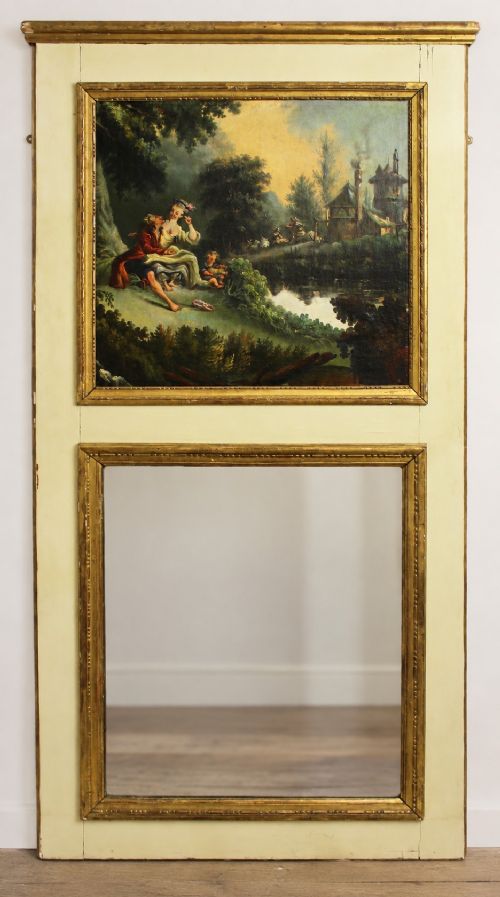
- A decorative wall mirror combined with an oil painting or panel above the glass. It originated as a permanent architectural feature in period rooms.
- Overmantel mirror
- A large mirror designed to hang specifically above a fireplace mantel. These pieces often feature arched tops and substantial carved frames.
- Mercury glass
- An early type of double-walled glass blown with a silvering mixture inside. It creates a characteristic mottled, dark reflection.
- Rococo
- An ornate artistic style marked by asymmetry, scrollwork, and natural motifs such as shells and flowers. It heavily influences eighteenth-century decorative arts.
Antique French Frame: Frequently Asked Questions
How do I date an antique french frame?
Dating relies on examining the construction methods, wood types, and decorative styles visible on the piece. Eighteenth-century examples often display hand-carved asymmetry, while nineteenth-century pieces frequently revive earlier rococo or neoclassical aesthetics with machine-assisted uniformity.
The backboards, fixings, and the composition of the gesso or mirror plate also offer reliable clues to the era of manufacture.
What is a trumeau mirror?
A trumeau mirror is a traditional French wall mirror that incorporates an oil painting, print, or carved wooden panel directly into the upper section of the frame. They were originally designed to fit the wall space between windows or above mantelpieces.
These pieces combine functional reflection with fine art, making them a focal point in period interior design.
Are these frames made of solid wood?
Most antique french frames utilise a core structure of solid timber, such as oak, walnut, or pine, which provides the necessary strength for hanging. Ornate surface decoration is typically built up using a layer of gesso moulded over the wood.
This combination allowed carvers to achieve intricate relief details while maintaining a stable underlying support.
How should I hang a heavy overmantel mirror?
Due to the substantial weight of carved wood, gesso, and thick glass plates, secure wall anchoring is essential. Overmantel mirrors require heavy-duty fixings attached directly into wall studs or masonry.
Professional installation ensures the weight is distributed evenly across the frame's structure without straining the original joinery.
What is mercury glass?
Mercury glass refers to silvered glass manufactured in the nineteenth century using a silver and mercury amassing technique poured between double-walled blown glass. Despite the name, actual mercury was often omitted in later variations.
It produces a distinctive, mottled reflection with dark spots that appeals to collectors seeking authentic period character.