
Antique French Dress Mirror
An antique french dress mirror brings architectural weight and reflective depth to a room, ranging from small vanity glasses to tall cheval plates.
Antique French Dress Mirror
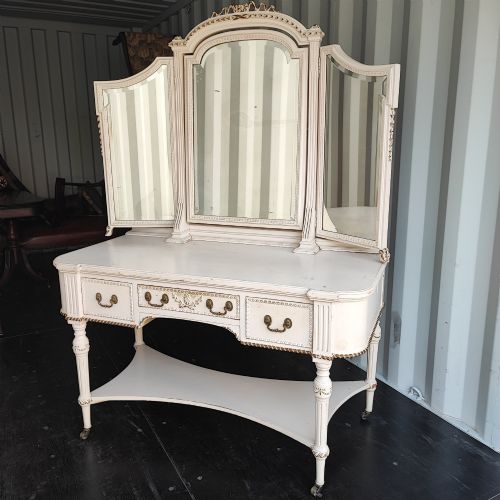
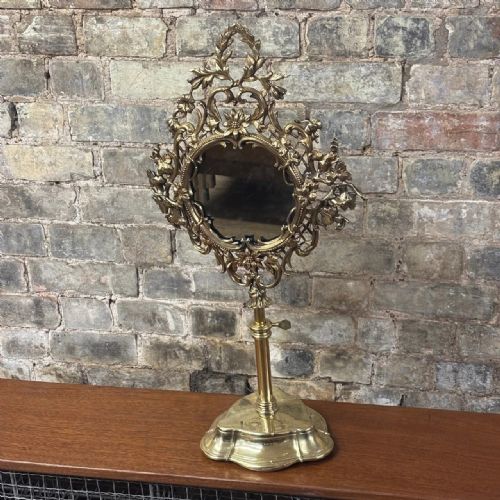
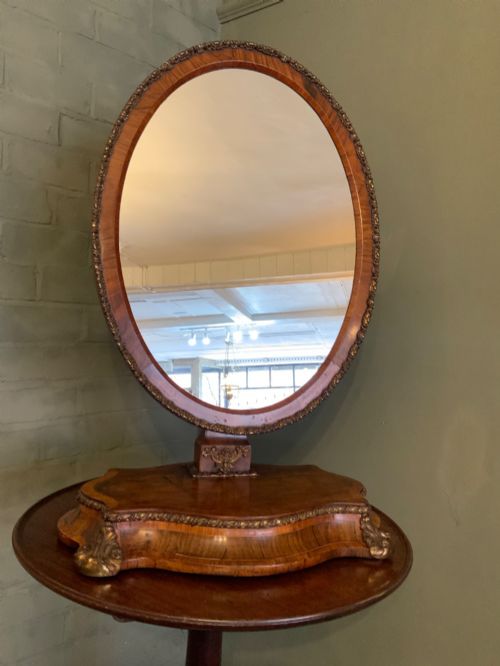
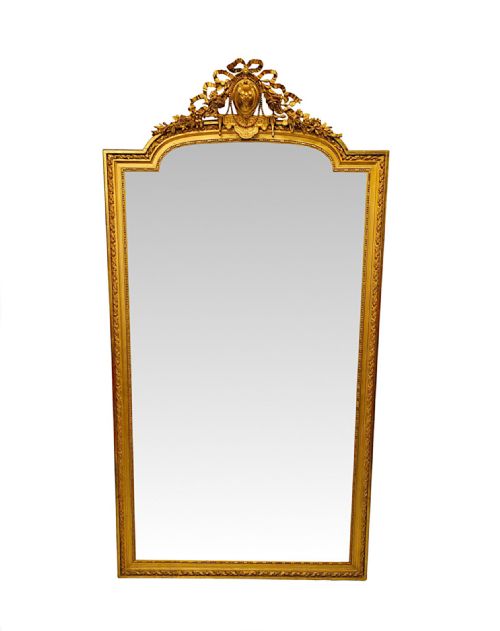
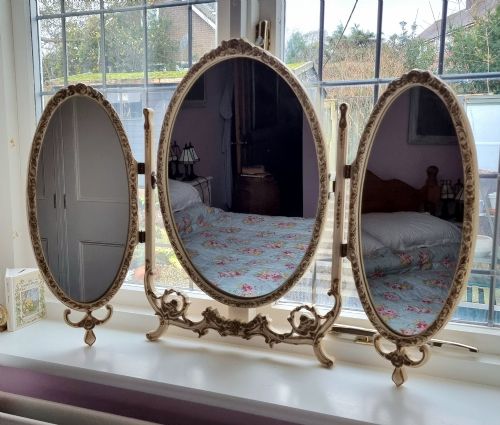
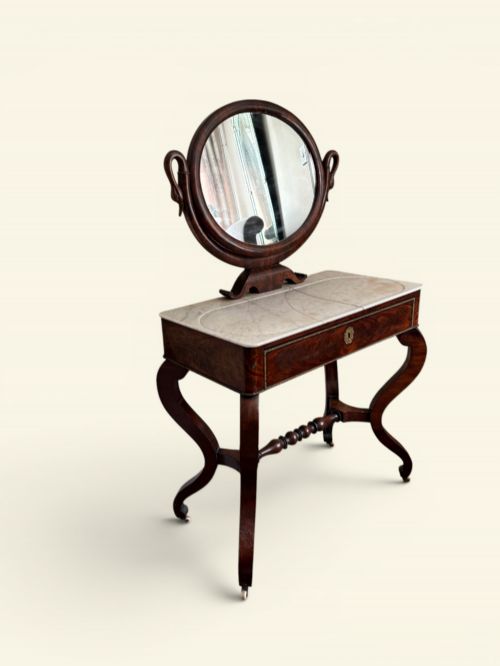
When you search for an antique french dress mirror, you encounter everything from compact table mirrors designed for a bureau to freestanding cheval glasses and full-length leaner frames. The selection on this page leans heavily into nineteenth-century pieces, spanning smaller dressing table companions with swing mirror plates up to grand architectural pier mirrors.
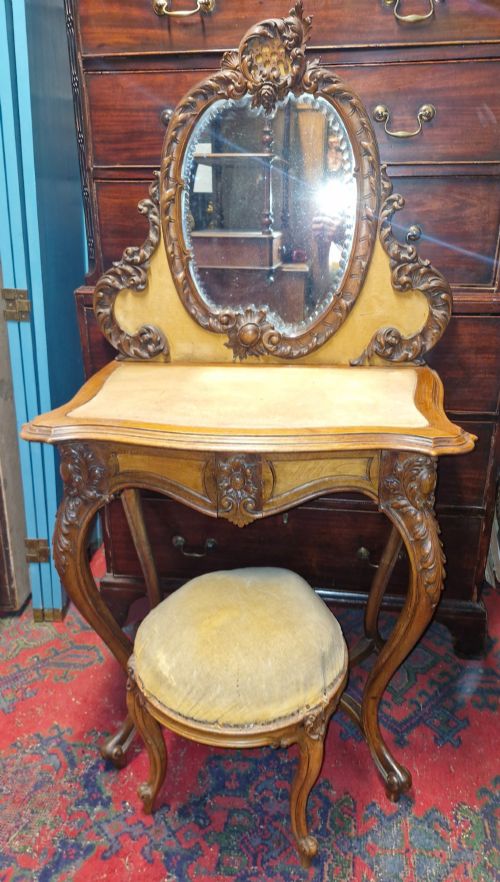
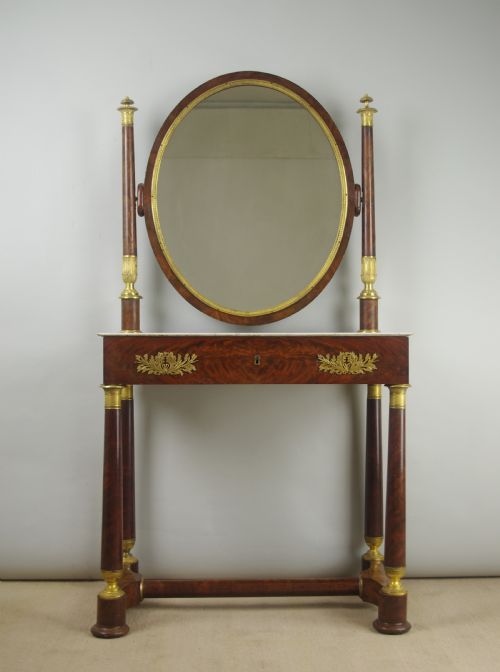
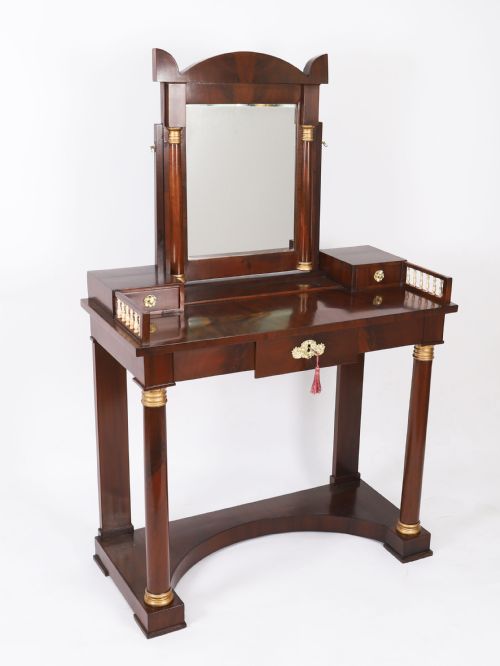
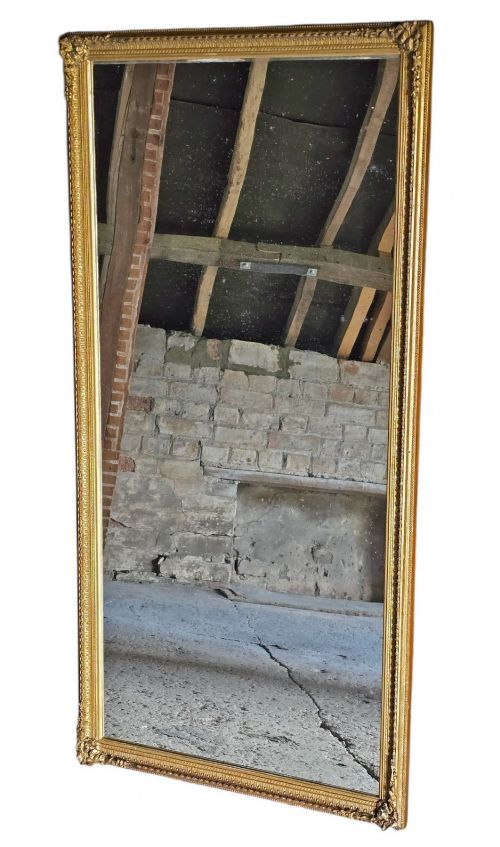
Makers and cabinetmakers constructed these mirrors to serve both practical dressing routines and decorative schemes within nineteenth-century interiors. Forms include Louis XV and XVI revival styles, Empire mahogany dressing tables with integrated mirrors, and heavy giltwood arches meant to stand on the floor or hang above a mantelpiece.
Materials and Construction
Craftsmen built the structural frames of these mirrors using hardwoods such as mahogany, walnut, and kingwood, often applying detailed carvings directly into the timber or layering gesso over wood before applying gold leaf or silvering. Ormolu mounts, cast bronze, and solid brass provide decorative accents and structural corner supports on Empire and revival pieces.
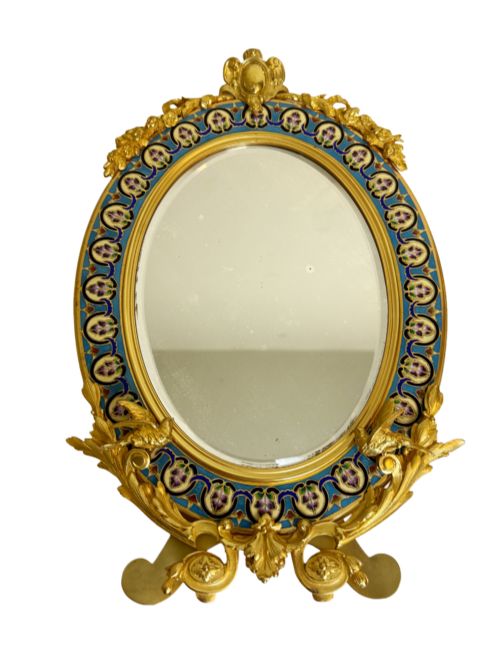
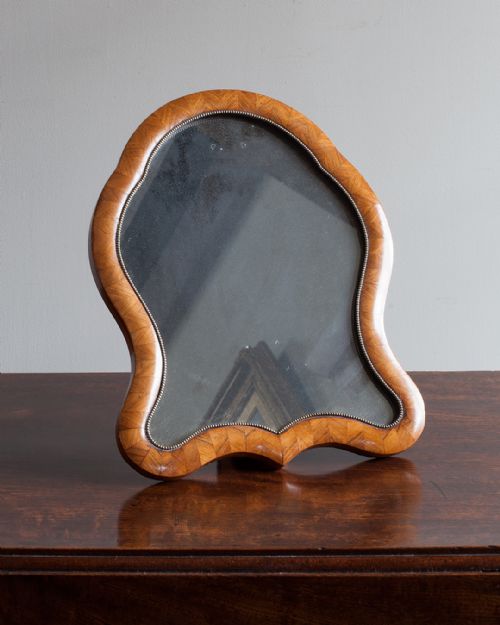
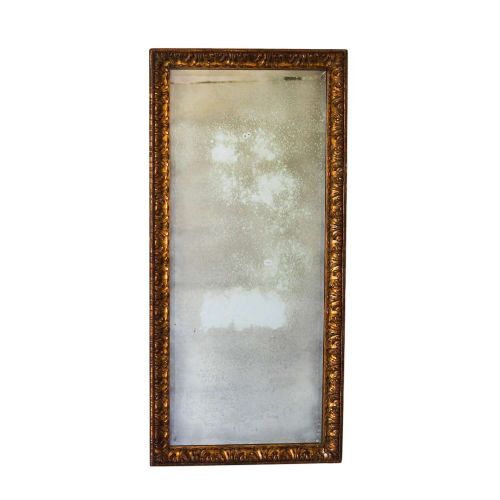
Table mirrors frequently incorporate champleve enamel and gilt bronze, while larger floor-standing cheval mirrors rely on stable timber chassis to support heavy bevelled glass plates. Original mirror plates often display characteristic foxing, reflecting the historical silvering techniques of the period.
Apprentice pieces appear alongside full-scale furniture, offering miniature chests of drawers built by aspiring cabinetmakers to prove their skill.
Assessing the Craftsmanship
The distinction between standard production and exceptional quality rests in the crispness of the wood carving and the weight of the metal mounts. Finer pieces display hand-chased ormolu and deep, undercut gesso ornamentation rather than shallow, moulded composition.
Originality of components dictates the standing of a piece, separating mirrors retaining their original bevelled glass plates and backboards from those with later replacements. The integration between the mirror frame and its supporting dressing table or swing arms reveals the original workshop standard.
Louis Auguste Moreau·Thiebaut Freres·Maples of London and Paris
The Antique French Dress Mirror Glossary
- Cheval mirror
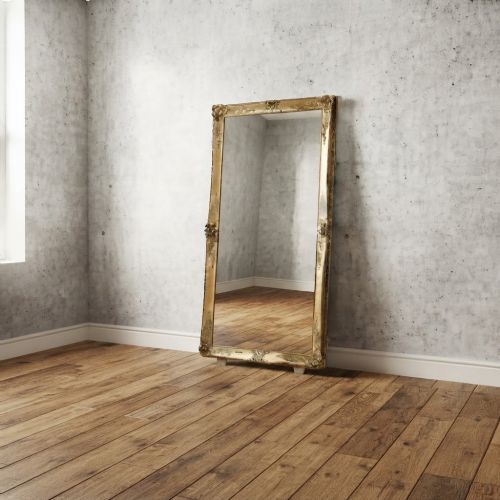
- A freestanding full-length mirror suspended in a frame that allows it to swing. This form became popular for bedroom dressing during the nineteenth century.
- Ormolu
- Gilded bronze mounts applied to furniture and mirror frames. The technique involves treating brass or bronze with a mercury-gold amalgam.
- Champleve
- An enamelling technique where troughs are dug into a metal surface and filled with vitreous enamel. It appears frequently on late nineteenth-century table mirrors.
- Gesso
- A plaster mix applied to wood frames to create a smooth surface for gilding. Carved gesso allows for crisp decorative mouldings.
- Pier mirror
- A tall mirror designed to hang on the wall between two windows, often placed above a pier table or console.
Antique French Dress Mirror: Frequently Asked Questions
How do I clean an old mirror plate?
Use a soft, dry microfibre cloth to remove dust from the glass surface without applying pressure to the edges where the silvering may be fragile.
Avoid commercial liquid glass cleaners, as moisture can seep behind the bevelled edge and accelerate the deterioration of the historic backing.
Can I hang a heavy giltwood mirror safely?
Large mirrors require wall fixings anchored directly into masonry or substantial timber studs rather than standard plasterboard fixings.
Professional mirror hangers often utilise a French cleat system to distribute the considerable weight of nineteenth-century wood and gesso frames evenly.
What is the difference between a cheval mirror and a dressing table mirror?
A cheval mirror stands independently on the floor on its own four legs or a heavily weighted base, offering a full-length reflection of an outfit.
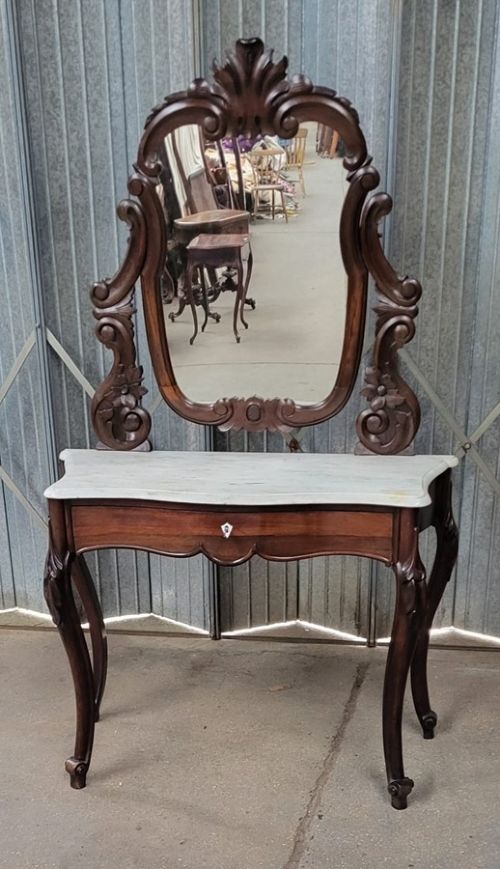
By contrast, a dressing table mirror is a smaller tabletop piece designed to sit upon a surface, featuring a swing plate supported by side arms.
How do I identify a Napoleon III mirror?
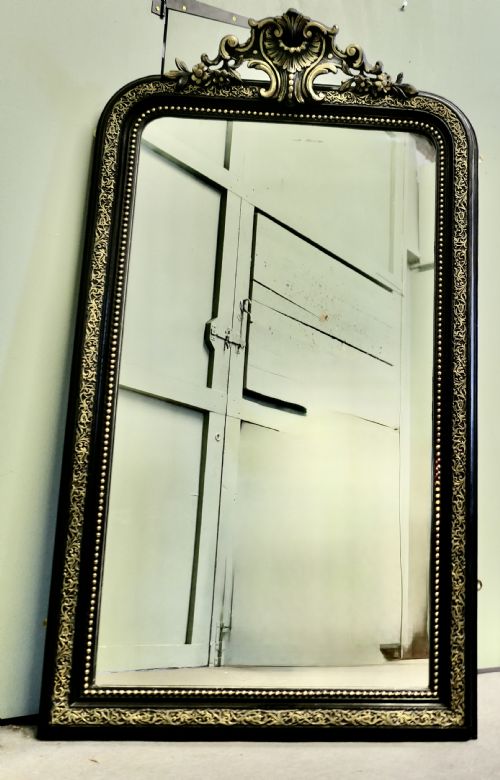
Napoleon III mirrors date from the mid to late nineteenth century and often feature bold architectural black and gold finishes, echoing earlier classical designs with a heavier Victorian influence.
They frequently incorporate rich surface decoration, including detailed gilding and ebonised wood frames intended for prominent placement in reception rooms.