


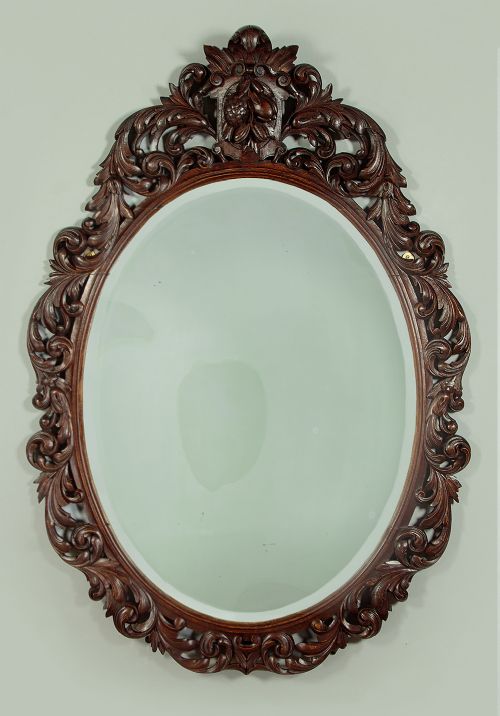
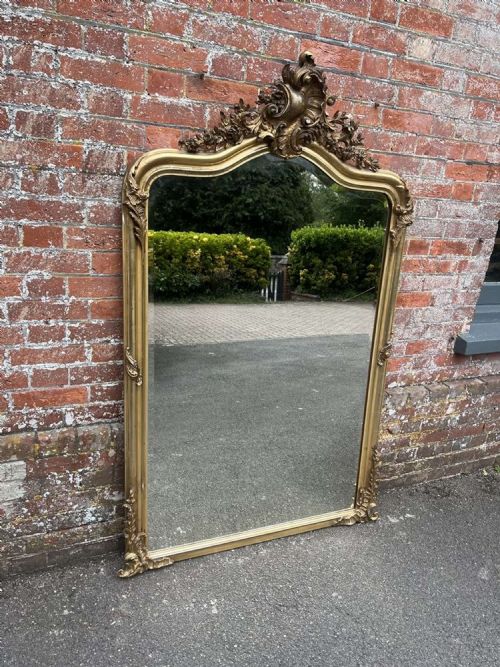
Large Vintage Wall Mirror
A large vintage wall mirror anchors a room, bringing reflective light and architectural presence through centuries of decorative tradition.
Large Vintage Wall Mirror
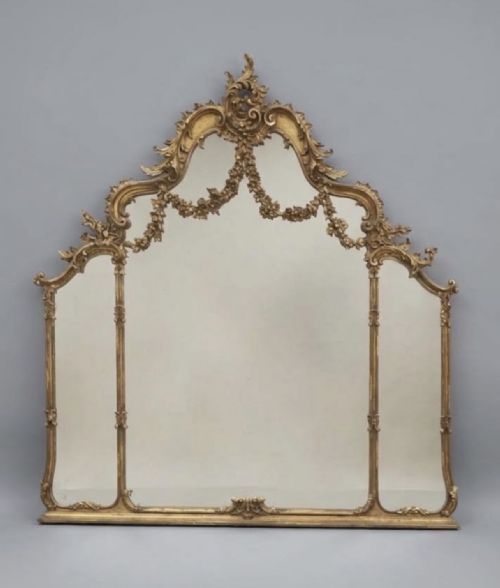
A large vintage wall mirror serves as a dominant focal point within a room, drawing the eye with generous scale and decorative framing. When searching for a large vintage wall mirror, buyers encounter grand overmantel designs, tall leaner pieces, and ornate pier mirrors originating from the nineteenth century onwards.
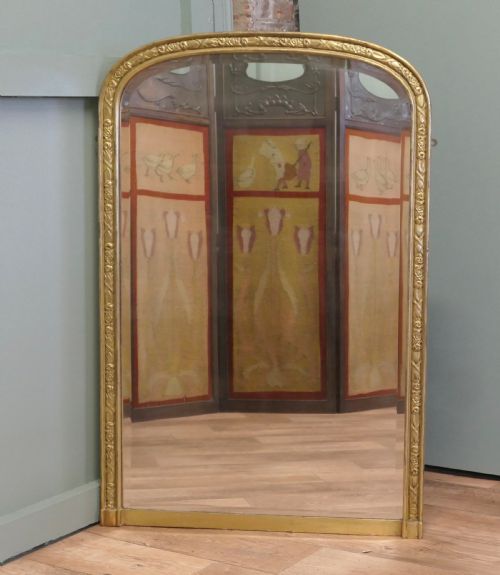
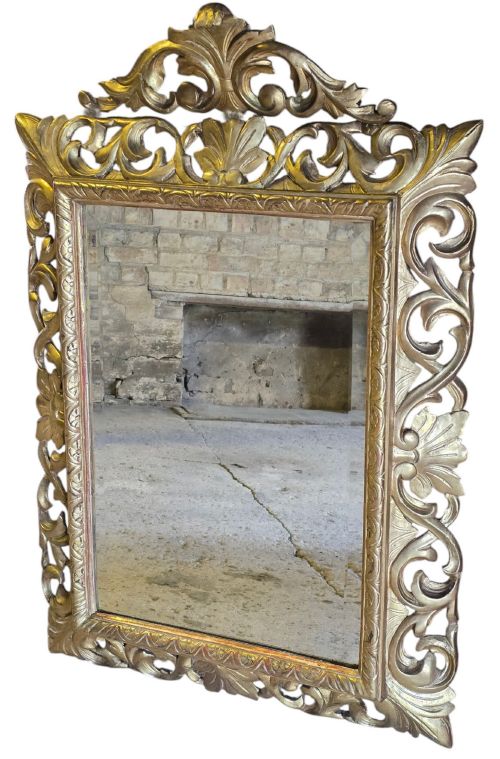
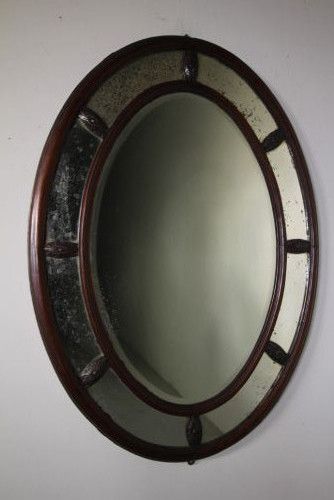
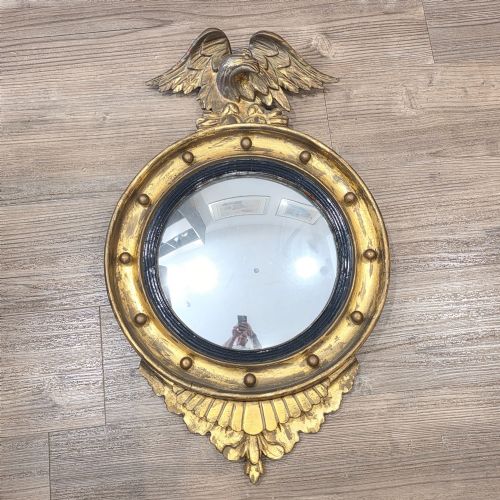
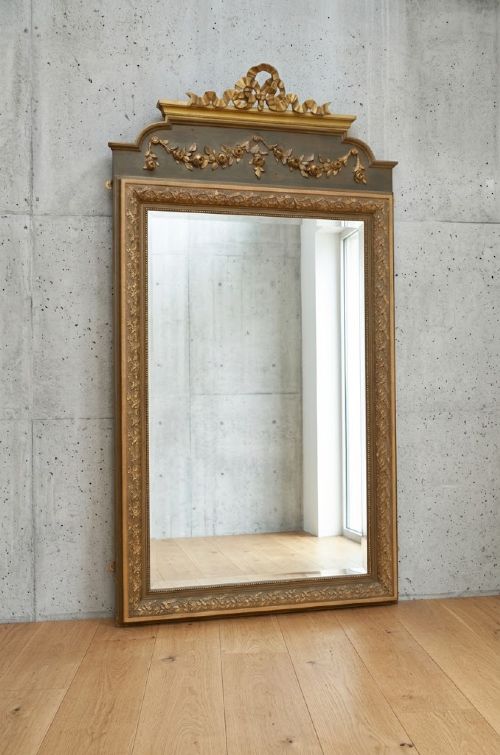
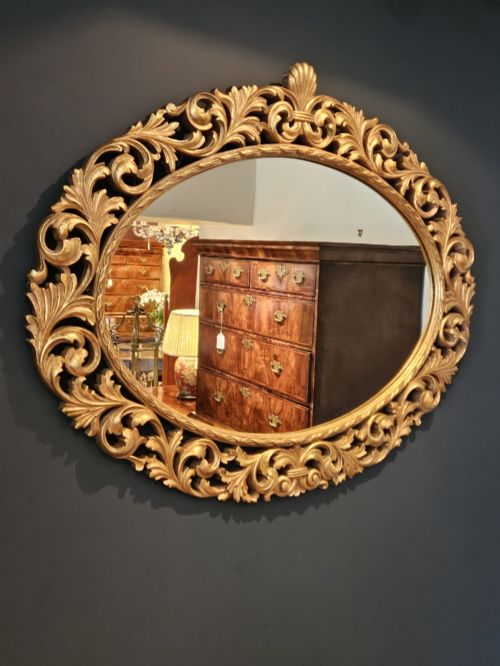
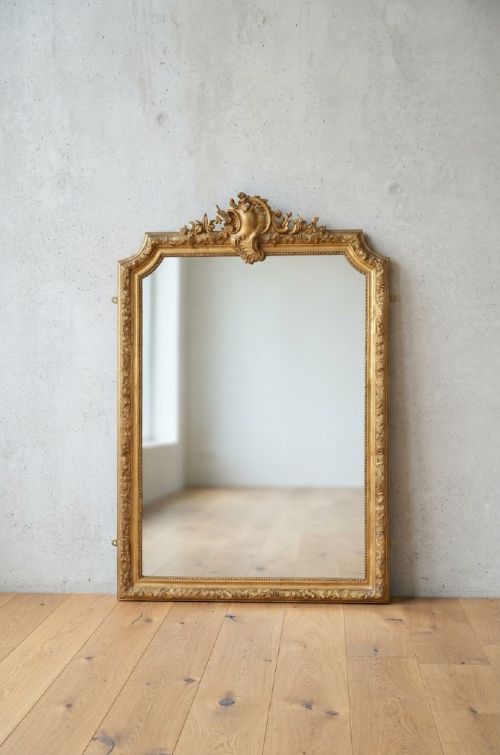
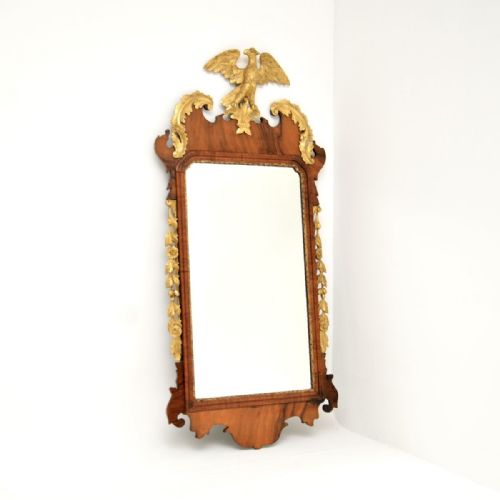
The most prevalent examples on this page are nineteenth-century French and English overmantel mirrors, alongside Edwardian and later timber-framed variations. These pieces reflect diverse aesthetics, ranging from restrained Georgian mahogany frames to elaborate Louis Philippe and Rococo Revival giltwood creations.
Originating from domestic parlours, chateaux, and country houses, these large mirrors retain their original function of expanding visual space while offering distinct period character. Their substantial proportions make them natural centerpieces above fireplaces, console tables, or along hallways.
How They Were Made
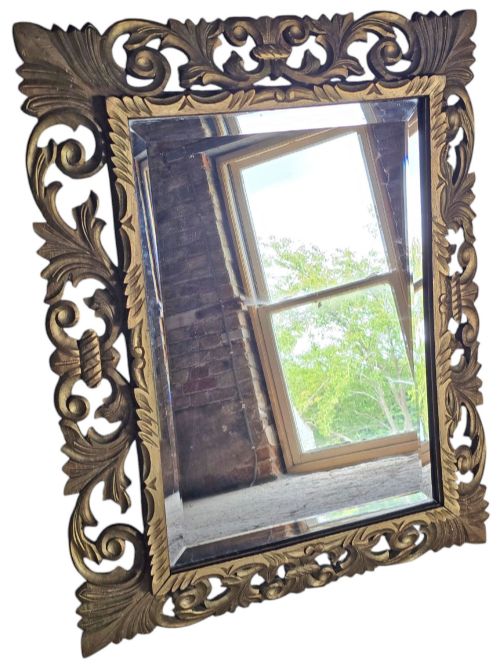
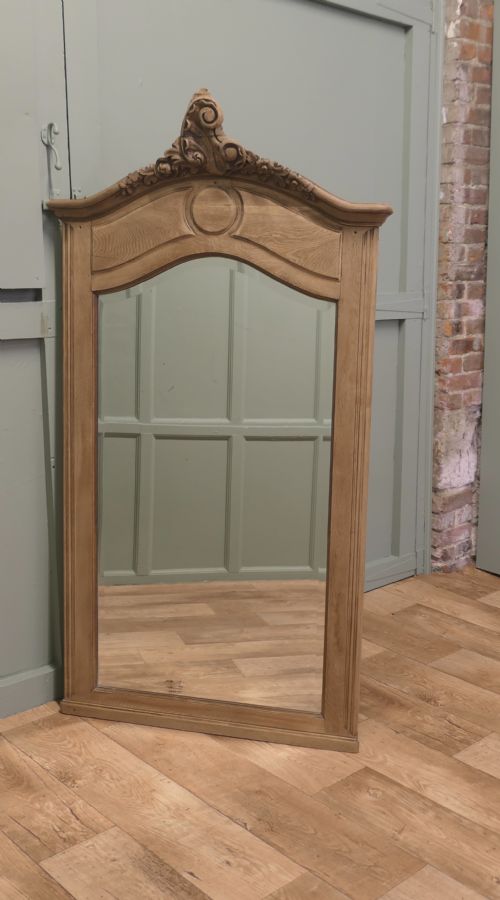
Traditional construction relies on solid timber foundations such as oak, mahogany, or carved wood, often built with substantial joinery to support heavy glass plates. Many ornate frames incorporate applied gesso moulded into intricate floral, ribbon, or scroll motifs before receiving layers of gold leaf, paint, or gilding.
Reflecting surfaces comprise traditional glass plates, occasionally displaying characteristic foxed mercury ageing or subtle distortions inherent to older manufacturing methods. Frames vary from architectural carved wood and ribbed mouldings to complex composite mouldings finished with hand-applied gold leaf or dark patination.
Period representations cover Georgian and Victorian eras through Edwardian designs and the 1920s.
What Varies In Quality
Quality reveals itself in the crispness of the carved details within the wood and gesso, where depth and hand-finished precision distinguish superior workshops from mass production. The integrity of the original gilding or surface finish, along with the retention of early or original mirror plates, dictates historical authenticity.
Structural robustness also matters, as large antique frames must support significant glass weight without distorting the mitred corners or straining the wooden carcass. Finer examples display harmonious proportions where the decorative cresting, frame width, and glass scale balance each other completely.
The Large Vintage Wall Mirror Glossary
- Overmantel mirror
- A wide mirror specifically designed to hang on the wall directly above a fireplace mantelpiece. These often feature low profiles and expansive horizontal proportions.
- Giltwood
- Timber that has been coated with a thin layer of gold leaf or metallic powder over a prepared gesso base. This technique provides a warm, reflective metallic sheen.
- Gesso
- A plaster-like mixture applied to wooden frames and carved to create raised decorative motifs before gilding. It allows for intricate sculptural detail on the mirror border.
- Pier mirror
- A tall, narrow mirror historically hung on the solid pier of wall space between two windows. They frequently extend downwards to reflect light into darker corners of a room.
- Foxed glass
- Mirror plates showing spots, browning, or mottled oxidation within the reflective backing caused by age and chemical interaction. Collectors prize this characteristic for authentic vintage appearance.
Large Vintage Wall Mirror: Frequently Asked Questions
How do I hang a heavy antique mirror?
Heavy antique mirrors require robust fixings secured directly into wall studs or masonry using substantial brackets rated for the weight. Professional installation ensures the substantial load of wood, gesso, and glass is supported safely.
Distributing the weight across multiple secure anchor points prevents strain on the original wooden frame joints and hanging loops.
What is an overmantel mirror?
An overmantel mirror is a wide format looking glass traditionally sized to fit the exact proportions of a fireplace surround. These pieces often anchor the decorative scheme of a reception room by reflecting surrounding furniture and light.
Their horizontal dominance distinguishes them from vertical dressing or pier mirrors designed for different architectural locations.
How do I clean foxed glass?
Foxed glass should be cleaned using only a dry microfiber cloth or a very mildly damp cloth without harsh chemical ammonia solutions. Aggressive cleaning agents can damage the delicate silvering or accelerate degradation of the historical backing.
Accepting the natural patina preserves the historic charm and integrity of the original nineteenth-century reflective surface.
Can I lean these mirrors instead of hanging them?
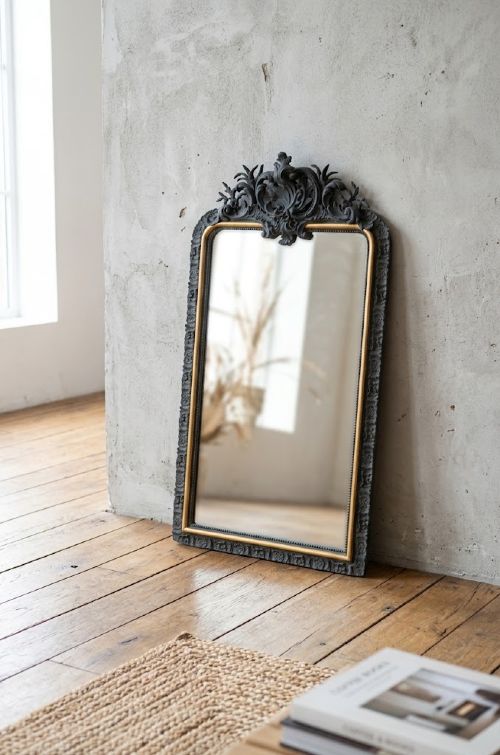
Larger formats, particularly chateau leaner styles and full-height dressing mirrors, function effectively when rested directly against the floor and wall. Securing the top frame to the wall with discreet safety brackets prevents accidental tipping.
Leaning creates a relaxed, architectural presence while accommodating pieces too monumental for standard wall fixings.