
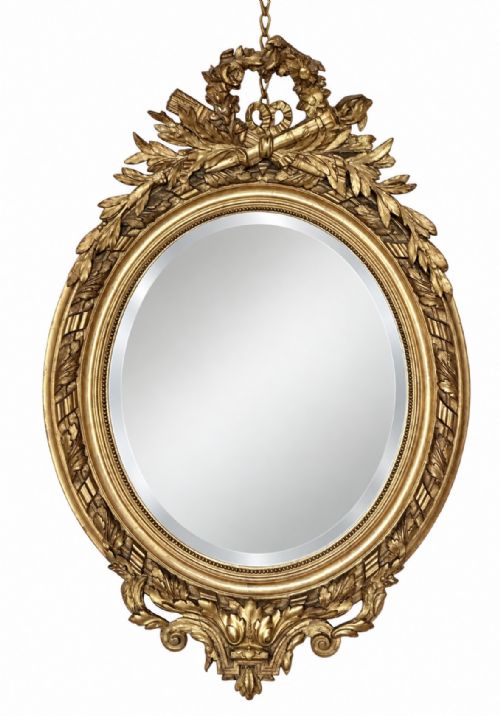
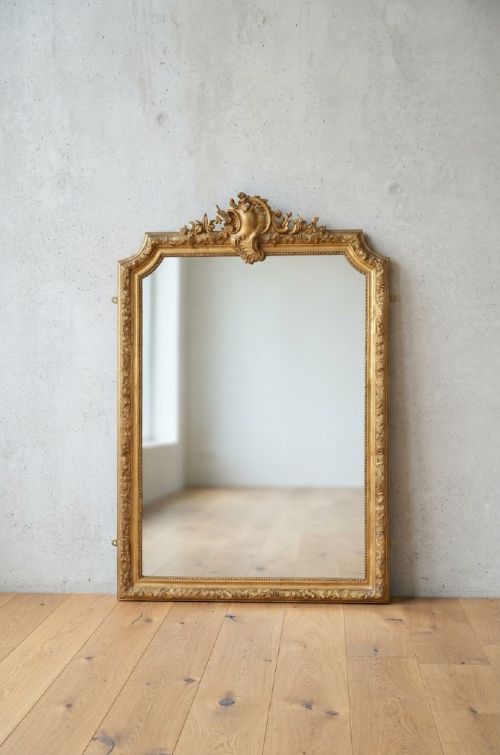
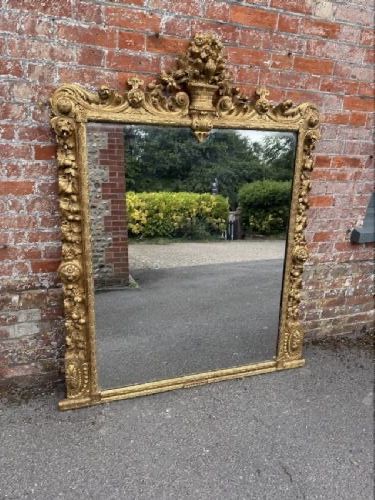
19th Century Crest Mirror
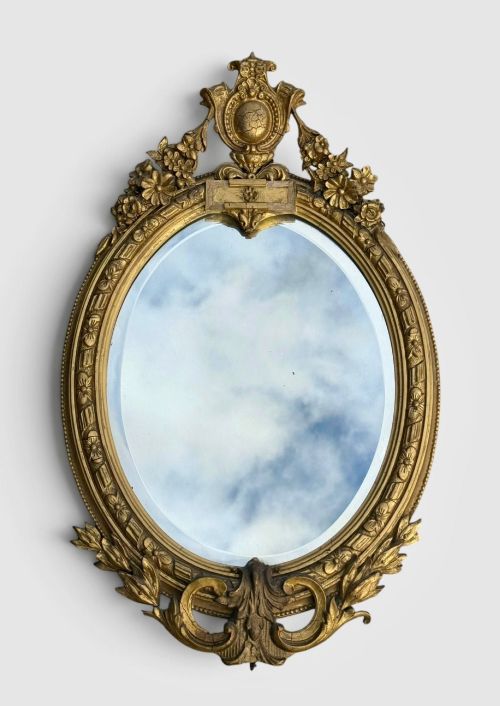
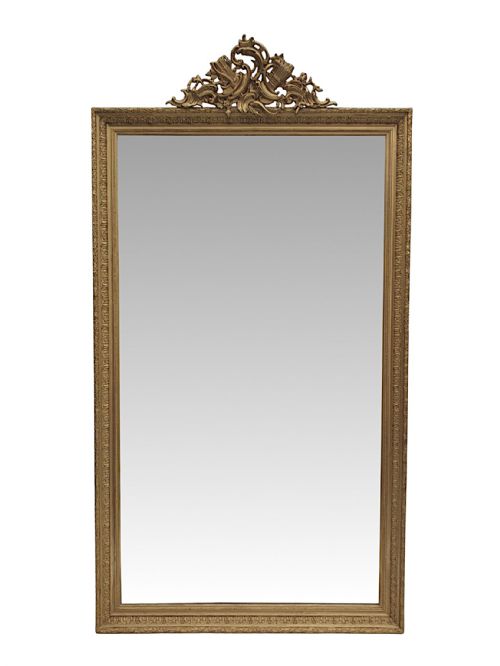
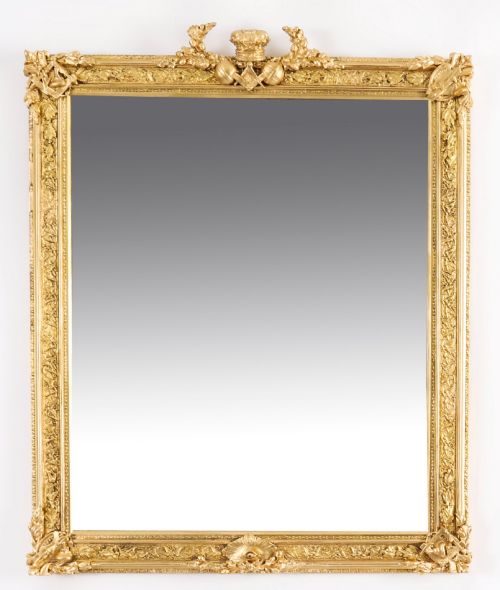
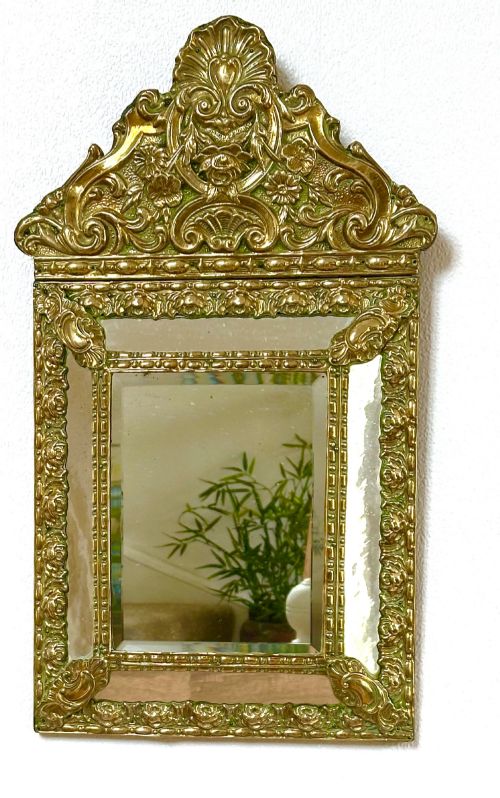
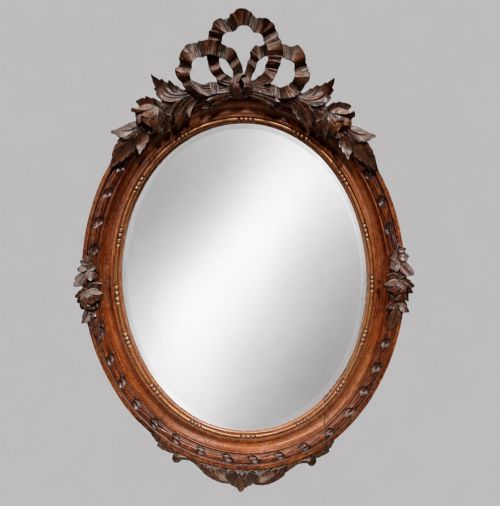
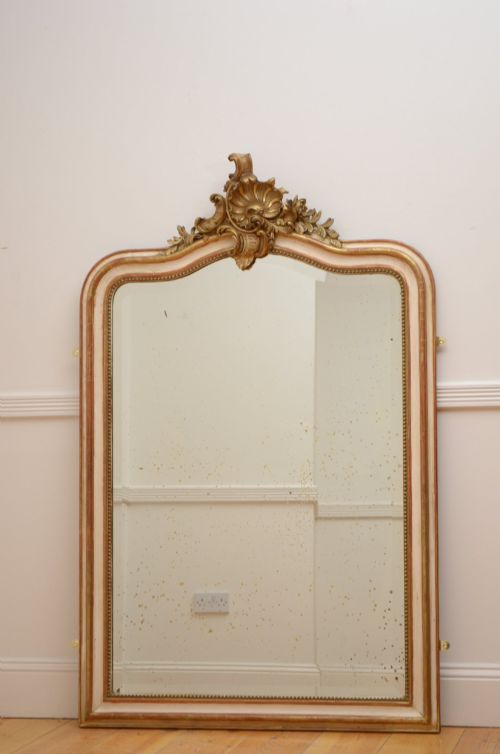
A 19th century crest mirror brings dramatic height and sculptural detail to a room, drawing the eye upwards with an elaborate architectural or floral cartouche.
19th Century Crest Mirror
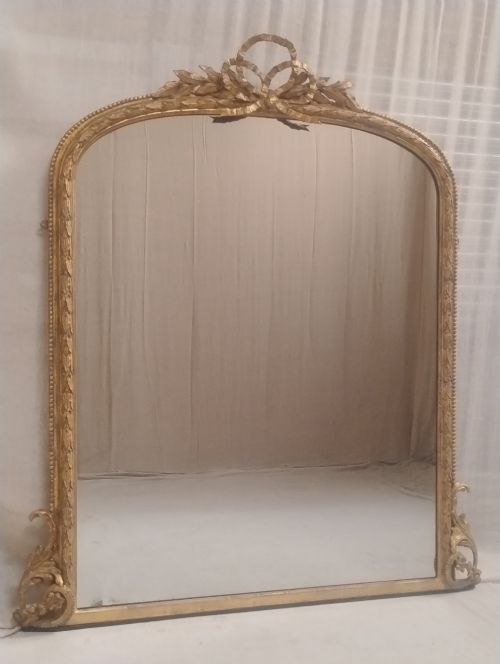
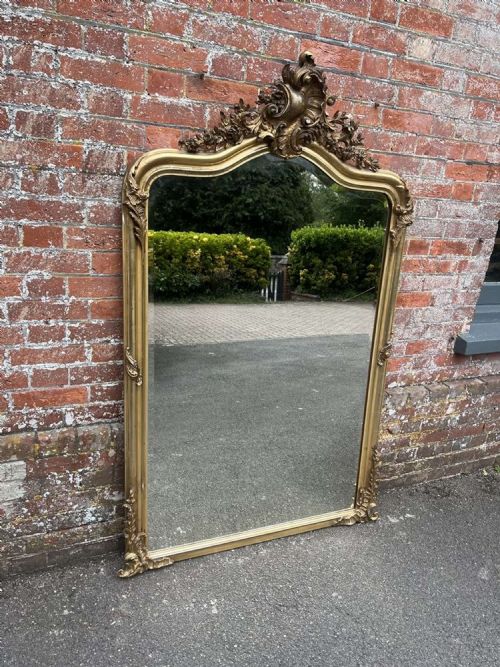
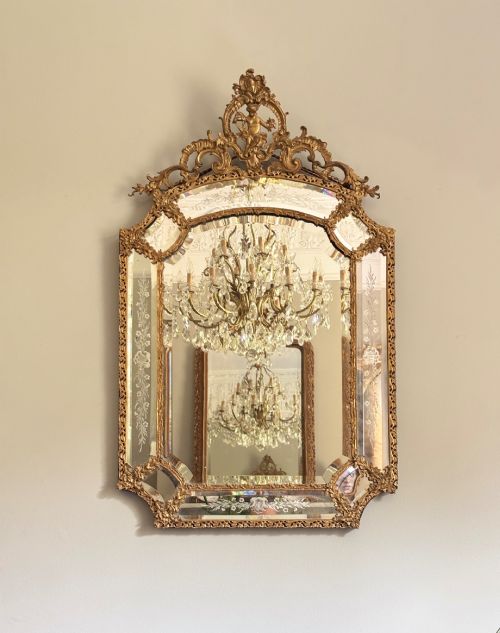
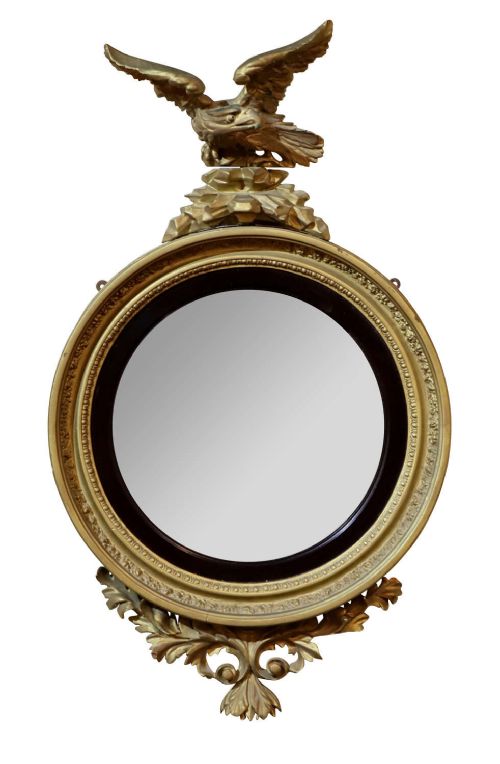
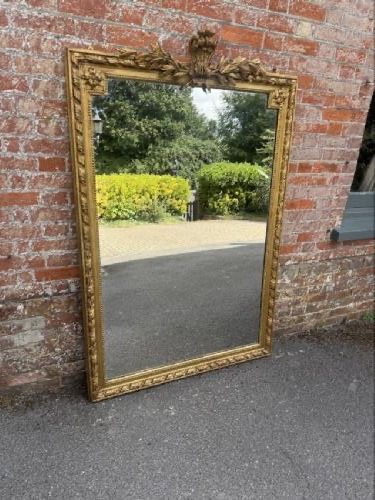
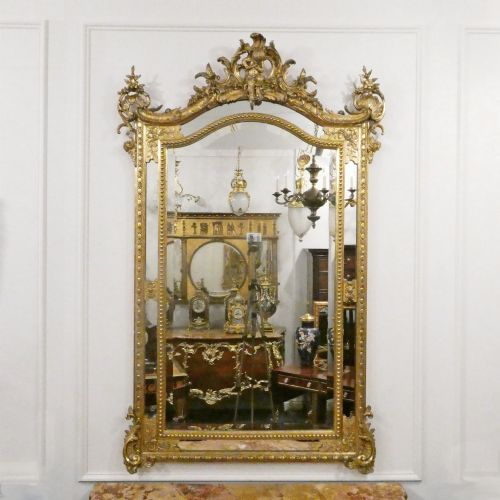
When searching for a 19th century crest mirror, buyers encounter grand overmantels, tall wall mirrors and French chateau styles defined by an ornate upper decorative element. These pieces emerge primarily from Victorian, Regency and French 19th century periods, spanning forms such as pier mirrors, convex roundels and arched wall hanging frames.
The visual weight of these items rests in the carved ornament crowning the glass, often featuring floral arrangements, urns, dragons or classical cartouches. Surviving examples reflect diverse origins from English workshops to Venetian and French ateliers, frequently finished in rich gold leaf or painted treatments.
Materials and Construction
Makers built the foundational frames of these mirrors using carved wood, frequently applying layers of gesso to build up intricate relief ornament before gilding with gold leaf or painting. Composition material also served to mould complex decorative motifs and crests efficiently onto the wooden armature.
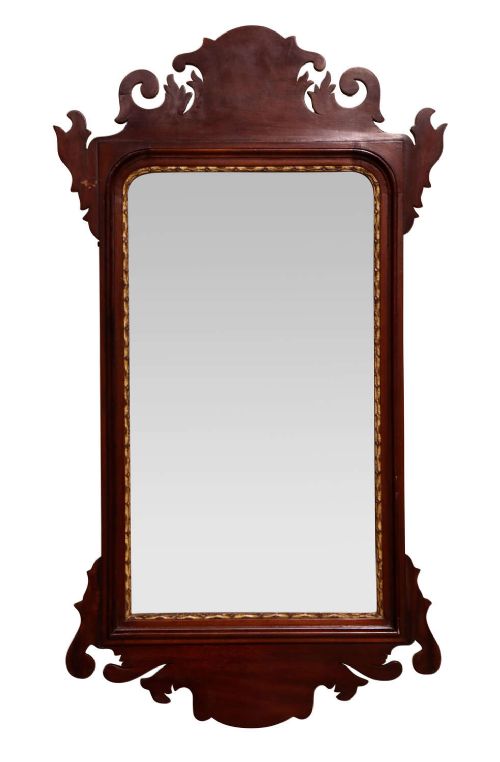
Glazing typically involved mirror glass, occasionally taking the form of convex plates or bevelled edges set within carved giltwood, ebonised or mahogany structures.
Among the creatures guarding these frames, fierce dragons occasionally peer down from the crests of French wall mirrors.
Assessing the Standard
The standard of a crest mirror depends heavily on the crispness of the hand-carving in the wood and gesso versus moulded composition shortcuts. Depth and detail in the upper crest ornamentation distinguish standard decorative pieces from finer sculptural examples.
The preservation of original gilding, silvering or paint surfaces, alongside the retention of period mirror glass, marks the difference between well-maintained originals and heavily altered items.
Gillows Of Lancaster
The 19th Century Crest Mirror Glossary
- Crest
- The decorative upper ornament mounted above the main mirror frame, often carved with floral, urn or mythological motifs.
- Gesso
- A plaster-like mixture applied to wood frames and carved or moulded to receive gold leaf or paint finishes.
- Overmantel mirror
- A wide mirror designed specifically to hang above a fireplace mantelpiece.
- Convex mirror
- A round mirror featuring a curved, outward-bulging glass plate that offers a wide-angle reflection of the room.
- Pier mirror
- A tall, narrow mirror traditionally hung on the wall space between two windows.
19th Century Crest Mirror: Frequently Asked Questions
Where should I hang a crest mirror?
These mirrors traditionally find a place above a mantelpiece or anchor the wall space in a hallway or drawing room, where their height fills vertical proportions.
The prominent upper crest requires adequate wall clearance to let the carved detail stand out without obstruction.
How do I identify a French 19th century mirror?
French pieces from this era frequently exhibit Louis XV or Louis Philippe styling, incorporating arched tops and delicate floral or scrollwork crests.
They often utilise gesso over carved wood, sometimes retaining original painted finishes rather than traditional gold leaf.
What is a convex mirror used for?
Regency convex mirrors provided servants with a wide-angle view of a dining room or parlour to monitor activity from a single vantage point.
The curved glass plate captures a miniature panoramic reflection of the entire interior space.
Are the mirror plates original?
Many surviving pieces retain their original mirror glass, which can exhibit light foxing, minor speckling or darkening appropriate to age.
Replacement glass appears in some pieces where the original plate suffered degradation over the decades.