

Antique French Copper
Antique French copper brings warmth and substance to domestic spaces through centuries-old metalwork designed for practical kitchens and grand chateaux.
Antique French Copper
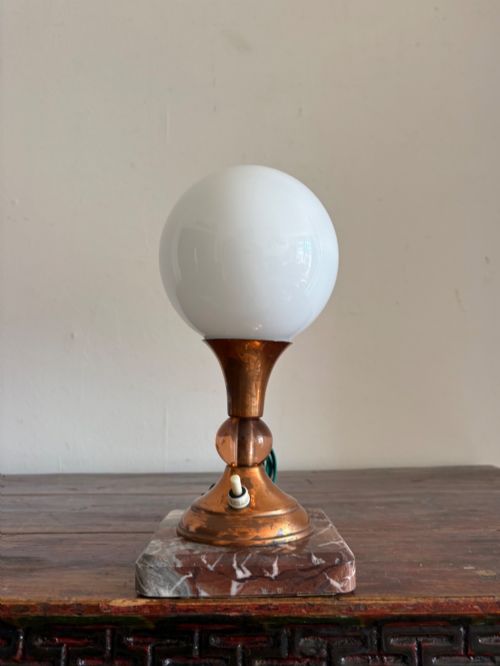
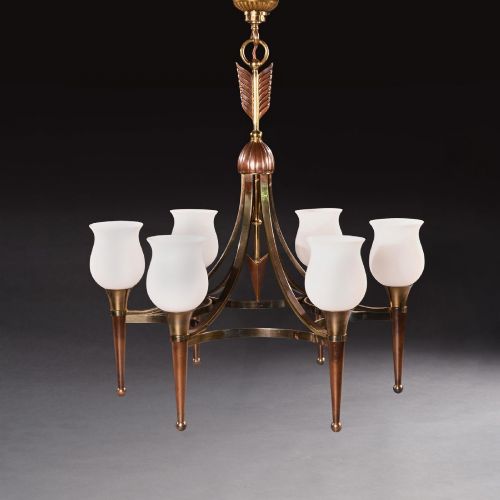
Buyers seeking antique French copper encounter a diverse selection of utilitarian kitchenware, decorative vessels, and lighting fixtures spanning from the eighteenth century to the mid-twentieth century.
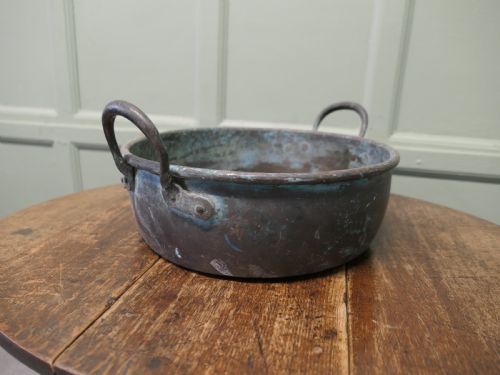
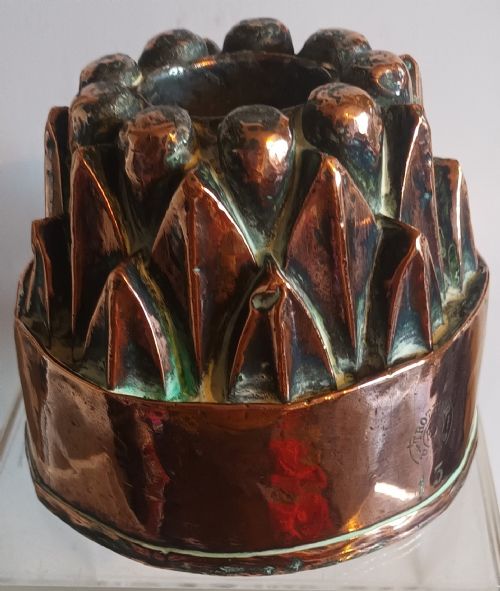
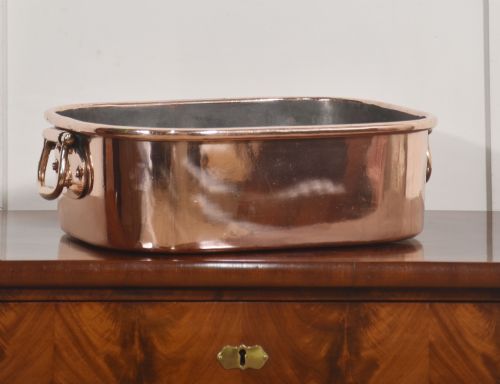
Domestic pans, preserving vessels, and grape hods dominate the available forms, reflecting the heavy-duty agricultural and culinary origins of the metalwork.
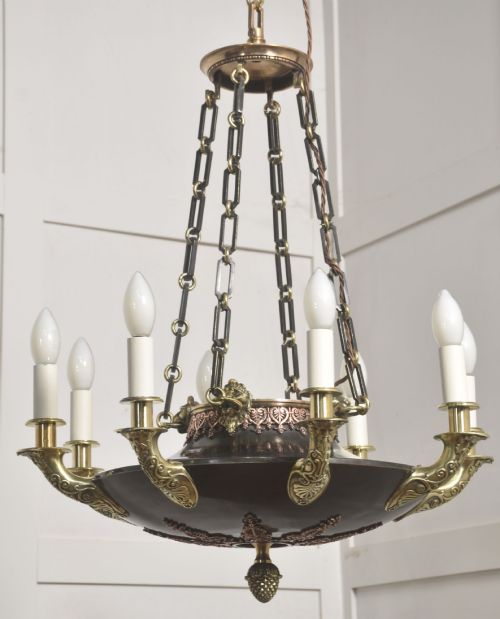
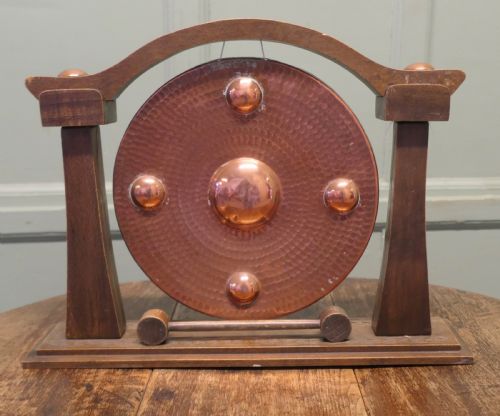
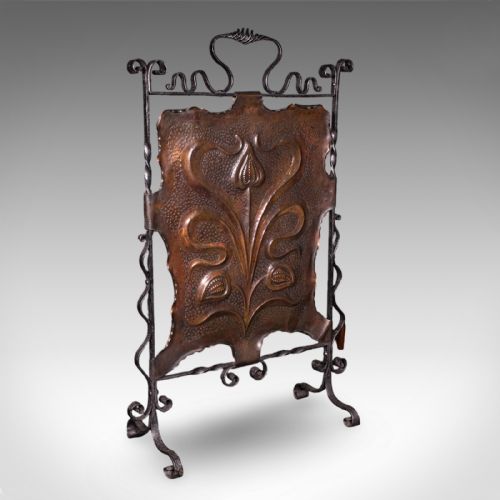
Stylistic influences range from simple provincial forms to ornate Art Nouveau motifs, empire revivals, and Arts and Crafts designs.
Materials and construction methods
Heavy gauge copper sheets formed the primary body of these objects, often joined with dovetail seams, hammered finishes, and reinforced iron or brass handles.
Secondary materials such as brass, iron, enamel, and glass frequently appear in handles, hinges, lids, and decorative mounts to provide structural strength and contrast.
Listings feature items spanning the 18th century, Victorian era, and the Art Nouveau period through to the 1950s.
Assessing quality in metalwork
Substance and thickness determine the calibre of the vessel, with heavier gauge metal indicating utility for sustained kitchen use rather than decorative display.
The precision of hand-hammered work, dovetail jointing, and original brass fittings distinguish superior workshop production from standard commercial output.
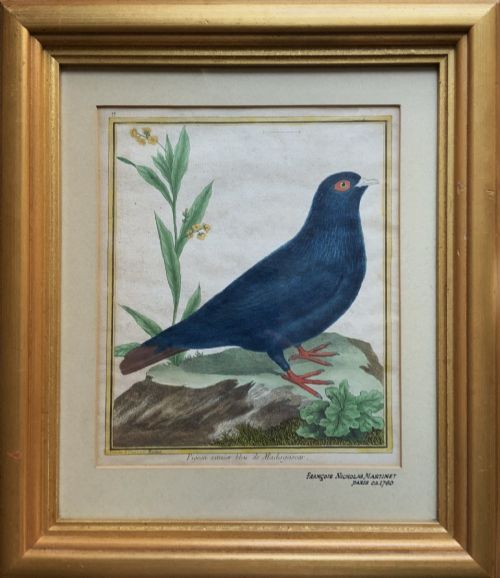
François-Nicolas Martinet·Maison Jansen·Andre Arbus·Tahan of Paris·Trottier
The Antique French Copper Glossary
- Ferrat
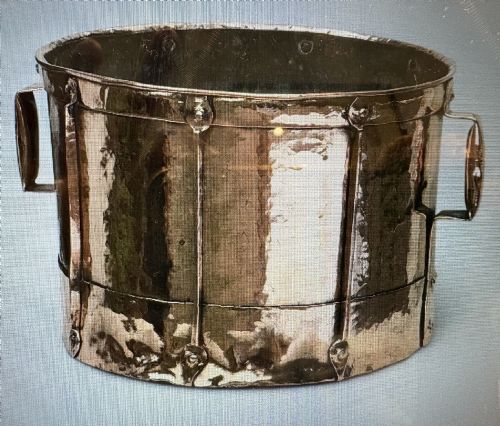
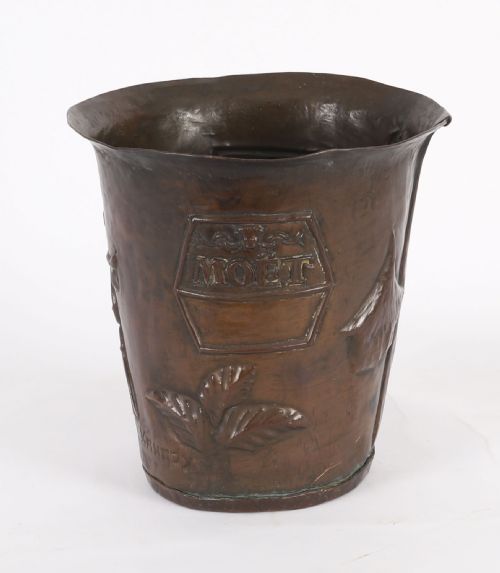
- A traditional French measure or vessel form typically utilised for grain or liquids in agricultural settings. These objects display characteristic cylindrical proportions and sturdy handles.
- Limoges enamel
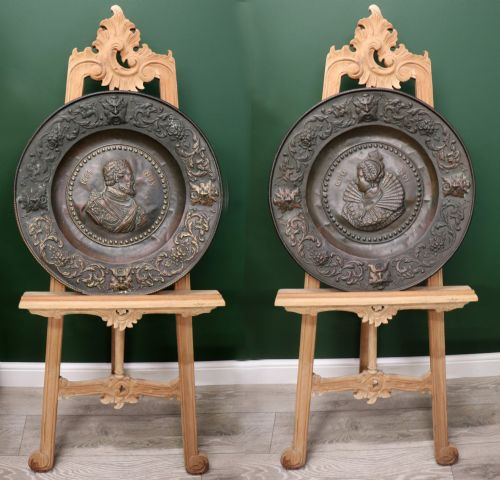
- A specialised decorative technique applied to copper plaques where vitreous enamel is fused by heat. Such pieces often depict detailed portraits or historical scenes.
- Grape hod
- A large, curved copper container traditionally carried during the harvest to collect grapes. Their distinctive shape makes them sought after for fireside log storage.
- Preserving pan
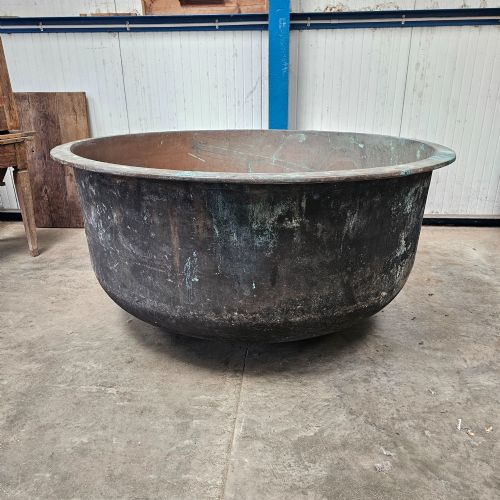
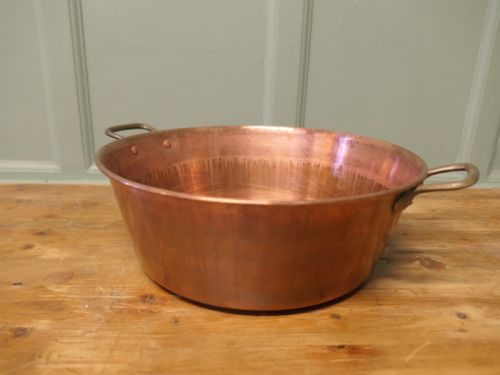
- A wide-rimmed bowl designed for boiling fruit and sugar, constructed from thick copper to distribute heat evenly. They frequently feature heavy iron or brass handles for lifting.
Antique French Copper: Frequently Asked Questions
How do I clean antique copper?
Maintain the surface gently by removing dust with a soft cloth rather than pursuing a bright, polished finish. Many collectors prefer to leave the natural patination and verdigris accumulated over decades untouched.
Avoid abrasive commercial cleaners that strip away the historical surface character. Mild soapy water dried thoroughly remains the safest method for routine care.
Were these pans used for cooking?
Most antique copper pans and preserving vessels served practical culinary roles in domestic or institutional kitchens. Their heavy metal construction allowed for precise temperature control during food preparation.
Over time, many of these utilitarian items transitioned into decorative display pieces within country houses and provincial interiors.
How do I date antique copper?
Examine the construction methods, such as the transition from hand-beaten dovetail seams to later machine-rolled joints. Form, style markers like Art Nouveau curves, and maker stamps or town marks also provide chronological clues.
Comparing the wear patterns and handle attachments helps place pieces within specific periods ranging from the eighteenth century onwards.
Can I use old copper outdoors?
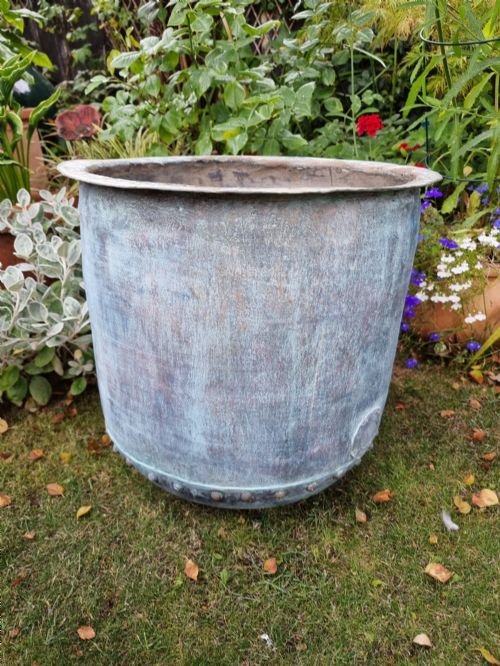
Certain forms like garden display pots, troughs, and cauldrons suit outdoor placement due to their robust metal construction. Exposure to the elements naturally deepens the verdigris surface coating over time.
Protect delicate items featuring enamel plaques or intricate brass mounts from harsh weather conditions to preserve their structural integrity.