







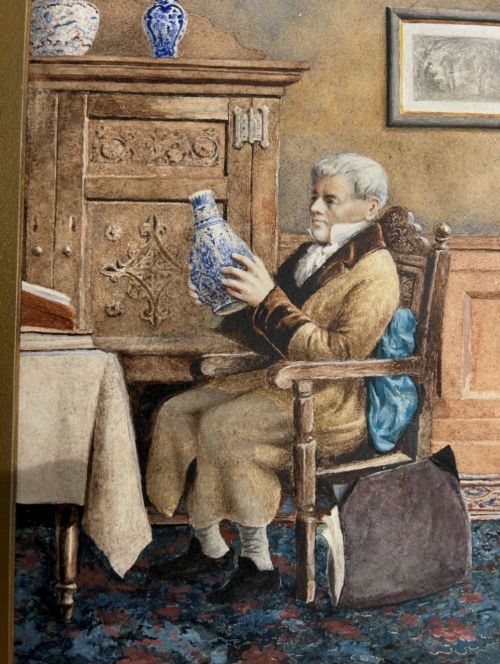
Antique Framed Watercolour
When you search for an antique framed watercolour, you are looking at original paintings on paper held inside period wooden or gilded surrounds.
Antique Framed Watercolour
An antique framed watercolour brings together hand-painted paper works and their original protective housings, spanning the eighteenth century through to the early twentieth century.
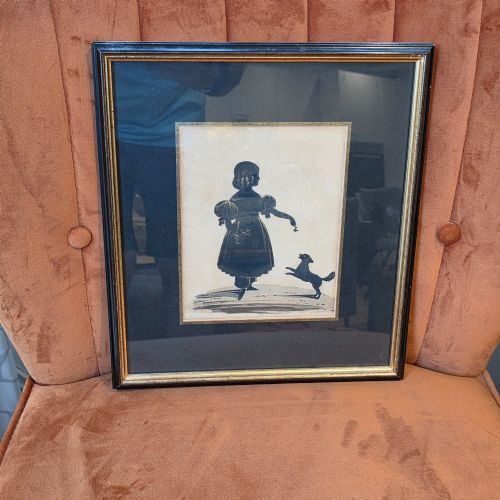
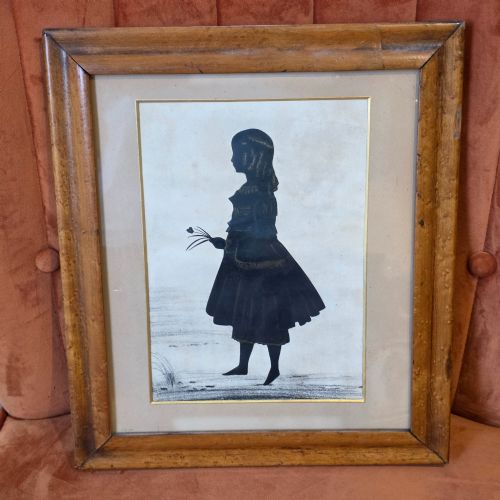
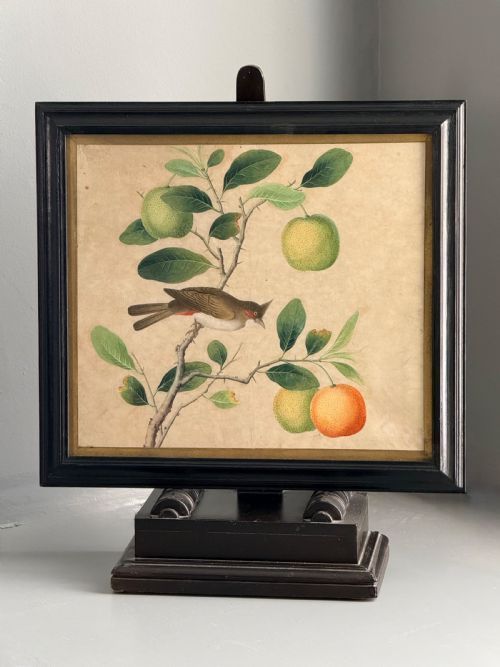
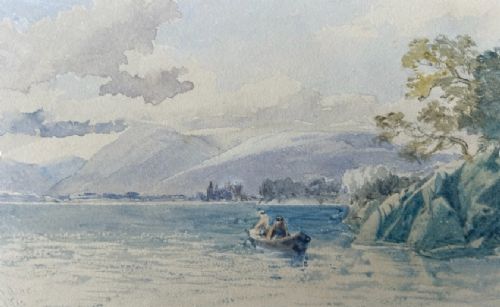
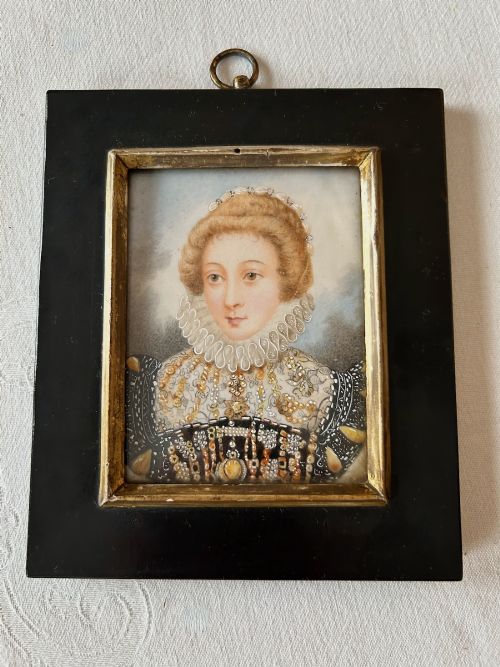
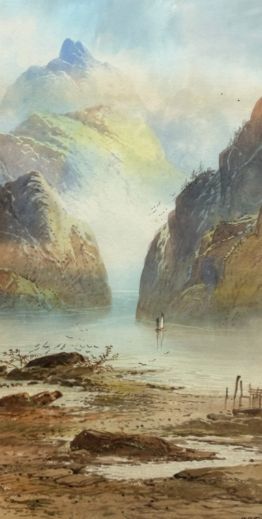
The category encompasses diverse subjects including maritime scenes, Scottish and Welsh landscapes, botanical studies, and portrait miniatures.
Buyers will encounter Victorian and Edwardian examples most frequently, often featuring the signatures of British artists who worked in plein air or studio settings.
Materials and construction
Artists applied water-soluble pigments onto absorbent paper or pith paper, sometimes combining washes with cut-paper silhouettes or bodycolour highlights.
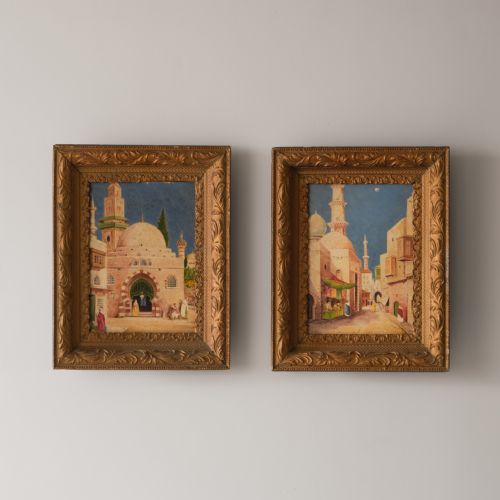
Framing utilised traditional timbers such as wood and rosewood, frequently enhanced with gold leaf or giltwood mouldings to complement the artwork.
Glazing protected the delicate water-soluble pigments from atmospheric moisture and handling over the centuries.
Antique Framed Watercolour Retail Price Guide 2026
Typical asking prices for framed watercolour among the pieces listed under this phrase on Sellingantiques today, from the lower quarter to the upper quarter. They describe what is for sale here now, not the wider market.
Listings feature paper, glass, and watercolour supported by wood, giltwood, and gold leaf across the eighteenth, nineteenth, and early twentieth centuries.
Assessing quality
The strength of the composition and the confidence of the brushwork distinguish superior works from more formulaic productions.
Original matching frames that retain their historic gilding and glass contribute significantly to the integrity of the piece.
The preservation of the paper support, with minimal fading of pigments, marks the difference between standard decorative examples and accomplished fine art.
William James Hubard·George Fotherly Hargitt·Thomas Miles Richardson Jnr·James Orrock·Sir James Dromgole Linton·Percy Lancaster·John Hassall·Charles Shirreff·John E Aitken
The Antique Framed Watercolour Glossary
- Gouache
- An opaque watercolour paint made by mixing pigments with a water-soluble binding agent and white filler. It produces a heavier, more solid colour finish than standard transparent watercolour.
- Pith paper
- A traditional Asian material formed from the spongy interior of the tetrapanax papyrifer plant. It accepts delicate watercolour washes with distinctive luminous depth.
- Portrait miniature
- A small, highly detailed painting executed on a small scale, often depicting a specific individual. These works frequently demand exceptional precision from the artist.
- Giltwood
- Timber carved and coated with a thin layer of gold leaf or metallic powder. It provides a reflective, ornate border for formal nineteenth-century pictures.
- Provenance
- The documented history of a painting's ownership and origin. It helps verify attribution and authenticity.
Antique Framed Watercolour: Frequently Asked Questions
How should I hang an antique watercolour?
Keep these works away from direct sunlight to prevent the pigments from fading over time. Maintain a stable room temperature to protect both the paper and the historic wooden frame.
Use sturdy wall fixings suited to the weight of the timber and glass. Professional framing tape on the reverse helps seal the assembly against dust.
Are these paintings always signed?
Many nineteenth-century works carry the artist's signature or monogram, often placed quietly in a lower corner. Others remain unsigned because they originated from sketching societies or amateur portfolios.
Lack of a signature does not diminish the skill of a composition. Stylistic clues and period framing often point towards a specific school or date.
What is a portrait miniature?
Portrait miniatures are intimate, small-scale paintings created before photography became widespread. They capture the likeness of family members or notable figures with remarkable precision.
Artists utilised fine brushes to render every detail on small supports. They frequently served as personal tokens exchanged between relatives.
How do I identify the period of the frame?
Regency and Victorian frames often feature distinct moulding profiles, corner ornaments, and hand-applied gilding techniques. Examining the timber behind the rebate reveals the age of the construction.
Original frames show natural signs of oxidation and wear that match the era of the painting inside. Replacement mouldings usually display modern fixings and cleaner timber.