
Antique Framed Painting
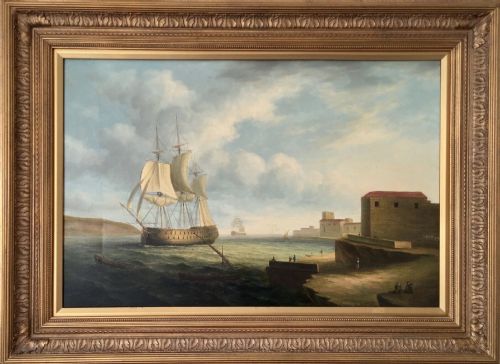
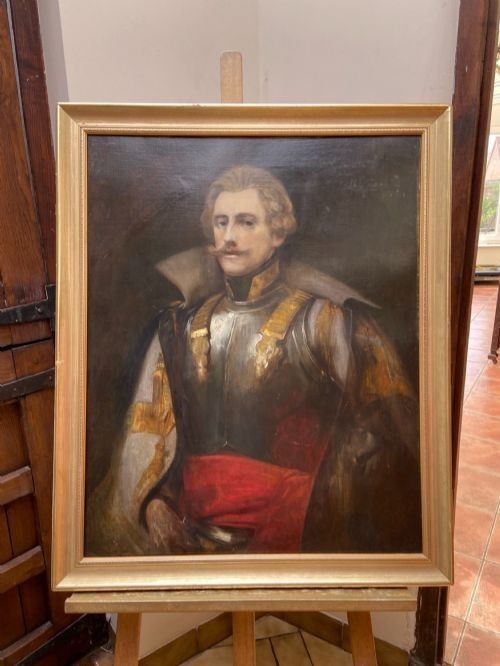
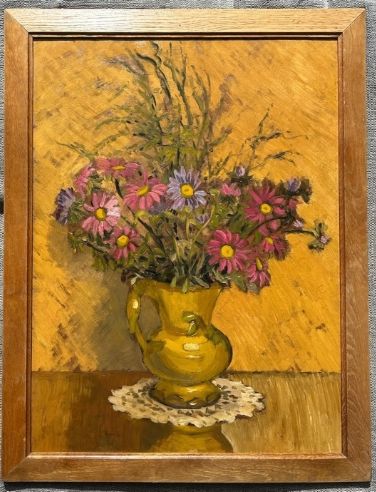
An antique framed painting brings centuries of artistic heritage into a room, offering a tangible link to past portraiture, landscapes, and narrative scenes.
Antique Framed Painting
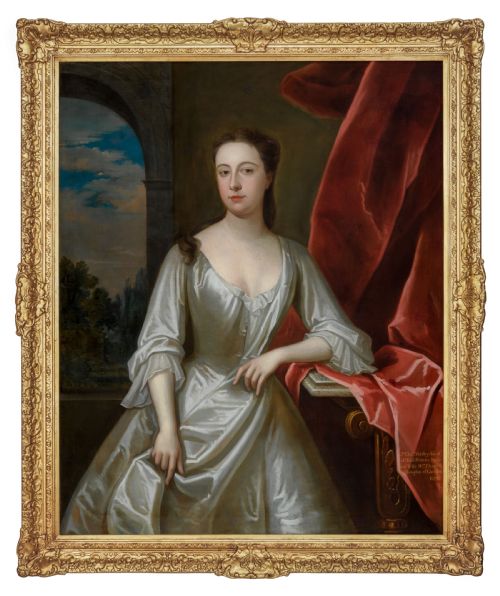
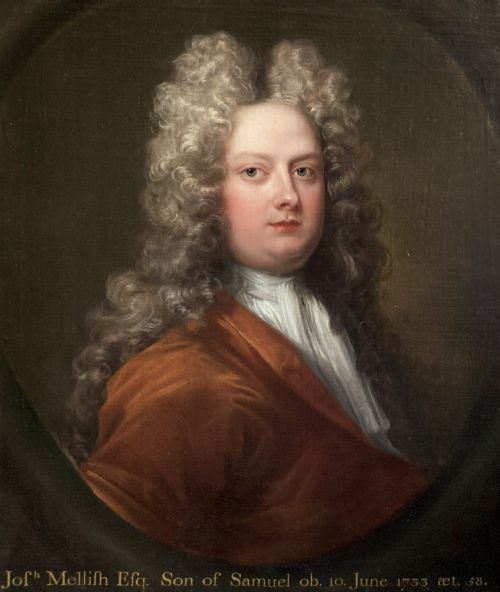
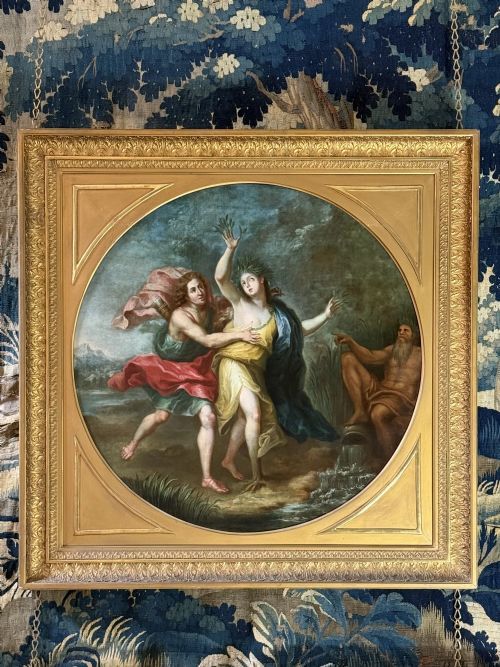
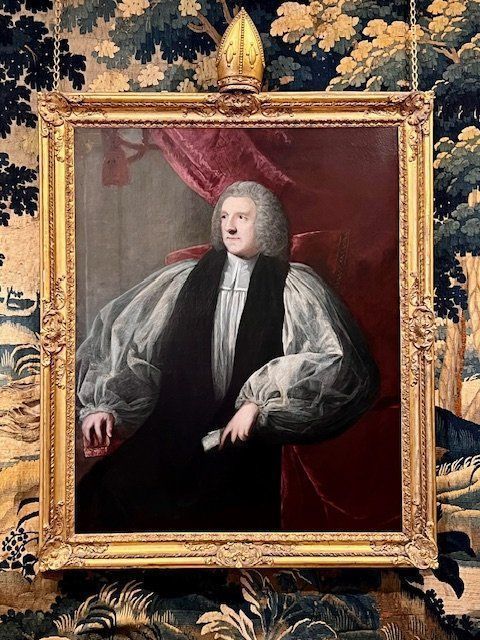
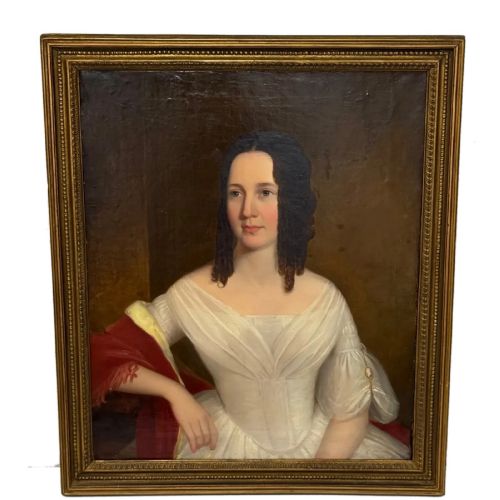
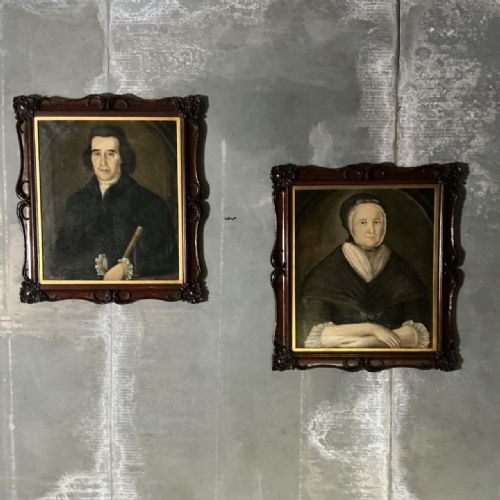
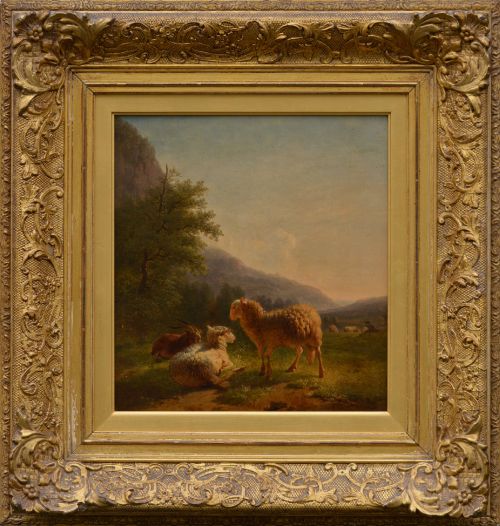
An antique framed painting encompasses centuries of visual art, ranging from intimate eighteenth-century portraiture to nineteenth-century romantic landscapes and delicate watercolours.
Buyers browsing this selection frequently encounter works executed in oil on canvas, wood panel, or paper, often housed within their original protective surrounds.
The category bridges formal academic studies by named masters and charmingly direct examples created by regional practitioners or anonymous hands.
How They Were Made
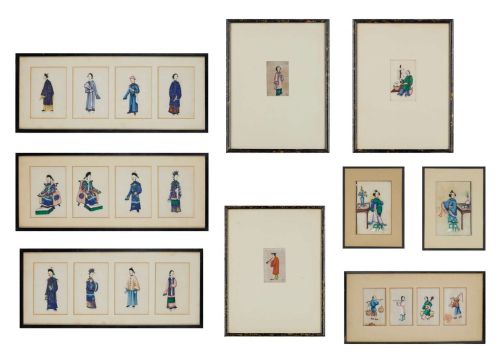
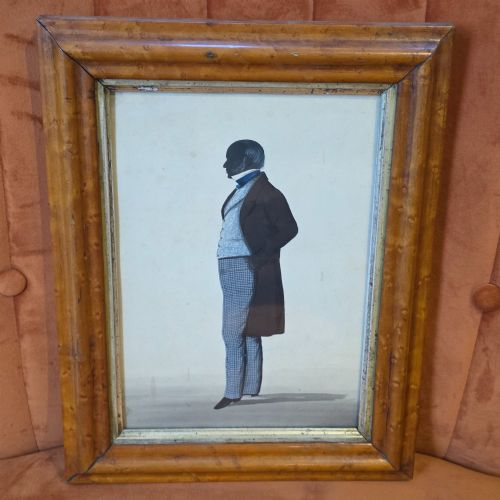
Makers applied oil paint, gouache, or watercolour onto prepared surfaces such as woven canvas, wooden panels, paper, or pith, building compositions through layered pigments.
Surrounds were constructed from wood and embellished with plaster or gesso before receiving water gilding or paint finishes to complement the artwork.
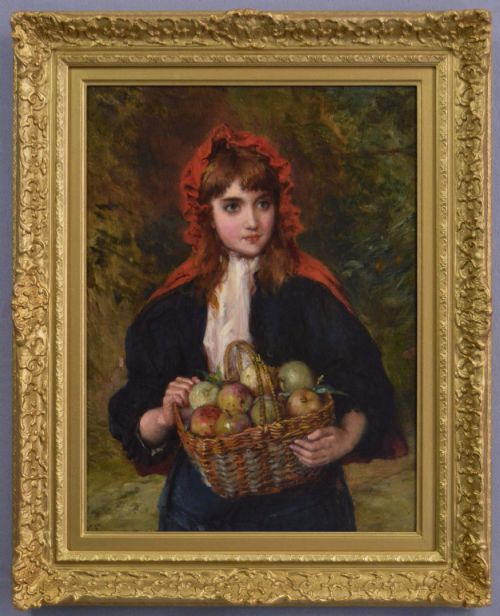
Several portraits capture subjects holding unexpected companions, from baskets of apples and pet birds to racing pigeons and architectural blueprints.
What Varies in Quality
Technical proficiency in handling anatomy, perspective, and light distinguishes ambitious academic works from more rigid or formulaic compositions.
The integrity of the original surface, the depth of the pigment layers, and the preservation of contemporaneous surrounds significantly influence the standing of a piece.
Sir Godfrey Kneller·Charles Jervas·Charles-Antoine Coypel·Sir Joshua Reynolds·William Oliver·Eugène Verboeckhoven·Richard Sebastian Bond·Joseph Clover·William Beattie-Brown·Leonardo Da Vinci·George Fotherly Hargitt·Thomas Miles Richardson Jnr·Sir Martin Archer Shee·Bernard Hailstone·James Orrock·Henri Fradelle·William Henry Earp·Felix Stone Moscheles·R Leyton·Sir James Dromgole Linton·Georges de La Tour·William H Myers·George Graham·Sir Anthony van Dyck·Samuel Prout
The Antique Framed Painting Glossary
- Giltwood
- Wood carved and coated with gold leaf or metallic powder. This technique creates a luminous, reflective border designed to catch interior candlelight or daylight.
- Portrait miniature
- A small, highly detailed painting depicting a specific person. These intimate works were frequently executed on vellum, card, or ivory.
- Provenance
- The documented history of ownership attached to an artwork. A clear record helps establish authenticity and historical context.
- Canvas
- A heavy woven fabric stretched across a wooden wooden frame to serve as a foundation for oil painting. It provides a flexible yet durable support for the artist's pigments.
- Watercolour
- A painting method where fine pigments are suspended in a water-soluble binder. Artists typically apply these translucent washes onto paper to capture atmospheric landscapes.
Antique Framed Painting: Frequently Asked Questions
How do I care for an antique oil painting?
Keep the artwork away from direct sunlight and fluctuating humidity levels to protect both the canvas and the wooden support from warping or cracking. Dust the surface very gently with a dry, soft brush without applying pressure.
Avoid using any household cleaning liquids, water, or chemical sprays on the painted surface or the surround. Professional conservation is recommended if the canvas requires cleaning or structural repair.
Are these paintings in their original frames?
Many works retain their period surrounds, which are often constructed from giltwood or painted wood appropriate to the date of the artwork. These housings developed alongside the picture and share a similar history of age and wear.
Some pieces have been rehoused over the centuries to suit changing interior tastes or to provide better structural protection. Checking the reverse of the piece often reveals clues about the longevity of the pairing.
How can I tell the period of a painting?
Stylistic clues such as costume, hairstyle, and portrait pose offer immediate indications of the decade or century in which the work was created. The materials used for the backing, stretcher bars, and fixings also provide reliable dating evidence.
Signatures, inscriptions, and labels attached to the reverse help confirm the artist and the approximate date of execution. Comparing the technique to documented examples from the same school narrows down the timeline further.