


Antique Framed Fine Art
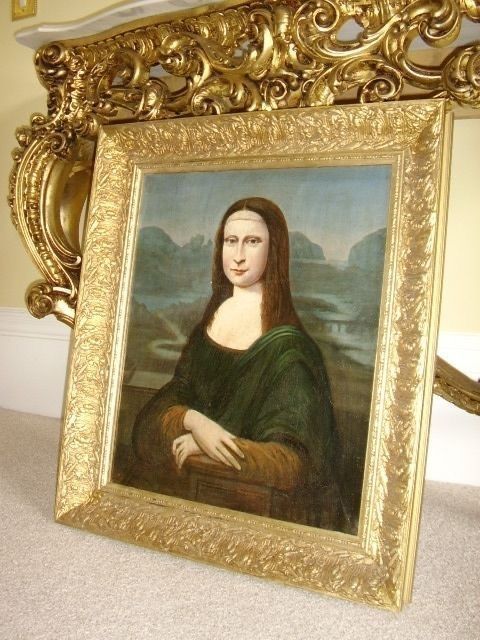
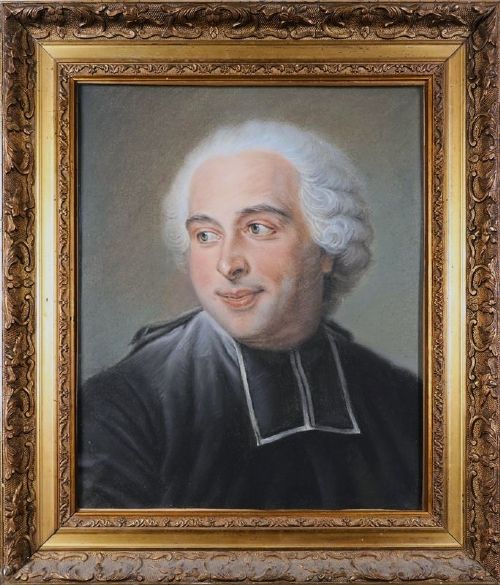
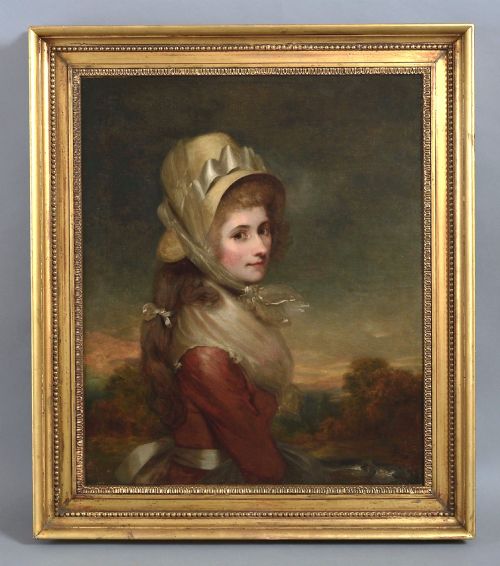
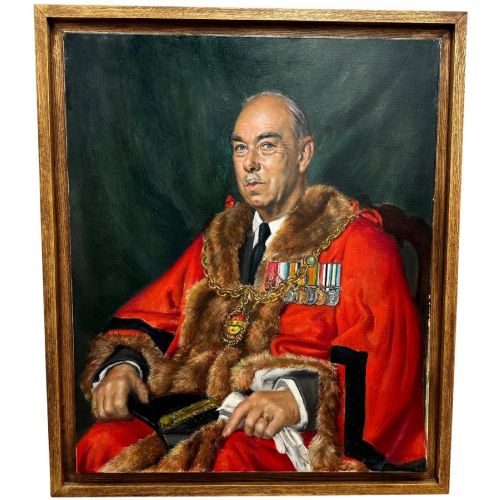
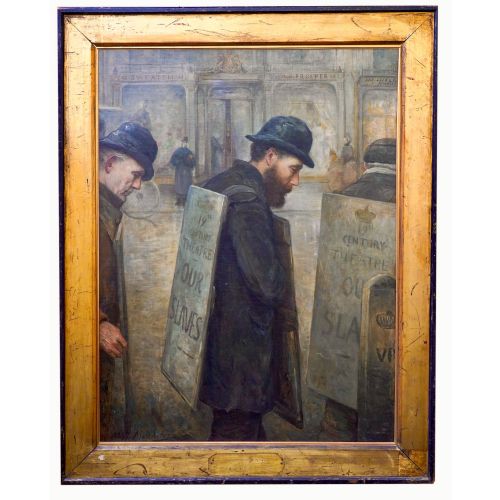
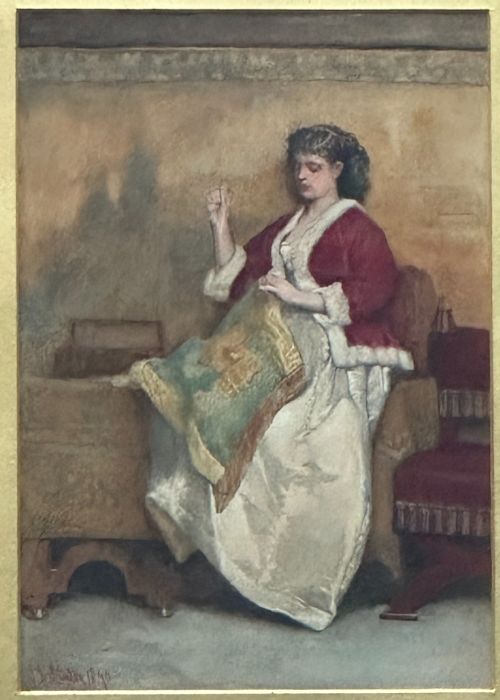
When you search for antique framed fine art, you enter a rich visual archive spanning centuries of oil painting, watercolour and portraiture.
Antique Framed Fine Art
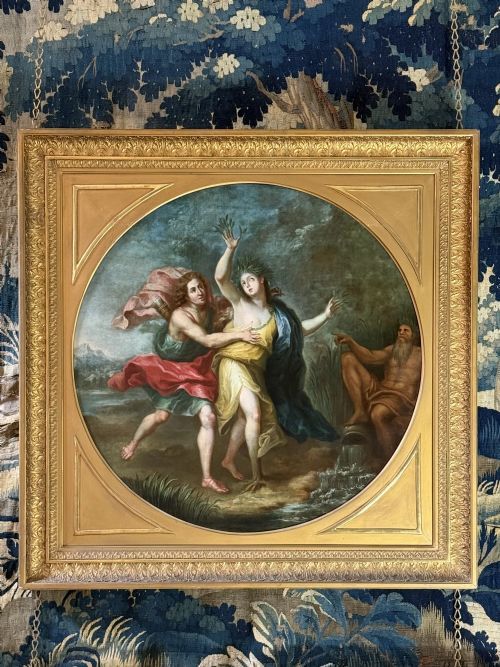
The selection encompasses antique framed fine art ranging from seventeenth-century oil portraits to twentieth-century landscapes and genre scenes.
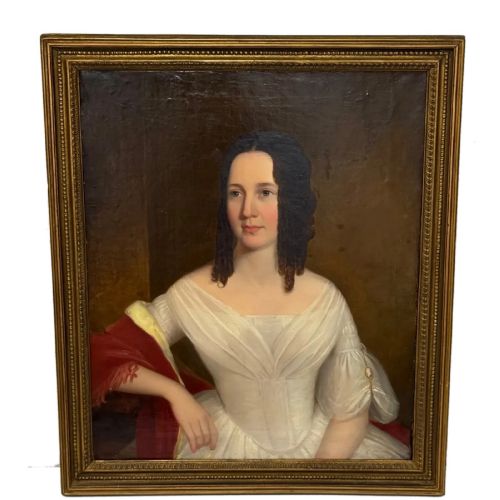
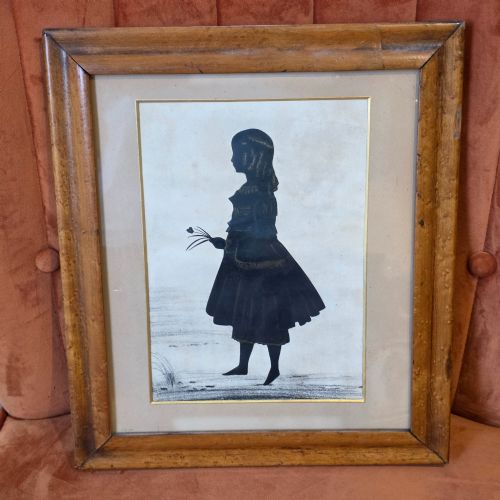
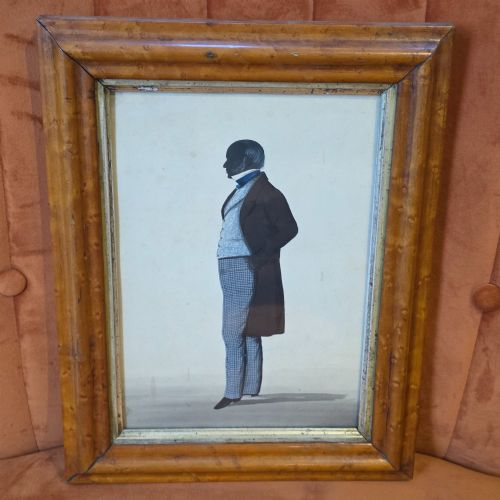
Buyers will encounter oil on canvas paintings, watercolours, silhouettes and pastels, often housed within period surrounds.
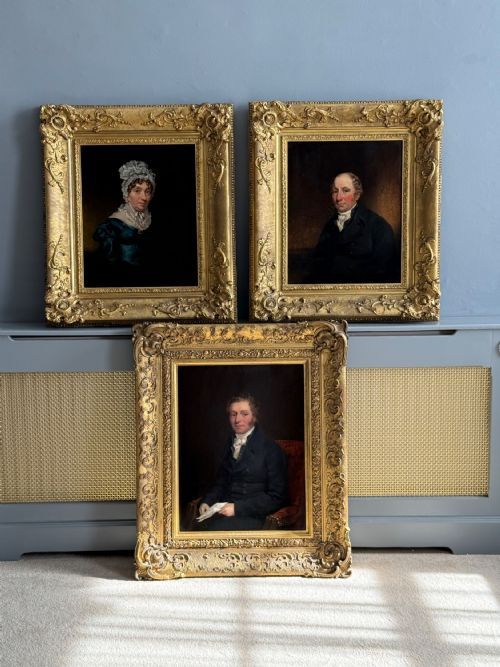
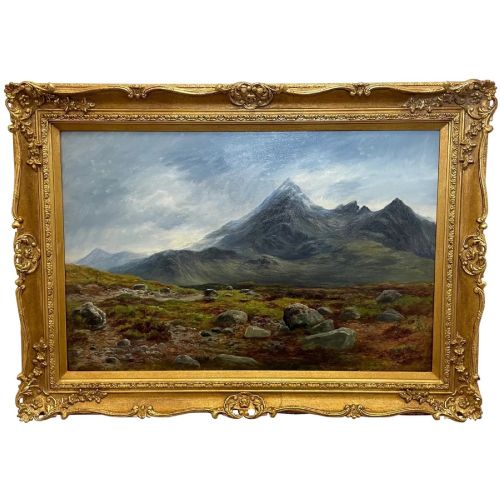
Portraits of nobility and everyday figures sit alongside pastoral landscapes and maritime seascapes from British and European schools.
How they were made
Works are executed primarily in oil on canvas or panel, watercolour on paper, and hand-cut silhouette mediums utilising traditional pigments.
Surrounds are frequently constructed from carved wood with giltwood or gold leaf finishes, protecting the delicate paper and canvas surfaces within.
Antique Framed Fine Art Retail Price Guide 2026
Typical asking prices for framed fine art among the pieces listed under this phrase on Sellingantiques today, from the lower quarter to the upper quarter. They describe what is for sale here now, not the wider market.
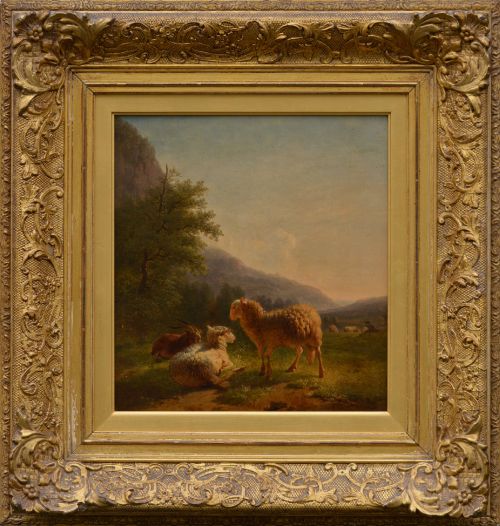
Several sheep, goats, and a very dignified cat make unexpected cameo appearances alongside the human nobility and mayors.
What varies in quality
The degree of painterly execution, anatomical precision and handling of light distinguish ambitious gallery pieces from provincial or studio copies.
Originality of the surrounding frame and the survival of untouched paint layers or paper surfaces determine the historical integrity of the piece.
Charles Jervas·Charles-Antoine Coypel·Eugène Verboeckhoven·Joshua Reynolds·Jean-Baptiste Van Loo·Joseph Clover·William Beattie-Brown·Maurice Quentin de la Tour·Martin Archer Shee·Felix Stone Moscheles·James Dromgole Linton·Anthony van Dyck·James Sharples·Sebastiaan Vrancx·John Maler Collier·Henry Stacy Marks·George Willison·John Opie·Jeremiah Davison·Francois Boucher·John Horace Hooper·John McDougal
The Antique Framed Fine Art Glossary
- Mezzotint
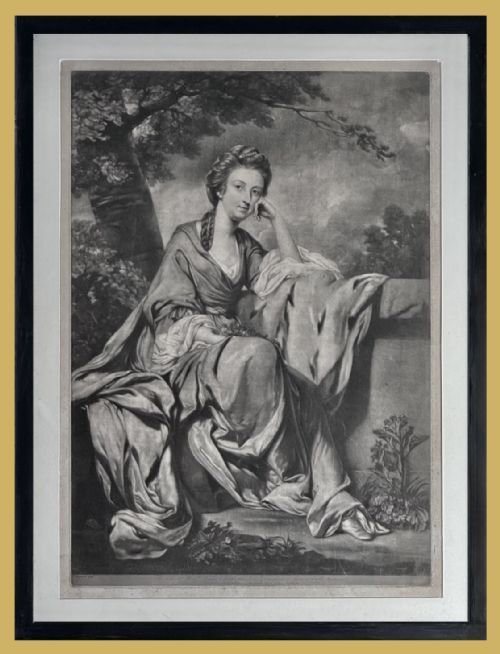
- A printmaking process of the intaglio family, where the plate is roughened to produce tones of grey and black.
- Giltwood
- Wood that has been treated with gold leaf or gold paint, commonly used for ornate period mouldings.
- Genre painting
- The pictorial representation of scenes from everyday life, depicting ordinary people in common activities.
- Provenance
- The chronology of the ownership, custody or location of a historical historical object.
Antique Framed Fine Art: Frequently Asked Questions
How do I identify seventeenth-century portraits?
Seventeenth-century portraits typically feature stiff collars, elaborate lace ruffs or distinct armour, reflecting the formal dress of the period. The subjects often gaze outwards with restrained expressions while utilising darker, moody backgrounds.
Paintings from this era commonly show craquelure across the oil on canvas surface, alongside heavier wooden frames that match the construction techniques of the time.
What is a silhouette portrait?
A silhouette portrait is a cutout profile of a subject, usually rendered in black paper and mounted against a contrasting light background. These were popular during the Regency and Victorian eras before photography became widespread.
Many examples include delicate watercolour detailing or ink highlights added to the hair and clothing, protected underneath glass within a narrow timber frame.
Are these paintings signed by the artist?
Some pieces bear the artist's signature or monogram, while many historical works remain unattributed or are recorded as being by a follower or school. Signatures were not universally applied, particularly on older studio portraits.
Attributions are often determined through stylistic comparison, archival records, or historical inscriptions found on the reverse of the canvas or frame.
How should I care for an antique oil painting?
Antique oil paintings require stable indoor humidity and temperature to prevent the canvas from slackening and the paint layers from cracking. Direct sunlight should be avoided to protect organic pigments from fading.
Dusting the surface and the surrounding giltwood frame should be done gently with a soft, dry brush, avoiding any moisture or chemical cleaning agents.