


Antique Framed Art Print
An antique framed art print captures centuries of graphic history, offering character through historic portraiture, botanical studies and decorative scenes preserved beneath glass.
Antique Framed Art Print
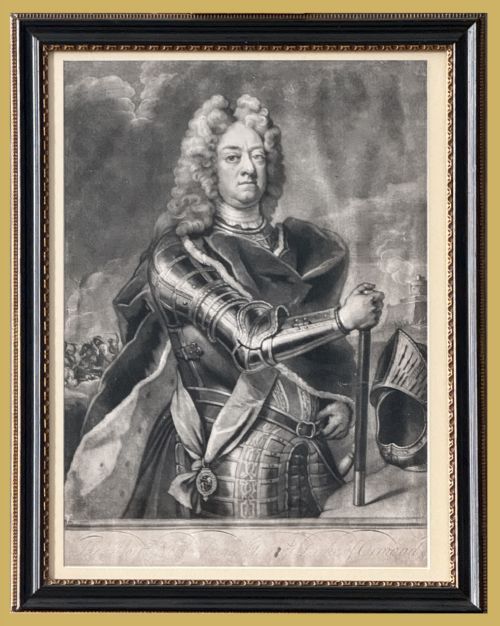
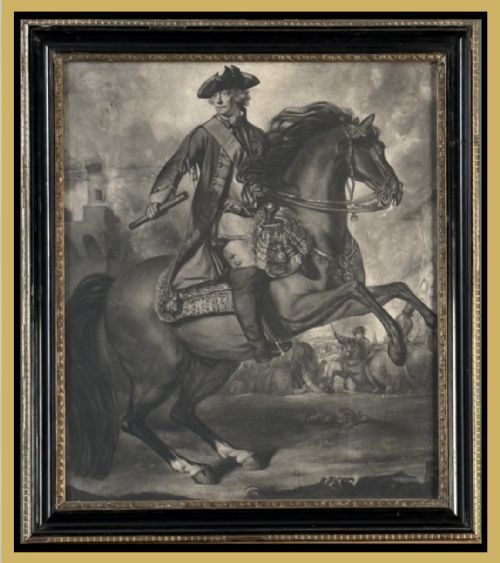
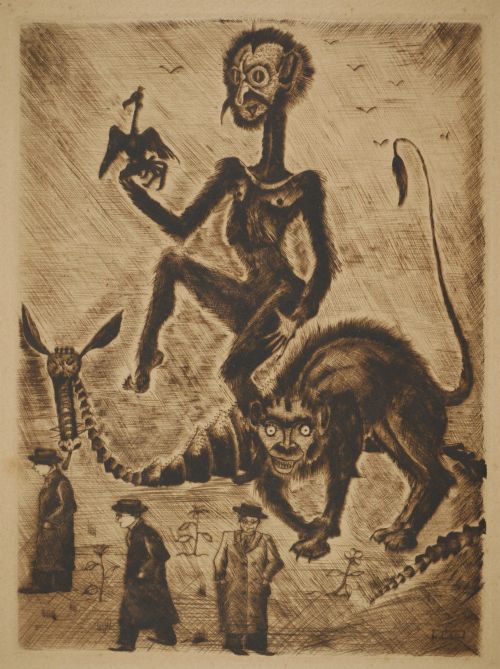
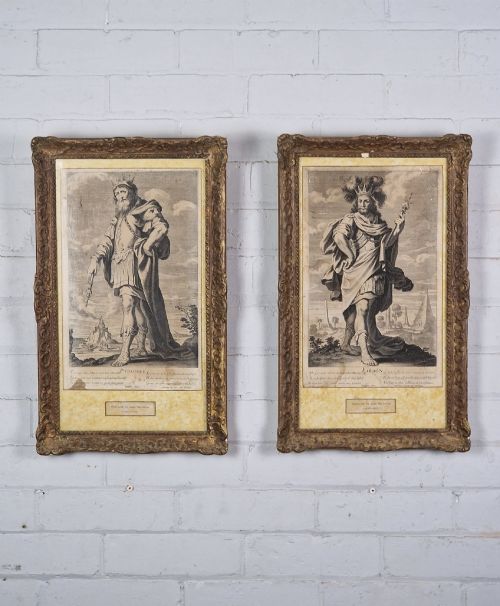
When searching for an antique framed art print, buyers encounter a diverse selection ranging from eighteenth-century mezzotint portraits to twentieth-century lithographs and advertising prints. The category spans seventeenth-century engravings, Georgian depictions of nobility, Edwardian watercolours, and surrealist etchings housed in period surrounds.
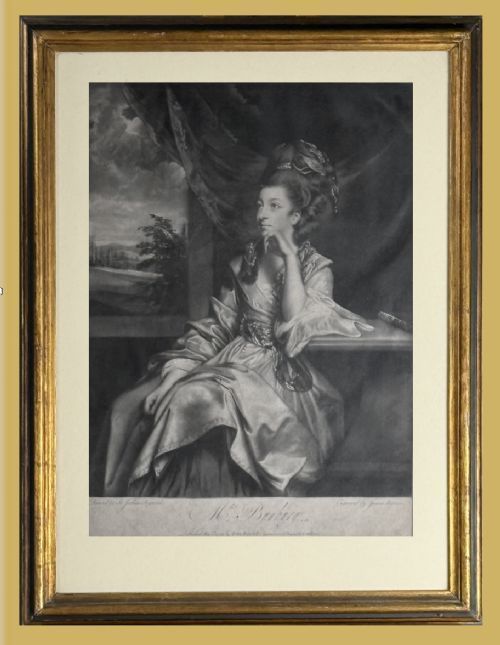
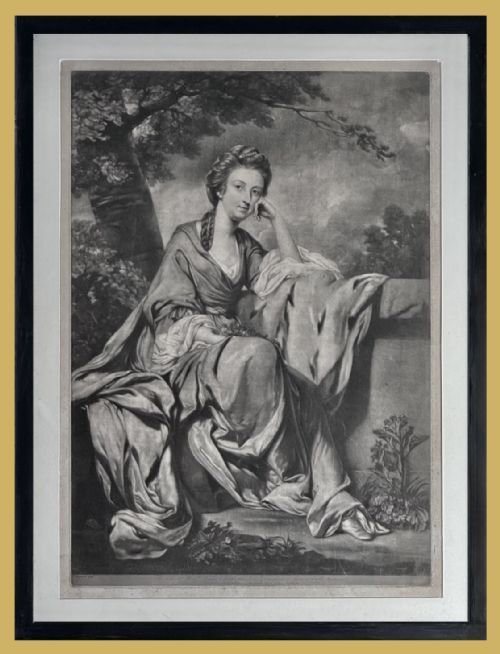
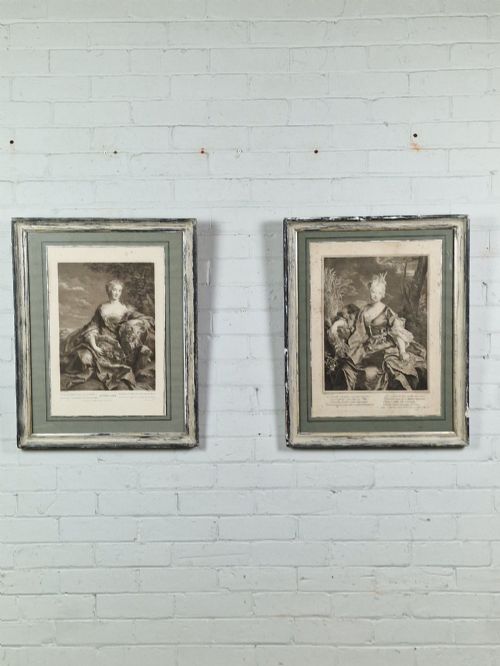
The most common examples on this page are eighteenth-century mezzotints and engravings after masters like Sir Joshua Reynolds, alongside nineteenth-century lithographs and early twentieth-century decorative wall prints. These paper works arrive set behind glass in wooden frames, frequently incorporating gold leaf or gilt details that complement the traditional subjects.
Materials and printmaking techniques
The physical construction relies fundamentally on paper, ink, and glass, assembled within wooden frames that often feature gilt wood or gold leaf enrichment. Printmakers utilised copper plates for mezzotints, stipple engravings, and etchings, pressing ink into dampened paper to capture fine tonal gradations.
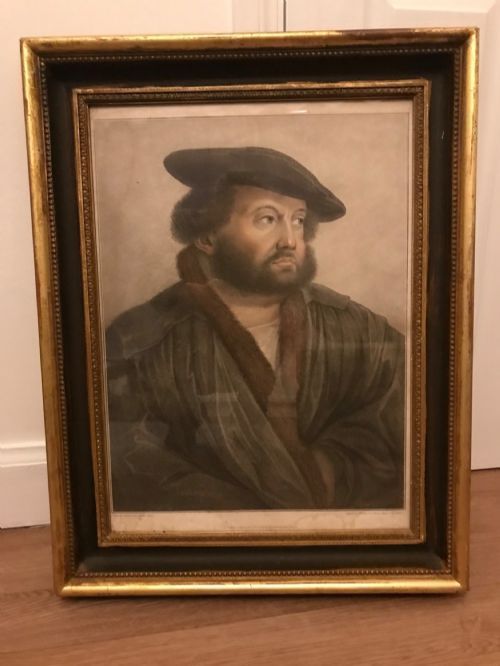
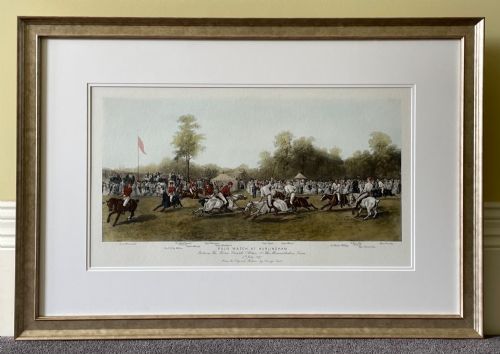
Hand colouring frequently appears across eighteenth and nineteenth-century examples, where artists applied watercolour directly onto the printed surface. Lithographic techniques emerged later, utilising stone matrices to produce vibrant advertising prints, botanical plates, and collegiate scenes.
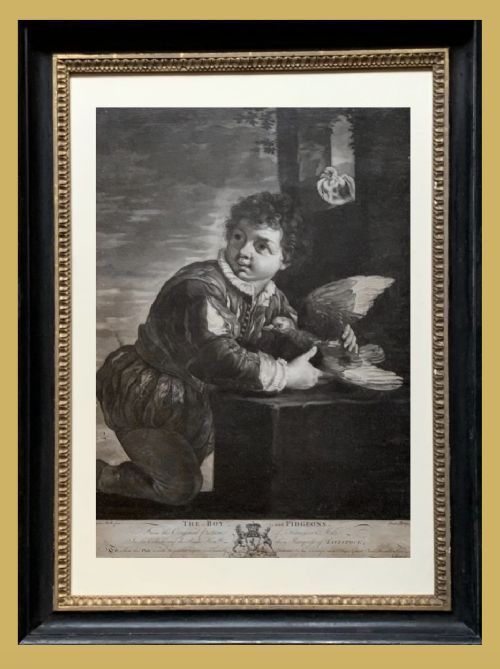
Objects range from anatomical skeleton engravings and pigeon studies to polo matches and French advertising prints.
Factors determining the grade of a print
Quality in these works rests upon the clarity of the impression and the fidelity of the plate transfer, where early strikes from a copper plate reveal sharp, rich darks in a mezzotint. Worn plates yield softened details and muddy shadows, which alter the visual impact of portraits and architectural views.
The preservation of the original paper support and the retention of authentic hand colouring dictate the standing of a piece. Period framing, particularly original gilt wood surrounds containing early glass, elevates the integrity of the object compared to later remountings.
John Simon·Edward Fisher·Kurt Lorein Victor Peiser·John Boydell·James Watson·Francesco Bartolozzi·Jean Mariette·John Smith·Sir William Nicholson·François-Nicolas Martinet·Charles Spooner·Valentine Green·Elisabeth Sonrel·Andrew Bell·Marcellin Auzolle
The Antique Framed Art Print Glossary
- Mezzotint
- A printmaking method where the copper plate is roughened to produce dark tones, then scraped and burnished to create highlights. This technique produces velvety darks and subtle gradations particularly suited to portraiture.
- Stipple engraving
- A method of creating images on metal plates using dots rather than continuous lines to simulate the soft appearance of chalk drawings. Francesco Bartolozzi popularised this technique during the eighteenth century.
- Lithography
- A planographic printing process based on the repulsion of oil and water using a flat stone or metal plate. It enabled the mass production of detailed colour plates and advertising pieces in the nineteenth and twentieth centuries.
- Reverse glass painting
- An artistic technique where the image is painted or printed directly onto the reverse side of a glass sheet so that it is viewed through the front. Eighteenth-century examples often combine this method with mezzotint printing.
- Woodblock print
- A relief printing technique where ink is applied to raised areas of a carved block of wood. Japanese examples utilise water-based pigments pressed onto handmade paper.
Antique Framed Art Print: Frequently Asked Questions
What is a mezzotint portrait?
A mezzotint is an intaglio printmaking process where the artist roughens a copper plate evenly to produce a solid black field, then smooths areas to create light and shadow. This creates rich, atmospheric portraits with deep tonal ranges.
Printers often published these after paintings by prominent artists like Sir Joshua Reynolds to disseminate likenesses of nobility and historical figures.
How should I hang antique framed prints?
Display these works away from direct sunlight to prevent the fading of ink, watercolour, and hand colouring on the paper support. Stable indoor humidity protects both the antique wooden frames and the paper.
Utilise secure picture hooks suited to the weight of the timber frame and glass, avoiding damp walls that could encourage foxing.
What is hand colouring?
Hand colouring involves the manual application of watercolours or pigments onto a finished black and white print to enhance its visual appeal. Artisans applied these tints to botanical plates, maps, and bird engravings.
This adds a distinct layer of individual artistry to multiple impressions pulled from the same engraved plate.
How do I identify the period?
Dating relies on the paper type, plate marks, typography used in captions, and the style of the framing materials. Eighteenth-century works often display distinct chain lines in laid paper and contemporary handwritten inscriptions.
Comparative analysis of the subject matter, such as Georgian costume or Edwardian typography, further narrows the date of production.