

Antique Footed Fruit Dish
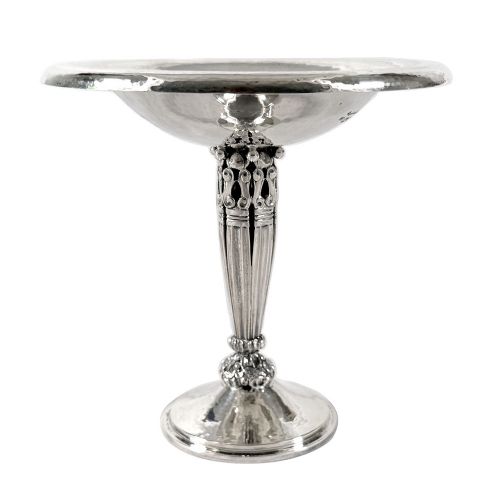
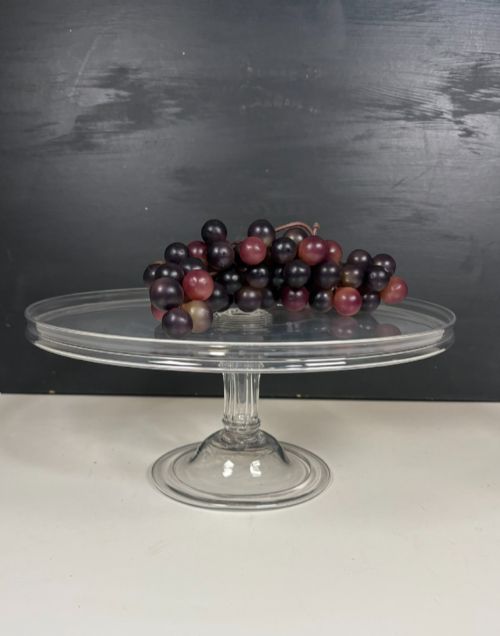
An antique footed fruit dish brings height and presence to a table, combining practical serving use with decorative form.
Antique Footed Fruit Dish
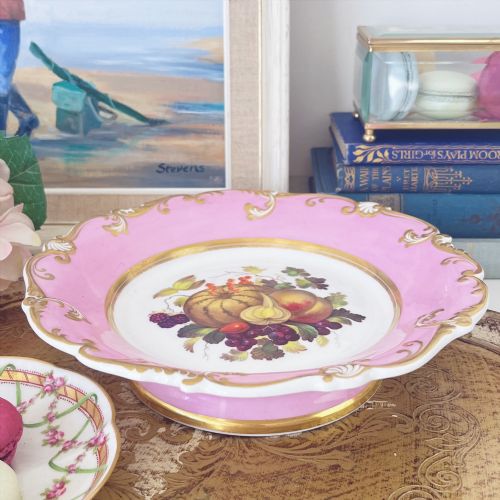
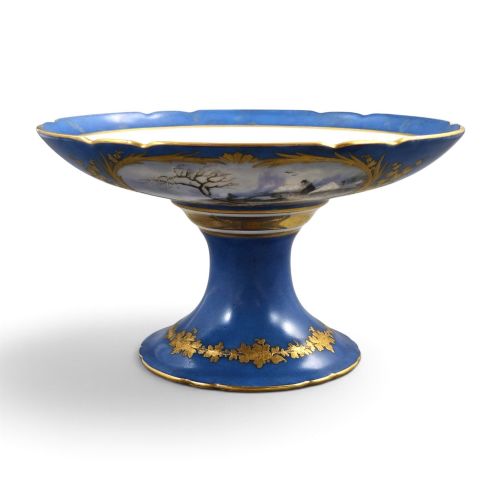
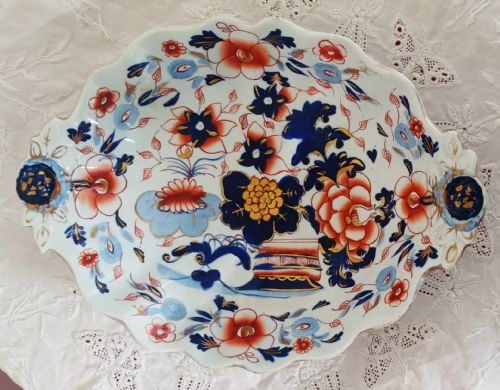
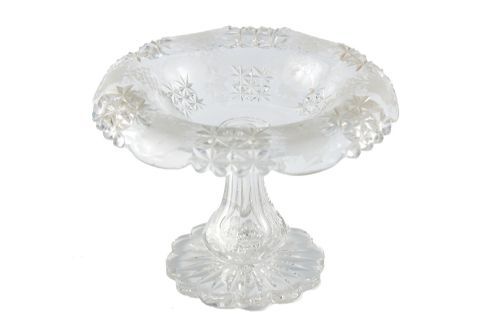
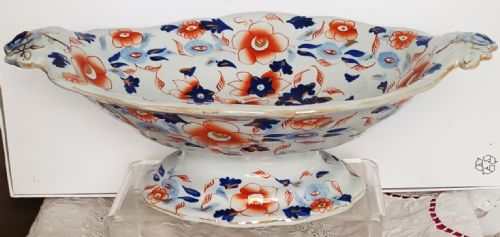
When you search for an antique footed fruit dish, you encounter pedestaled vessels designed to elevate displays above the surface of a dining table or sideboard. These pieces frequently appear as comports, tazzas, and pedestal bowls originating from the eighteenth century onwards.
The versions you are most likely to meet on this page span the Victorian, Edwardian, and Georgian periods, executed in ceramic, glass, and sterling silver. They range from utilitarian ironstone comports to ornate glass and silver centrepieces meant for formal dining rooms.
Materials and construction methods
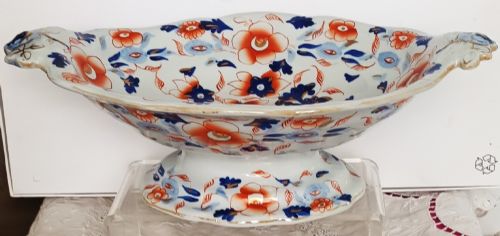
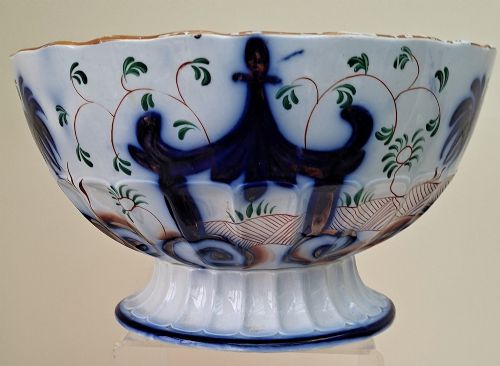
Makers shaped glass through cutting, moulding, and crystal blowing to create heavy lead crystal tazzas and table centrepieces with deep refractive qualities. Potters utilised ironstone, porcelain, and earthenware, often applying hand-painted or transfer-printed patterns before glazing and firing.
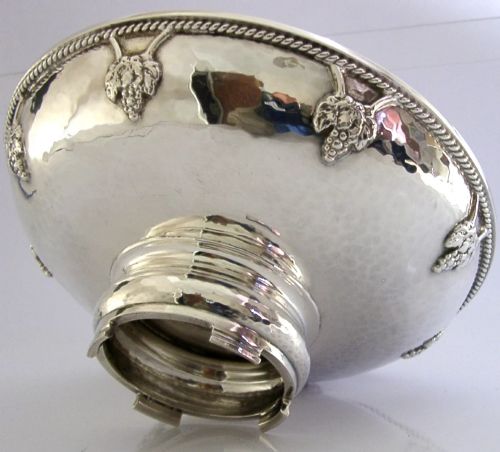
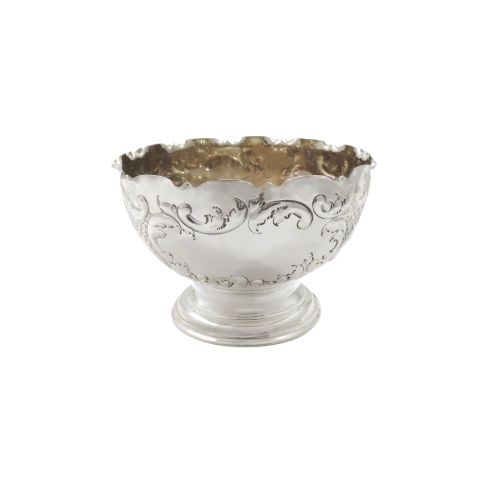
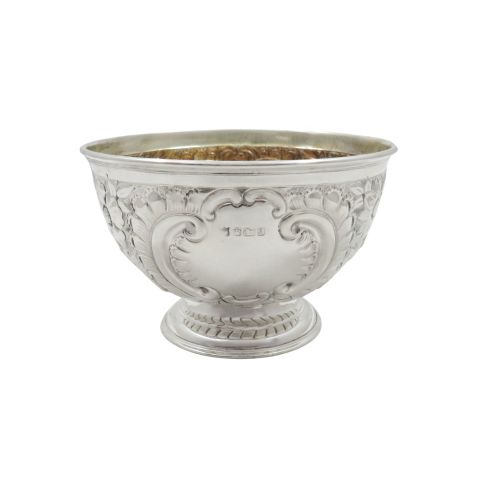
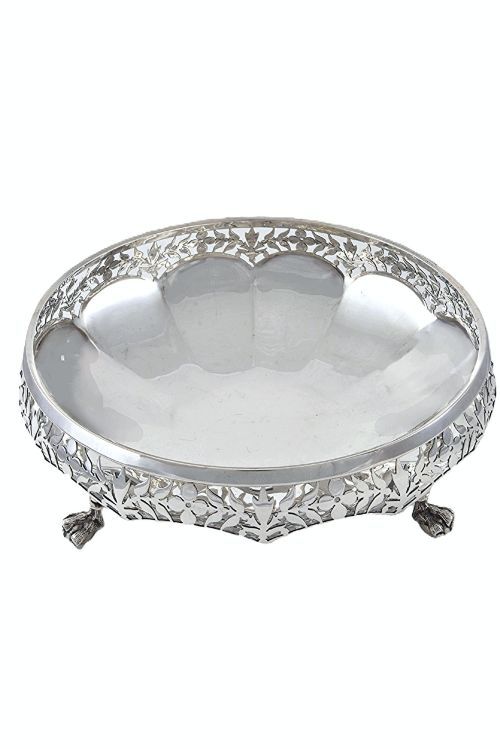
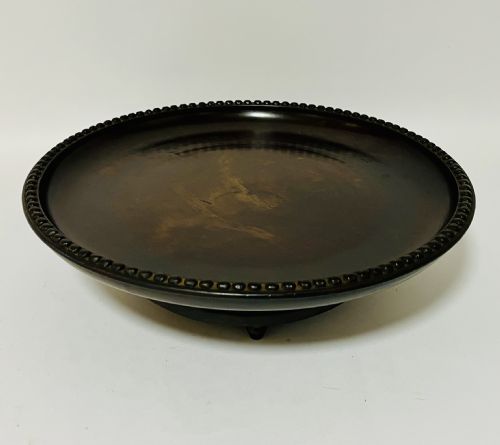
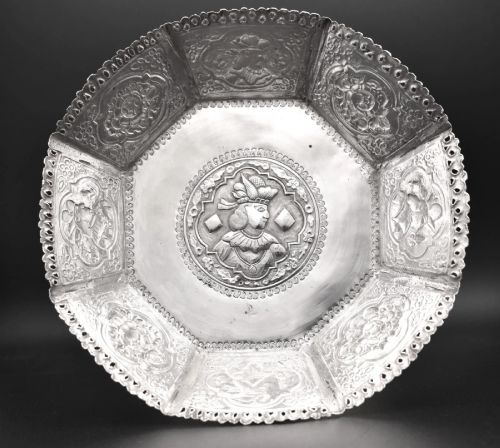
Metalworkers employed sterling silver and silver-plated bronze, shaping bowls through hammering, casting, and intricate repoussé or wirework techniques. Enamel and gilt additions provided surface colour and contrast, while wooden fruit bowls utilised turned and musical elements.
Listings feature items from the 18th century, 19th century, Regency, Victorian, Edwardian, and Art Deco periods in silver, glass, and ironstone.
Distinctions in craftsmanship and design
Quality separates mass-produced utility items from pieces bearing meticulous hand-painted details, crisp moulded glass facets, and substantial metal weights. The definition in applied silver repoussé, the depth of cut glass flutes, and the precision of ceramic transfer prints indicate the level of artisan skill.
Proportion and structural balance govern the aesthetic success of a pedestal bowl, where the relationship between the foot, stem, and bowl creates visual harmony. Finer examples display careful attention to underside finishes and maker marks that denote established factories and workshops.
H & R Daniel·Sèvres·Charles Boyton·Fenton·R. Lalique·Loetz·Baccarat·Royal Worcester
The Antique Footed Fruit Dish Glossary
- Comport
- A shallow dish on a high foot, traditionally used for serving fruit or sweetmeats at the table.
- Tazza
- A small, wide-rimmed saucer or cup set on a pedestal foot, often functioning as a centrepiece or display vessel.
- Ironstone
- A heavy, durable type of earthenware patented in the nineteenth century to imitate Chinese porcelain.
- Repoussé
- A metalworking technique where the artisan hammers the design from the reverse side to form a raised pattern in relief.
- Turnover bowl
- A glass vessel with a rim turned over or folded down during manufacture while hot.
Antique Footed Fruit Dish: Frequently Asked Questions
What was an antique footed fruit dish used for?
These vessels held fresh fruit, sweetmeats, or ornamental displays at the centre of dining tables during formal meals.
Their elevated design allowed dishes to sit above other tableware, improving visibility and creating a tiered arrangement for guests.
How do I style an antique footed fruit dish at home?
Place the bowl on a dining table, sideboard, or entrance console to draw the eye upwards with its height and form.
Fill the vessel with seasonal fruit, glass spheres, or decorative ornaments to let the material and pattern catch the light.
How can I tell the period of a pedestal bowl?
Examine the material, weight, and decorative motifs against known historical styles such as Georgian geometric cuts or Art Deco motifs.
Maker marks, registration numbers, and base construction provide further clues to dating the piece accurately.