


Antique Folk Art Table
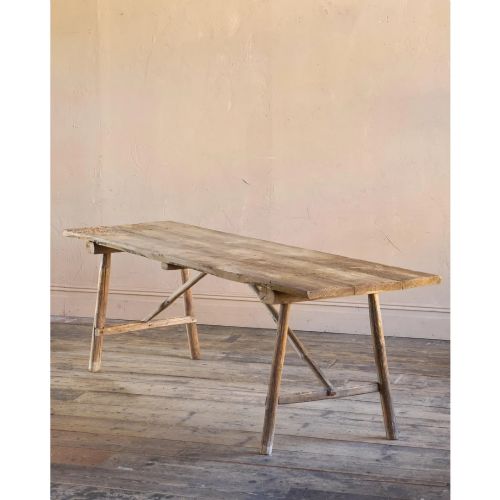
An antique folk art table brings handmade character and rustic charm into a room, offering functional surfaces shaped by local tradition.
Antique Folk Art Table
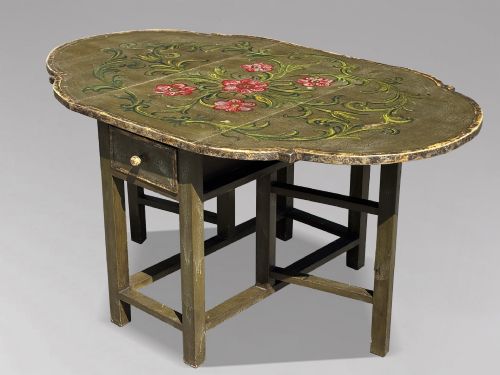
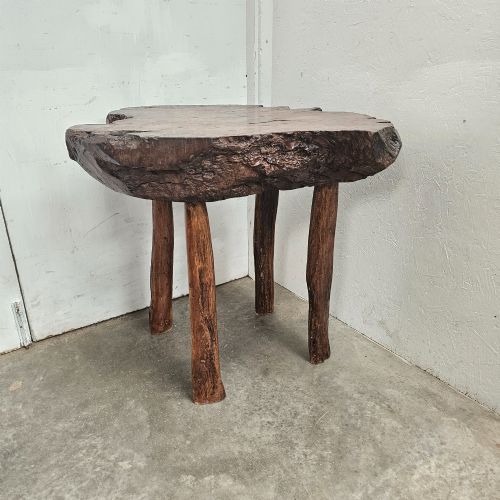
The selections span functional forms including side tables, dining tables, occasional tables, and drop-leaf designs. Many examples display the distinct hand of local makers utilising native timbers and traditional construction methods.
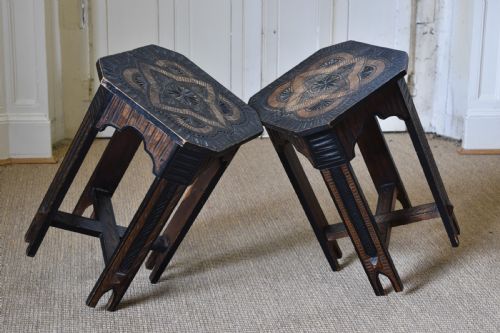
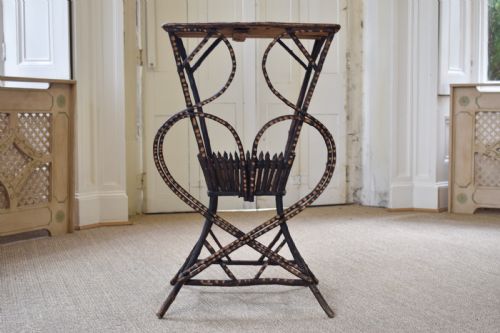
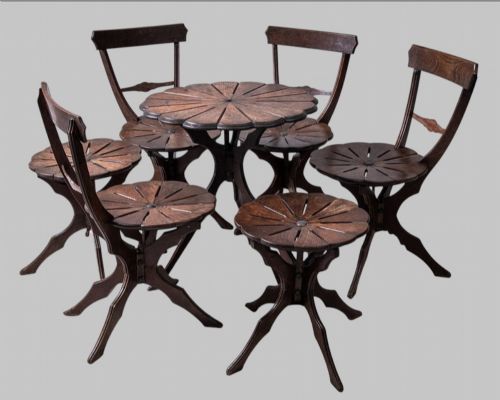
You frequently meet painted pine surfaces, chip-carved details, or rustic twig constructions within this grouping. Each survivor reflects the domestic needs and decorative tastes of its specific geographic origin.
Materials and construction
Makers relied on accessible local woods such as pine, oak, beech, and various softwoods for the primary structure of each table. Simple joinery techniques like pegging, dovetailing, and basic nailing served to assemble the frames.
Surfaces frequently received layers of hand-mixed paint, often in greens or soft pigments, which weathered and aged over decades of domestic use. Chip carving, twig application, and applied floral motifs further transformed plain timber into decorative furnishings.
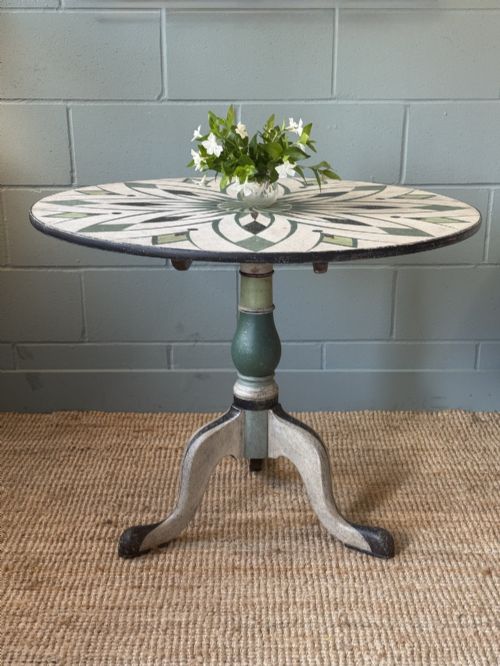
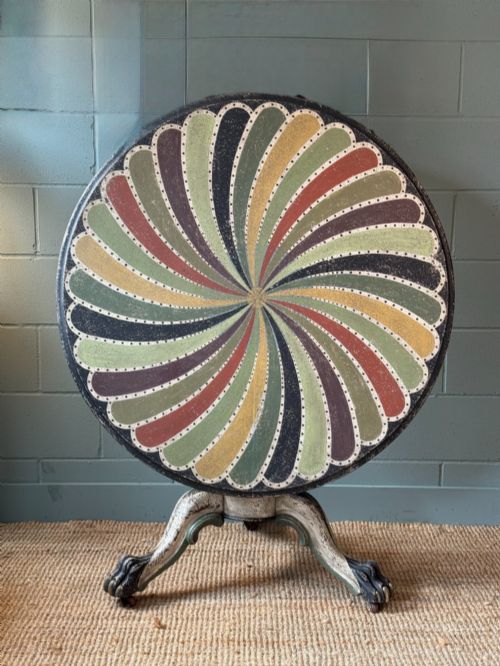
Painted finishes in this selection span Scandinavian country greens, floral motifs, and ragwork patterns.
Assessing quality in folk pieces
Quality rests in the integrity of the original construction and the character of the surface treatment. Tables retaining their unblemished primary paint finish stand apart from those stripped or heavily restored in later decades.
The confidence of the carving or the proportion of rustic elements dictates the visual success of the piece. A well-balanced form with honest wear demonstrates superior craftsmanship compared to clumsily assembled utilitarian objects.
The Antique Folk Art Table Glossary
- Chip carving
- A decorative technique where small chips are removed from a wooden surface with a knife or chisel to create geometric patterns.
- Drop-leaf table
- A table with hinged flaps on either side that fold down to save space when not in use.
- Pine
- A softwood commonly used in vernacular furniture, valued for its workability and ability to hold painted finishes.
- Treen
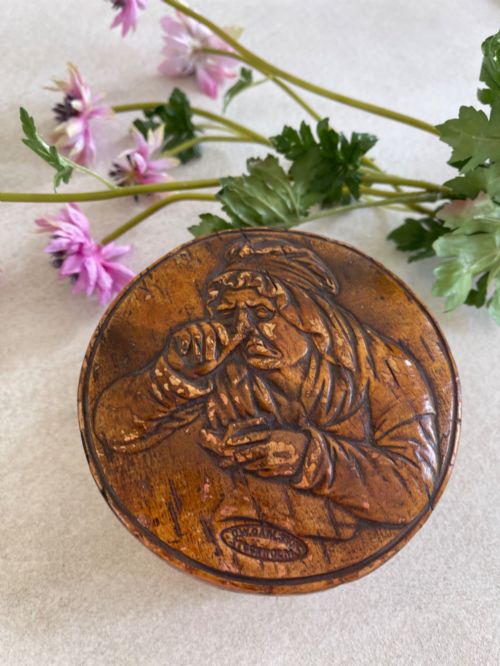
- Small handmade wooden domestic objects, encompassing items like boxes, small bowls, and eating utensils.
- Patina
- The surface sheen and colour developed over years of handling, polishing, and natural ageing.
Antique Folk Art Table: Frequently Asked Questions
How do I date an antique folk art table?
Dating relies upon examining the tool marks, construction methods, and hardware present on the underside and joints of the furniture. Examining the ageing of the timber and any underlying layers of paint provides further clues.
Comparison with documented regional styles helps narrow down the decade of production. Documentation or provenance from previous collections also assists in establishing a reliable timeframe.
Are these tables suitable for daily use?
Most antique folk art tables remain structurally sound for gentle everyday placement within a modern home. Their sturdy pine or hardwood frames were built for practical domestic service.
Care should be taken to protect antique painted or waxed surfaces from moisture and heat. Using coasters and placing them away from direct heat sources preserves the historic finish.
What is Scandinavian country style?
Scandinavian country style encompasses domestic furniture produced in Sweden, Norway, and Denmark during the nineteenth and early twentieth centuries. It is characterised by pale painted finishes, functional forms, and clean lines.
These pieces often feature ragwork paint effects or simple carved details reflecting local folk traditions. The aesthetic prioritises light and utility in rural domestic spaces.