
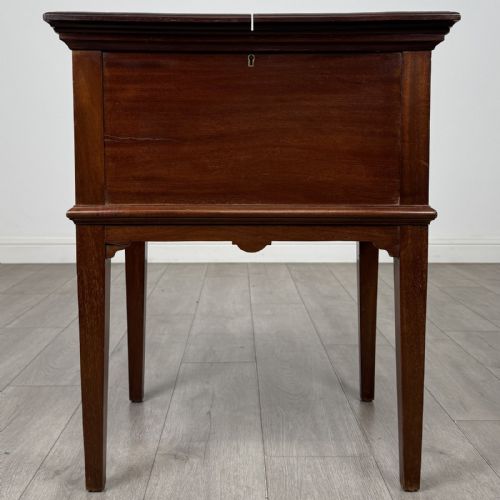
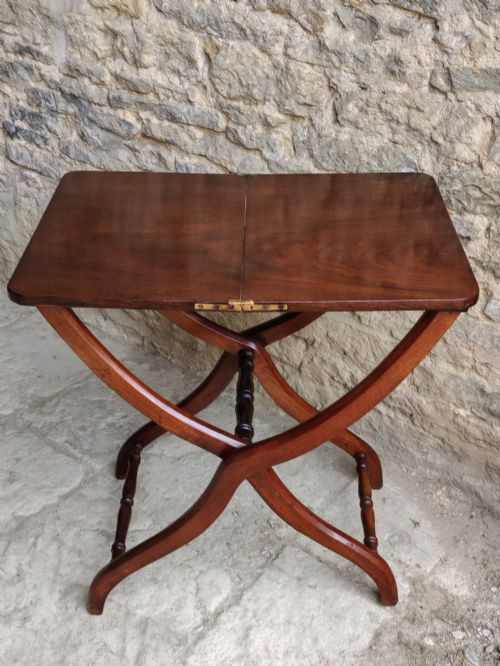
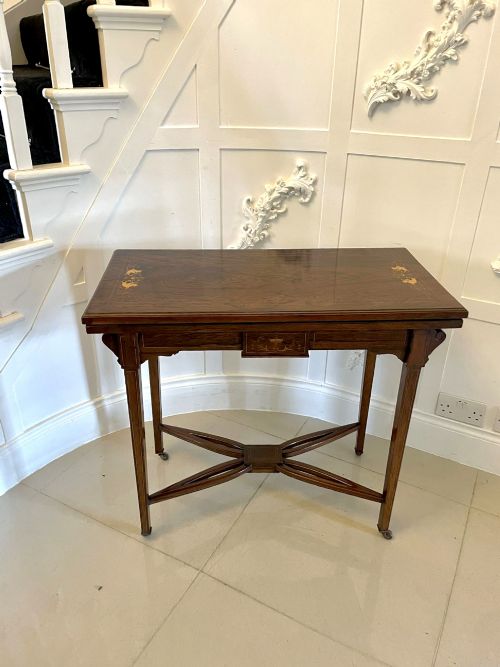
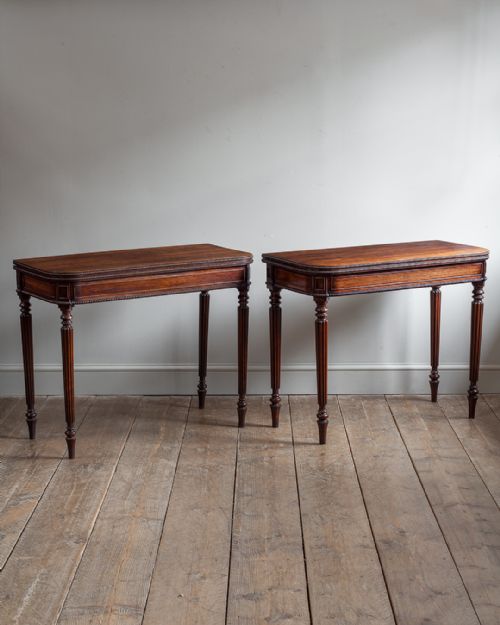
Antique Folded Side Table
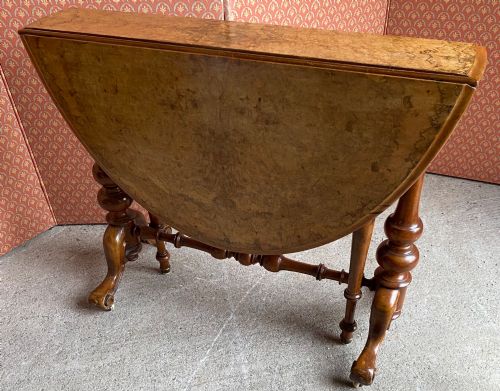
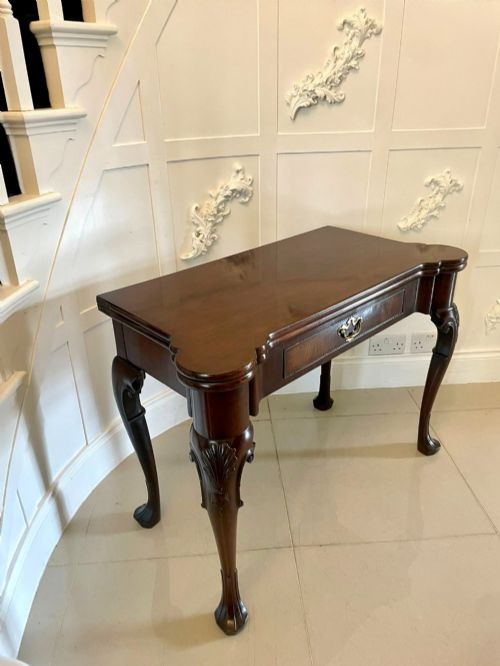
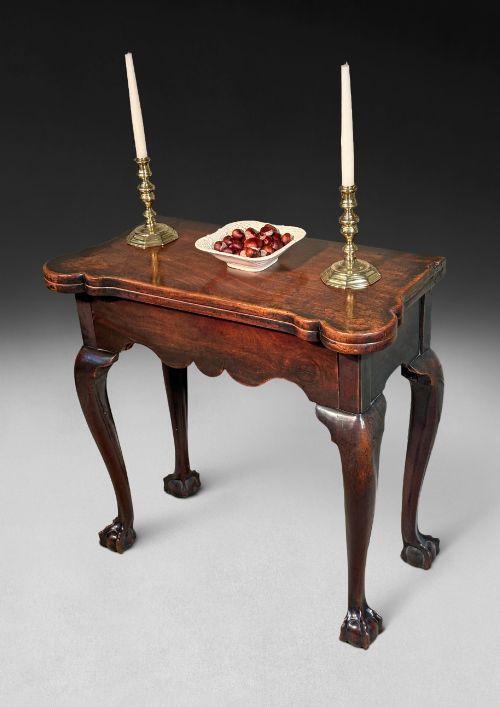
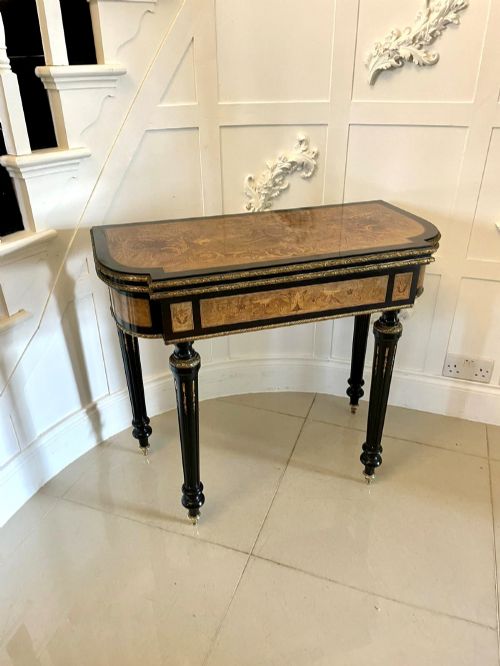
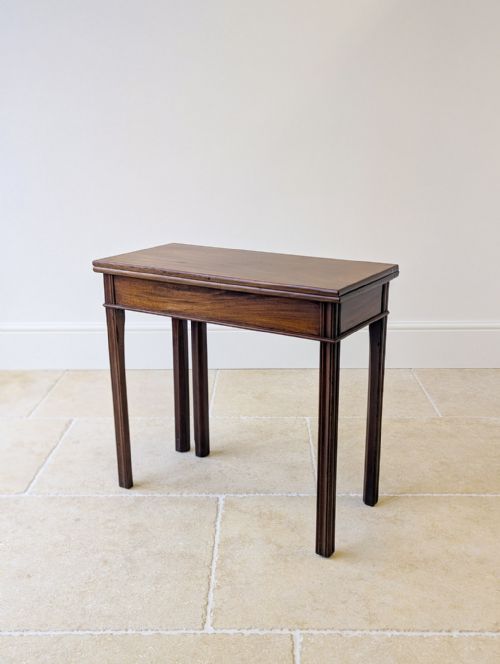
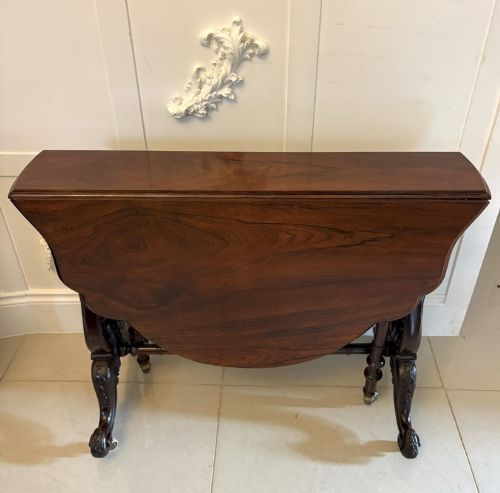
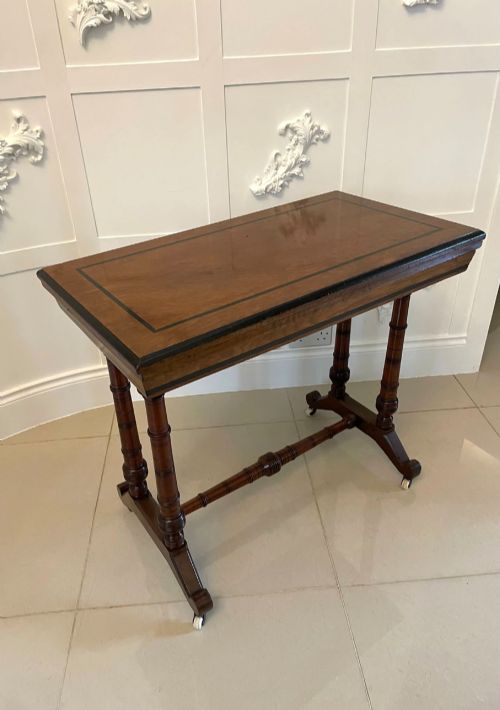
An antique folded side table adapts to changing spaces through clever folding tops, flap leaves and concertina actions.
Antique Folded Side Table
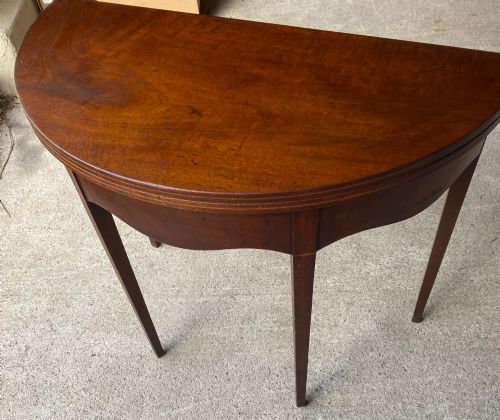
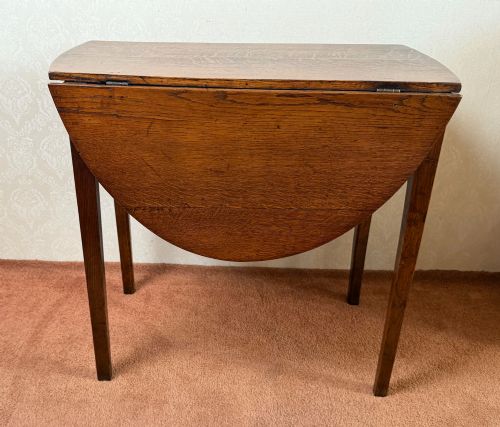
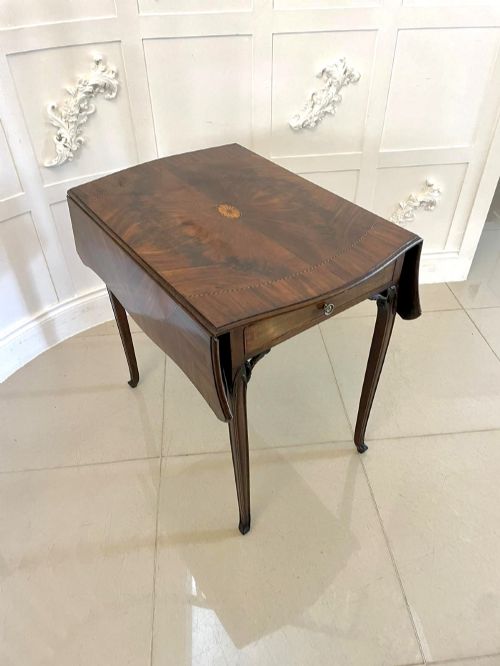
Mahogany and rosewood appear frequently alongside oak, walnut and satinwood, reflecting the preferences of Georgian, Regency, Victorian and Edwardian makers. Forms range from Pembroke and Sutherland tables to demi-lune console tables and butler trays on stands.
The selection includes specialised pieces such as campaign folding tables, coaching tables and metamorphic writing tables designed for specific domestic or travel functions.
Materials and Technique
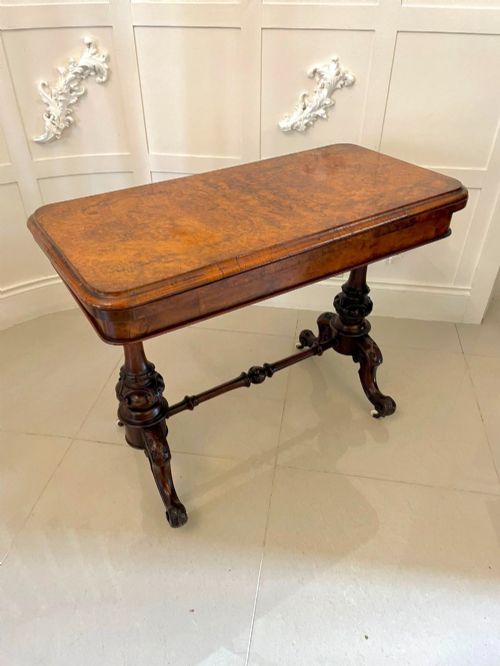
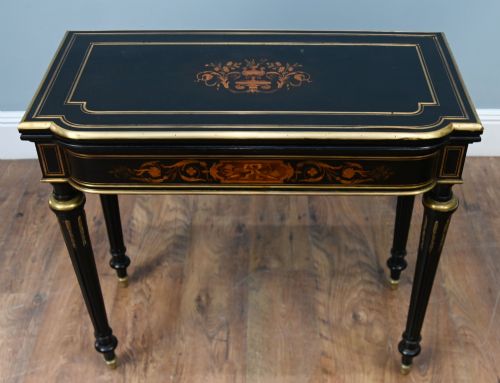
Cabinet makers built these tables using solid timbers like mahogany, oak and walnut, often applying decorative veneers such as burr yew, burr walnut and kingwood to prominent surfaces. Inlays of boxwood, brass and satinwood delineate borders and geometric motifs.
Hinges, concertina frames, drop leaf brackets and brass mounts enable the folding and pivoting mechanisms integral to these tables. Secondary woods support internal structures, while French polishing and wax finishes seal the exterior timbers.
Listings feature woods spanning mahogany, oak, walnut, rosewood, satinwood, boxwood, metal and brass across Georgian, Victorian and Edwardian periods.
Distinctions in Standard
Quality rests in the crispness of carved details, the precision of inlaid stringing and marquetried scenes, and the selection of figured timbers like burr walnut or rosewood. Superior examples maintain alignment when folded and exhibit smooth action in their pivoting or concertina mechanisms.
Lesser pieces display simpler secondary woods, plainer grain patterns and more basic structural joints without decorative brass work or intricate edge banding.
The Antique Folded Side Table Glossary
- Demi-lune
- A half-moon shape commonly found on console and tea tables designed to stand flat against a wall.
- Concertina action
- An expanding framework that supports a folding top evenly when opened out for games or dining.
- Pembroke table
- A drop leaf table featuring two hinged flaps on opposite sides and typically a single drawer.
- Sutherland table
- A narrow table with exceptionally slender drop leaves supported by swinging gate legs.
- Marquetry
- Decorative patterns formed by fitting together contrasting veneers of wood or metal into a design.
Antique Folded Side Table: Frequently Asked Questions
How do I use a folded side table daily?
These tables function well against a wall as console surfaces when closed, saving floor space in smaller rooms. Opening the leaves creates a stable area for writing, tea or card games when needed.
Their dual nature makes them practical for modern living rooms and hallways where flexibility in surface area matters.
What is the difference between a card table and a tea table?
Card tables usually feature a folding top lined with baize or felt for gaming, often supported by a swing leg or concertina mechanism. Tea tables are designed to hold tea service items and frequently use a pivoting top with a well beneath.
Both types evolved through the Georgian and Victorian periods to serve specific social rituals.
How do I identify a Regency period table?
Regency tables often incorporate classical architectural motifs, brass inlay, sabre legs and rich mahogany or rosewood timbers. The lines lean toward Grecian and Roman inspirations popular in the early nineteenth century.
Proportions remain balanced with an emphasis on clean structural forms and contrasting metal accents.
Are drop leaf tables sturdy enough for regular use?
Solid construction in woods like oak and mahogany allows drop leaf tables to support everyday items securely. The stability depends on the tight fit of the swing legs or gate supports holding the leaves.
Properly maintained hinges and wooden pivots ensure the flaps remain level under normal weight.