
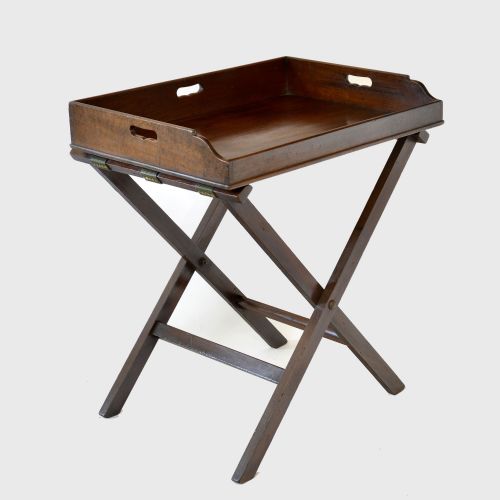



Antique Fold Out Table
An antique fold out table provides a clever surface that expands when required and rests compactly against a wall.
Antique Fold Out Table
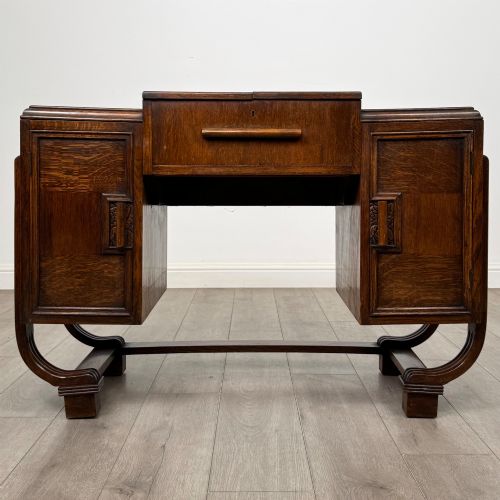
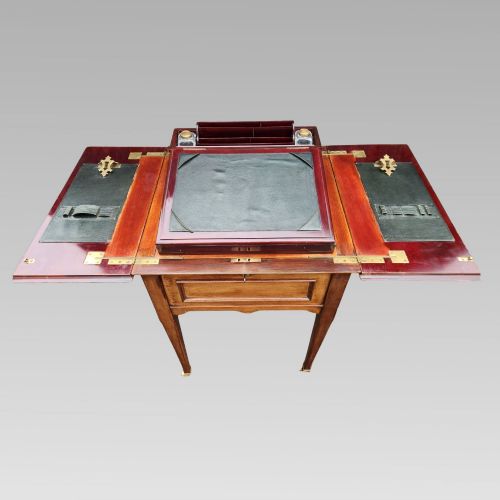
These pieces encompass clever furniture forms designed to adapt to domestic needs through folding, pivoting, or lifting mechanisms. When searching for an antique fold out table, buyers encounter formats ranging from card and games tables to writing desks and tea tables.
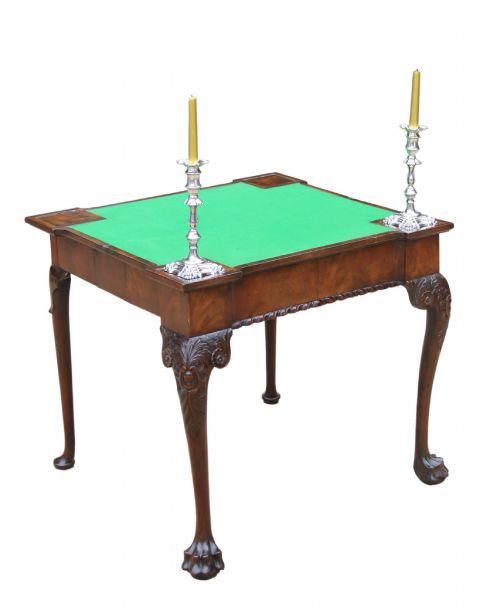
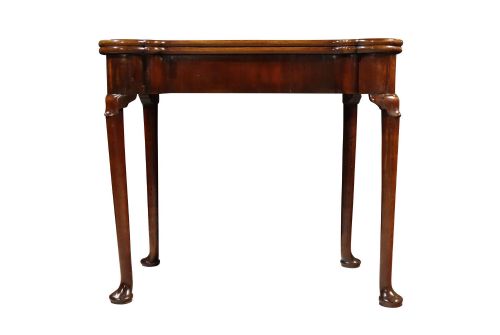
The selections span several distinct historical periods, featuring examples from the eighteenth century, Georgian and Regency eras, through to Victorian and Edwardian interpretations. Card tables and games tables dominate the selection, often incorporating baize-lined surfaces intended for pastimes.
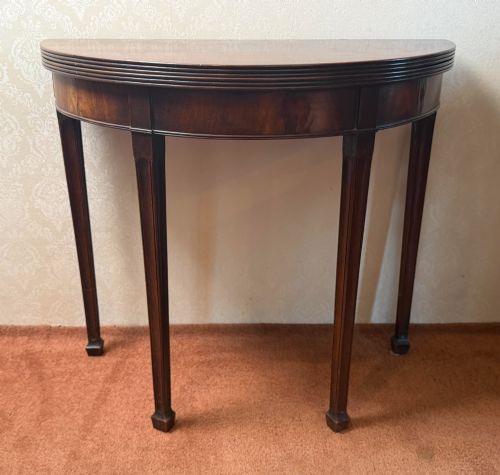
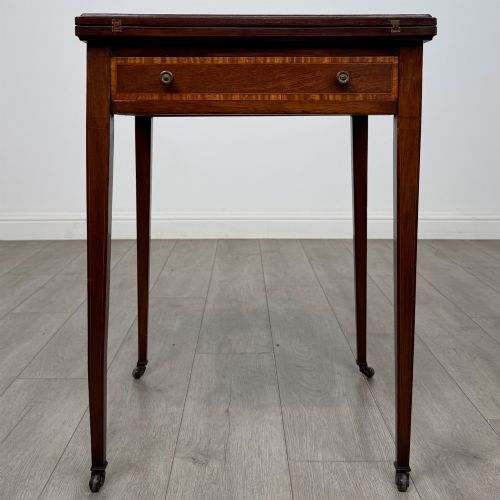
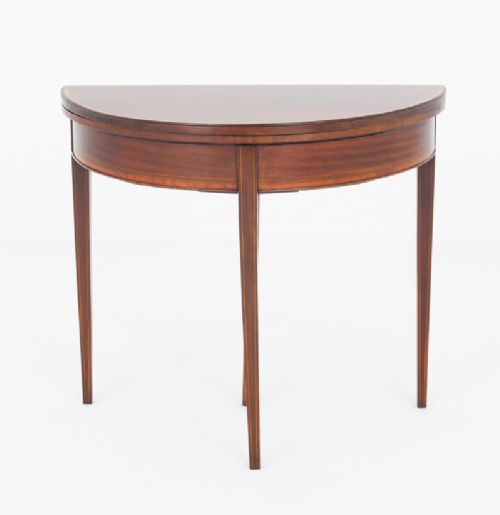
Makers utilised various configurations, including demi-lune shapes, envelope folds, and concertina actions to expand the top surface. Each variation serves a specific domestic function while maintaining a tidy footprint when closed.
Assessing quality and craftsmanship
The refinement of the timber and the precision of the folding mechanism distinguish standard examples from finer pieces. Superior tables feature well-figured mahogany or delicate satinwood veneers that align neatly across the folding joints.
Hinges and internal actions should operate smoothly without excessive play in the joints when the leaf is extended. The crispness of carved details, such as those found on Georgian and Edwardian revivals, further indicates the skill of the original maker.
The Antique Fold Out Table Glossary
- Demi-lune
- A half-moon shape commonly found on the tops of card tables designed to sit flat against a wall.
- Concertina action
- An expanding frame mechanism that pulls outward to support a folding table leaf evenly on all four sides.
- Baize
- A coarse woolen fabric used traditionally to line the playing surfaces of antique card and games tables.
- Envelope card table
- A square table top featuring four triangular flaps that fold inward to reveal a concealed compartment.
- Marquetry
- Decorative patterns formed by inserting thin pieces of wood and contrasting materials into a veneered surface.
Antique Fold Out Table: Frequently Asked Questions
What were antique fold out tables used for?
These tables served multiple domestic purposes, primarily functioning as surfaces for card games, tea, or writing. Owners opened them when hosting guests and folded them down to save space during daily routines.
Card tables often included dished wells for counters and candlesticks, whilst writing tables incorporated fitted compartments for stationery.
How do I identify the period of a folding table?
Dating relies on examining the timber species, construction methods, and prevailing stylistic details of the era. Eighteenth-century pieces often display dense mahogany and crisp hand-carved legs, whereas Edwardian revivals employ lighter satinwood and machine-cut veneers.
Hardware such as brass hinges and interior framing also provide clues to the manufacturing decade.
Where should I place an antique folding table?
These pieces suit living rooms, hallways, and studies where surface space is needed intermittently. Placed against a wall in the closed position, a demi-lune or rectangular table acts as a console for lamps or decorative objects.
Opening the leaf transforms the piece into a functional centre table or game surface when required.
How do folding mechanisms differ between eras?
Earlier eighteenth-century tables frequently utilise concertina actions or swing legs to support the opened leaf. Later Victorian and Edwardian examples often introduce envelope folds, swivel tops, and lift-action brackets.
Each mechanism reflects the engineering capabilities and domestic fashions of its specific time.