


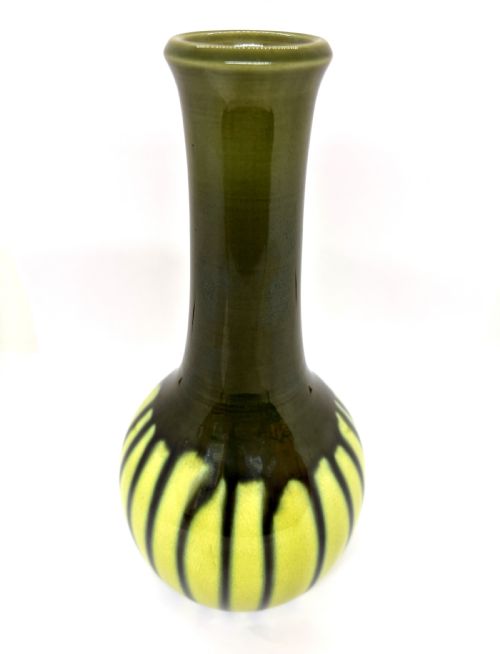
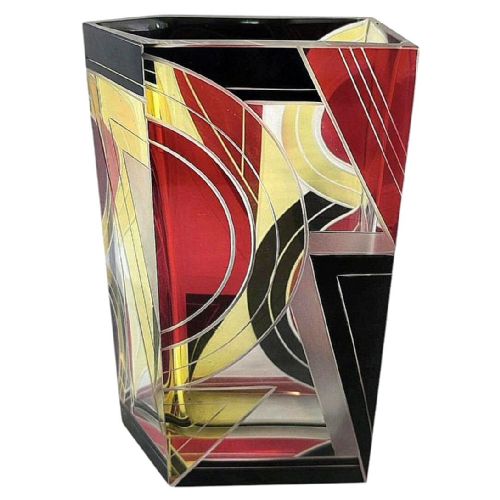
Antique Flower Vessel
An antique flower vessel brings organic form and historic craftsmanship into a room, holding stems just as naturally as it did a century ago.
Antique Flower Vessel
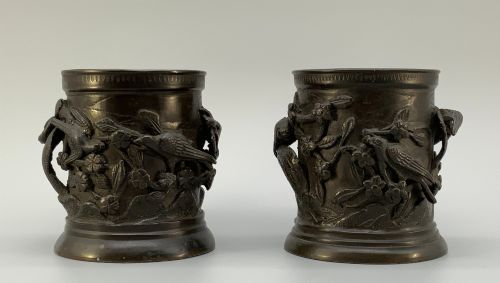
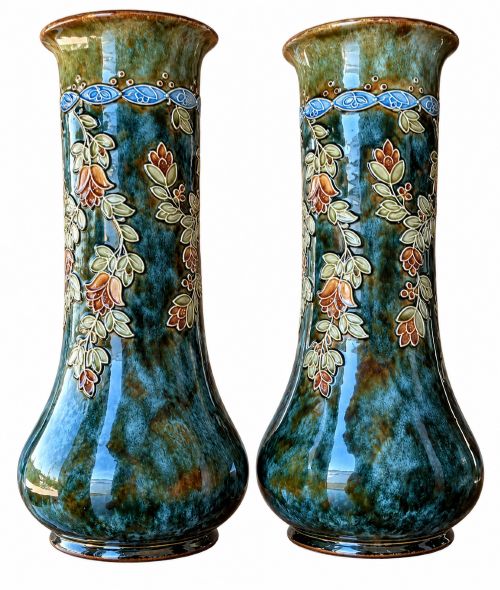
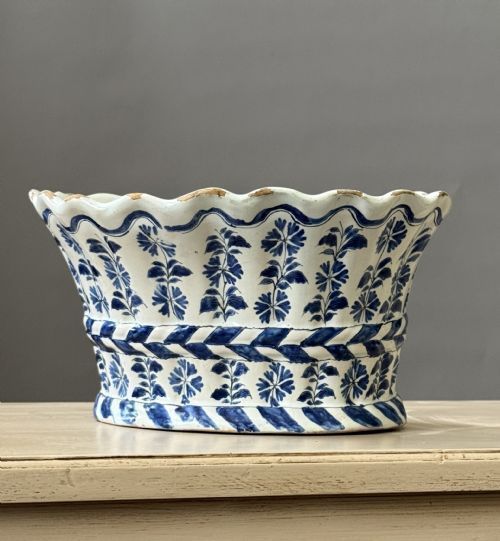
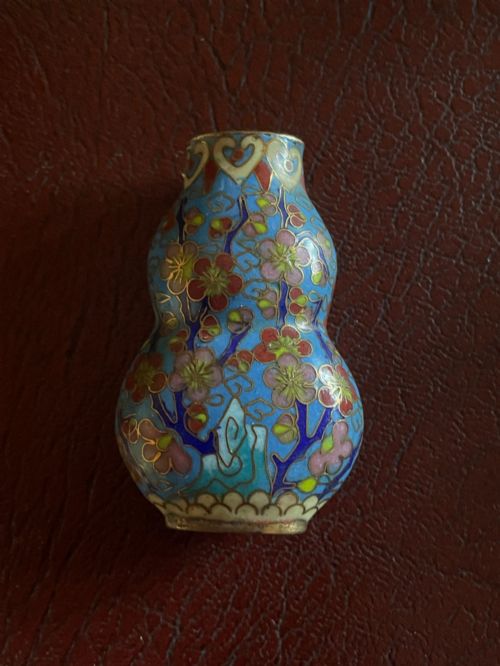
An antique flower vessel encompasses everything from slender glass vases and heavy bronze jardinieres to ceramic rose bowls and woven display baskets. Pieces span the eighteenth, nineteenth and early twentieth centuries, drawing heavily upon Victorian, Arts and Crafts, and Art Nouveau aesthetics.
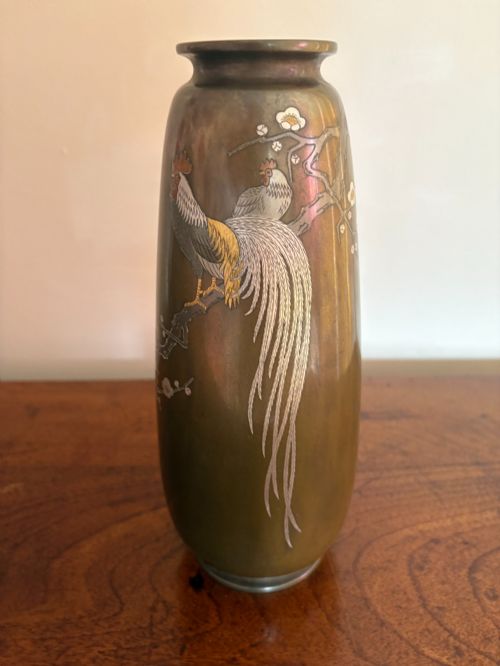
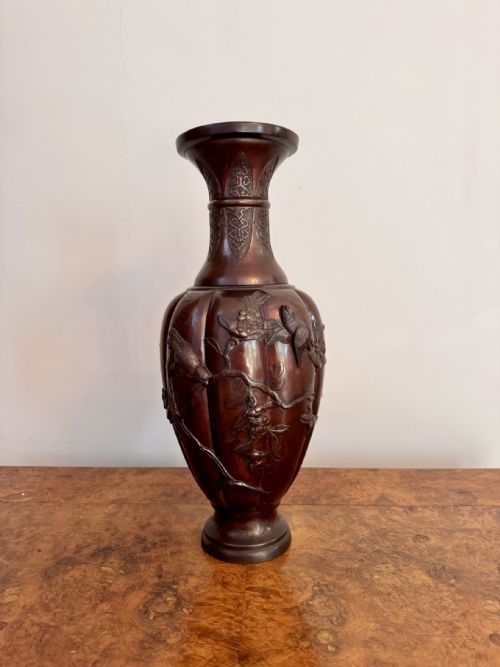
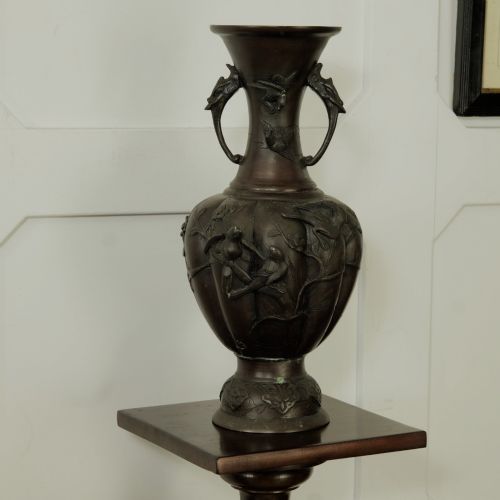
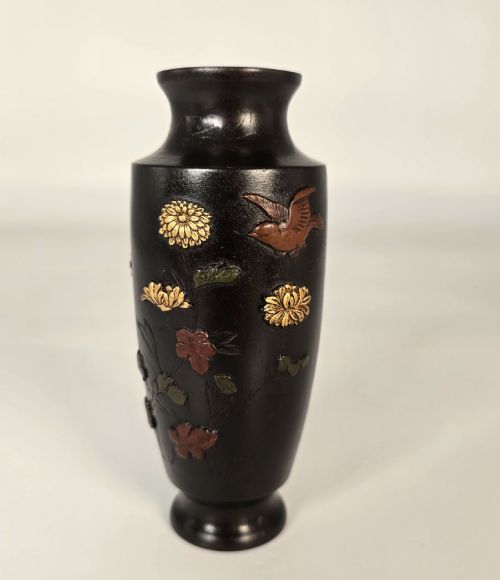
Japanese Meiji period bronzes and Chinese porcelain jars appear frequently alongside European stoneware and enamelled glass. Forms range from miniature vessels and twin-handled urns to large planters designed for interior foliage.
How they were made
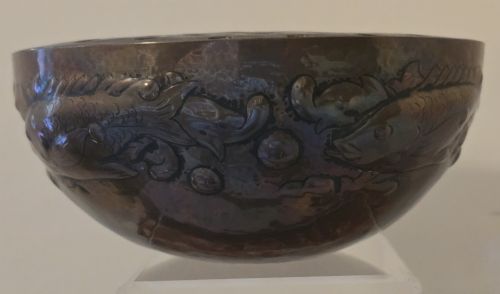
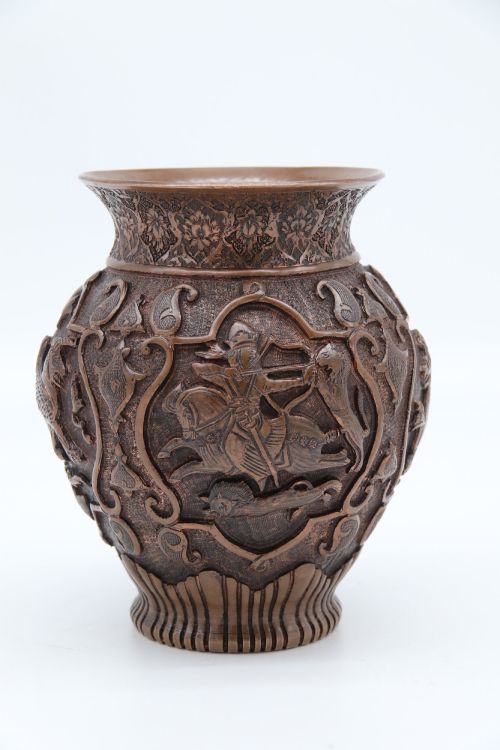
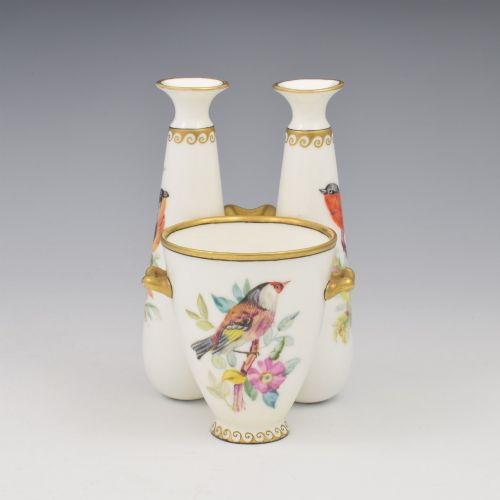
Metal vessels utilise bronze, copper and brass formed through casting, hand-hammering or repoussé work, often featuring inlaid details or applied patina. Ceramic and porcelain pieces combine traditional throwing with intricate hand-painted glazes, transfer printing, or raised enamel decoration.
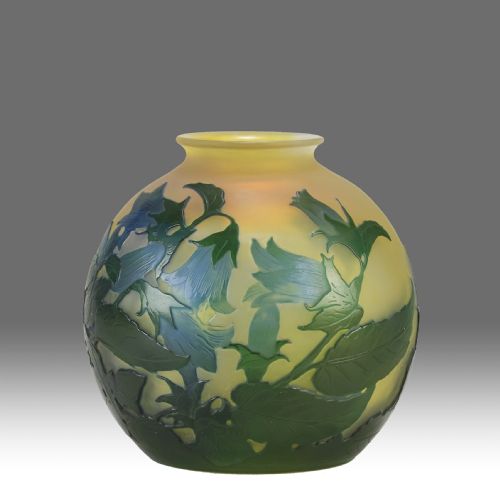
Glass creations involve cameo carving, acid etching or iridescent surface treatments applied while molten or during subsequent cooling stages.
The selection includes pieces spanning the eighteenth century through the Arts and Crafts and Art Nouveau movements into the 1930s.
What varies in quality
The distinction lies in the crispness of execution, from the depth of chisel work on a bronze surface to the precision of brushstrokes on porcelain and enamel. Substance and balance also matter, as finer examples maintain a harmonious weight and proportion rather than relying entirely on surface pattern.
Royal Doulton·Newlyn Copper·Emile Gallé·Royal Worcester·Burmantoft's Pottery·Kralik·Doulton Lambeth Faience·Legras·Keswick·Makuzu Kozan II
The Antique Flower Vessel Glossary
- Jardiniere
- A decorative ceramic, metal or stone pot used for holding indoor plants or cut flowers. They often sit on matching pedestals or table centres.
- Repoussé
- A metalworking technique where the artisan hammers the design from the reverse side to create a raised relief pattern on the front. This method gives copper and brass a tactile, three-dimensional texture.
- Meiji Period
- The era in Japanese history spanning from 1868 to 1912, noted for exceptional bronze casting and intricate decorative arts exported to the West.
- Cameo Glass
- Glassware produced by layering two or more coloured opaque glasses and carving away the outer layer to leave a contrasting relief design.
Antique Flower Vessel: Frequently Asked Questions
How do I clean an antique copper vessel?
Dust the surface gently with a soft dry cloth to preserve any historic patina that has formed over the decades. Avoid abrasive chemical polishes that strip away the aged character of the metal.
For interior cleaning where water is used, dry the inside thoroughly afterwards to prevent moisture damage or active corrosion.
Can I use these vessels for fresh flowers?
Many metal and ceramic vessels hold water safely, though you should inspect glazed interiors for hairline cracks before filling them. Glass and porcelain pieces generally function well for displays.
For delicate antique baskets or unsealed stoneware, place a small glass or plastic liner inside to protect the historic material from moisture.
How do I identify an Art Nouveau piece?
Look for flowing, asymmetrical lines inspired by natural forms such as stems, seed pods, and insect wings. Surfaces often feature iridescent glass finishes or whiplash curves.
Stylised floral motifs and stylised plant stems dominate both the metalwork and the painted glass designs from this period.
What is a bough pot?
A bough pot is an early form of flower holder specifically designed with a pierced lid to keep tree branches and heavy stems upright. They were popular in eighteenth-century interiors for displaying seasonal greenery.
Examples often feature delftware or porcelain construction with painted landscape or floral scenes.