

Antique Floral Textile
An antique floral textile brings texture, history and pattern into a room through centuries of woven and embroidered artistry.
Antique Floral Textile
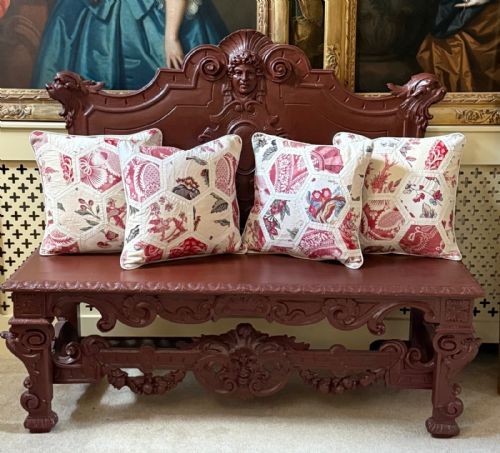
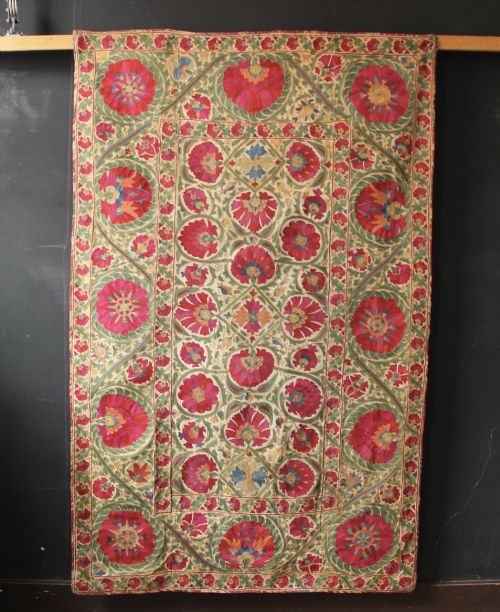
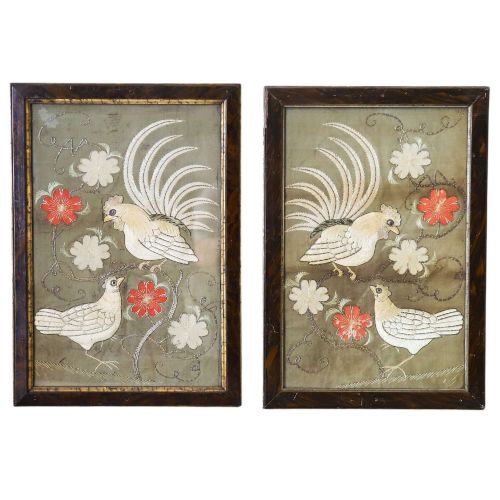
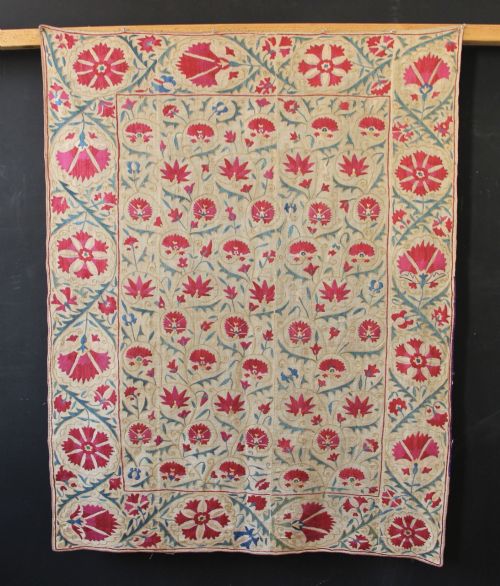
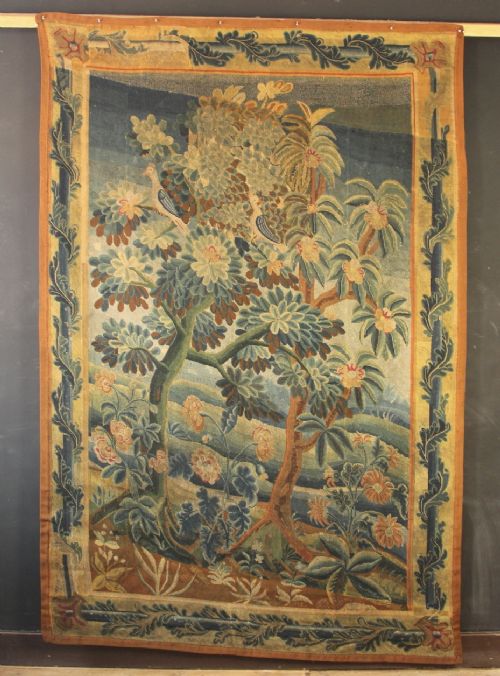
An antique floral textile encompasses a broad range of historic decorative items, from large wall hangings and tapestries to smaller cushions and embroidered panels. When searching for an antique floral textile, buyers typically encounter pieces created across Europe and Central Asia, spanning centuries of craftsmanship.
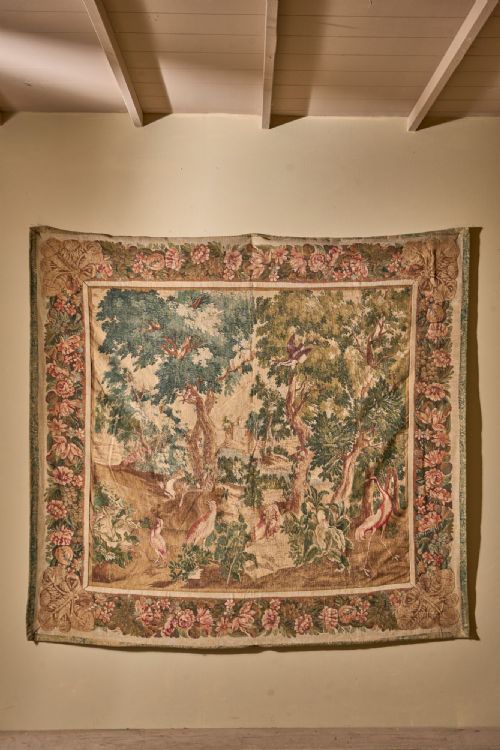
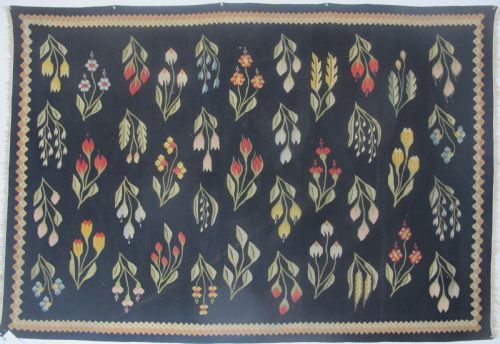
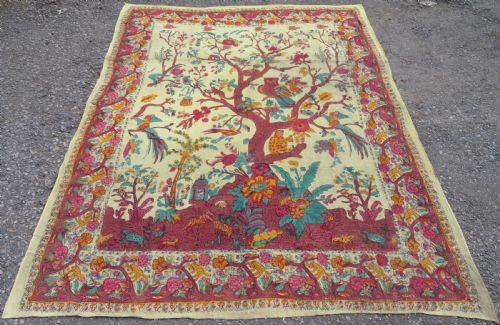
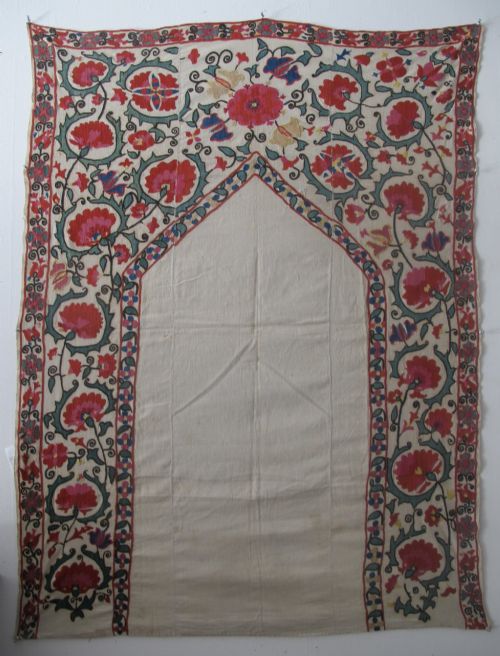
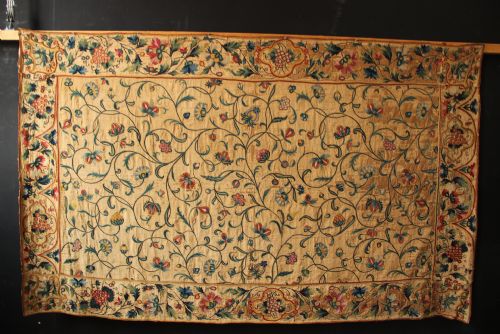
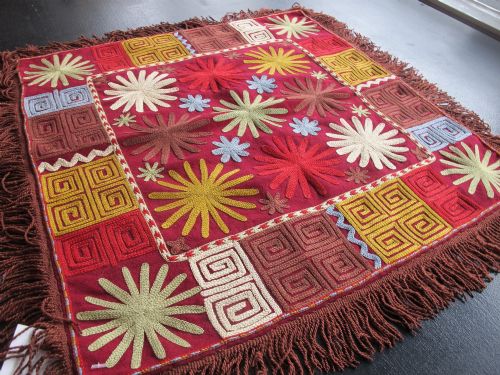
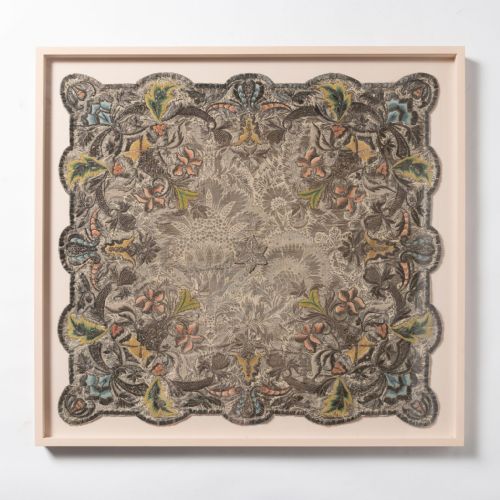
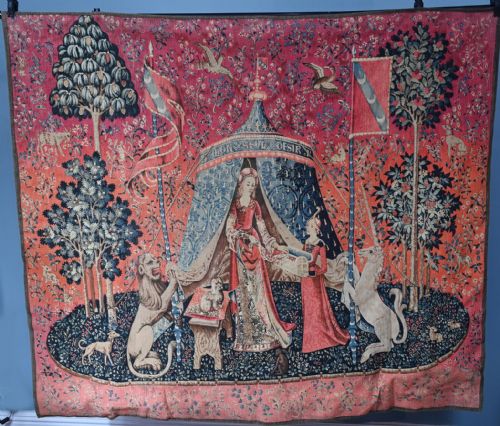
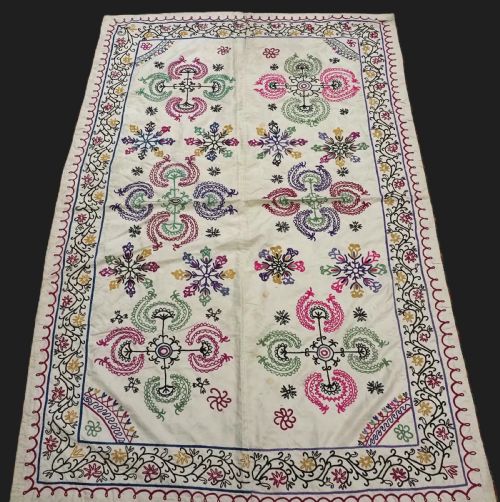
The selections on this page feature diverse forms such as Uzbek suzanis, French silk embroideries, Persian Rasht panels, and Flemish tapestry fragments. These items reflect traditional motifs, regional techniques, and domestic or ceremonial uses from periods reaching back to the seventeenth century.
Makers utilised various textile formats to display botanical designs, incorporating blooms and foliage into wall art, bed covers, and saddle covers. Each piece demonstrates the enduring appeal of floral patterns rendered in wool, silk, linen, and cotton.
What varies in quality
The distinction between standard and exceptional pieces rests upon the density of the needlework, the precision of the botanical drawing, and the vibrancy of the surviving materials. Fine examples exhibit tight, even stitches and well-balanced compositions that display the maker's complete control over the medium.
Condition and originality heavily influence the standing of a textile, with well-preserved grounds and minimal intervention maintaining the integrity of the historic piece. The complexity of the floral layout and the harmonious use of coloured threads further elevate the stature of an item.
Listings feature textiles spanning from the seventeenth to the twentieth century, created using silk, wool, cotton, linen, wood, and glass.
The Antique Floral Textile Glossary
- Suzani
- An embroidered and traditionally tribal textile originating from Central Asia, often featuring bold floral medallions and vine motifs worked in silk on a cotton or linen ground.
- Crewelwork
- A type of embroidery utilising wool yarn on a sturdy fabric foundation, frequently seen in early English decorative panels and wall hangings.
- Lampas
- A complex woven textile structure featuring a pattern formed by weft floats against a ground weave, common in historic European decorative silks.
- Palampore
- A large, hand-painted or printed cotton bed cover or hanging, historically produced in India for export markets with elaborate tree-of-life and floral designs.
- Needlepoint
- A form of canvas work embroidery where yarn is stitched through a stiff open-weave mesh to create dense, pictorial floral surfaces.
Antique Floral Textile: Frequently Asked Questions
How should I hang an antique textile?
Wall hangings and tapestries benefit from professional mounting methods that distribute weight evenly across the entire upper edge. Sewing a cotton sleeve to the back to accept a padded wooden batten prevents undue strain on fragile historic fibres.
Direct sunlight and high humidity cause fading and degradation in delicate silk and wool yarns. Displaying pieces away from windows and heat sources preserves the natural colour and structural integrity over time.
How do I clean antique textiles?
Historic textiles require extreme caution and professional conservation cleaning rather than standard domestic washing methods. Vacuuming through a protective mesh screen on a very low suction setting removes surface dust safely.
Water and chemical detergents can cause historic dyes to bleed and brittle fibres to disintegrate completely. Consulting a textile conservator is essential for addressing any staining or deep-seated dirt.
What is Persian Rasht embroidery?
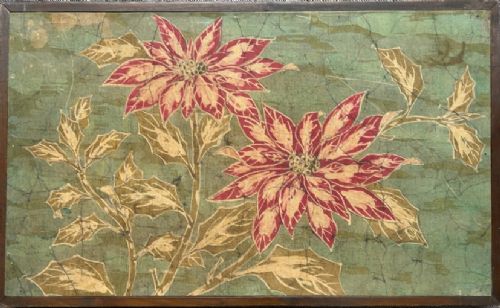
Rasht embroidery is a traditional form of textile art from northern Iran characterised by intricate applique and inlay work. Artisans stitch coloured pieces of felt and silk together to form detailed floral patterns on a contrasting felt ground.
These panels often serve as decorative wall hangings or covers, displaying rich textures and bold botanical designs. Their distinctive technique sets them apart from standard needle-embroidered textiles.