


Antique Floral Sculpture
Antique floral sculpture brings botanical forms into metal, wood, and porcelain, offering lasting decorative elegance for your interior spaces.
Antique Floral Sculpture
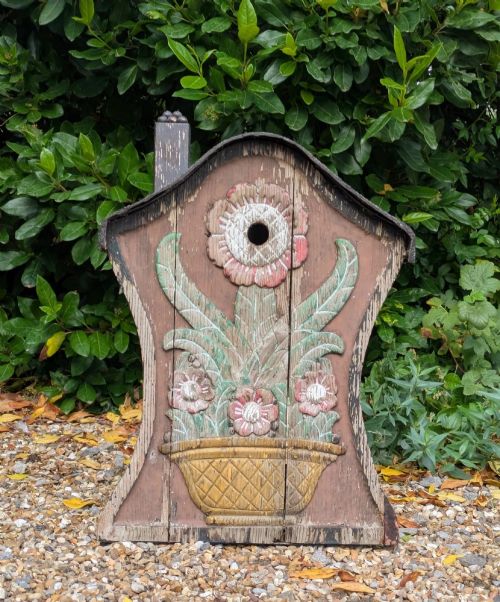
When you search for antique floral sculpture, you encounter a varied selection of pieces spanning the eighteenth, nineteenth, and early twentieth centuries. These works take several distinct forms, including carved wooden wall reliefs, porcelain figurines, bronze vases of roses, and botanical models. Victorian and Edwardian examples sit alongside French Art Nouveau terracottas and Scandinavian folk art pieces.
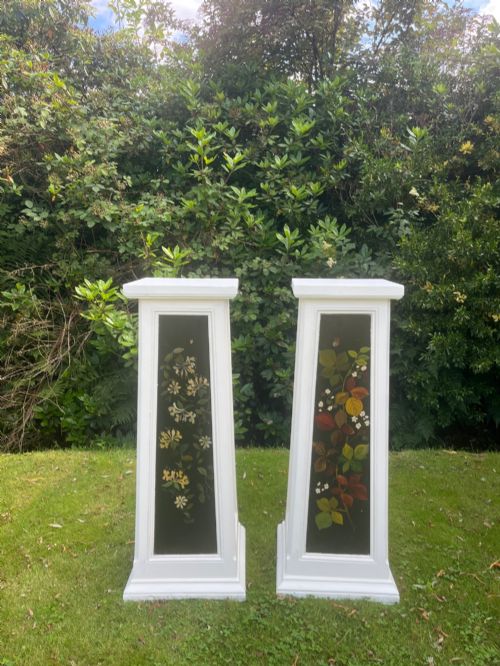
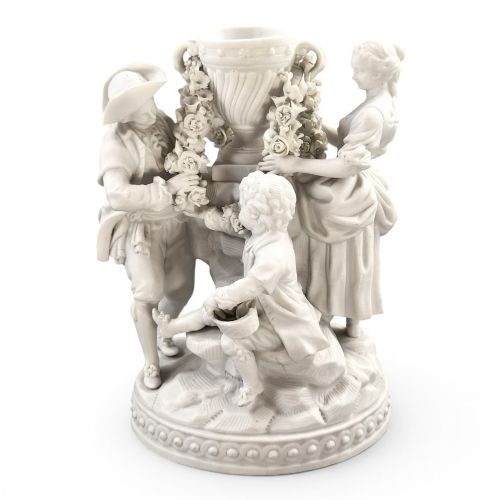
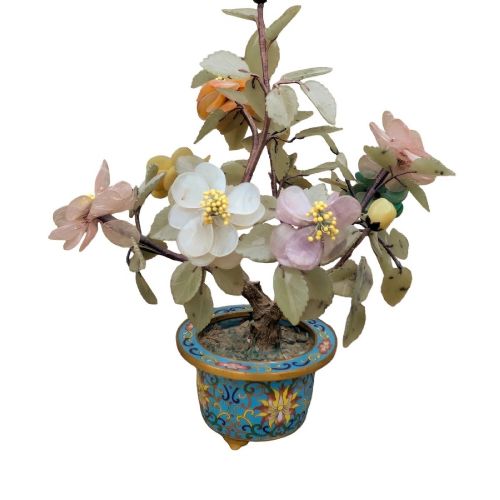
Porcelain and bronze versions dominate the selection, often rendered in Neoclassical, Rococo Revival, or Aesthetic Movement styles. You will find items ranging from painted pedestals and biscuit porcelain sculptural groups with floral garlands to hardstone flowering bonsai trees and cast iron paperweights.
How they were made
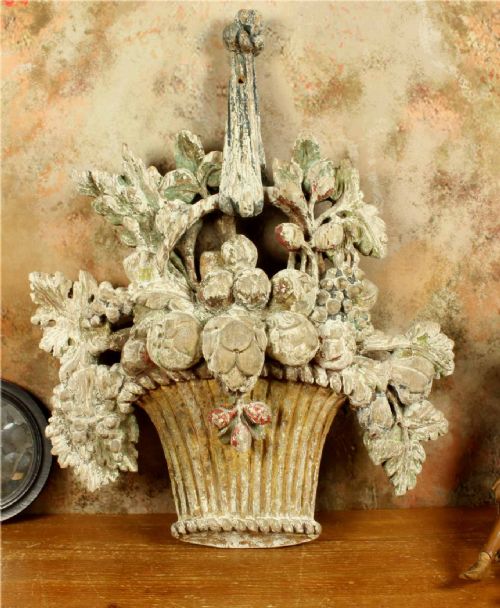
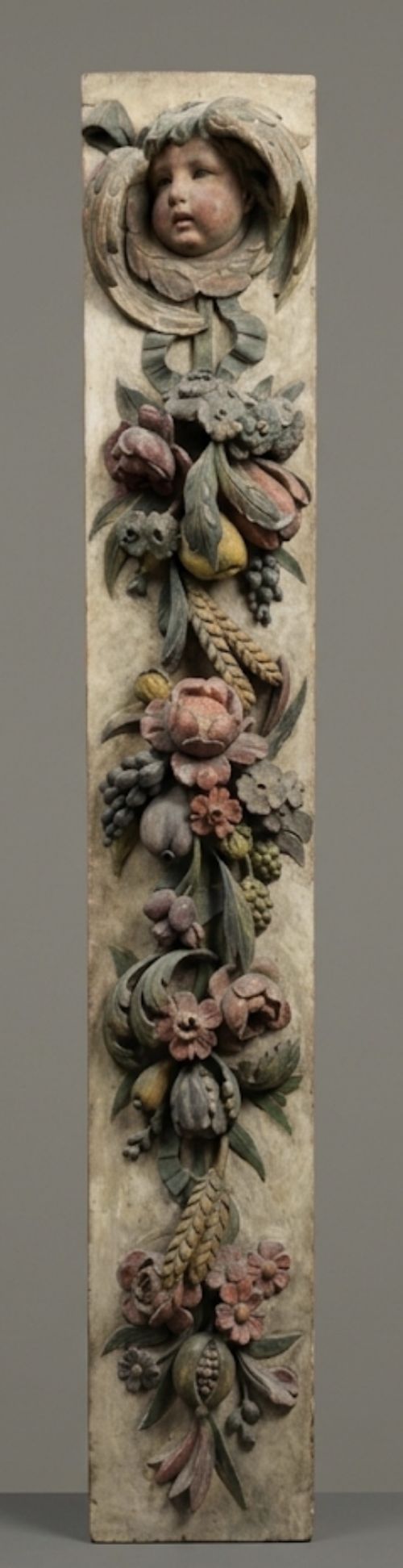
Artisans fashioned these works using traditional materials such as porcelain, bronze, wood, terracotta, and Ashford black marble. Metal pieces often utilise casting techniques, while wooden panels and wall reliefs display skilled hand carving and polychrome paintwork.
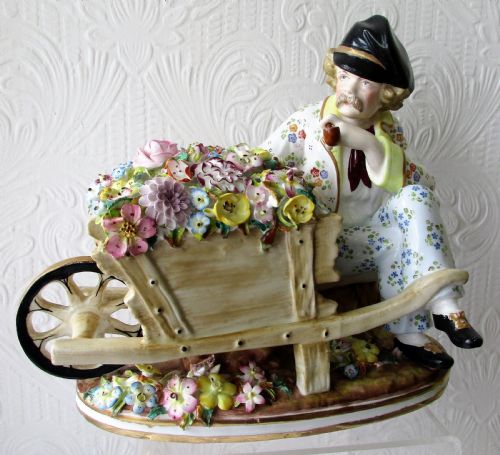
Porcelain items combine moulded ceramic bodies with delicate hand-painted enamel colours and occasional gilding with gold leaf. Terracotta and plaster botanical models rely on careful modelling to capture natural plant forms with precision.
Botanical enthusiasm reached such heights that even desktop paperweights and cast iron doorstops transformed into blooming stone obelisks and heavy floral sculptures.
What varies in quality
The degree of fine detail in modelling distinguishes the finer examples from standard production pieces. In carved wood and porcelain, the crispness of the petals and leaves demonstrates the artisan's control over the material.
The sophistication of the surface finish also determines the calibre of the piece. Subtle polychrome painting, well-executed bronze patination, and precise pietra dura inlay work indicate superior craftsmanship.
John Bevington·Royal Worcester·Hans Müller·Charles Korschann·A. Gory
The Antique Floral Sculpture Glossary
- Biscuit porcelain
- Unglazed porcelain fired at a high temperature, yielding a matte, marble-like finish. This surface texture highlights fine sculptural details without glossy reflection.
- Polychrome
- Decorated in multiple colours. This technique brings painted wooden panels and ceramic surfaces to life.
- Pietra dura
- An artistic technique using cut and fitted polished coloured stones to create mosaic images. It appears frequently on decorative marble obelisks.
- Terracotta
- Baked red-orange clay used for sculptural modelling. Sculptors utilise this versatile material to achieve fluid lines.
- Repoussé
- Metalworking technique where a malleable metal is hammered from the reverse side to form a raised design. It creates tactile relief on decorative objects.
Antique Floral Sculpture: Frequently Asked Questions
How do I display a bronze vase of roses?
Place your bronze sculpture on a sturdy mantelpiece or a dedicated pedestal where adequate lighting can catch the patination and sculptural relief. Ensure the display location remains free from excessive moisture to preserve the metal finish.
Pair the piece away from direct, harsh sunlight to maintain the integrity of any applied finishes or surrounding wooden surfaces. Allowing sufficient surrounding space lets the botanical details stand out clearly.
How do I clean antique porcelain floral garlands?
Dust your porcelain pieces gently using a soft, dry artist's brush to reach between delicate petals without causing damage. Avoid using water or chemical cleaners, which can harm historic painted enamel surfaces and gold leaf.
Handle the items only by their sturdier structural sections rather than thin protruding leaves or stems. Regular, gentle maintenance prevents dust accumulation in intricate crevices.
How do I distinguish Victorian from Art Nouveau pieces?
Victorian items frequently exhibit formal symmetry and revivalist influences such as Rococo curves and classical motifs. They tend to employ structured porcelain groupings and traditional casting.
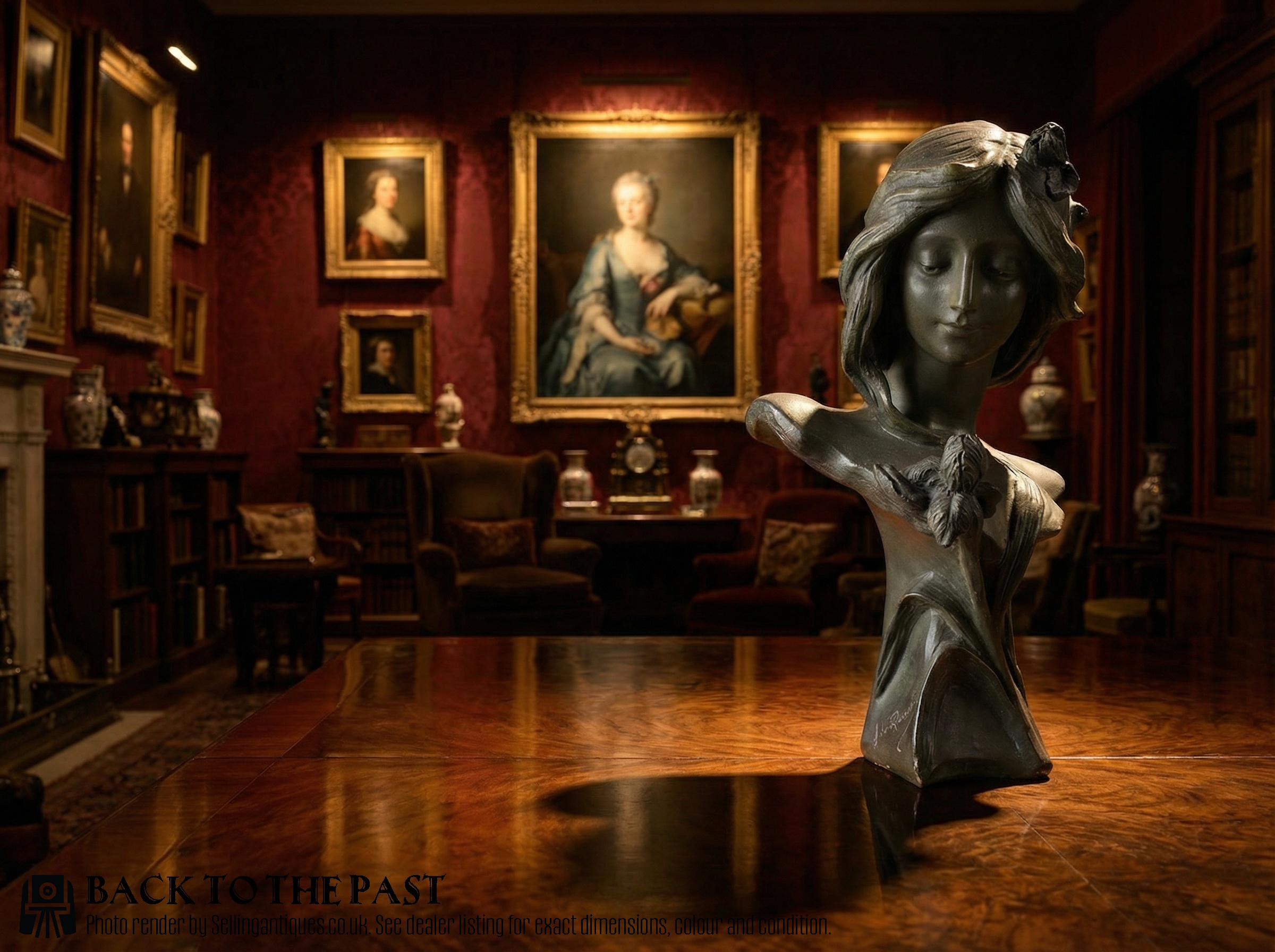
Art Nouveau works embrace flowing, organic asymmetry inspired directly by natural plant growth. You will notice whiplash lines and stylised floral forms particularly in bronze and terracotta figures from this later period.