



French Decorative Bust
These french decorative bust examples bring character to a room through sculpted portraits and figures rendered in marble, bronze, and terracotta.
French Decorative Bust
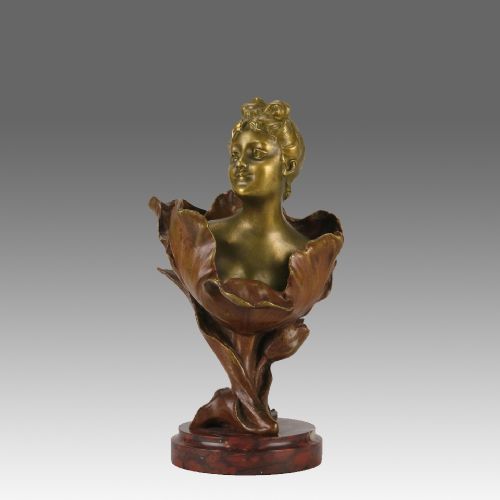
A French decorative bust is a sculpted portrait or figure capturing a subject from the chest up, typically produced across the nineteenth and early twentieth centuries. When searching for a french decorative bust, buyers encounter various forms including classical figures, allegorical subjects, and historical portraits.
The pieces available span multiple historical periods and aesthetic movements, featuring styles from Art Nouveau and Neoclassical to Rococo Revival and French Renaissance Revival. These works often function as standalone sculptures or integrate into functional items such as inkwells and mantel clocks.
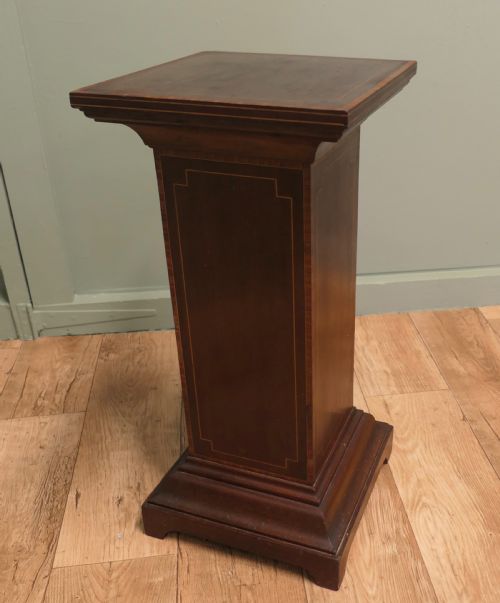
Makers and sculptors of the era employed diverse materials to achieve realistic or stylised representations of the human form. Alongside the primary portrait sculptures, related supports such as pedestals and plinths appear frequently within this category.
Materials and Construction Techniques
Sculptors utilised traditional media including Carrara marble, alabaster, terracotta, and cast metals such as bronze, gilt bronze, ormulu, and spelter. These materials allowed artisans to model intricate details in hair, drapery, and facial expressions.
Many works combine disparate elements, mounting metal or terracotta figures upon marble bases or integrating them into functional bronze and marble inkwells and clocks. Painted plaster and carved walnut also served as foundational materials for both the busts and their accompanying pedestals.
Listings feature items from the nineteenth and early twentieth centuries, spanning Art Nouveau, Neoclassical, and Rococo styles.
Evaluating Quality and Execution
Material selection and patination also dictate the caliber of a piece. Original patinas on bronzes and genuine veining in marbles distinguish masterworks from later or more commercial productions.
Henri Godet·P H Mourey·Auguste Moreau
The French Decorative Bust Glossary
- Spelter
- A zinc alloy commonly utilised as a less expensive alternative to bronze for decorative sculptures. It is frequently painted or electroplated to simulate other metals.
- Ormolu
- Gilded bronze applied to furniture, clocks, and decorative objects. The technique involves creating a mercury-gilt coating on a bronze base.
- Terracotta
- Fired clay used for sculptural works. It ranges in finish from plain reddish-brown earthenware to painted or patinated surfaces.
- Patina
- The surface appearance or coloration developed on metal, wood, or stone over time or through chemical treatment. It adds depth and character to the material.
- Plinth
- A heavy base supporting a statue, vase, or bust. It elevates the sculptural work for display.
French Decorative Bust: Frequently Asked Questions
What materials were used?
Sculptors and makers utilised a range of media including marble, terracotta, alabaster, and cast metals such as bronze, gilt bronze, and spelter. Walnut and painted plaster also appear in supports and pedestals.
Combinations of these materials frequently occur, particularly in mantel clocks and inkwells where metal figures are mounted on stone bases.
How do I date a piece?
Dating relies on stylistic markers associated with specific periods such as Art Nouveau, Neoclassical, and Rococo Revival. Materials and manufacturing techniques also provide clues to the era of production.
Inscribed signatures or foundry marks can offer direct evidence of the maker and the time of creation.
Where should I place a bust?
These sculptures suit prominent locations where their detailing can be appreciated, such as on mantelpieces, desks, or dedicated pedestals and plinths. Their size and material dictate the appropriate surface.
Matching the period of the bust to surrounding furniture helps integrate the piece into an interior scheme.
Are these pieces functional?
While the majority of busts serve purely decorative purposes, some examples incorporate utility. Sculptures are frequently integrated into mantel clocks and inkwells.
Pedestals and plinths also provide a functional role by elevating the primary sculptural artwork.