
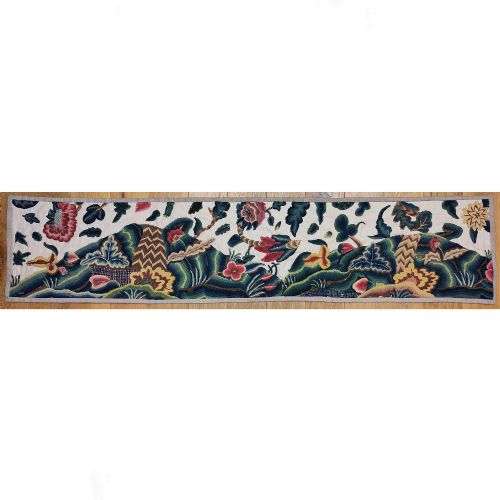


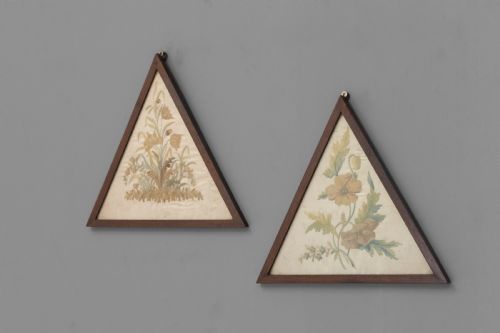
Antique Floral Needlework
These antique floral needlework pieces span centuries of hand-stitched artistry, offering rich botanical motifs that bring texture and historic warmth to any interior.
Antique Floral Needlework
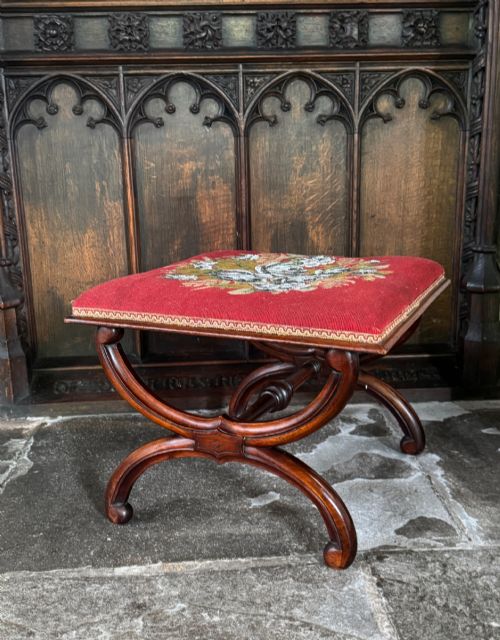
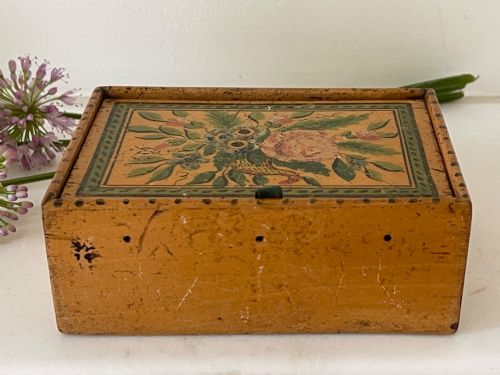
Antique floral needlework encompasses a diverse range of textiles, from framed pictures and wall hangings to upholstered furniture like footstools, ottomans, and armchairs. Pieces originating from the seventeenth through the twentieth centuries demonstrate enduring botanical designs rendered in thread.
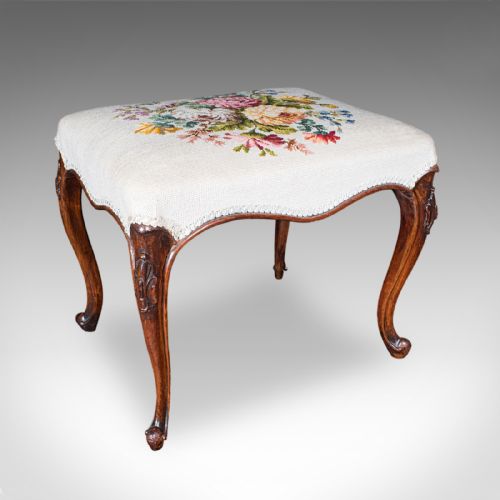
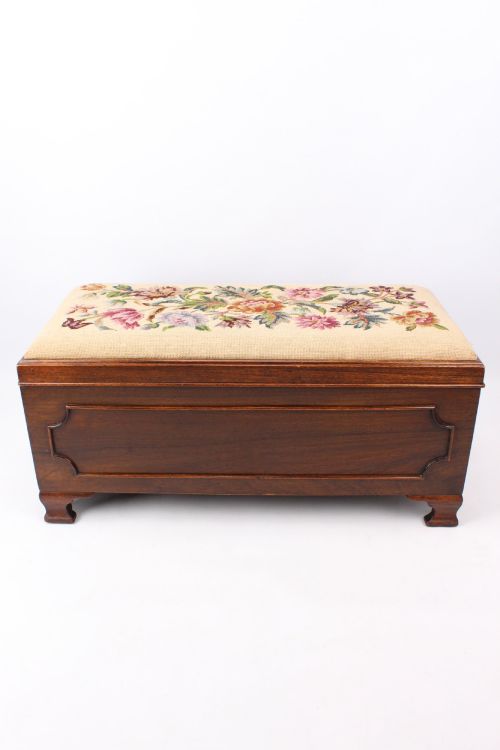
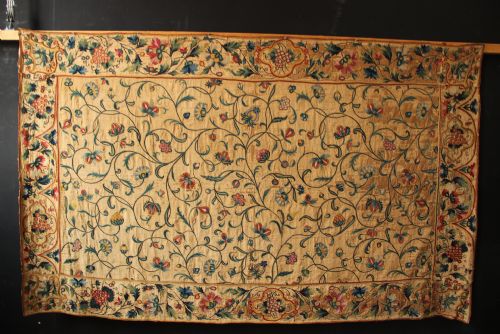
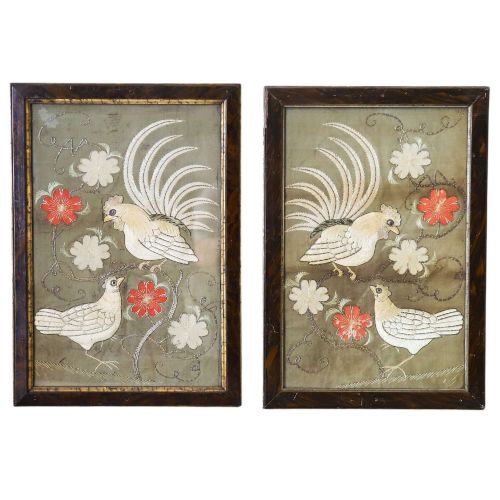
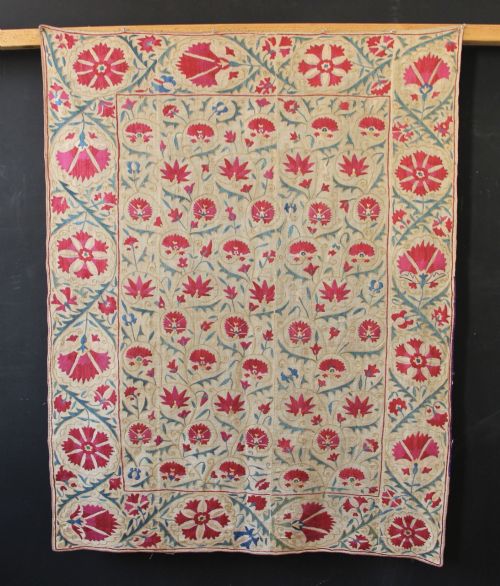
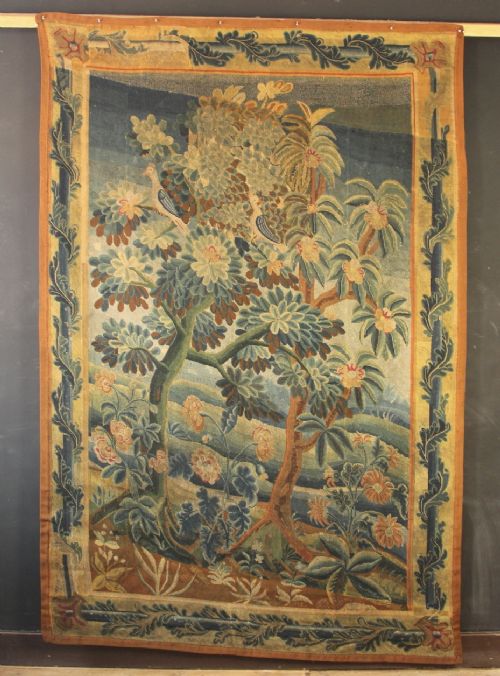
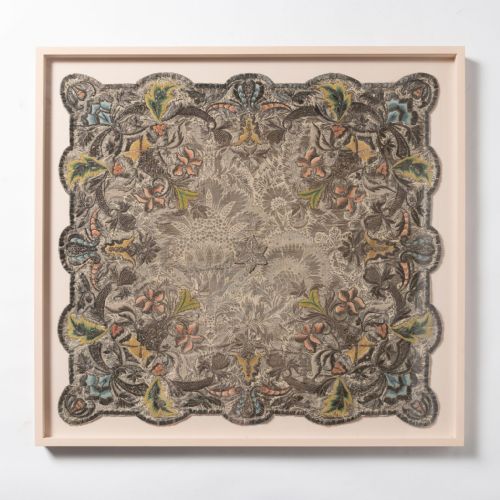
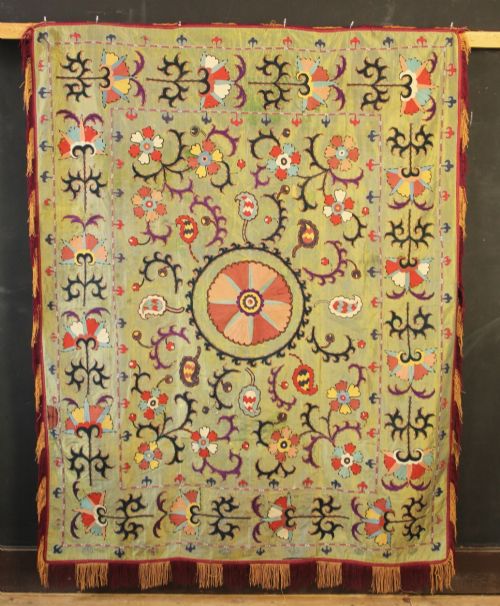
Buyers frequently encounter nineteenth-century English footstools and Victorian needlework panels, alongside Central Asian suzanis featuring intricate floral medallions. European tapestries and framed silkwork panels also appear regularly across the selection.
The phrase covers domestic embroidery alongside grander decorative works, uniting items that employ plant and flower motifs across various functional and ornamental forms.
How they were made
Maker execution relies heavily on foundational textiles such as linen, cotton, wool, and silk, often worked over wooden frames or applied to felt grounds. Threads of silk and wool provide the coloured detail for the floral patterns.
Techniques range from crewelwork and needlepoint to detailed embroidery, beadwork, and appliqué work. Structural elements incorporate walnut, mahogany, rosewood, and glass in items like sewing tables, pole screens, and framed art.
Materials documented across the pieces include silk, wool, cotton, linen, walnut, mahogany, rosewood, and glass.
What varies in quality
Quality rests in the fineness of the stitchwork and the complexity of the design, distinguishing standard domestic items from exceptionally detailed crewelwork or finely executed suzanis. The harmony of the colour palette and the preservation of the textile ground also indicate superior execution.
The supporting frame or mount plays a role, where period materials such as carved gilt-wood or quality mahogany add contextual integrity to the textile. Greater density in the needlework signals higher grade craftsmanship.
The Antique Floral Needlework Glossary
- Suzani
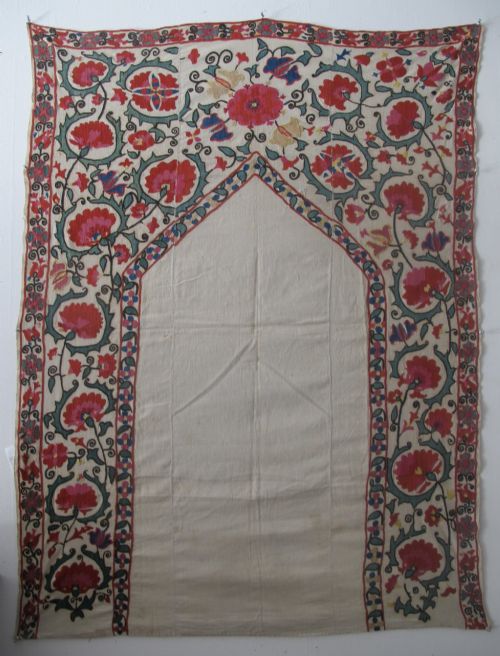
- A type of embroidered tribal textile originating from Central Asia, typically featuring large floral medallions and botanical motifs worked on a cotton or silk ground.
- Crewelwork
- A traditional form of embroidery utilising wool yarn on a linen or cotton fabric base, often seen in early English decorative panels and wall art.
- Needlepoint
- A type of canvas work stitched with yarn or silk where the thread covers the mesh foundation completely to form dense pictorial designs.
- Pole screen
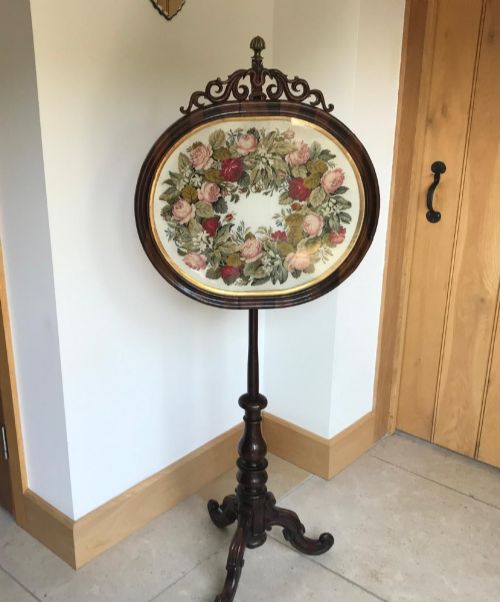
- A nineteenth-century standing firescreen with an adjustable vertical panel designed to shield a person's face from the heat of a fireplace.
- Sampler
- A piece of stitching executed by a maker to demonstrate proficiency in various embroidery stitches and patterns.
Antique Floral Needlework: Frequently Asked Questions
How should I clean an antique needlework panel?
Textiles of significant age require gentle handling and professional conservation rather than standard washing. Surface dust can sometimes be removed very carefully using low suction through a mesh screen.
Moisture and direct sunlight cause fading and fibre degradation over time. Keeping pieces away from windows preserves the integrity of the silk and wool threads.
What is the difference between a suzani and a tapestry?
Suzanis are embroidered textiles created by stitching silk or cotton thread onto a woven fabric ground, traditionally produced in regions such as Uzbekistan. They often display large-scale floral medallions.
Tapestries are woven textiles where the design is integrated directly into the fabric during the weaving process on a loom rather than applied afterwards through stitching.
Can I use an antique needlework footstool daily?
Many nineteenth-century footstools and ottomans were built with sturdy walnut or mahogany frames to withstand regular domestic use. However, fragile silk or wool needlework seats benefit from careful placement to prevent excessive wear.
Evaluating the structural firmness of the wooden frame helps determine whether a piece suits light functional placement or purely decorative display.
How do I identify the period of a floral needlework piece?
Dating relies on examining the combination of the textile materials, the framing techniques, and the underlying furniture style. Seventeenth-century and eighteenth-century works often feature distinct crewelwork or tapestry structures.
Victorian pieces frequently utilise rosewood or walnut frames alongside Berlin tapestry woolwork. Comparing the motifs and ground fabrics against known stylistic periods clarifies the date.