


Antique Floral Glass
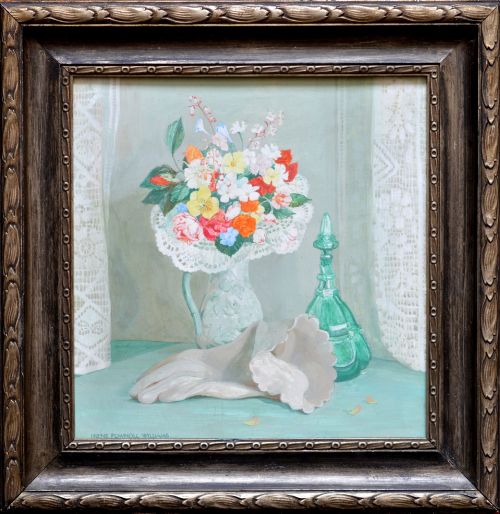
These pieces of antique floral glass span delicate enameled vessels, heavy lampshades, and etched tableware that bring botanical decoration into domestic spaces.
Antique Floral Glass
Antique floral glass brings together decorative vessels, lighting components, and tableware adorned with botanical motifs across several centuries of production. Buyers searching this phrase encounter items ranging from Victorian enameled trinket boxes and cranberry glass lamp shades to Edwardian scent bottles and early twentieth century cameo glass vases.
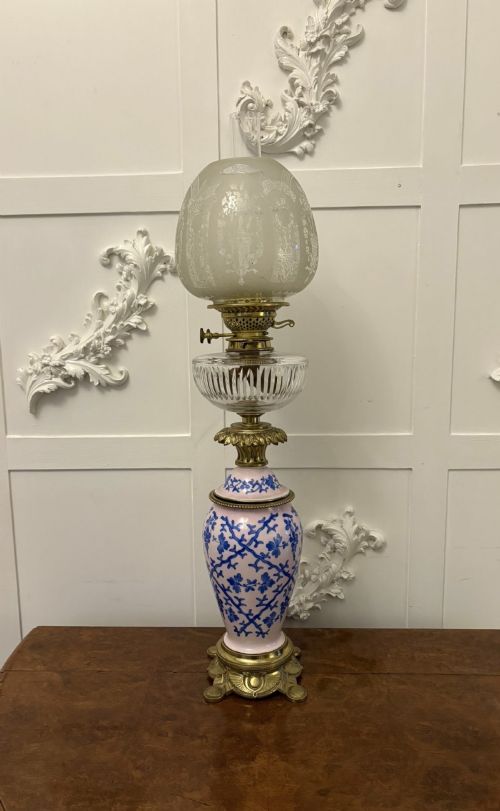
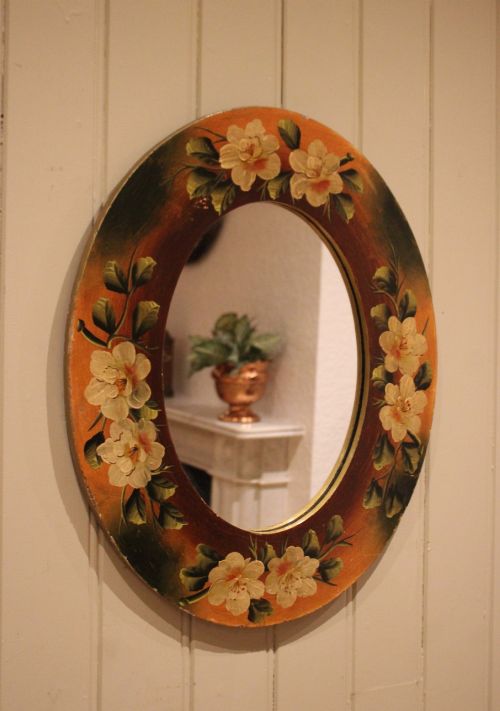
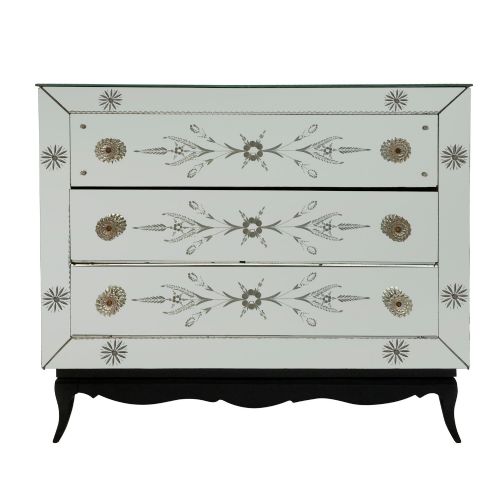
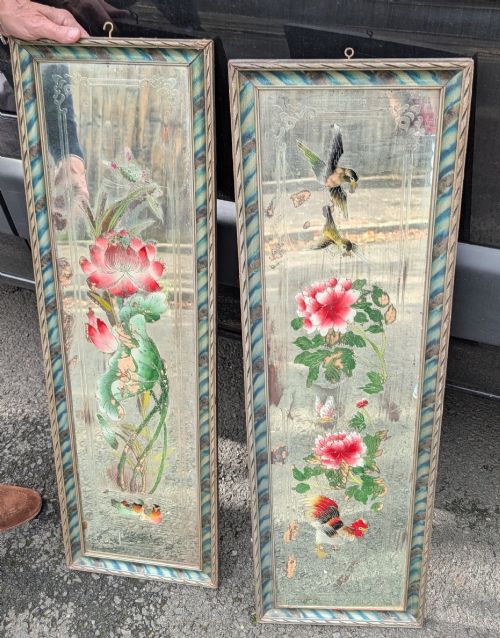
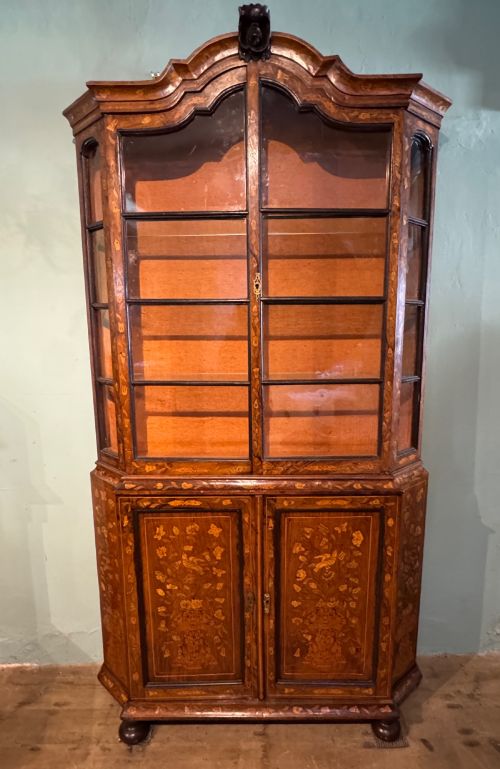
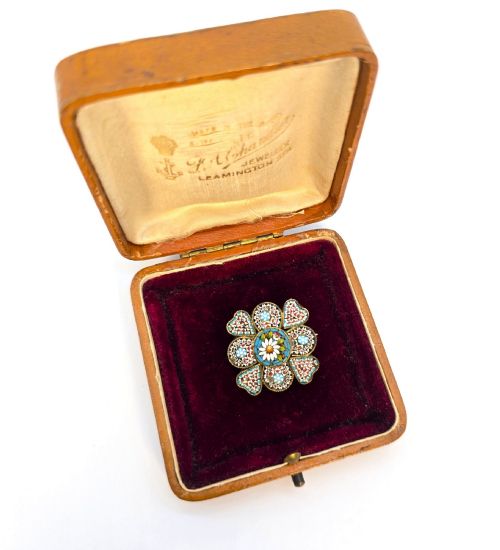
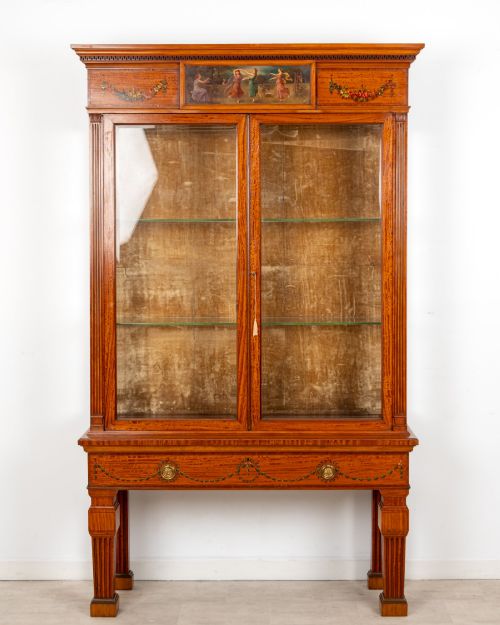
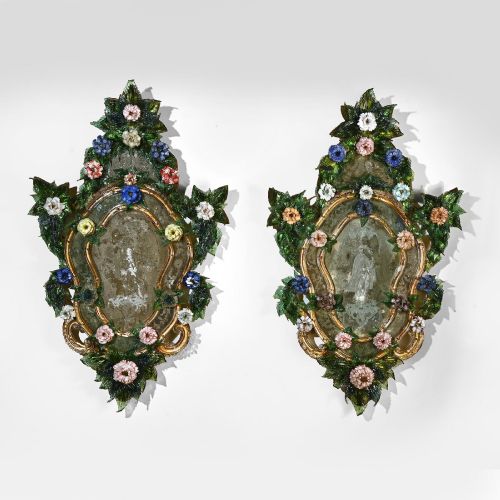
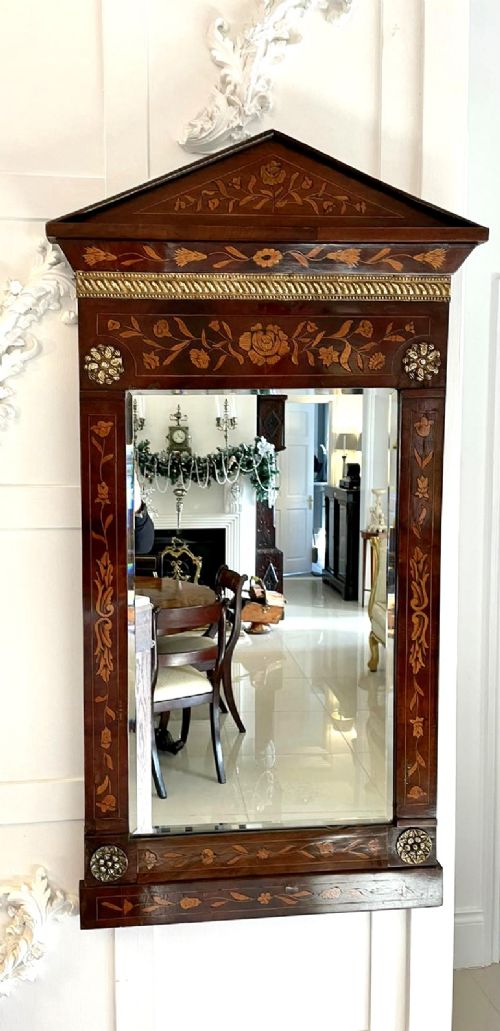
The selection on this page draws principally from nineteenth-century and early twentieth-century periods, capturing the shift from traditional hand-painted ornamentation to the sculptural glass techniques of the Art Nouveau and Art Deco movements. Alongside standalone glassware, related objects incorporate floral marquetry mirrors, oil lamps, and silver-mounted glass items that share the overarching botanical theme.
How they were made
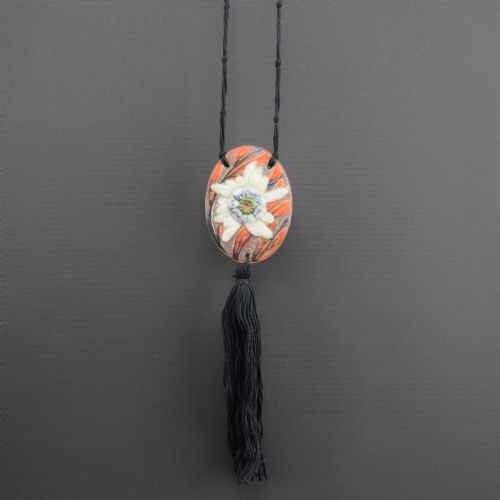
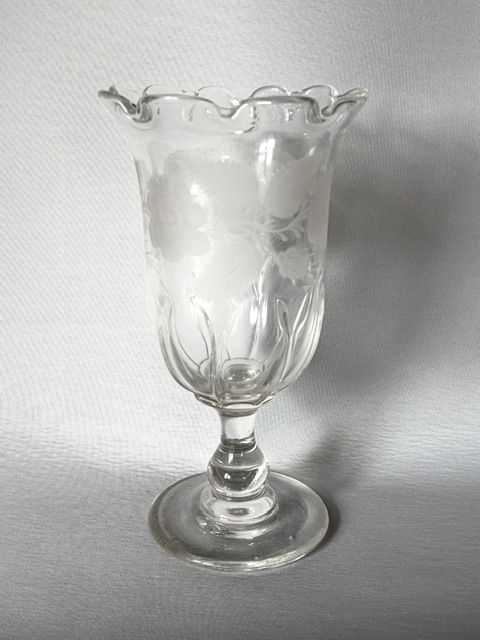
Craftsmen utilised techniques such as acid-etching, hand-painting, and cameo carving to build layered botanical designs upon the glass surface. Molten material was blown into moulds or shaped freehand, then decorated with enamel colours or overlaid with contrasting layers of glass to create depth in floral motifs.
Mounts in sterling silver, brass, or ormolu frequently accompany the glass components, secured with collars or hinged lids. Workshops combined glassblowing with precision metalwork, applying sterling silver overlays directly onto the vessel body during the late nineteenth and early twentieth centuries.
Materials across these listings include glass, brass, enamel, wood, mahogany, mirror glass, walnut, and sterling silver.
What varies in quality
Quality rests in the crispness of the botanical detail and the clarity of the glass matrix itself. Superior examples display precise hand-painting or deep cameo carving where the floral layers contrast sharply with the background.
The weight and integration of secondary materials such as silver mounts or brass frames also distinguish finer pieces. Robust construction and balanced proportions separate standard production items from workshop pieces created by named glass houses.
Emile Gallé·Stevens & Williams·Gorham·Sitzendorf·Hampton & Sons
The Antique Floral Glass Glossary
- Cameo glass
- A vessel formed of two or more distinct layers of coloured glass fused together, where the outer layer is carved away to reveal the design. This technique requires exceptional skill to maintain even thickness across floral patterns.
- Pate de verre
- A form of glass casting where finely crushed glass is mixed with a binder and fired in a kiln. The resulting pieces possess a dense, frosted texture well suited to organic shapes.
- Cranberry glass
- A transparent red glass created by adding gold chloride to the molten batch during manufacturing. It appears frequently in Victorian tableware and lighting shades.
- Opaline glass
- An opaque, pastel-hued glass developed in the nineteenth century to imitate porcelain. It provides a smooth surface for hand-painted floral decorations.
- Enamelling
- The application of powdered glass suspended in a medium onto a glass surface, subsequently fired to fuse the pigments permanently. This method creates raised, colourful botanical details.
Antique Floral Glass: Frequently Asked Questions
How do I clean antique glass?
Wash pieces gently in lukewarm water using a mild detergent, avoiding harsh scrubbing on painted or enameled surfaces.
Dry them immediately with a soft, lint-free cloth to prevent water spots and protect any metal mounts from corrosion.
Can I use these oil lamp shades daily?
Most antique glass shades were designed for nineteenth-century lighting systems and require careful handling if adapted for modern fittings.
Check the fitter dimensions precisely before pairing a shade with an existing lamp base to avoid tension fractures.
How do I date enameled glassware?
Examine the palette of the floral decoration and the weight of the glass body, comparing them against documented Victorian and Edwardian manufacturing standards.
Look for hallmarks on any attached silver collars or lids, which provide precise registry years for the piece.
Are cameo glass vases fragile?
The layered structure makes these vessels relatively robust, but sudden temperature changes can cause thermal shock and cracking.
Display them away from direct sunlight and strong heat sources to preserve the integrity of both the glass and the colours.