
Glass Decorative Vase
Glass decorative vase pieces bring together centuries of skilled blowing and surface work, offering striking colour and form to any interior.
Glass Decorative Vase
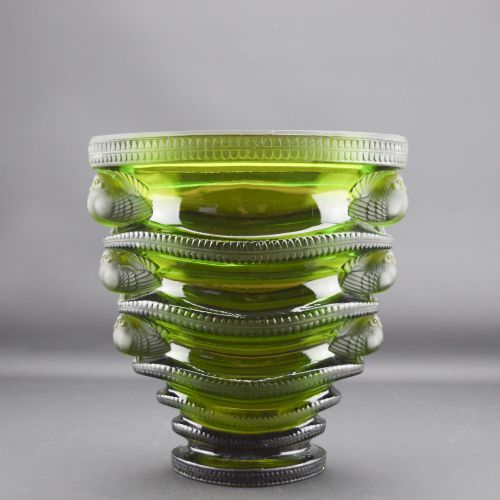
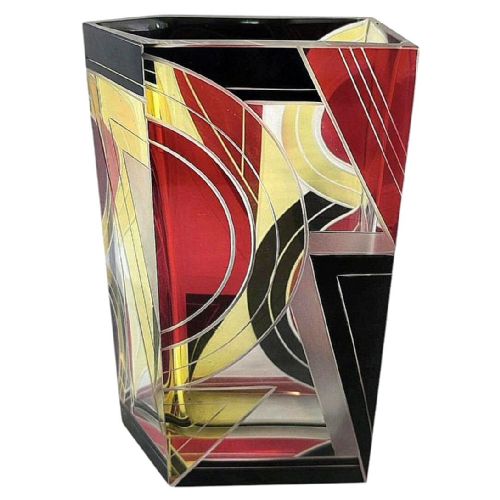
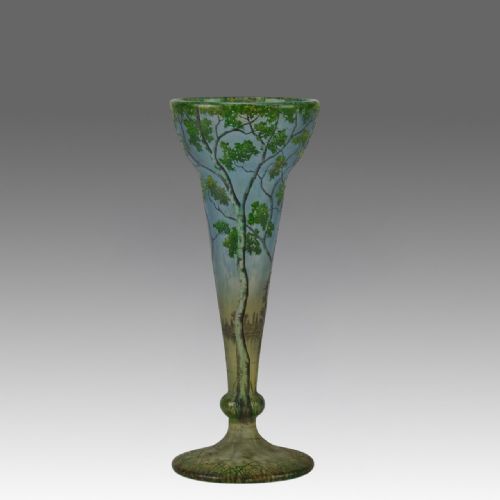
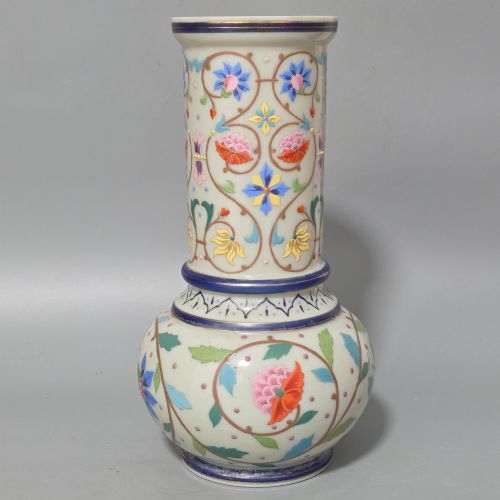
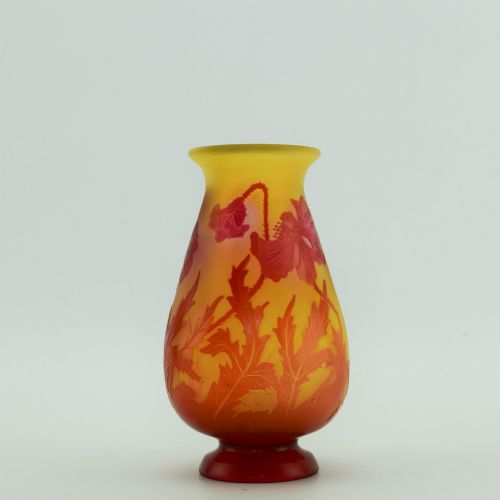
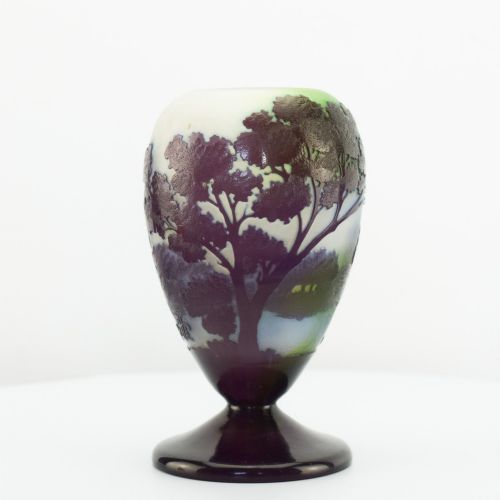
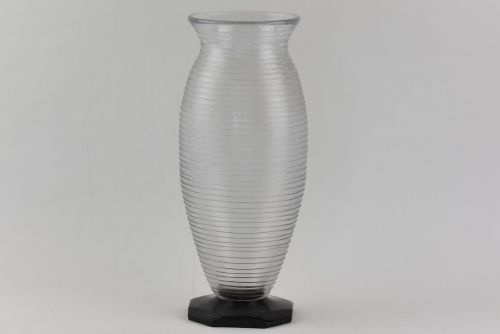
A glass decorative vase brings together various forms from the nineteenth and twentieth centuries, spanning periods from the Victorian era through the height of Art Nouveau and Art Deco. These pieces range from tall geometric vessels to footed landscape designs and organic jack-in-the-pulpit shapes.
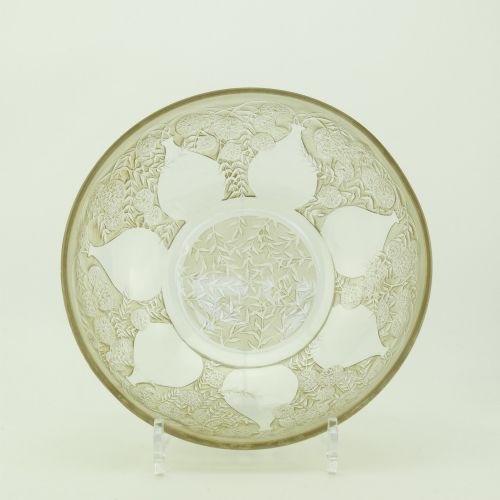
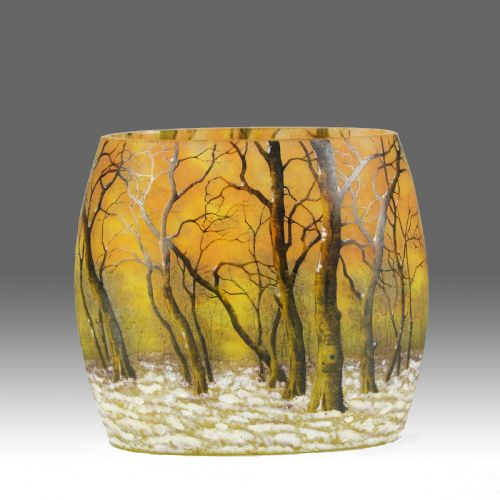
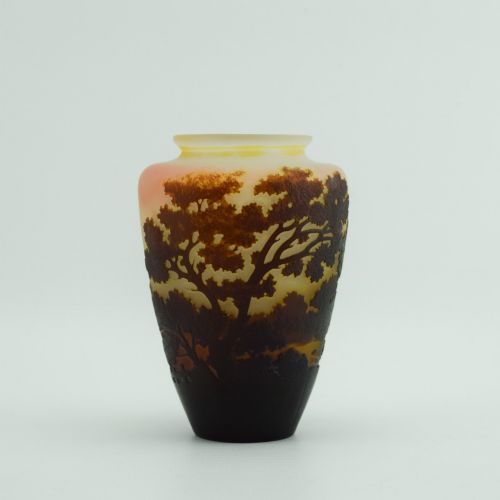
The most common examples on this page are vessels utilising techniques like cameo carving, acid-etching, and enamel decoration. Originating largely from French and English makers, they display a rich vocabulary of floral, landscape, and abstract motifs.
Materials and methods
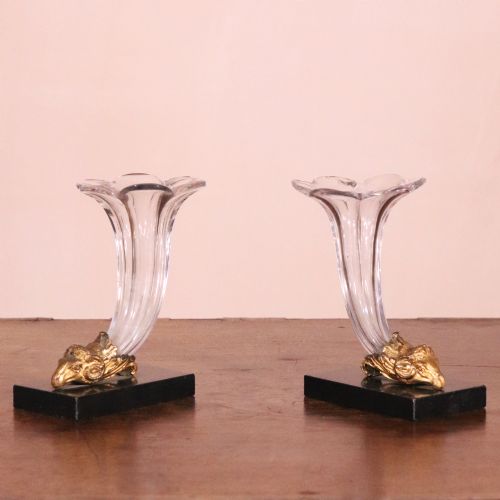
Maker workshops employed cameo glass, frosted glass, and opalescent glass, often building up layers of coloured material before cutting or acid-etching intricate surface designs. Molten metal was blown into moulds or free-blown optically to achieve specific shapes such as oviform bodies or cornucopias.
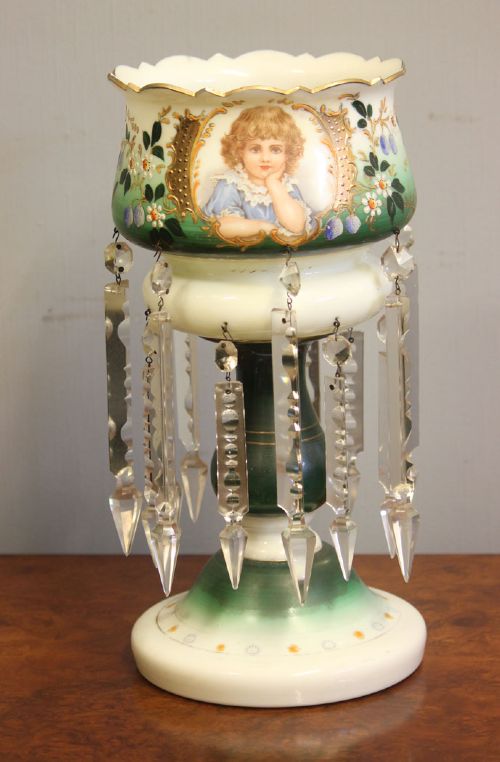
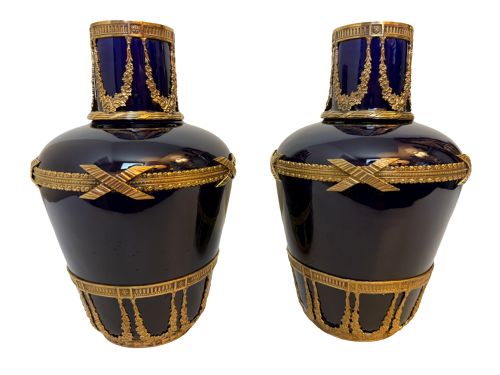
Detailing frequently involved the application of gold leaf, enamel decoration, or metal mounts like ormolu and pewter overlay. These additions highlighted the contours of the vessels and contrasted with the underlying translucent or opaque body.
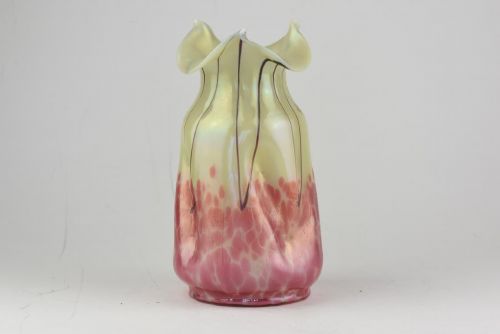
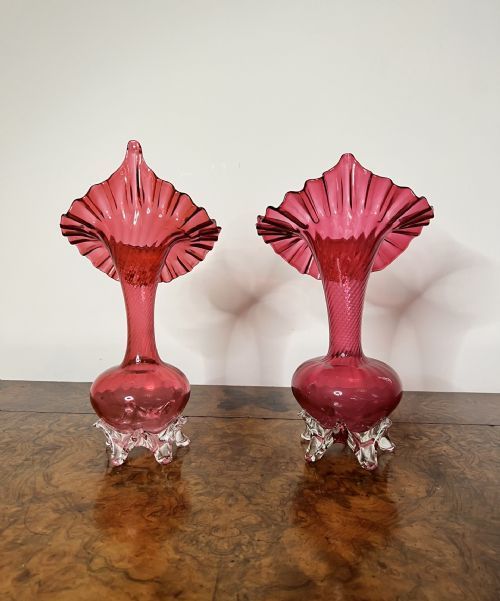
Jack-in-the-pulpit vases offer ruffled brims that mimic woodland flora, bringing botanical mimicry straight onto the Victorian mantelpiece.
Judging the range
The distinction between standard production and top-tier pieces rests on the depth of the carving, the precision of the enamel work, and the complexity of the glass layers. Multi-layered cameo vessels with fine hand-finished landscape details represent the upper echelon of the craft.
Proportion and the integration of metal mounts or applied elements also dictate the standing of a piece. Well-balanced forms with crisp, deliberate surface treatment outrank heavier, less refined castings.
Rene Lalique·Daum Freres·Pallme Konig·Thomas Webb·Galle·Legras·Karl Palda·James Powell·Mary Gregory
The Glass Decorative Vase Glossary
- Cameo Glass
- Glass vessels made with multiple layers of different coloured glass fused together, where the outer layers are carved or acid-etched away to create a raised design. This technique requires immense skill to control depth and colour transition.
- Acid-Etched Glass
- Glass treated with hydrofluoric acid to eat away exposed surfaces, creating frosted patterns or textured decoration. It allows for intricate designs without manual wheel-cutting.
- Opalescent Glass
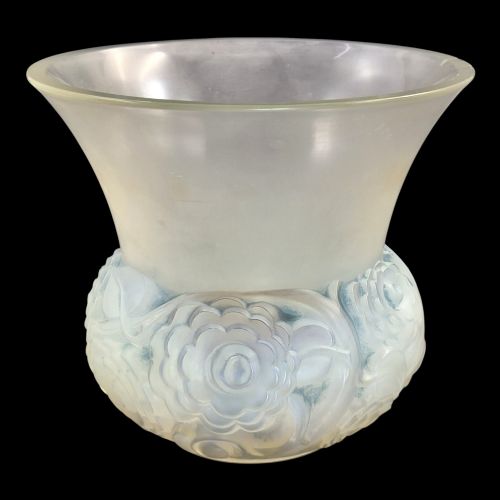
- Glass containing minerals that create a milky, semi-translucent appearance with shimmering blue or fire-like highlights when lit. It is particularly characteristic of twentieth-century French design.
- Mantle Lustre
- A decorative glass vase or garniture fitted with hanging crystal prisms designed to catch the light. They sat upon fireplaces in nineteenth-century interiors.
- Jack-in-the-Pulpit
- A Victorian glass vase shape featuring a wide, flared, ruffled rim resembling the flower of the same name. The form showcases the malleability of hot glass in the hands of skilled blowers.
Glass Decorative Vase: Frequently Asked Questions
Where should I display a glass decorative vase at home?
Place the vessel in a spot with natural daylight, such as a mantelpiece or a windowsill, to illuminate the translucent qualities of the glass. Ensure the location is stable and away from heavy foot traffic to prevent accidental knocks.
Consider pairing clear or opalescent pieces where backlighting can accentuate their layered colours and etched surface textures. Keep them clear of direct, intense heat sources.
What is the difference between Victorian and Art Nouveau styles?
Victorian glass decorative vase examples often feature vibrant colours like cranberry and blue, sometimes with heavy enamel painting or ruffled rims. They lean toward symmetrical forms and traditional decorative motifs.
Art Nouveau pieces embrace asymmetrical floral and organic lines, frequently using cameo carving and iridescent finishes inspired by nature. The focus shifts toward flowing silhouettes that echo natural growth.
How can I tell if a piece is cameo glass?
Examine the surface under a light to check whether the raised design is part of a distinct top layer of glass or merely painted on. True cameo work feels three-dimensional to the touch, showing crisp edges where the outer layer has been carved or etched away.
Look closely at the colour transitions between the background and the motif to confirm multiple fused layers. Painted designs sit flat on the surface and lack this physical depth.