
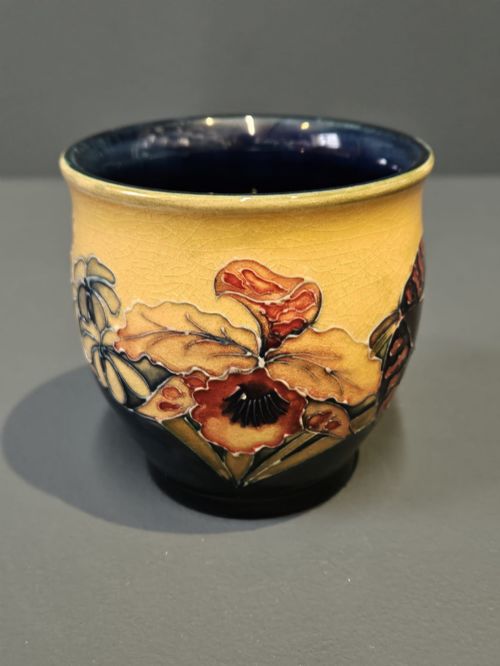
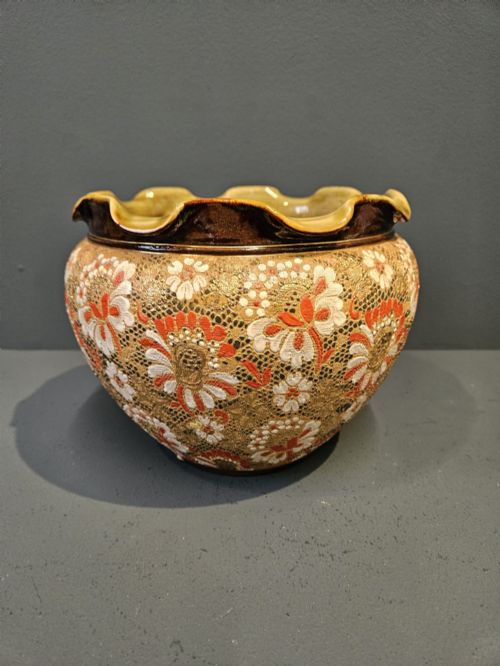
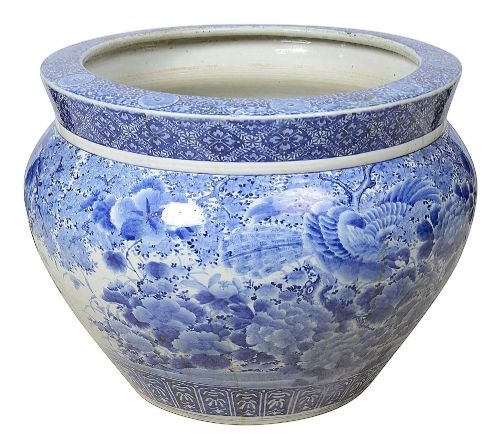
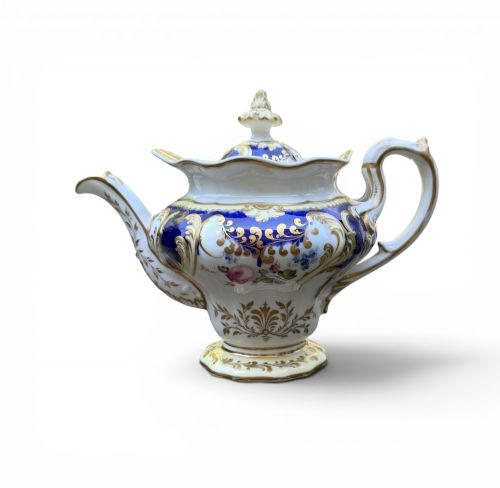


Antique Floral Ceramic Pot
An antique floral ceramic pot brings centuries of painted petals and domestic craft into a room, spanning from early Delft bough pots to Victorian jardinieres.
Antique Floral Ceramic Pot
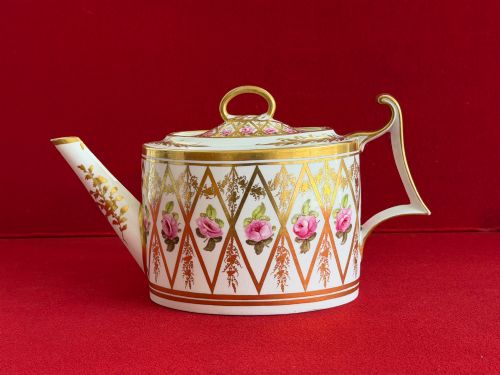
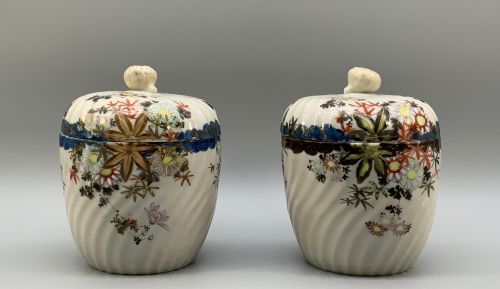
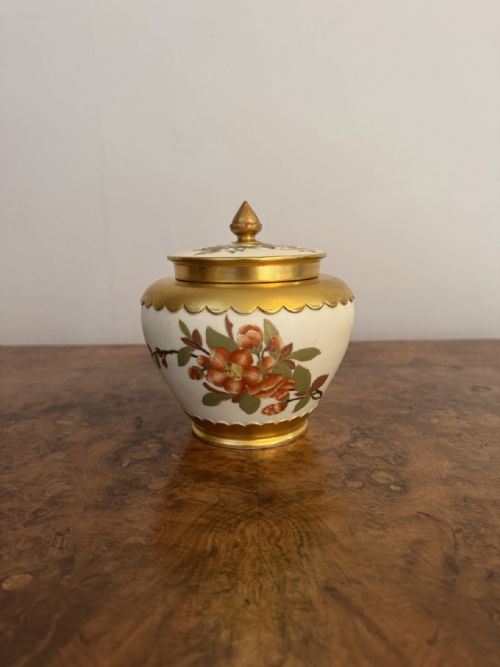
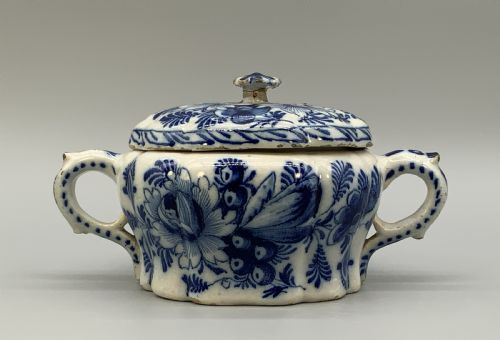
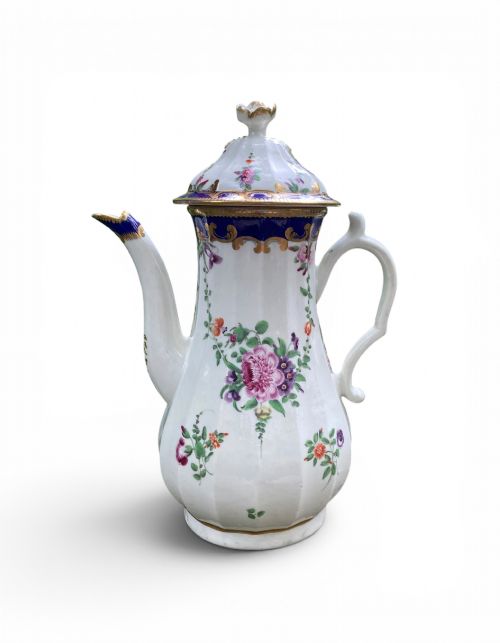
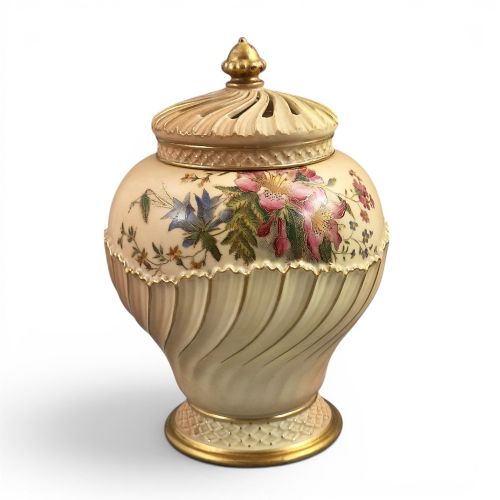
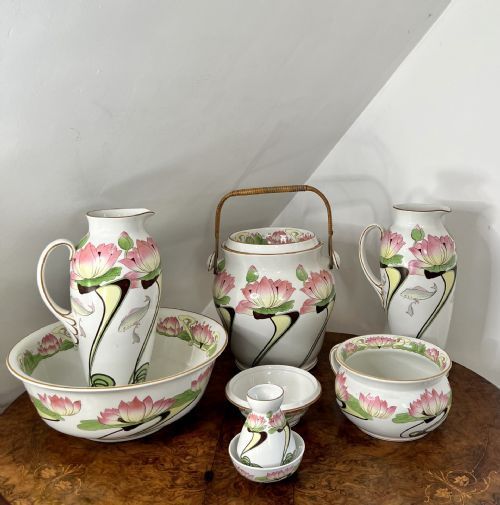
When you search for an antique floral ceramic pot, you encounter an array of vessels including teapots, jardinieres, posy vases, and lidded jars. These objects originate from English factories, continental European kilns, and Japanese workshops.
The selections on this page range from seventeenth-century tin-glazed earthenware to twentieth-century majolica and porcelain. Domestic vessels such as chamber pots and biscuit barrels sit alongside decorative pot-pourri jars and large plant holders.
Nineteenth-century pieces dominate the selection, particularly Victorian and Edwardian examples featuring botanical motifs. Earlier Georgian and eighteenth-century items appear alongside later pieces from the nineteen-twenties and thirties.
Materials and Technique
Potters shaped these vessels using porcelain, earthenware, and ironstone, applying ceramic glazes to seal the body. Many items incorporate surface embellishments such as gold leaf, gilding, and enamel paint to render floral patterns.
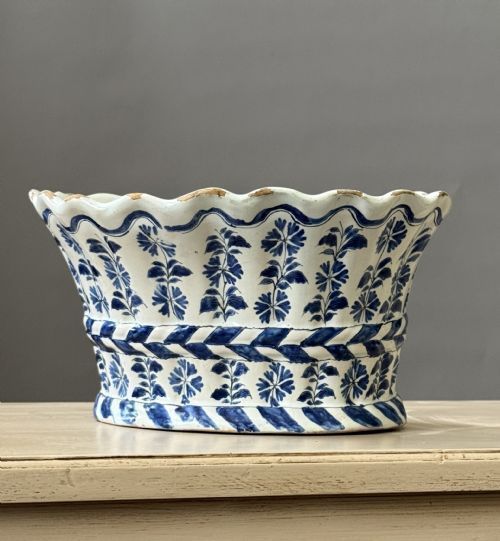
Specialised techniques include the tin-glazing of Delftware and the heavy moulded relief work seen on majolica pieces. Some items pair ceramic bodies with metal mounts, brass bases, wicker cases, or silver plate.
A solitary wicker case guards one small ceramic tea pot, proving that antique pottery occasionally enjoyed a spot of protective tailoring.
Judging Quality
Quality rests upon the crispness of the ceramic moulding and the precision of the hand-painted floral decoration. Pieces from established factories demonstrate superior control over glaze application and kiln temperature.
The sophistication of the botanical design and the integrity of any applied gilding distinguish standard domestic ware from finer display pieces.
Royal Worcester·Doulton Lambeth·Royal Doulton·Samuel Alcock·Chamberlain Worcester
The Antique Floral Ceramic Pot Glossary
- Jardiniere
- A large ceramic pot designed to hold a plant or flower arrangement. These vessels often sit on matching pedestals or floor stands.
- Majolica
- A type of earthenware covered in an opaque tin glaze and painted with brightly coloured metallic oxide pigments. This technique produces deeply saturated botanical surfaces.
- Possevot
- A vessel traditionally used for holding posies of flowers or serving spiced hot milk drinks during festive occasions. Early examples often display blue and white floral decoration.
- Sucrier
- A small lidded pot designed for holding refined sugar on the tea table. These vessels match the porcelain bodies of contemporary teapots and coffee pots.
- Delft
- Tin-glazed earthenware produced in England, Holland, and continental Europe. The porous clay body receives a white lead glaze painted with cobalt blue floral motifs.
Antique Floral Ceramic Pot: Frequently Asked Questions
How do I date a floral ceramic pot?
Dating relies upon examining the ceramic paste, the composition of the glaze, and any painted factory marks on the base. Stylistic clues such as Rococo curves or Art Nouveau lines also help narrow the period.
Comparing the potting technique and floral painting style to known examples from factories like Worcester or Doulton provides a reliable window of manufacture.
Were jardinieres used for live plants?
Jardinieres served primarily as decorative outer pots designed to conceal standard terracotta plant pots within a domestic interior. Their glazed ceramic surfaces protected wooden furniture from moisture.
While some larger planters held live ferns or flowering plants directly, most domestic indoor vessels accommodated potted plants inserted within them.
What is the difference between porcelain and earthenware?
Porcelain is fired at extremely high temperatures, resulting in a vitrified, non-porous body that often transmits light through thin sections. Earthenware is a softer, more porous ceramic that requires a glaze to become watertight.
Earlier pieces frequently utilise earthenware bodies with tin glazes, whereas later nineteenth-century decorative wares often employ hard-paste porcelain or ironstone.
How should I clean an antique ceramic pot?
Cleaning requires gentle dusting with a dry microfibre cloth to remove surface particles. Avoid submerging pots with metal mounts, wicker cases, or delicate overglaze gilding in water.
If washing is necessary for unglazed interiors, use lukewarm water and mild soap, ensuring the ceramic dries thoroughly afterward to protect old glazes.