
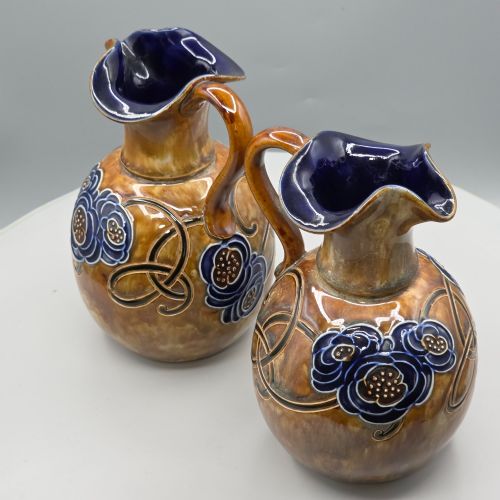
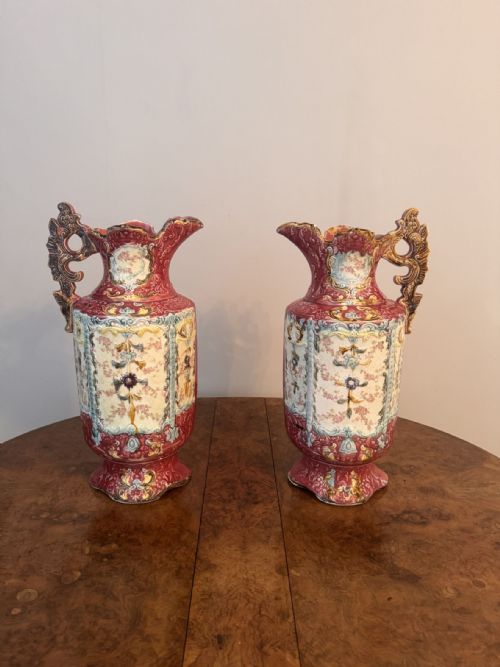
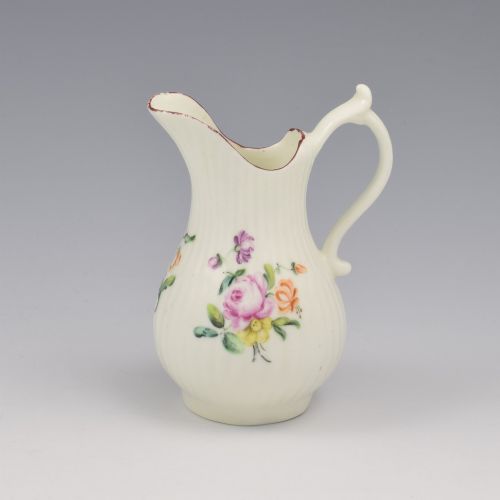
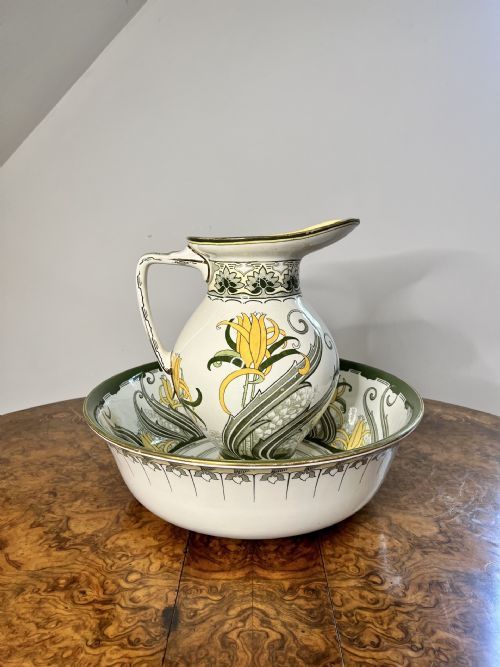
Antique Floral Ceramic Jug
An antique floral ceramic jug brings domestic painted colour and historical craft directly to your table or shelf.

Antique Floral Ceramic Jug
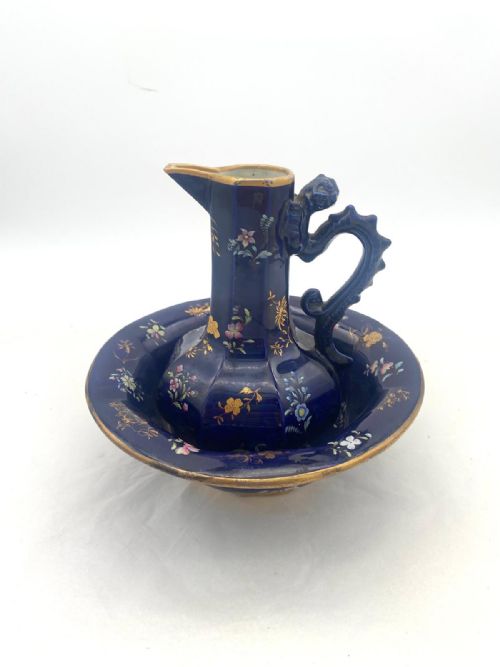
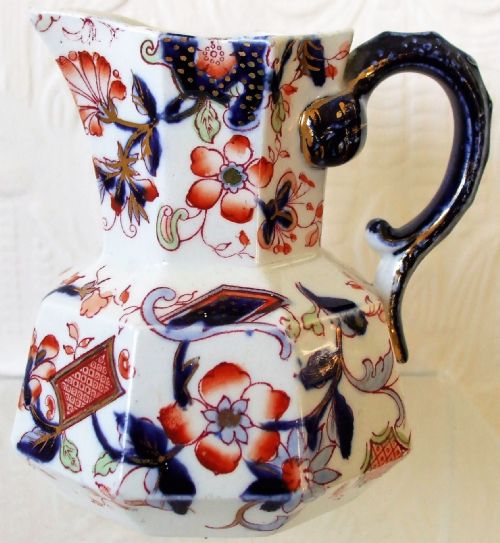
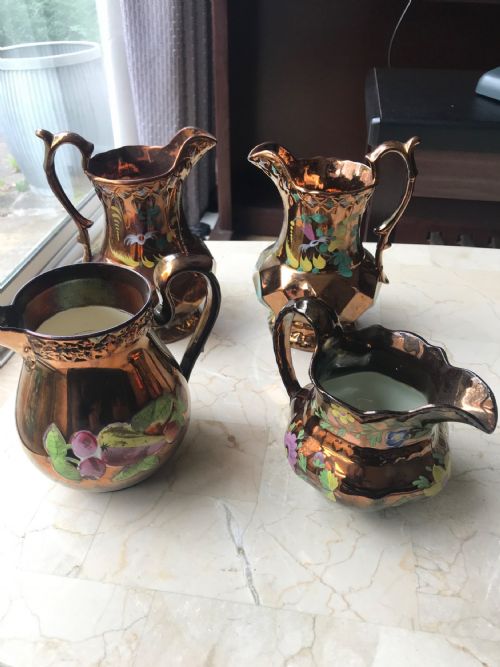
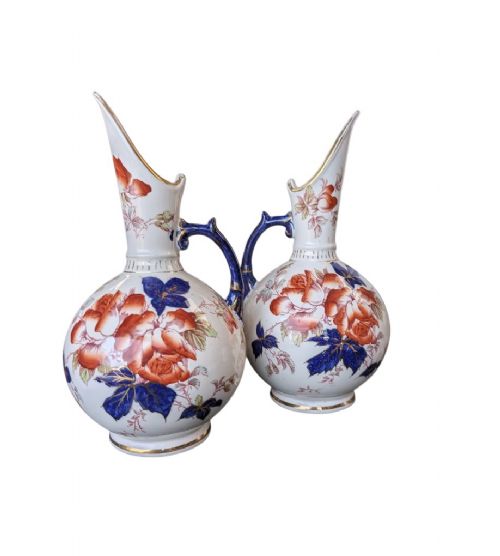
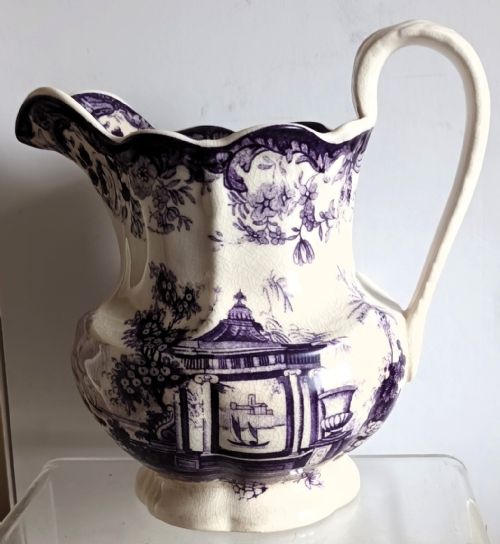
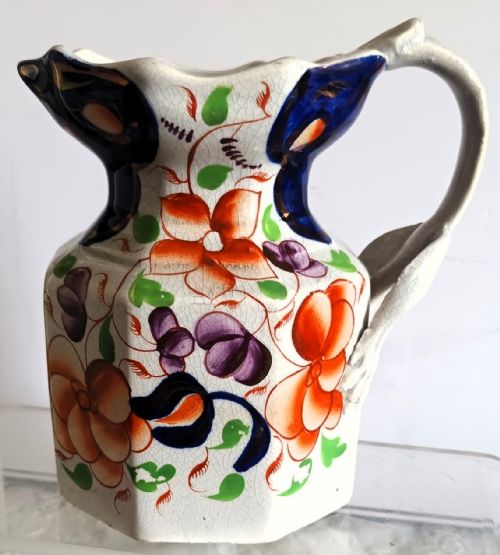
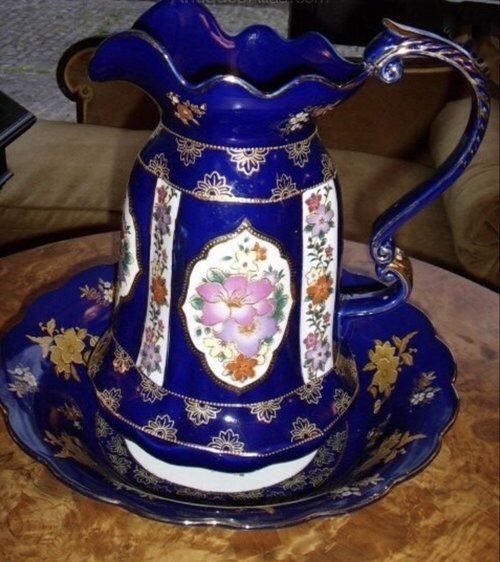
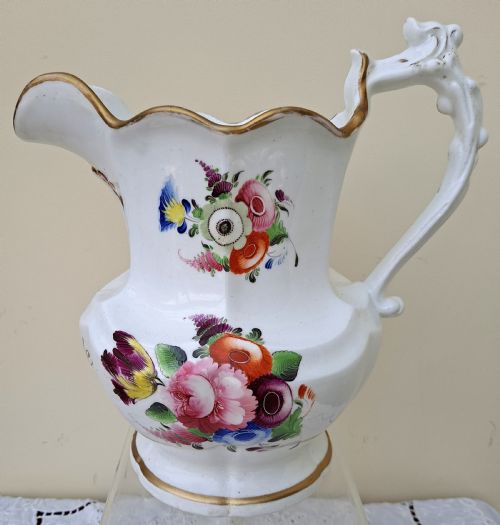
When you search for an antique floral ceramic jug, you encounter domestic vessels and decorative pitchers produced across the eighteenth and nineteenth centuries. These items range from small cream jugs intended for tea service to large earthenware marriage jugs and porcelain ewers.
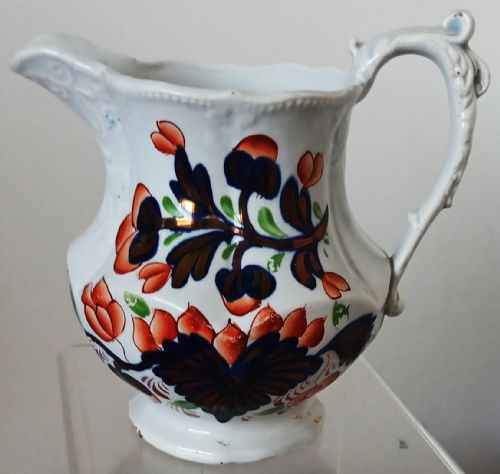
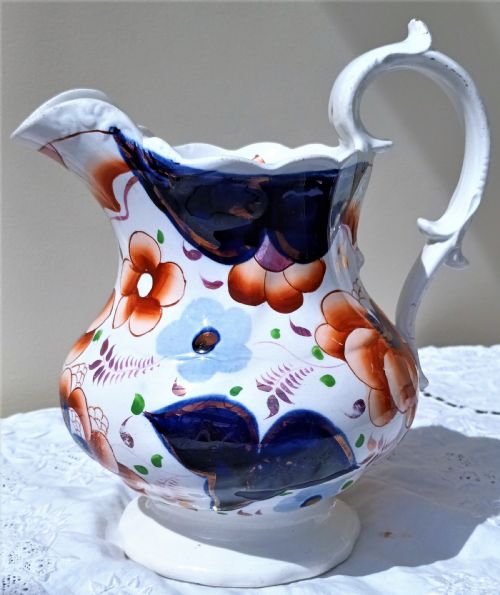
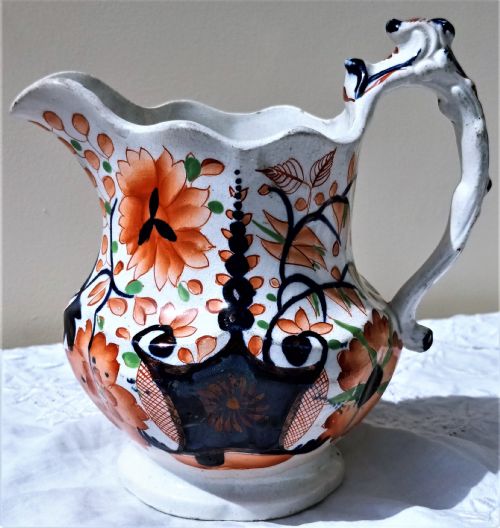
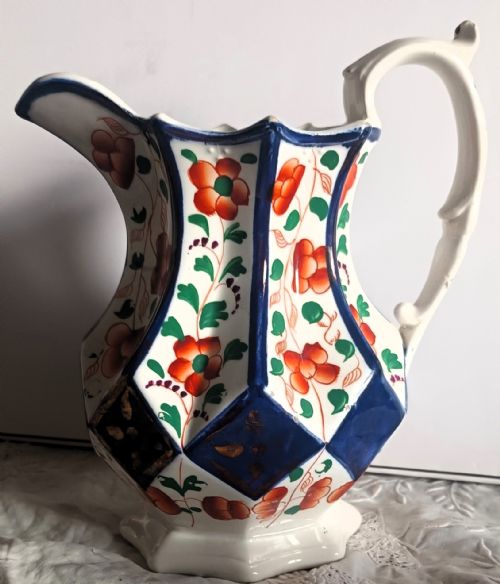
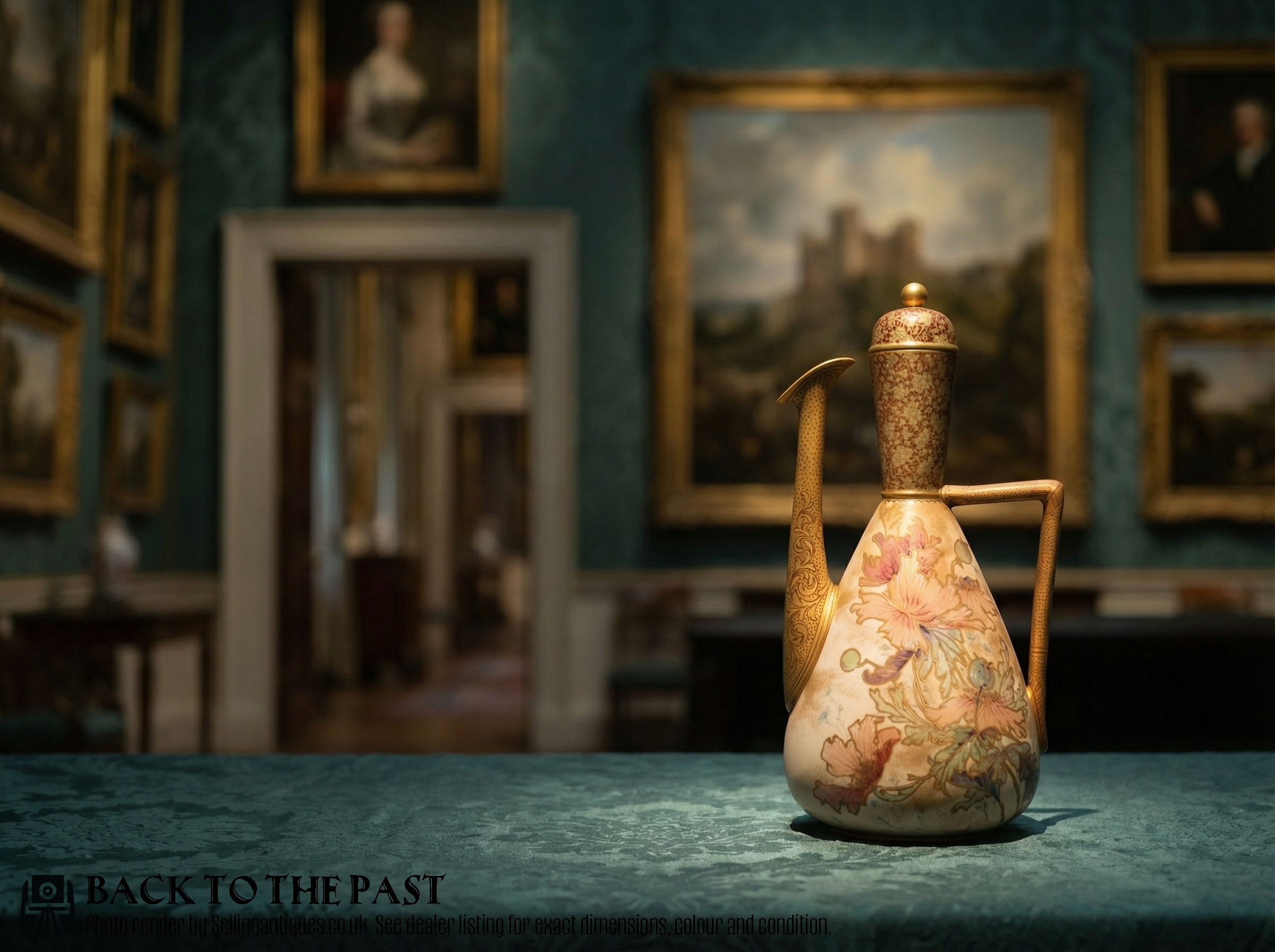
The versions you are most likely to meet on this page belong to the Victorian era and the nineteenth century. Examples include Gaudy Welsh pottery patterns alongside refined porcelain pieces decorated with floral panels and gilding.
Origins span English factories and potteries, featuring specific regional styles from Staffordshire, Derby, and Worcester. Forms vary from fluted baluster profiles to Persian influenced earthenware ewers.
How they were made
Potters shaped these items from soft-paste porcelain, earthenware, and standard ceramic bodies, frequently utilising moulded forms such as fluted baluster profiles and ewers. Surface designs relied on applied glaze, hand-applied paint, and enamel decoration.
Many items incorporate delicate finishing techniques, including hand-painted floral panels and highlights in gold leaf. Potteries such as Royal Worcester and Doulton Burslem employed distinct puce marks and regional glazing methods during production.
Antique Floral Ceramic Jug Retail Price Guide 2026
Typical asking prices for floral ceramic jug among the pieces listed under this phrase on Sellingantiques today, from the lower quarter to the upper quarter. They describe what is for sale here now, not the wider market.
Listings feature items spanning the eighteenth century, the nineteenth century, and specific years such as 1760, 1830, 1839, and 1890.
What varies in quality
The distinction between standard production and superior work rests on the execution of the painted floral motifs and the precision of the gilding. Finely rendered panels and consistent enamel application elevate certain nineteenth-century pieces above simpler utilitarian wares.
The sophistication of the ceramic body also dictates the tier of the piece, moving from robust Staffordshire earthenware to refined soft-paste porcelain. The clarity of factory marks, such as puce stamps, further distinguishes major manufactories from regional potteries.
Royal Worcester·Doulton Burslem·Mountford Staffordshire·Derby Porcelain·Rockingham Porcelain
The Antique Floral Ceramic Jug Glossary
- Baluster
- A vertical architectural form resembling a pillar, often utilised for the curved body of a jug. This shape provides stability and a balanced silhouette.
- Earthenware
- A porous pottery body fired at lower temperatures, commonly glazed to ensure water retention. It forms the foundation for many nineteenth-century folk and Staffordshire pieces.
- Soft-Paste Porcelain
- A ceramic material composed of clay and glass frit, fired at lower heats than hard-paste porcelain. It yields a warm, slightly translucent body favored by eighteenth-century English factories.
- Puce Mark
- A purple or reddish-brown factory stamp applied beneath the glaze to identify the maker. It serves as a primary indicator for dating items from establishments like Royal Worcester.
- Gilding
- The application of gold leaf or powdered gold to ceramic surfaces for decorative emphasis. High-quality examples exhibit careful hand-application around rims and floral panels.
Antique Floral Ceramic Jug: Frequently Asked Questions
How do I date an antique ceramic jug?
Dating relies on identifying factory marks, stylistic traits, and material composition such as soft-paste porcelain or earthenware.
Examining the glazing technique and recorded production periods helps narrow down the decade of manufacture.
What is Gaudy Welsh pottery?
Gaudy Welsh refers to nineteenth-century earthenware featuring bright, hand-painted underglaze patterns like Pagoda, Gower, and Conwy.
These domestic pieces were primarily produced for everyday use in Welsh households and rural communities.
Can I use these jugs for serving?
While historic jugs were made for holding cream, milk, or water, older ceramics require careful handling.
Enamel decoration and gold leaf can wear with frequent washing, so many collectors prefer display over daily utility.
How do I display an antique ewer?
Ewers and pitchers make striking focal points on sideboards, open shelving, or dedicated display cabinets.
Ensure they sit on stable, level surfaces away from direct sunlight to preserve the painted floral panels.