


Antique Floral Cabinet Plate
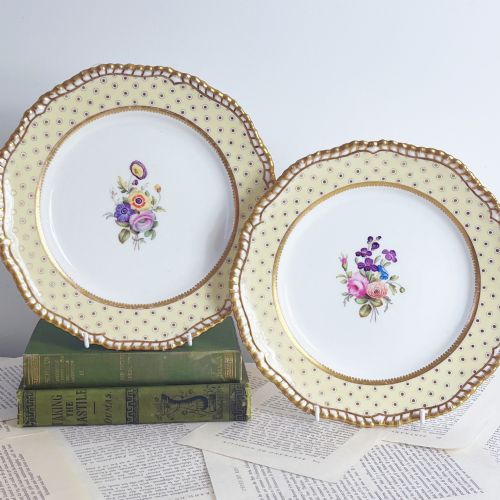
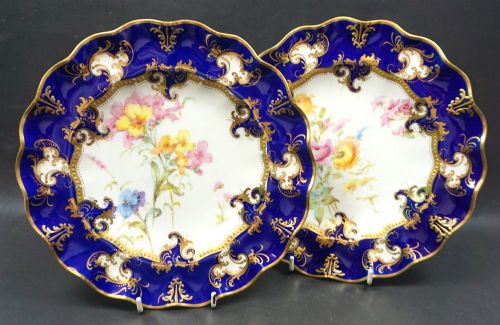
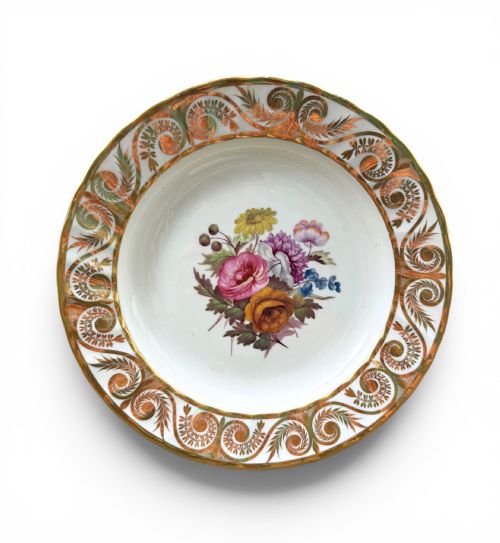
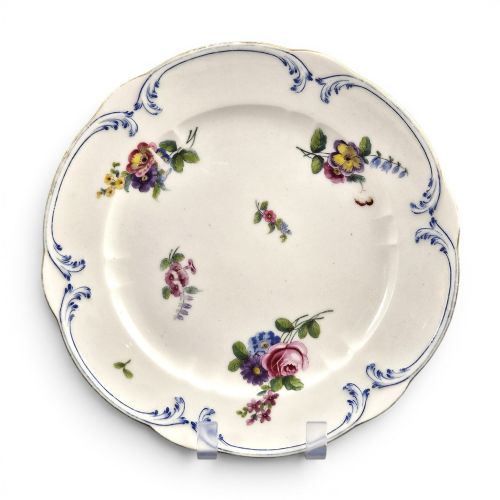
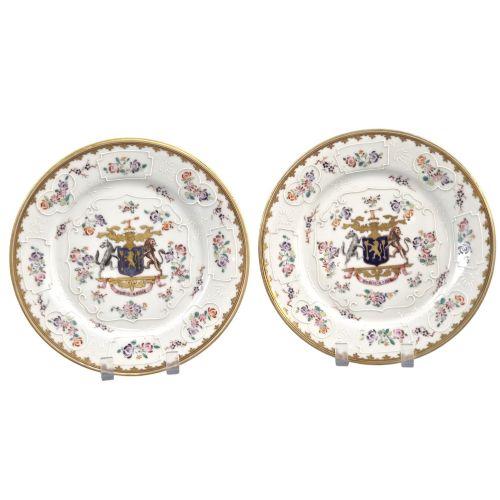
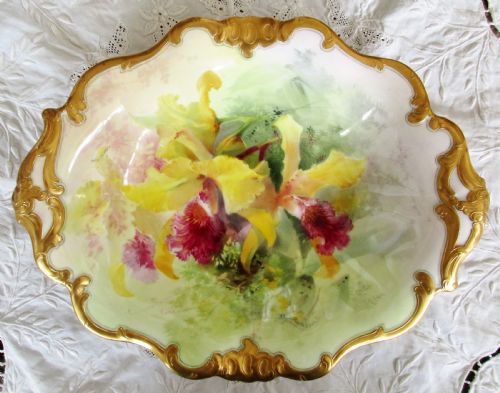
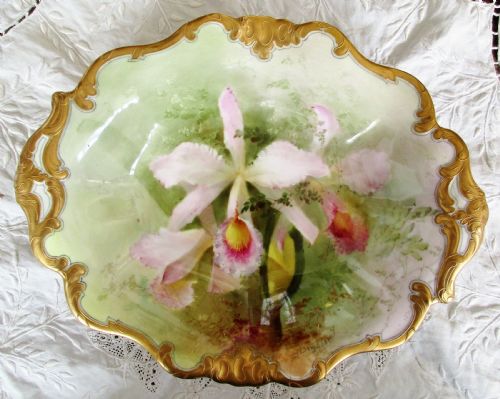
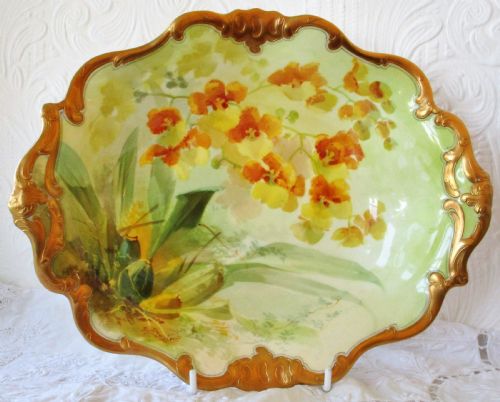
When you search for an antique floral cabinet plate, you are looking at porcelain and ironstone dishes made strictly for display rather than everyday dining.
Antique Floral Cabinet Plate
An antique floral cabinet plate sits within a broad category of decorative porcelain and earthenware produced across the eighteenth, nineteenth, and early twentieth centuries specifically to adorn drawing rooms and display cabinets. These pieces span English factories such as Spode, Royal Crown Derby, Minton, and Worcester, alongside continental porcelain from Sèvres, Meissen, and French Paris workshops.
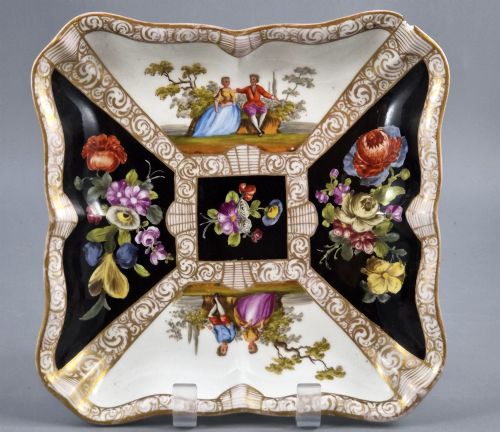
The versions you meet most frequently on this page date from the nineteenth century, including Regency, Victorian, and Edwardian periods, supplemented by eighteenth-century soft-paste examples and Japanese Imari imports. Forms range from standard circular cabinet plates and scalloped dessert dishes to lobed dishes, square serving pieces, and basketweave plates.
How They Were Made
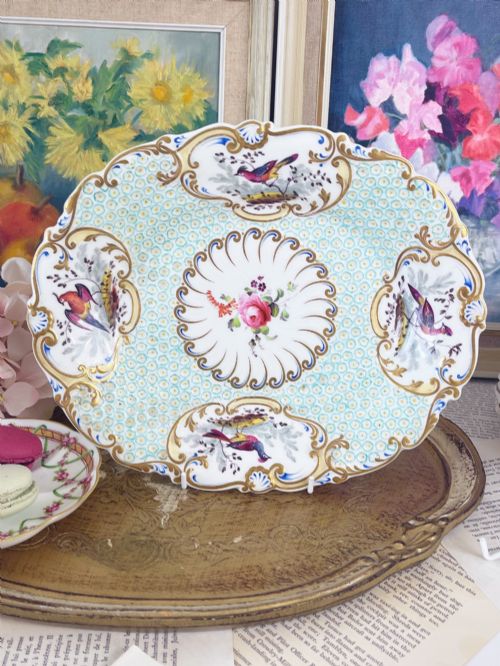
Makers utilised both soft-paste and hard-paste porcelain, alongside refined ironstone and stoneware, shaping them on wheels or pressing them into moulds to create basketweave borders, lobed edges, and heavy pedestals. Artisans then applied white or coloured glazes as a base for intricate hand-painted botanical studies, birds, and armorial crests.
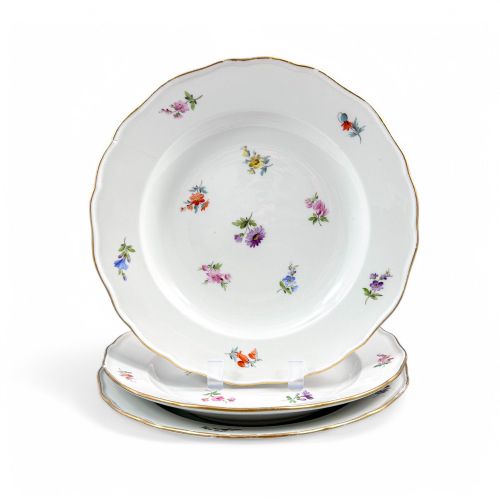
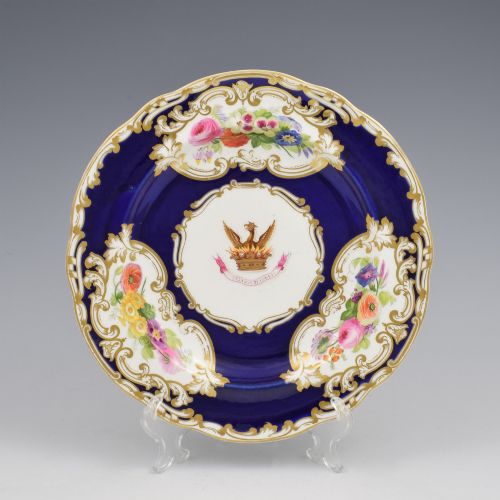
Decoration relied heavily on applied gold leaf, rich gilding, and enamels, often fixed through multiple firings in kiln ovens. Master painters added specific floral motifs, Streublumen sprays, or detailed garden scenes directly onto the glazed surface before final firing.
Some botanical plates feature incredibly accurate garden flowers alongside delightfully plump, hand-painted fancy birds.
What Varies in Quality
Quality rests significantly upon the execution of the hand-painting, distinguishing mass-produced transfer-printed items from bespoke works bearing the signatures of known artists like Moses Webster or David Dewsberry. Finer pieces demonstrate superior brushwork control, delicate shading within floral petals, and precise anatomical detail in painted birds or family crests.
The richness and application of the gilding further define the tier of the piece, separating standard factory output from luxury commissions made for retailers like Phillips in London or specific aristocratic families. The purity of the porcelain body, whether soft-paste or hard-paste, and the crispness of moulded details such as basketweave borders also dictate the standing of the dish.
Spode·H & R Daniel·Meissen·Royal Crown Derby·Derby·Edmé Samson & Cie·Royal Doulton·John Davenport of Longport·Furstenberg·Pucher Deroche·Minton·Coalport·Royal Worcester·John Ridgway·Flight, Barr & Barr·Kerr & Binns
The Antique Floral Cabinet Plate Glossary
- Cabinet plate
- A decorative dish produced for display in a cabinet or on a wall rather than for use at the dining table. These items usually feature intricate hand-painted designs and heavy gilding.
- Soft-paste porcelain
- An artificial porcelain composition fired at lower temperatures than hard-paste, common in eighteenth-century French and English factories. It yields a warm glaze and a slightly softer body.
- Imari
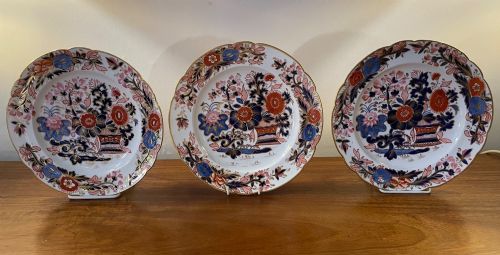
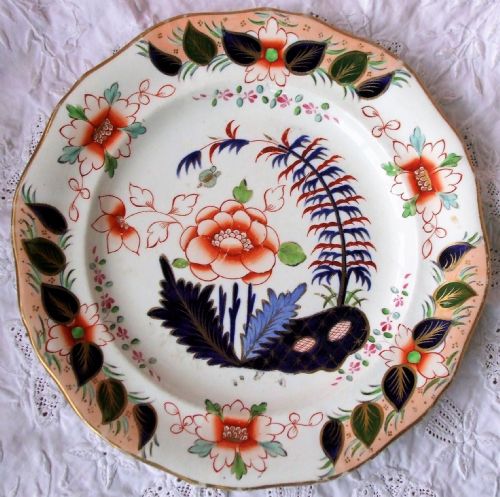
- A decorative style inspired by Japanese export wares, characterised by a palette of underglaze blue, iron red, and gold. English and continental potteries frequently copied these patterns.
- Streublumen
- Scattered floral sprays painted across the surface of porcelain. This German term denotes small, naturalistic arrangements of flowers dotted independently across the white ground.
- Ironstone
- A heavy, durable type of earthenware patented in the nineteenth century to imitate porcelain. It provides a sturdy body for botanical and armorial decoration.
Antique Floral Cabinet Plate: Frequently Asked Questions
How were cabinet plates used?
These plates were designed strictly for display in drawing rooms, parlours, or dining rooms to showcase the wealth and taste of the household. Owners placed them on sideboards, mounted them on walls, or housed them within glass-fronted cabinets.
Unlike utility wares, they rarely saw service during meals, which preserved their delicate enamels and intricate gold leaf from everyday wear and tear.
How do I date an antique plate?
Dating relies on identifying factory backstamps, painted factory marks, and the specific composition of the porcelain body. Eighteenth-century pieces often utilise soft-paste porcelain with hand-pencilled factory ciphers, while nineteenth-century items frequently employ impressed marks or printed registry diamonds.
Stylistic shifts, such as the transition from Regency botanical studies to Victorian rich cobalt and tooled gilding, also help narrow the decade of production.
What is the difference between Imari and floral plates?
Floral plates feature naturalistic or botanical painting of garden flowers, orchids, or scattered sprays like Streublumen. Imari plates follow a specific decorative tradition originating in Japan, utilising a stylised palette of iron red, underglaze blue, and gold leaf.
While both decorate cabinet dishes, Imari patterns adhere to strict Japanese aesthetic conventions rather than European botanical illustration.
How should I display porcelain at home?
Porcelain plates require stable environments away from direct sunlight to prevent the fading of enamel colours and gold gilding. Wall mounting requires specialised plate hangers with protective rubber tips to avoid chipping the edges.
Displaying them inside enclosed cabinets protects the glazed surfaces from airborne dust and accidental household knocks.