
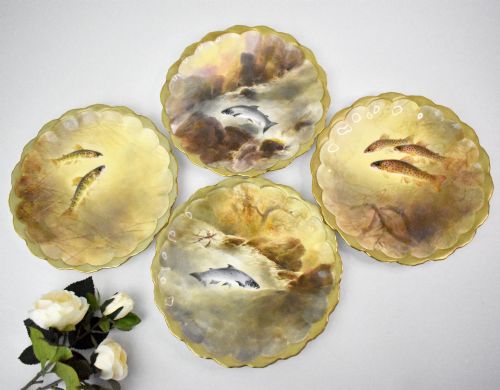


Gilt Rim Porcelain Plate
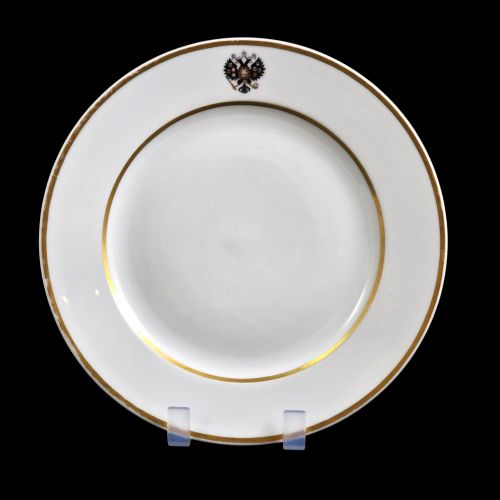
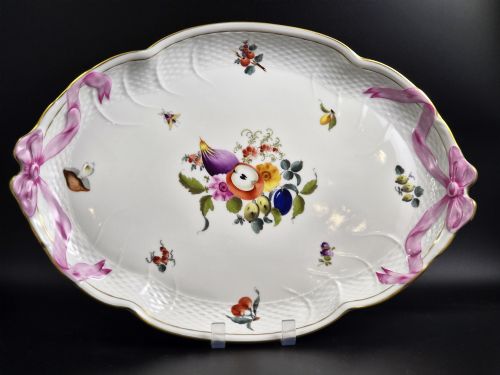
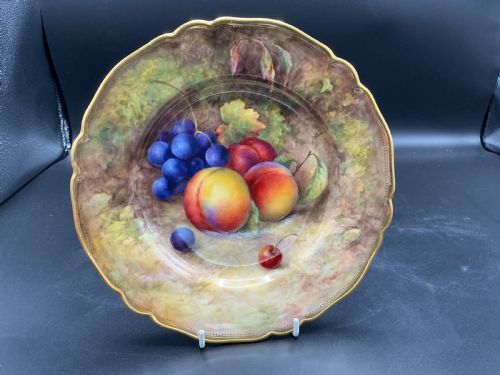
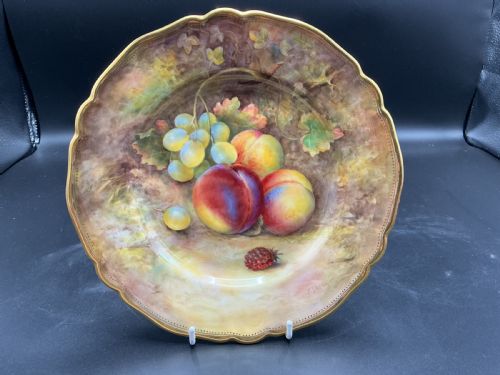
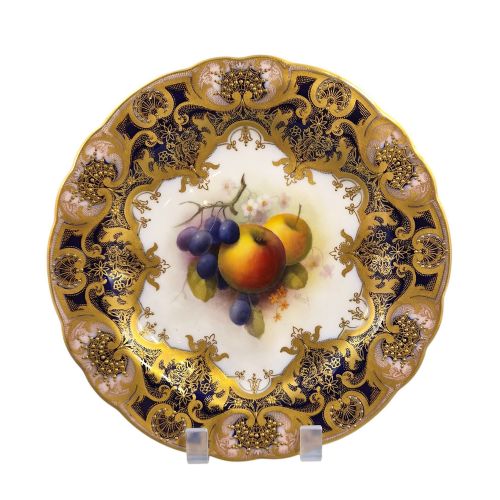
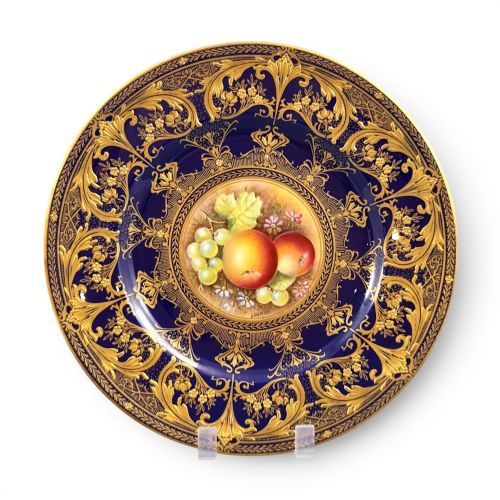
These gilt rim porcelain plate examples bring hand-painted artistry and shining edge work straight to the table or cabinet.
Gilt Rim Porcelain Plate
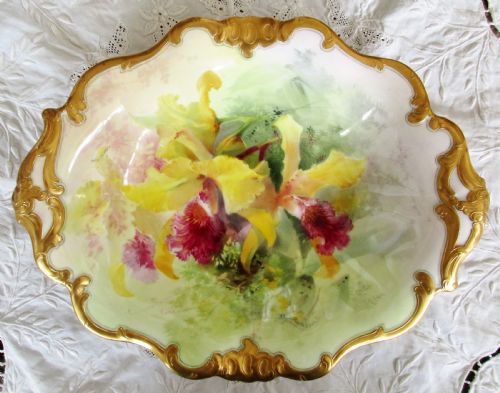
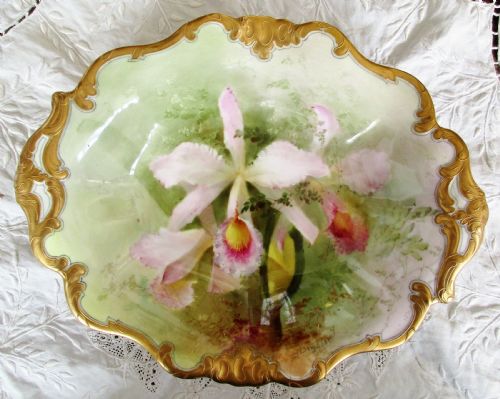
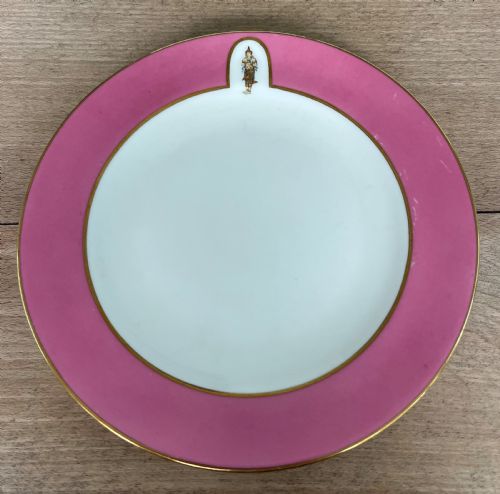
A gilt rim porcelain plate represents a tradition of fine ceramic manufacture designed for display or formal dining across the nineteenth and twentieth centuries. When searching for a gilt rim porcelain plate, buyers encounter cabinet pieces, decorative dishes, and dessert services featuring gilded borders.
The selection here spans Victorian and Edwardian examples alongside mid-century works, drawing on periods from the eighteenth century to the 1950s. Many pieces function as cabinet plates intended for visual appreciation rather than daily use.
Makers and factories utilised porcelain, bone china, and ironstone as grounds for elaborate painted scenes of fruit, flowers, and birds. These forms originate from English potteries, continental European houses, and Japanese workshops.
What varies in quality
Quality rests upon the skill of the artist and the precision of the hand-painted details, particularly in signed works depicting fruit, birds, or mythological scenes. Factory attribution also guides value, with pieces from notable kilns commanding greater attention.
The execution of the gilding itself determines the calibre of the object, distinguishing standard commercial plates from exhibition-grade cabinet dishes with rich gold leaf borders and reticulated rims.
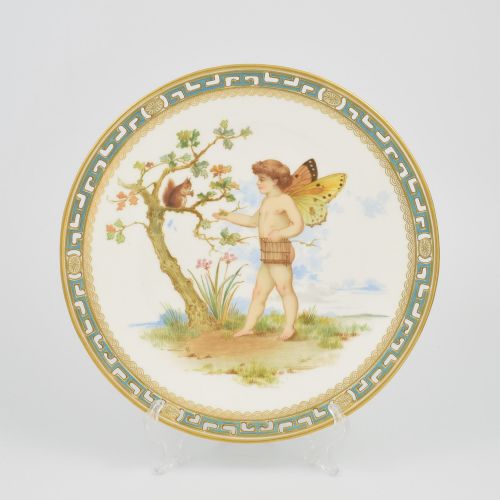
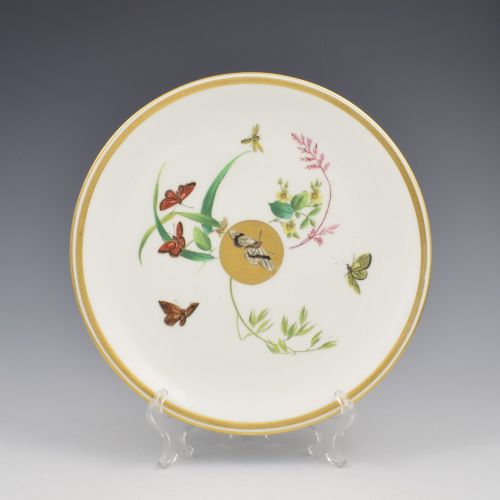
Squirrels and fairy tales occasionally share a plate rim with butterflies.
Royal Worcester·Minton·Royal Doulton·John Davenport of Longport·Cauldon Ltd·Meissen·Rockingham Pottery·Sevres·Grainger and Co·Coalport·Fukagawa·Wedgwood·Crescent China
The Gilt Rim Porcelain Plate Glossary
- Cabinet plate
- A decorative ceramic dish intended for display in a cabinet or on a wall rather than for everyday dining. These items frequently feature elaborate hand-painted scenes and gilt borders.
- Gilding
- The application of gold leaf or gold paint to the rim or surface of ceramics. This technique provides a bright metallic finish that frames the painted central motif.
- Reticulated
- A pattern or border featuring an openwork lattice design cut into the ceramic body before firing. It appears on finer plates from European and English factories.
- Bone china
- A type of soft-paste porcelain incorporating animal bone ash, resulting in a strong, bright white body suited to delicate painting. It forms the base of many Victorian and Edwardian examples.
Gilt Rim Porcelain Plate: Frequently Asked Questions
What is a cabinet plate?
A cabinet plate is a decorative ceramic piece made primarily for visual display in a cabinet or on a wall. These items often feature intricate hand-painted artwork and delicate gilt rims.
Unlike tableware intended for daily meals, cabinet plates prioritise artistic merit and decorative impact over utilitarian durability.
How do I care for gilt rim porcelain?
Gilt rim porcelain requires gentle handling and hand washing with mild soap to preserve the delicate gold leaf and enamel painting. Avoid abrasive sponges and dishwashers, which wear away metallic rims over time.
Store pieces securely in cabinets or use padded wall hangers designed specifically for heavy decorative dishes.
How do I identify Victorian plates?
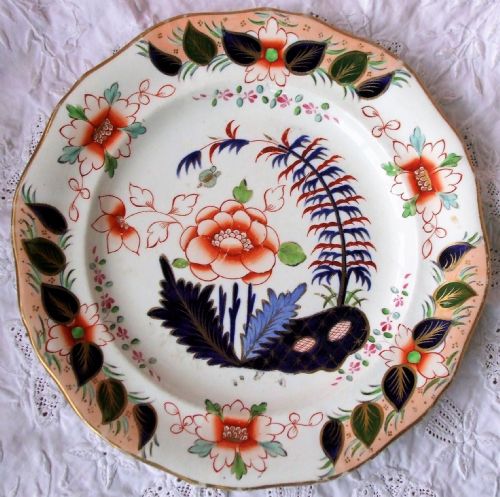
Victorian plates often display the characteristic aesthetic styles, heavy gilding, and floral or animal motifs popular during the nineteenth century. Examining the backstamps, paste consistency, and painting technique helps determine the period.
Many pieces from this era also exhibit raised enamel work and hand-painted Japanese-inspired designs.
Were these plates used for dining?
Some pieces formed part of larger dessert services intended for formal dining rooms, while others were manufactured exclusively as cabinet dishes. Over time, many serviceable plates transitioned into decorative objects due to their artistic value.
Plates marked as cabinet items were generally kept behind glass to protect the painted scenes.