


Coalport Porcelain Dish
A coalport porcelain dish brings the height of English ceramic artistry to a table, combining delicate forms with rich hand-painted decoration.
Coalport Porcelain Dish
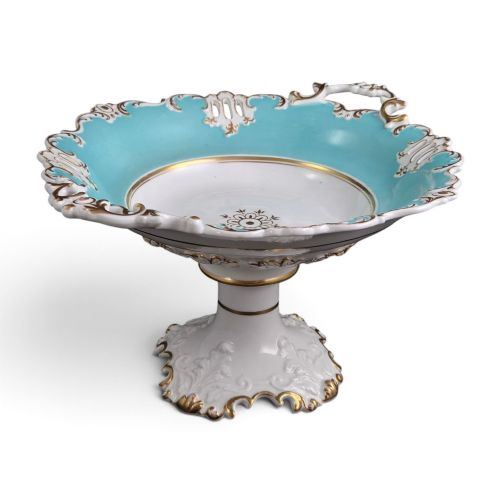
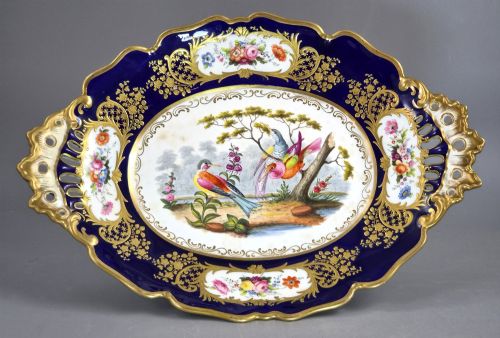
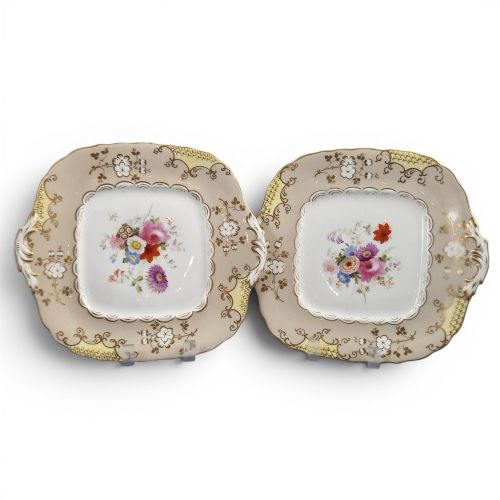
A coalport porcelain dish encompasses various forms including cabinet plates, tazzas, dessert dishes, and serving vessels spanning the Georgian, Regency, and Victorian periods. These pieces demonstrate the evolving tastes of nineteenth-century dining, moving from botanical and armorial designs to lavish rococo revival shapes.
Buyers encounter diverse stylistic interpretations, from crisp Regency white bodies with hand-painted flora to ornate turquoise bone china tazzas enriched with heavy gilding. Each form reflects the technical ambition of the factory across different eras of production.
Materials and production methods
Potters shaped these items using fine porcelain and bone china bodies, creating smooth white surfaces suited to intricate painting. Makers applied enamel colours by hand to render botanical specimens, birds, and topographical views with precision.
Artisans embellished forms using gold leaf and elaborate gilding techniques to highlight raised borders, scrollwork, and shell motifs. Diaper embossing and moulded relief work frequently added texture beneath the glaze and enamel layers.
Object forms range widely from utilitarian soup tureens and dinner services to decorative cabinet plates and shell-form sweet dishes.
Qualities of distinction
The standard of a coalport porcelain dish rests primarily upon the skill and execution of its hand-painted decoration. Detailed botanical studies, bespoke armorial commissions, and named topographical scenes by known decorators elevate a piece well above standard factory output.
The application of gilding and the crispness of moulded elements such as rococo scrolls or shell forms dictate the overall refinement of an object. Preservation of the enamel colours and the brightness of the gold leaf over decades of handling remain vital indicators of initial craftsmanship.
Coalport·Coalbrookdale·Tom Keeling·Thomas Dickson
The Coalport Porcelain Dish Glossary
- Bone china
- A type of soft-paste porcelain containing bone ash, developed in England to produce a strong, translucent ceramic body.
- Tazza
- A shallow ornamental cup or plate mounted on a stem and foot, used for serving fruit or sweets on formal tables.
- Gilding
- The application of gold leaf or gold powder to ceramic surfaces for decorative enrichment and border definition.
- Diaper embossing
- A decorative geometric pattern pressed or moulded into the ceramic body to create low-relief surface texture.
- Rococo revival
- A nineteenth-century design style characterised by asymmetrical scrolls, C-curves, and naturalistic shell or floral motifs.
Coalport Porcelain Dish: Frequently Asked Questions
How do I date a coalport porcelain dish?
Dating relies on stylistic clues such as the presence of Regency botanical painting, Georgian armorial markers, or Victorian rococo revival moulding. Factory marks, where present, help narrow the period of manufacture.
Changes in body composition from early soft-paste variations to mid-nineteenth-century bone china also assist in establishing the chronological context of a piece.
Were these dishes meant for everyday dining?
Many items served practical functions within large dinner and dessert services during the nineteenth century. Soup tureens, soup plates, and serving dishes saw active use at formal meals.
Other forms, such as cabinet plates and decorative tazzas, were intended primarily for display in drawing rooms rather than dining tables.
How should I clean my antique porcelain?
Wash pieces gently by hand in lukewarm water using a mild, non-abrasive detergent. Avoid soaking items for extended periods, particularly those with vulnerable overglaze enamels or delicate gilding.
Dry each piece thoroughly with a soft, lint-free cloth to protect the decorated surfaces from moisture damage.