


Antique Floral Box
An antique floral box brings botanical motifs into small-scale storage, uniting practical containers with decorative plant and flower designs across diverse periods.
Antique Floral Box
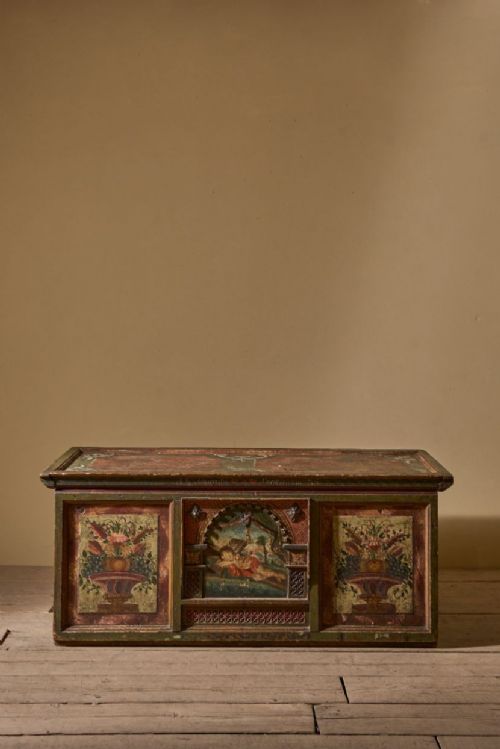
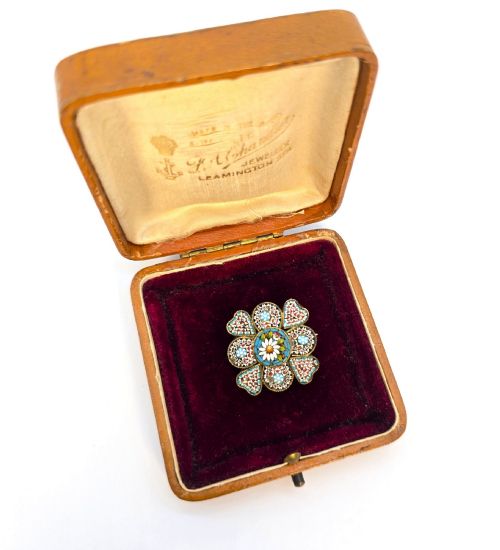
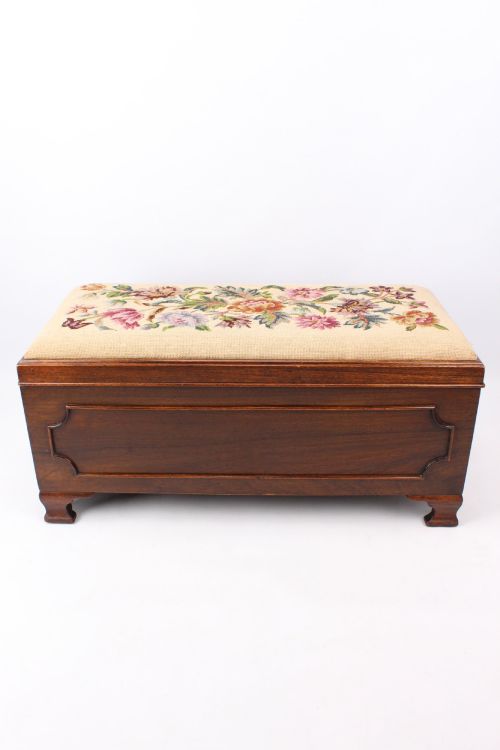
When searching for an antique floral box, buyers encounter an array of functional containers ranging from small silver snuff boxes and tea caddies to larger painted trunks and chests. These objects originate from various regions including England, France, Japan, and Hungary, reflecting regional craft traditions in both domestic and export markets.
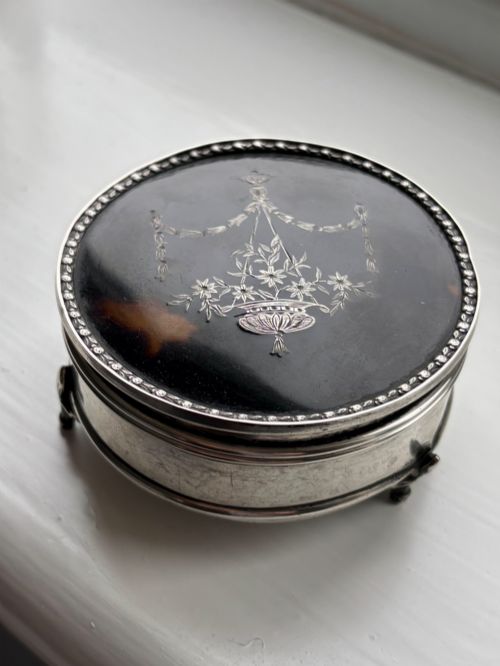
The versions met most frequently on this page span the nineteenth century and the early twentieth century, encompassing Victorian and Edwardian dressing table jars alongside Georgian silver pieces. Form follows function closely, with smaller items serving as trinket or jewellery storage while larger painted pine coffers and trunks handle bulkier household items.
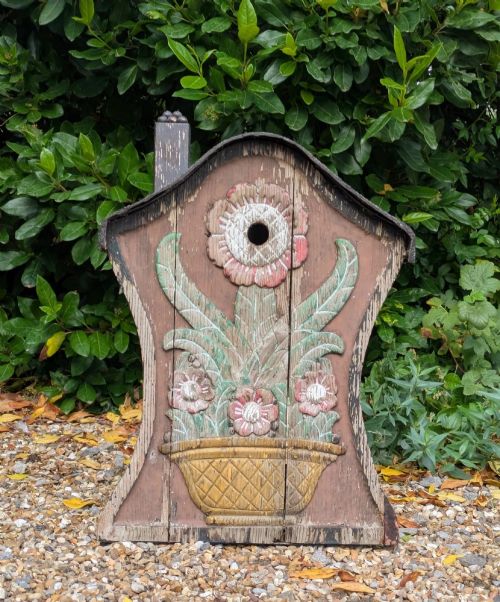
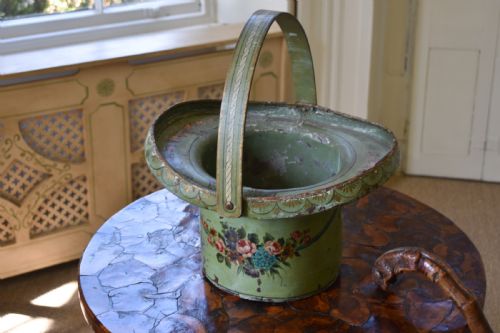
Makers utilised specific materials suited to each purpose, pairing sturdy oak, pine, and iron for larger trunks with delicate porcelain, glass, papier-mâché, and sterling silver for smaller receptacles. Stylistic influences shift from folk art and Scandinavian country painting to formal Art Nouveau repoussé work and Chinoiserie lacquer.
Materials and Technique
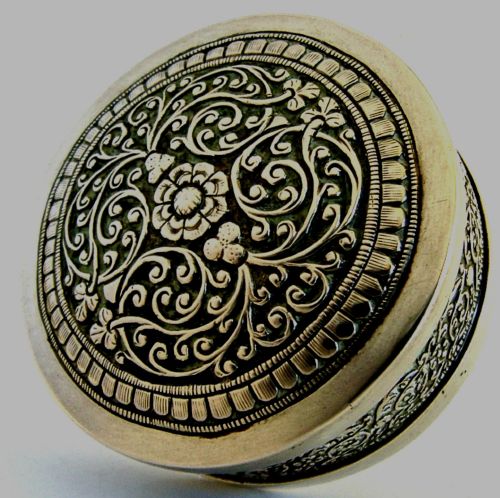
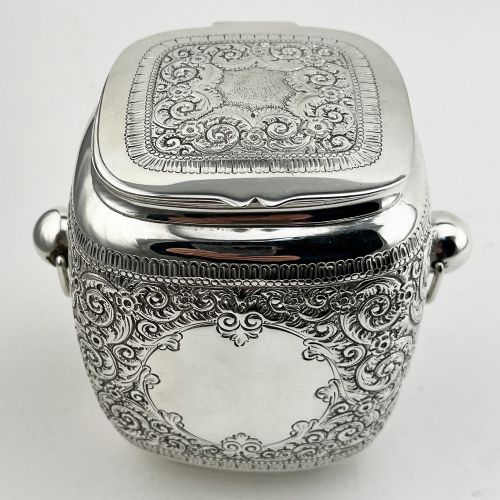
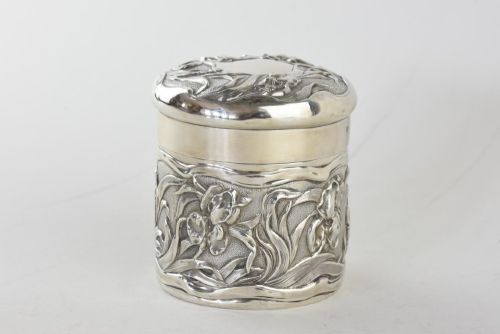
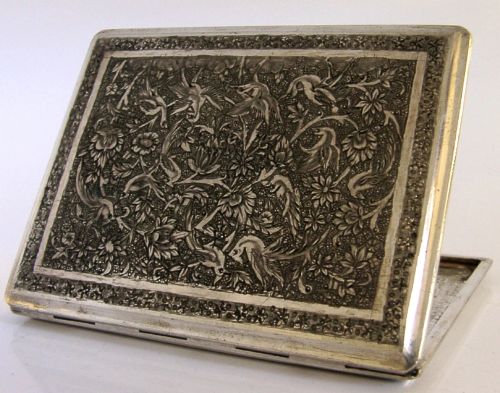
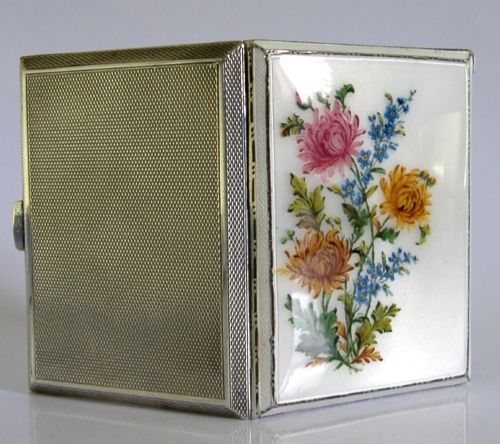
Metalwork relies on techniques such as repoussé, chasing, and cloisonné, where artisans hammer, emboss, or inlay wire to render botanical forms onto silver, brass, and copper surfaces. Silversmiths shape solid sterling silver or apply silver plate to copper foundations, frequently combining metals with glass, tortoiseshell, or enamel inserts.
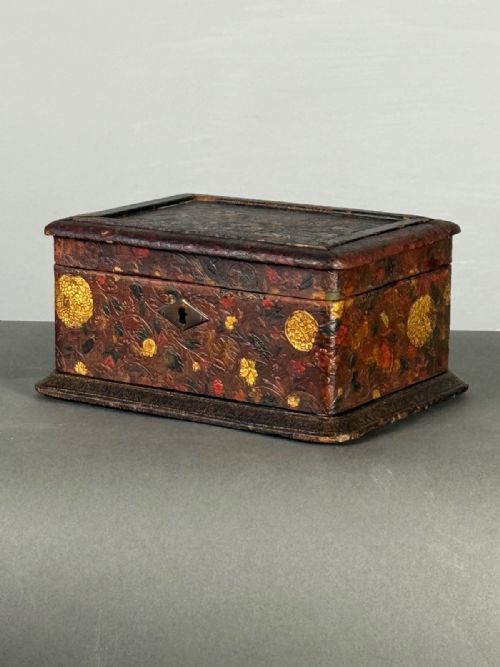
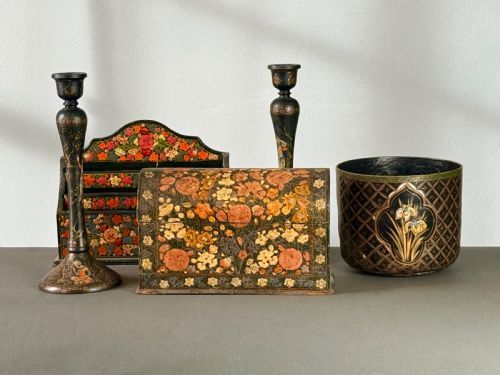
Woodworking traditions employ marquetry, parquetry, and painted finishes, utilising pine, mahogany, burr walnut, and satinwood as foundations for floral decoration. Tunbridge ware incorporates tiny tinted wood blocks to mosaic plant patterns onto small boxes, while lacquer and papier-mâché pieces receive hand-painted or inlaid mother-of-pearl floral details.
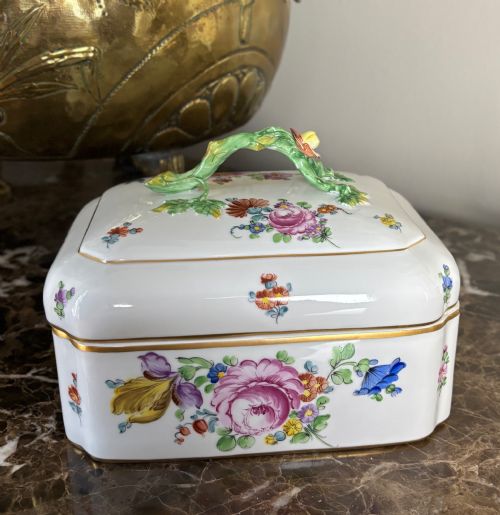
Ceramic and glass containers involve moulding, firing, and hand-painting techniques, producing Bilston enamel patch boxes, porcelain dishes, and enamelled Bristol blue glass jars. Artisans apply polychrome glazes and fired enamels to fix botanical designs permanently onto the vitreous or ceramic bodies.
One Swedish folk art box waits patiently to hold secrets, painted with a cheerful little bird that has watched rooms change for over a century.
Standards of Execution
Quality separates objects by the precision and depth of the botanical ornamentation, distinguishing crisp, hand-chased floral borders and intricate micro-mosaics from routine stamped or printed decoration. Superior metalwork displays sharp relief in repoussé silver, whereas finer woodwork exhibits tight joints and seamless marquetry without gaps in the inlaid timber.
The integrity of the surface finish marks another division, as well-preserved lacquer, intact enamel without chipping, and original painted folk art patination command higher regard than heavily restored or worn surfaces. Master workshops ensure that internal linings, hinges, and closures function smoothly while retaining their original material components.
The distinction between mass production and individual studio output dictates overall standard, with signed pieces from known silversmiths or specialist makers demonstrating superior heft, balanced proportions, and careful finishing compared to generic factory wares.
Susse Freres Paris·Ollivant and Botsford·Martin Hall and Co·Goldsmiths and Silversmiths Company·Edmund Nye·Joseph Willmore·Thomas Pemberton and Robert Mitchell·Thomas Wilkes Barker·William Comyns and Sons·Nathaniel Mills
The Antique Floral Box Glossary
- Repoussé
- A metalworking technique where the artisan hammers the design from the reverse side to form raised floral patterns on the front. This method creates tactile depth on silver boxes and dressing table jars.
- Tunbridge Ware
- A type of woodworking characterised by minute mosaic tiles made from naturally coloured timbers arranged to form geometric or floral pictures. It originates from the spa town of Tunbridge Wells in Kent.
- Cloisonné
- An ancient technique for decorating metal object surfaces, using wire compartments soldered to the base and filled with coloured enamel paste. Japanese examples frequently use this method to depict floral motifs.
- Papier-mâché
- A composite material consisting of paper pieces or pulp bound with glue, layered and then lacquered and painted. Victorian makers utilised this substance for lightweight tea caddies and stationery boxes.
- Tea Caddy
- A container designed to store tea leaves safely away from light and moisture, often featuring internal compartments and lockable lids. Georgian and Victorian examples frequently incorporate floral marquetry or silver mounts.
Antique Floral Box: Frequently Asked Questions
What were antique floral boxes used for?
These containers served multiple domestic functions, from holding dry tea leaves and spices to safeguarding personal jewellery, letters, and cosmetics on dressing tables. Larger wooden trunks and coffers stored household linens, garments, and marriage dowries.
Smaller pieces like silver snuff boxes and patch boxes accommodated personal items carried on the person or kept within easy reach in a parlour. Their form directly reflected the value and fragility of their intended contents.
How do I care for an antique painted box?
Painted wooden and lacquer surfaces require stable environmental conditions away from direct sunlight and excessive humidity to prevent the paint from fading, cracking, or lifting. Dust the exterior gently with a dry, soft cloth without applying modern liquid polishes or chemical cleaners.
Leather-covered and papier-mâché items benefit from similar dry maintenance, as moisture can damage organic binders and traditional adhesives. Inspect hinges and closures occasionally to ensure mechanical parts remain free of stress.
How can I tell the difference between Victorian and Georgian boxes?
Georgian boxes generally display proportions and decorative restraint characteristic of the eighteenth and early nineteenth centuries, favouring fine silver chasing, Tunbridge wood mosaics, and substantial painted leather. Their construction often reveals hand-cut elements and distinct joinery.
Victorian pieces embrace industrial advancements and eclectic revivals, introducing mass-produced stamped brass, intricate papier-mâché with mother-of-pearl inlay, and heavier silver plating. Design motifs during the Victorian era also tended toward denser, more exuberant botanical arrangements.
What indicates a genuine antique silver floral box?
Genuine silver pieces carry hallmarks stamped into the metal, indicating the assay office, the maker's mark, and the date letter corresponding to specific years of production. Foreign items and export silver may feature regional stamps or purity marks instead of British assay office symbols.
Beyond hallmarks, authentic items display hand-worked details in the floral repoussé or chased borders rather than the uniform flatness associated with modern casting. Natural wear patterns on the underside and interior also support the period attribution.