






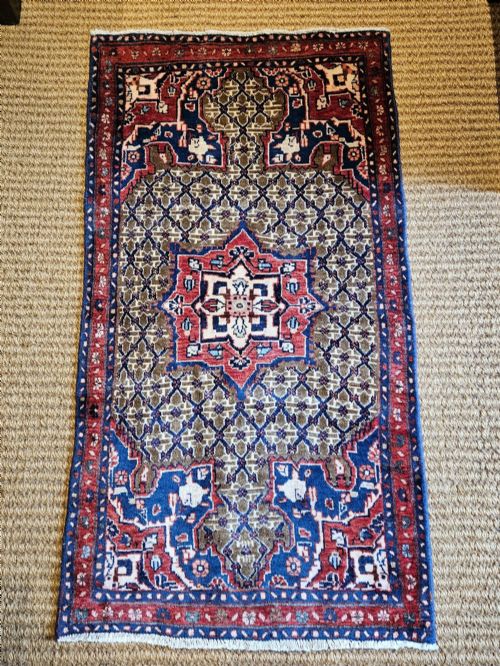
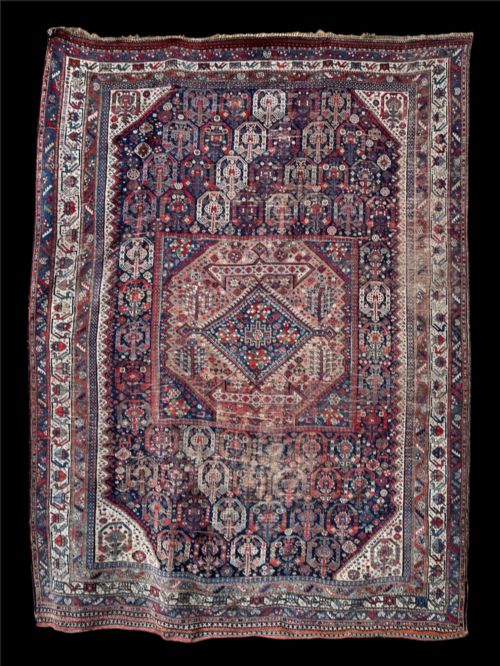
Antique Floor Runner Rug
These woven pieces bring character and warmth to hallways, bridging historic craftsmanship and everyday interiors.
Antique Floor Runner Rug
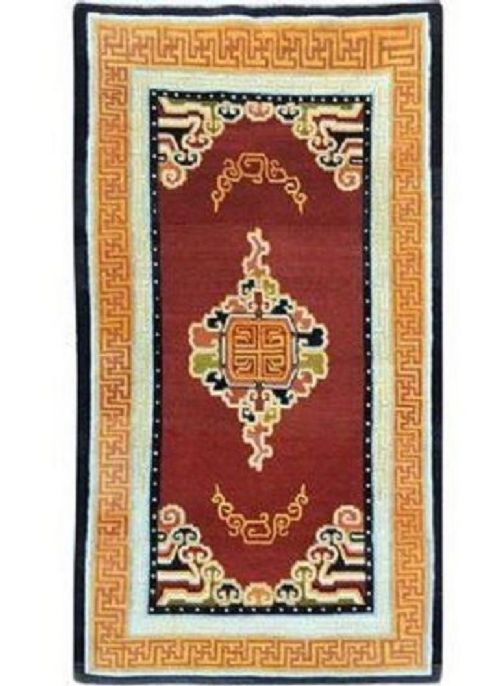
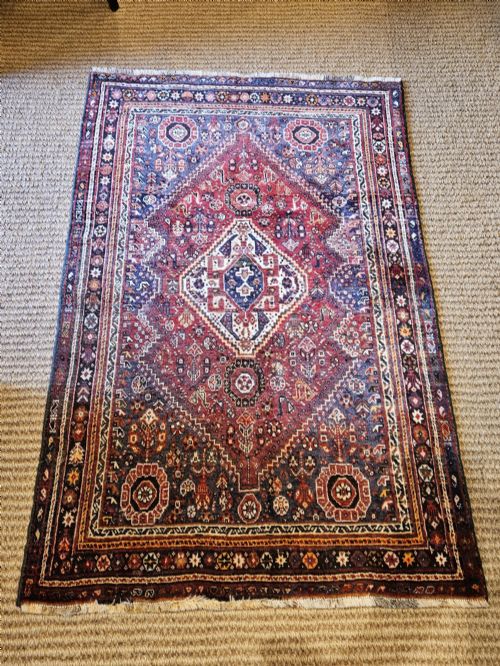
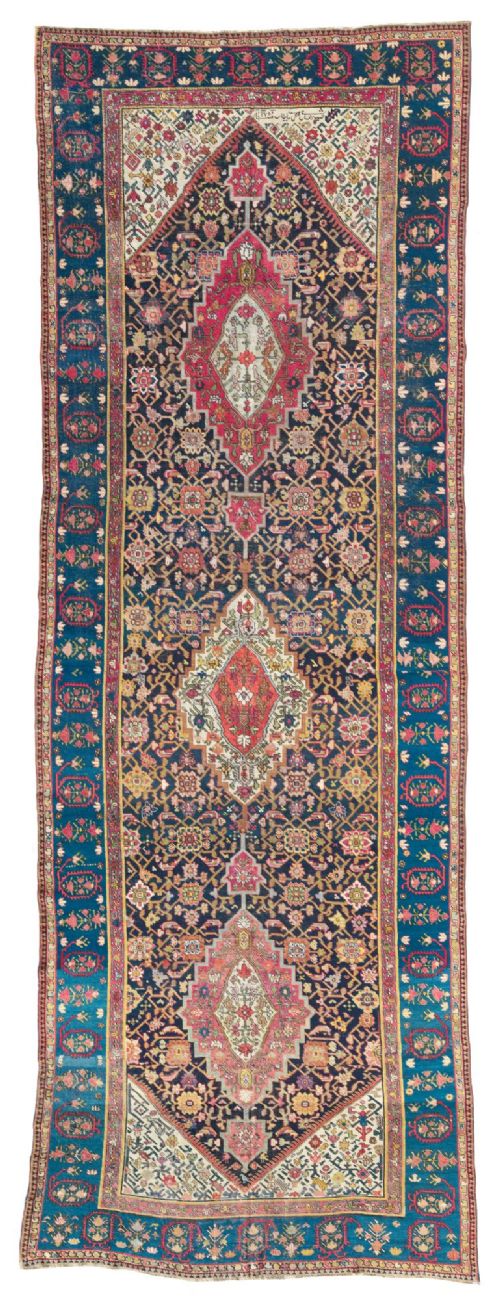
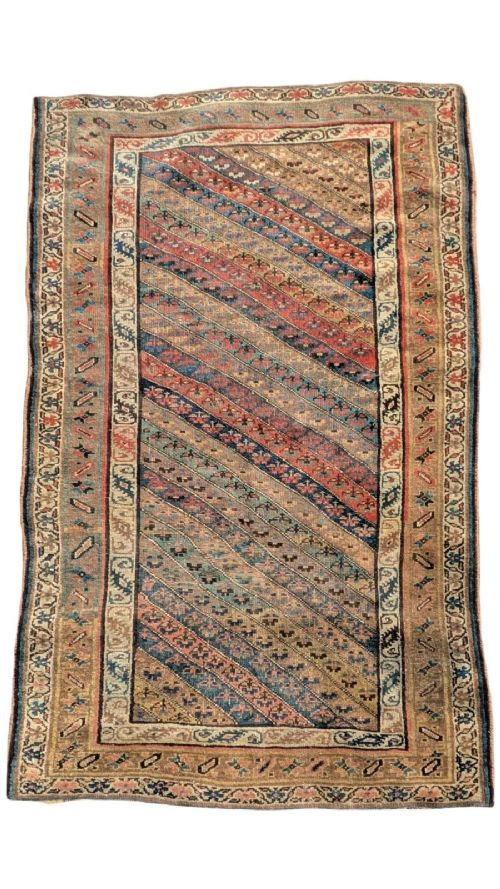
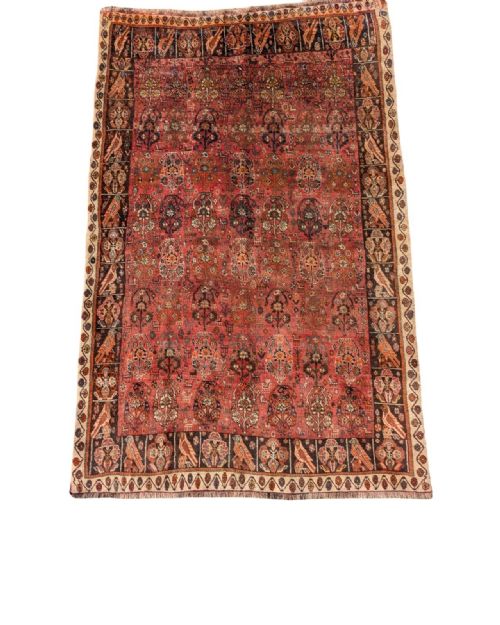
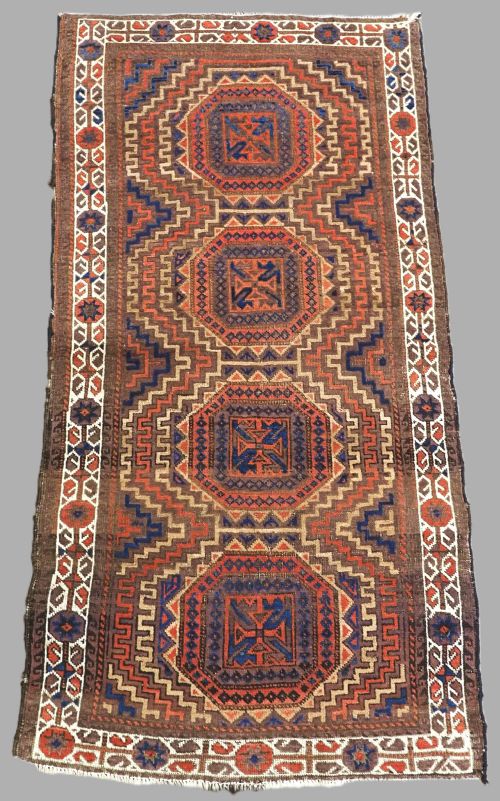
An antique floor runner rug brings linear geometry and historic dye work to corridors, hallways and narrow spaces. The selection spans origins from Persia, the Caucasus, Turkmenistan and Tibet, created across the nineteenth and early twentieth centuries. These textiles include specific tribal and town weaves such as Kurdish, Bakhtiar, Kazak, Ushak and Afshar productions.
Buyers encounter formats designed explicitly for foot traffic in transitional areas, alongside broader village carpets and long corridor pieces. The evidence records formats scaling from compact hallway lengths up to fourteen-foot runners, woven by distinct regional groups. Each piece reflects the utility and aesthetic priorities of its specific weaving tradition.
What varies in quality
Quality rests upon the integrity of the foundation, the density of the knotting and the handling of the wool. Superior examples maintain crisp geometric or floral drawing and even pile retention across the length of the runner. Finer wool selection contributes to a softer handle and greater resilience under foot traffic.
The sophistication of the dye palette and the clarity of regional motifs distinguish finer workshop carpets from simpler village work. A balanced composition and deliberate proportion within narrow corridor formats demonstrate the weaver's control over traditional pattern layouts.
The listings span eight distinct decades of production, running from the eighteen-fifties through to nineteen-thirty.
Kizyl Ayak Tribe·Baharlu Tribal
The Antique Floor Runner Rug Glossary
- Kelleh
- A large, elongated format carpet traditionally used in Persian domestic spaces, longer than standard wide carpets. These pieces share similar proportions to long hallway runners.
- Gul
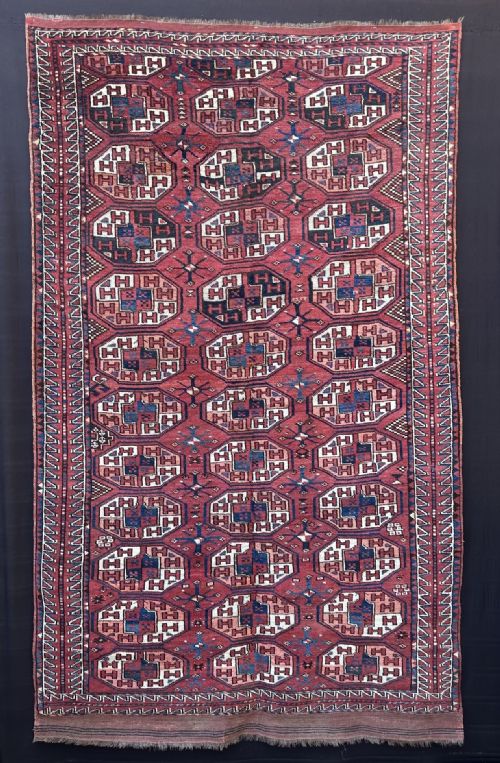
- A medallion motif repeated across tribal carpets, particularly associated with Turkmen and Baluch weaving traditions. Each tribal group utilised distinct geometric variations of this motif.
- Prayer rug
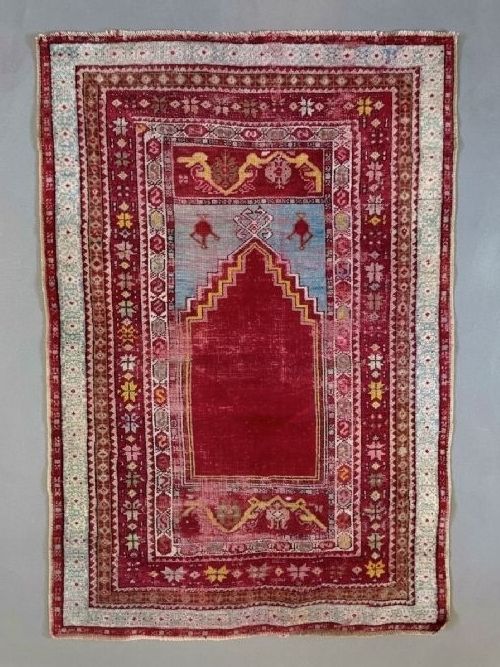
- A small format rug featuring a mihrab or arch design indicating the direction of prayer. These pieces were woven across village and town workshops in Anatolia and Persia.
- Pile
- The cut vertical loops of wool that form the soft surface of the carpet. The height and density of this wool layer determine how the design reads under light.
Antique Floor Runner Rug: Frequently Asked Questions
How do I measure for a hallway runner?
Measure the clear floor space of your corridor, leaving an equal margin of exposed floorboards or stone around the perimeter. Ensure doors can swing freely over the pile height of the textile.
Take measurements at multiple points along the hallway, as older hand-woven pieces can vary slightly in width from one end to the other.
Where should I place an antique runner?
These long carpets suit narrow spaces such as hallways, landings, kitchens and corridors where linear textiles soften hard flooring. They direct movement through a home while adding historic texture.
Keep them out of damp environments and direct blinding sunlight to protect the natural wool pile and historic dye stuffs.
How do I care for historic wool rugs?
Vacuum gently with a suction-only attachment, avoiding the fringe areas where loose threads can catch and fray. Professional cleaning should be undertaken periodically by specialists in antique textiles.
Utilise a breathable underlay beneath the piece to prevent slip, reduce friction against the floor, and cushion the historic foundation.
How do I identify a tribal rug?
Tribal pieces display asymmetrical geometric motifs, spontaneous colour shifts within the field, and rustic village wools rather than refined town workshop cotton foundations. Their designs are passed down through generations of specific weaving groups.
Look for charming irregularities in the straightness of the borders and the execution of stars, guls or tribal symbols.