


Handwoven Wool Corridor Runner
A handwoven wool corridor runner brings warmth and distinct pattern to long, narrow spaces.
Handwoven Wool Corridor Runner
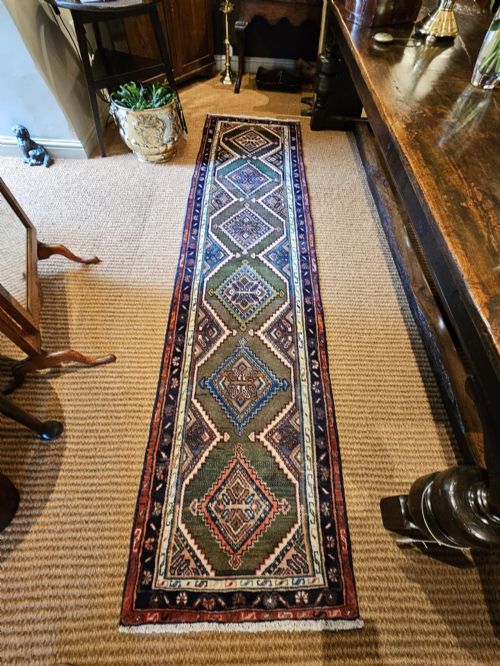
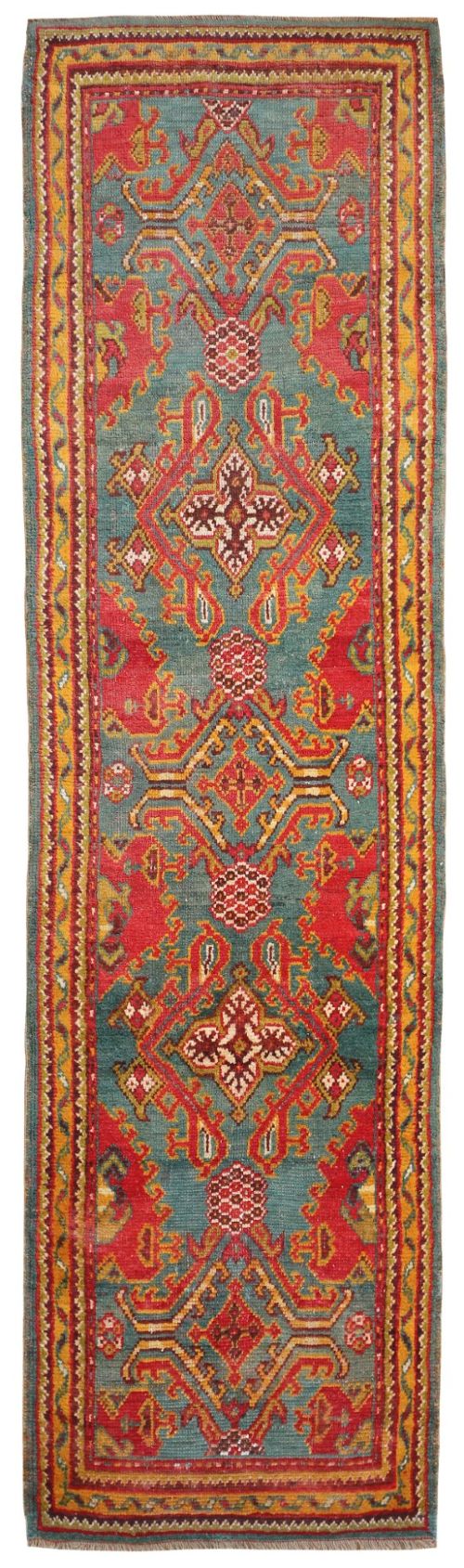
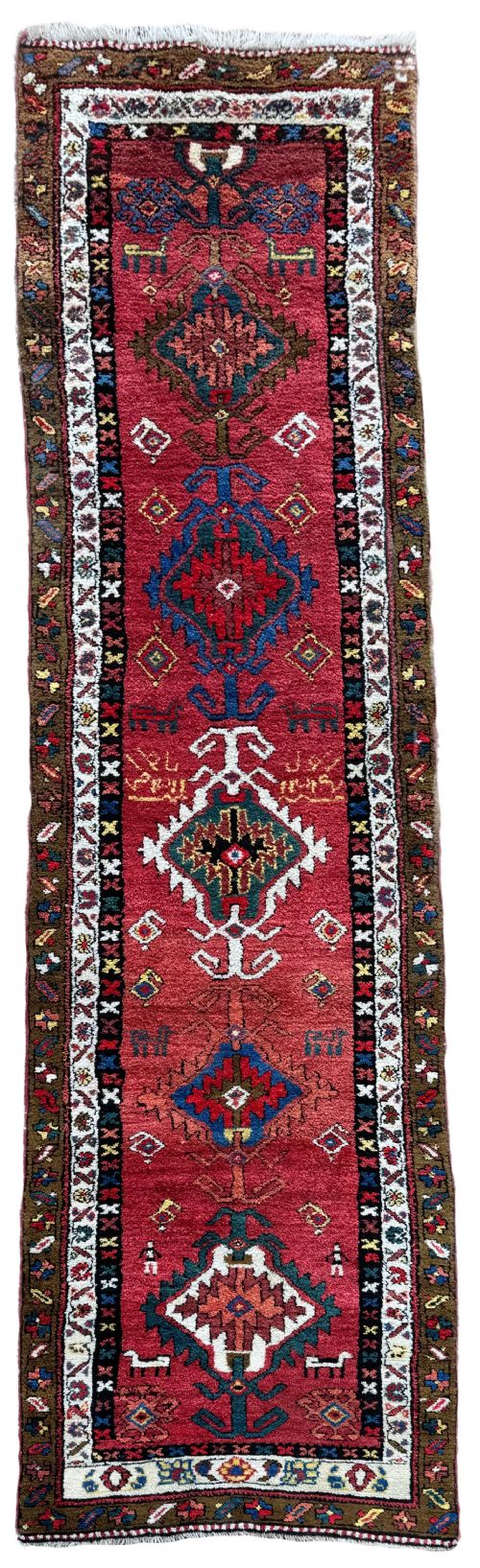
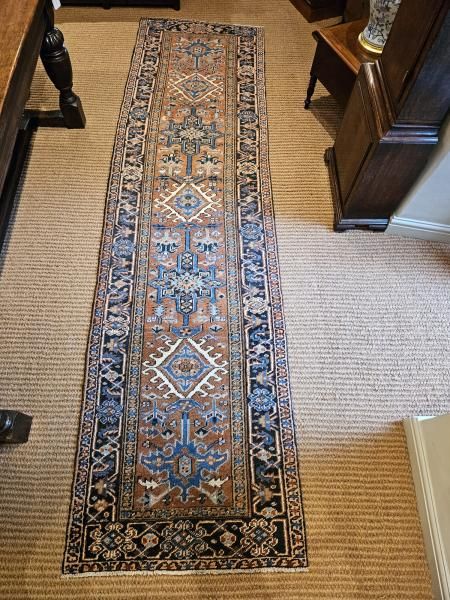
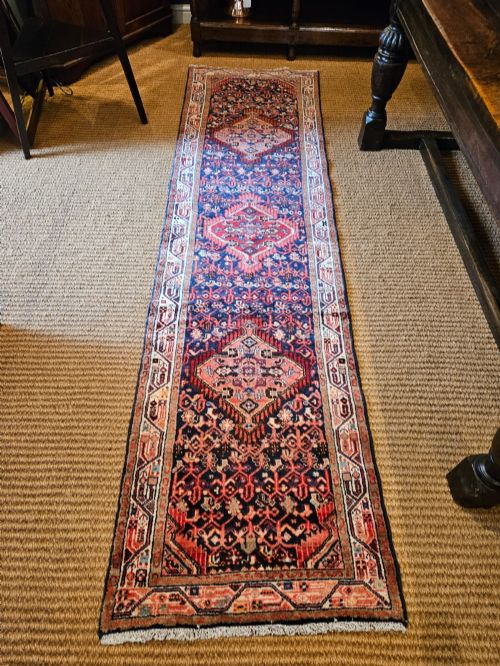
A handwoven wool corridor runner is a long, narrow textile designed for hallways, corridors and passages. These pieces combine utility with decorative regional designs originating from traditional weaving cultures.
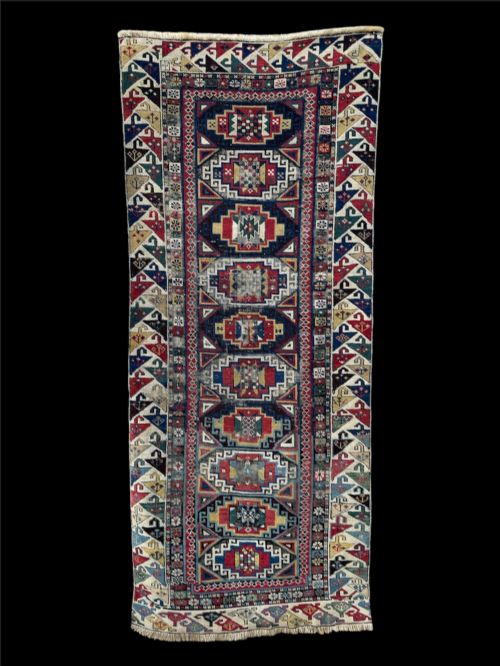
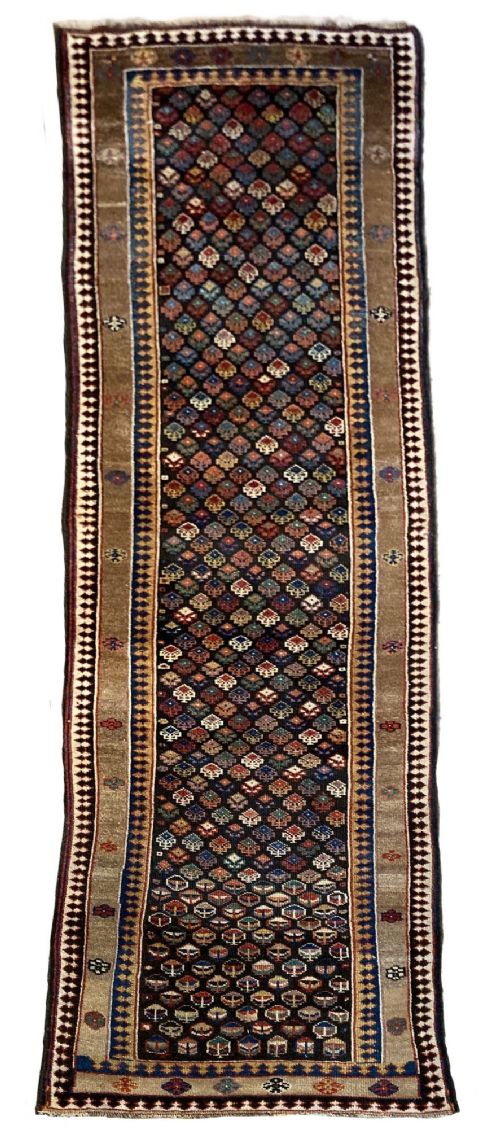
Most examples found here date from the late nineteenth century through to the early twentieth century. They encompass various regional styles including Persian Heriz, Caucasian, Kurdish and Turkish traditions.
Makers shaped these rugs in specific proportions suited to narrow floors. The selection relies heavily on wool pile woven onto foundations of cotton or wool.
How they were made
Weavers employed hand-knotted or flatwoven techniques using natural wool yarns spun by hand. Cotton often served as a sturdy warp and weft foundation for many regional types, whilst specific pieces incorporated camel hair.
Dyers utilised natural materials to colour the wool, yielding rich tones that age with character. The dense knotting provided durability for heavy foot traffic in domestic corridors.
Several runners stretch past five metres in length, designed for exceptionally long Georgian and Victorian hallway floors.
What varies in quality
Quality depends on the density of the weave and the precision of the design execution. Finer knots permit more intricate geometric or medallion motifs to emerge clearly across the long field.
The condition of the wool pile and the integrity of the original selvedges dictate the durability of each runner. Superior pieces maintain even pile height and stable foundations throughout their length.
The Handwoven Wool Corridor Runner Glossary
- Runner
- A long, narrow carpet format specifically proportioned for hallways and corridors. This shape directs movement through domestic spaces.
- Warp
- The stationary vertical threads stretched onto the loom before weaving begins. These parallel strings form the foundational skeleton of the textile.
- Weft
- The horizontal threads passed alternately over and under the warp threads to bind the knots in place. This process secures the structure row by row.
- Selvedge
- The reinforced side edges of a rug finished to prevent fraying. Well-maintained edges protect the structural integrity of the pile.
- Kilim
- A flatwoven textile produced without a raised pile. These pieces rely on interlocking weft threads to create sharp geometric patterns.
Handwoven Wool Corridor Runner: Frequently Asked Questions
Where should I place a runner?
These long carpets suit hallways, corridors and narrow passage spaces where narrow flooring requires protection and warmth.
They also function effectively in long kitchens or alongside beds in larger bedrooms.
How do I clean an old wool runner?
Gentle surface brushing and regular light vacuuming without a beater bar remove embedded grit from the wool pile. Professional textile cleaning is recommended for deeper maintenance.
Water and harsh chemical detergents can damage natural dyes and weaken the foundation fibres.
What is the difference between Heriz and Caucasian runners?
Heriz runners typically display bold, large-scale geometric medallions with substantial borders in earthy tones. They originate from the Heris district in northwest Persia.
Caucasian pieces often feature sharper, more abstracted geometric motifs, stars or stylized animals executed with crisp contrast.
Do I need an underlay?
A suitable rug underlay prevents the textile from sliding on smooth wooden or tiled hallway floors. It also reduces friction between the foundation and the floor surface.
Using an underlay adds cushioning and extends the working life of older wool foundations.