

Vintage Persian Corridor Runner
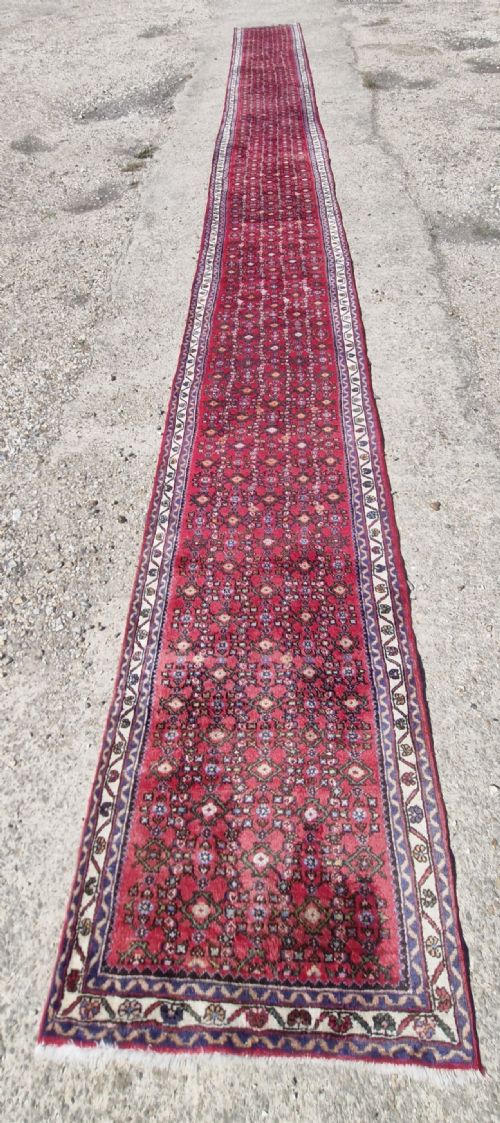
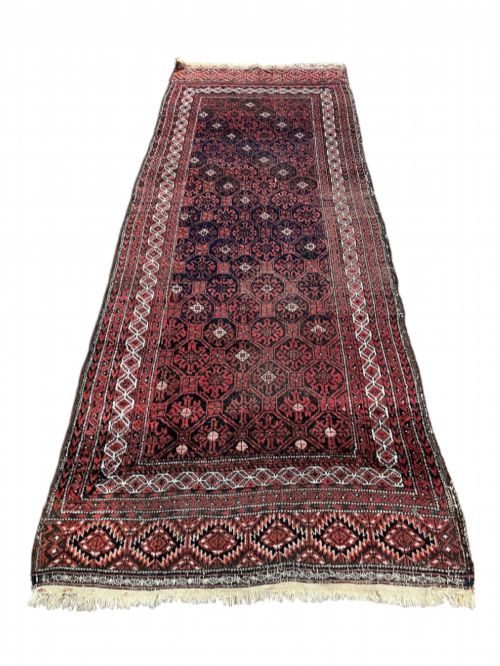
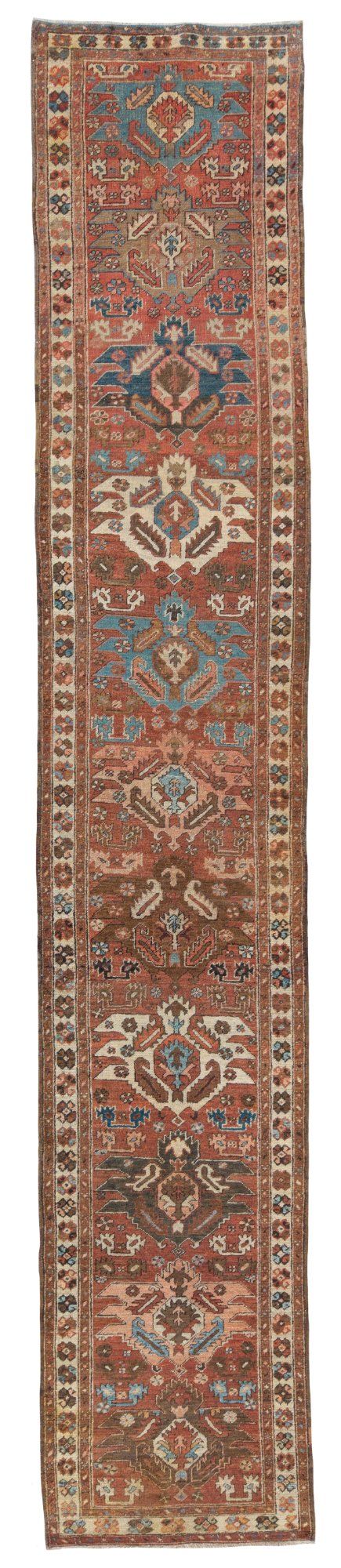
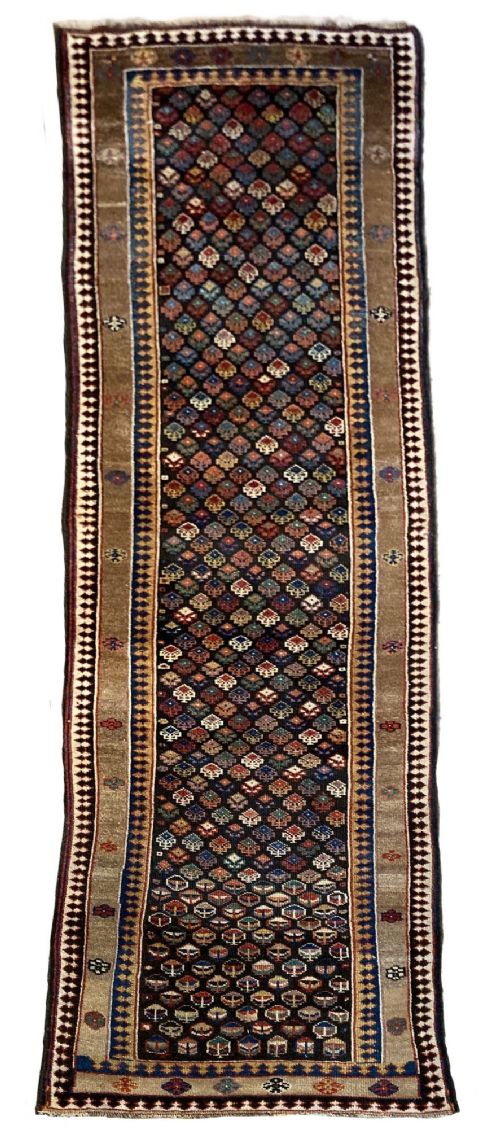
A vintage persian corridor runner brings character to narrow hallways, offering long, narrow formats woven with traditional tribal and regional designs.
Vintage Persian Corridor Runner
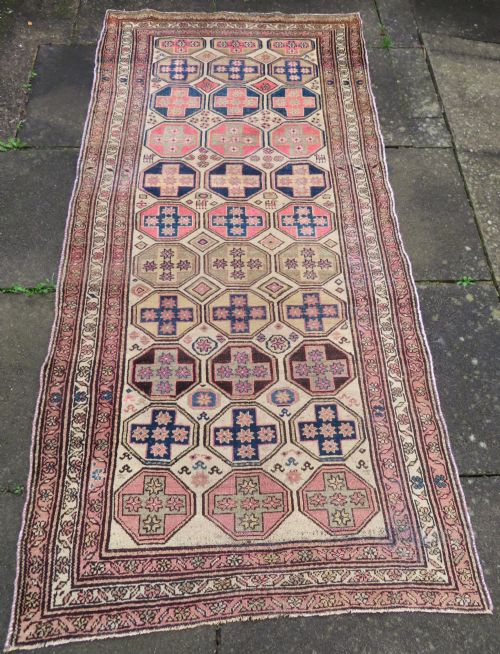
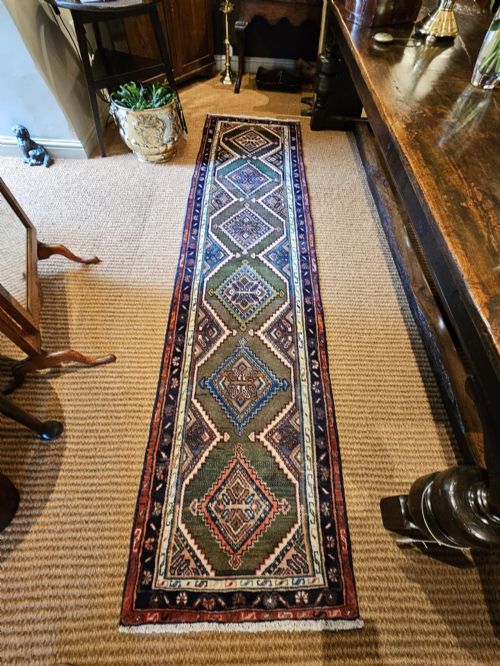
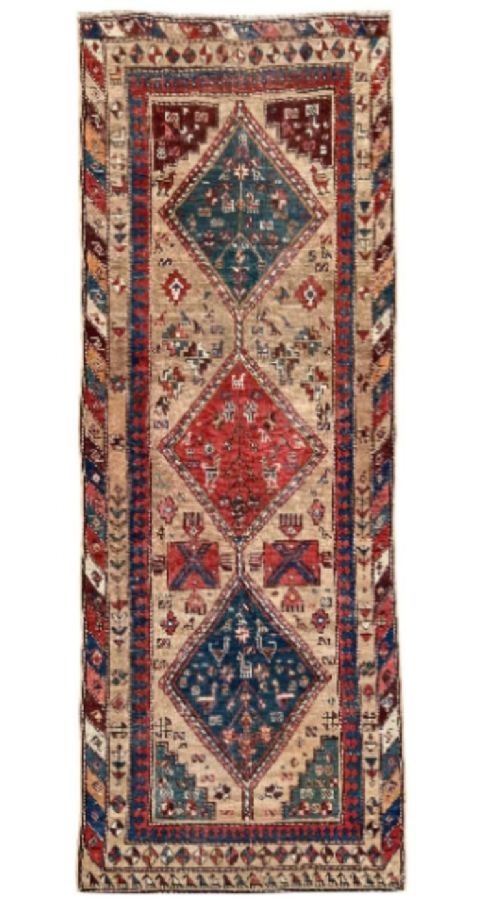
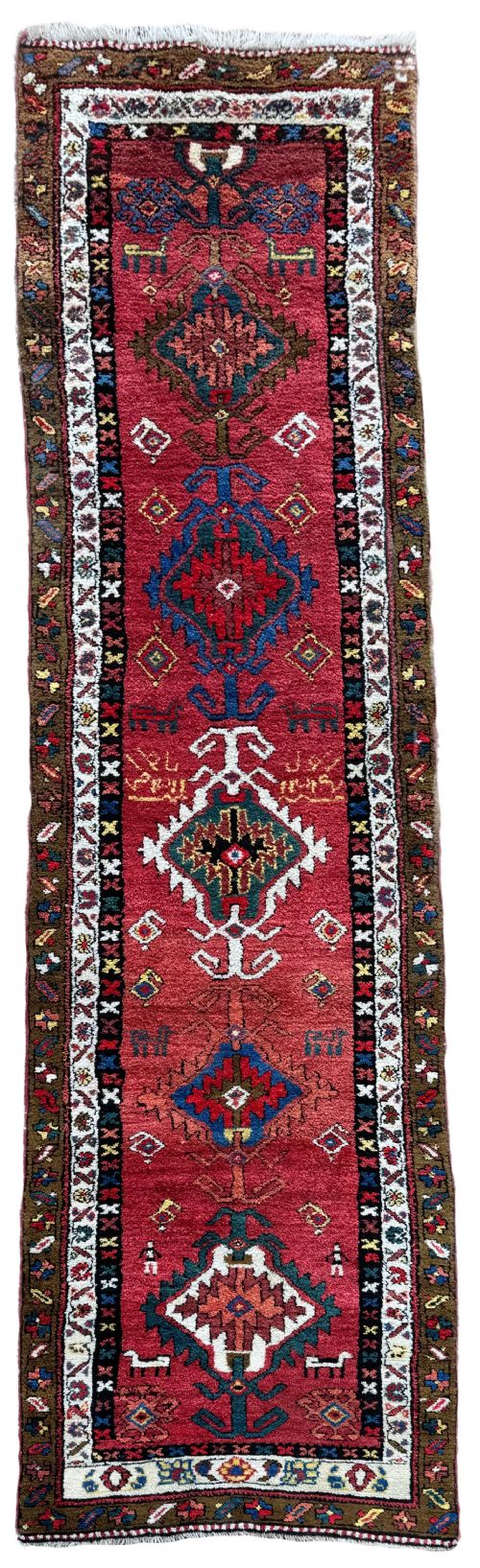
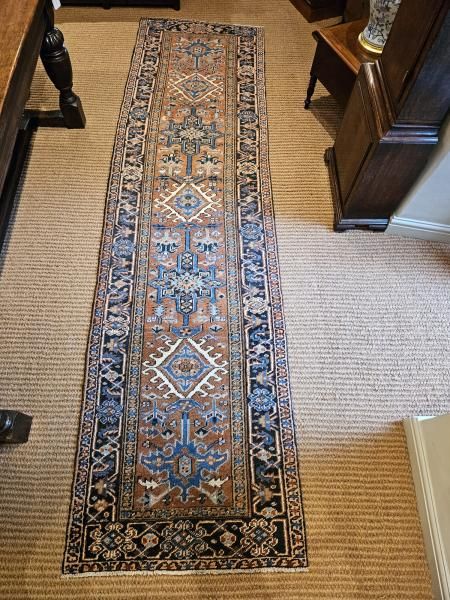
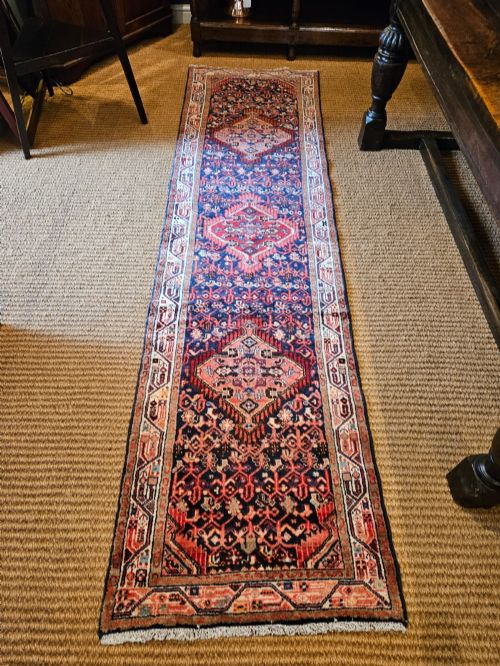
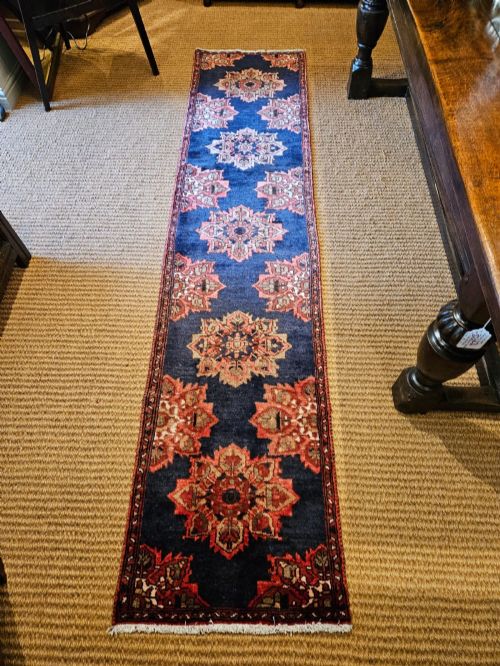
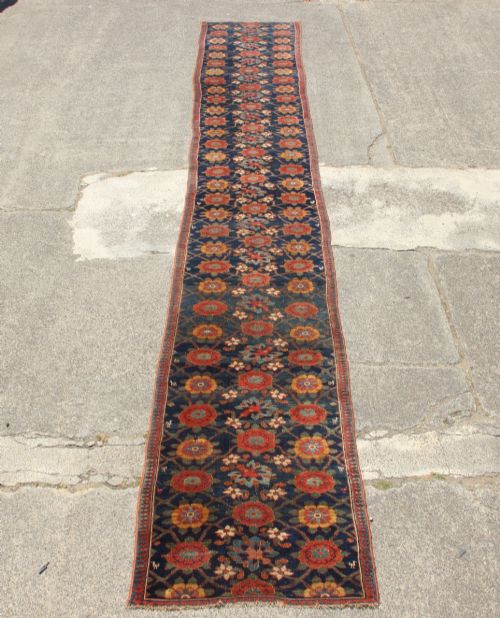
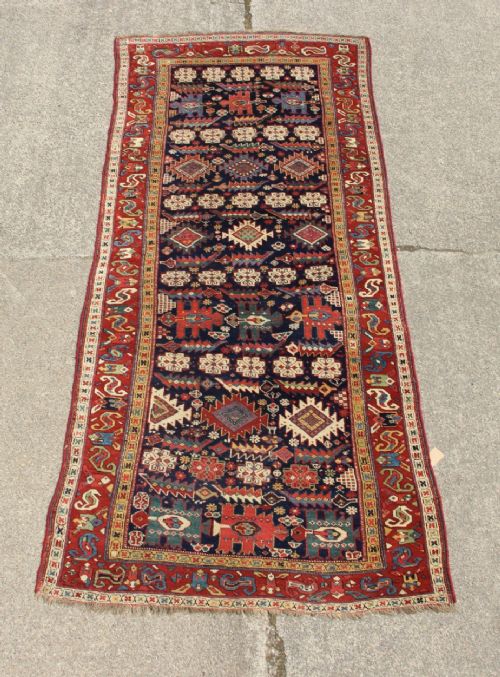
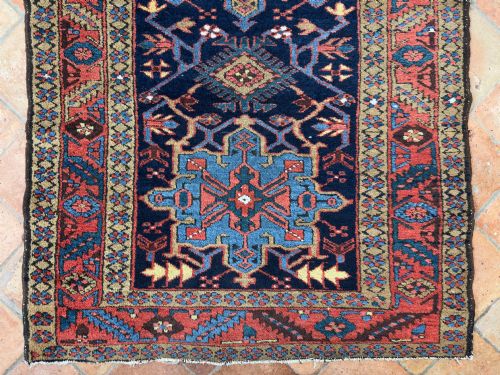
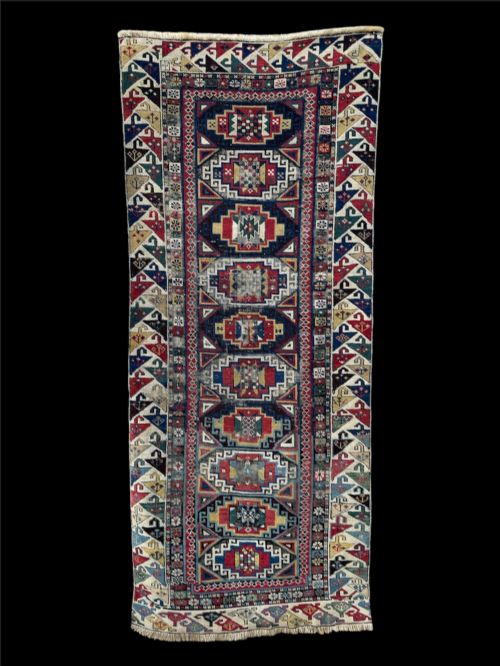
A vintage persian corridor runner is designed specifically for long hallways, landings and narrow spaces, spanning lengths from compact formats up to extended gallery sizes. The pieces found here encompass traditional regional styles such as Heriz, Kurdish, Hamadan, and Kurdish Kelleh formats produced across the nineteenth and twentieth centuries.
These floor coverings serve functional roles in transit areas while displaying intricate geometric and floral motifs passed down through generations of weavers. Examples range from narrow village productions to grander carpet formats suited to country house corridors.
How They Were Made
Construction relies primarily on wool piles knotted onto cotton or wool foundations, utilising hand-spun fibres that absorb natural dyes with rich depth. Weavers employed sturdy knotting techniques suited to high-traffic areas, ensuring the textiles maintained structural integrity over decades of daily use.
Dye methods incorporated natural sources, producing durable palettes featuring navy blue, olive green, and earthy tones that age gracefully. The density of the weave varies depending on whether the textile originated from a village workshop or a nomadic tribal encampment.
Some antique runners arrive with wonderfully crooked geometry, proving that human hands guided every knot without a straight ruler in sight.
What Varies in Quality
Quality rests upon the fineness of the knotting, the stability of the foundation, and the complexity of the design layout. Finer village and workshop pieces exhibit crisper geometric definition and superior wool quality compared to coarser utility examples.
The integrity of the selvedges and the evenness of the pile wear dictate the overall condition tier. Original dyes and balanced proportions command greater appreciation among collectors seeking authentic regional character.
The Vintage Persian Corridor Runner Glossary
- Kelleh
- A medium-to-long rectangular carpet format, often narrower than a standard carpet but broader than a typical hallway runner. These proportions suit reception rooms and expansive corridors alike.
- Mina Khani
- A repeating pattern of stylised flowers linked by a lattice network, frequently seen in Kurdish and Persian village rugs. This classic design creates an orderly rhythm across the field of the textile.
- Selvedge
- The side cords of a rug formed by wrapping the outermost warp threads, protecting the edges from fraying. Original selvedges indicate careful preservation.
- Warp
- The vertical foundation threads stretched tightly on the loom before knotting begins. Cotton and wool are the primary materials utilised for these structural elements.
Vintage Persian Corridor Runner: Frequently Asked Questions
Where should I place a long runner?
These narrow textiles fit well in hallways, landings, and long corridors where floor protection and visual warmth are required. Their elongated proportions guide movement through architectural spaces.
Ensure the dimensions leave appropriate margins of bare flooring around the perimeter of the passage for a balanced aesthetic.
How do I care for antique wool runners?
Regular gentle vacuuming without a rotating brush roll prevents dust accumulation within the pile fibres. Professional cleaning managed by specialists in antique textiles preserves the natural lanolin.
Avoid excessive moisture and direct sunlight to maintain the integrity of the wool and the depth of the natural dyes.
What is a tribal Persian rug?
Tribal pieces originate from nomadic or village groups who wove from memory rather than strict cartographic cartoons. Their designs feature spontaneous geometric motifs and symbolic tribal markers.
These textiles reflect the specific cultural heritage and environment of the weavers who produced them.
How do I determine the age of a runner?
Age assessment involves examining the wool characteristics, dye palette, structural wear, and structural materials used in the foundation. Hand-spun wool and natural dye variations typically point towards nineteenth or early twentieth-century production.
Stylistic conventions and regional weaving traits also provide reliable clues for dating individual pieces.