


Antique Flintlock Gun
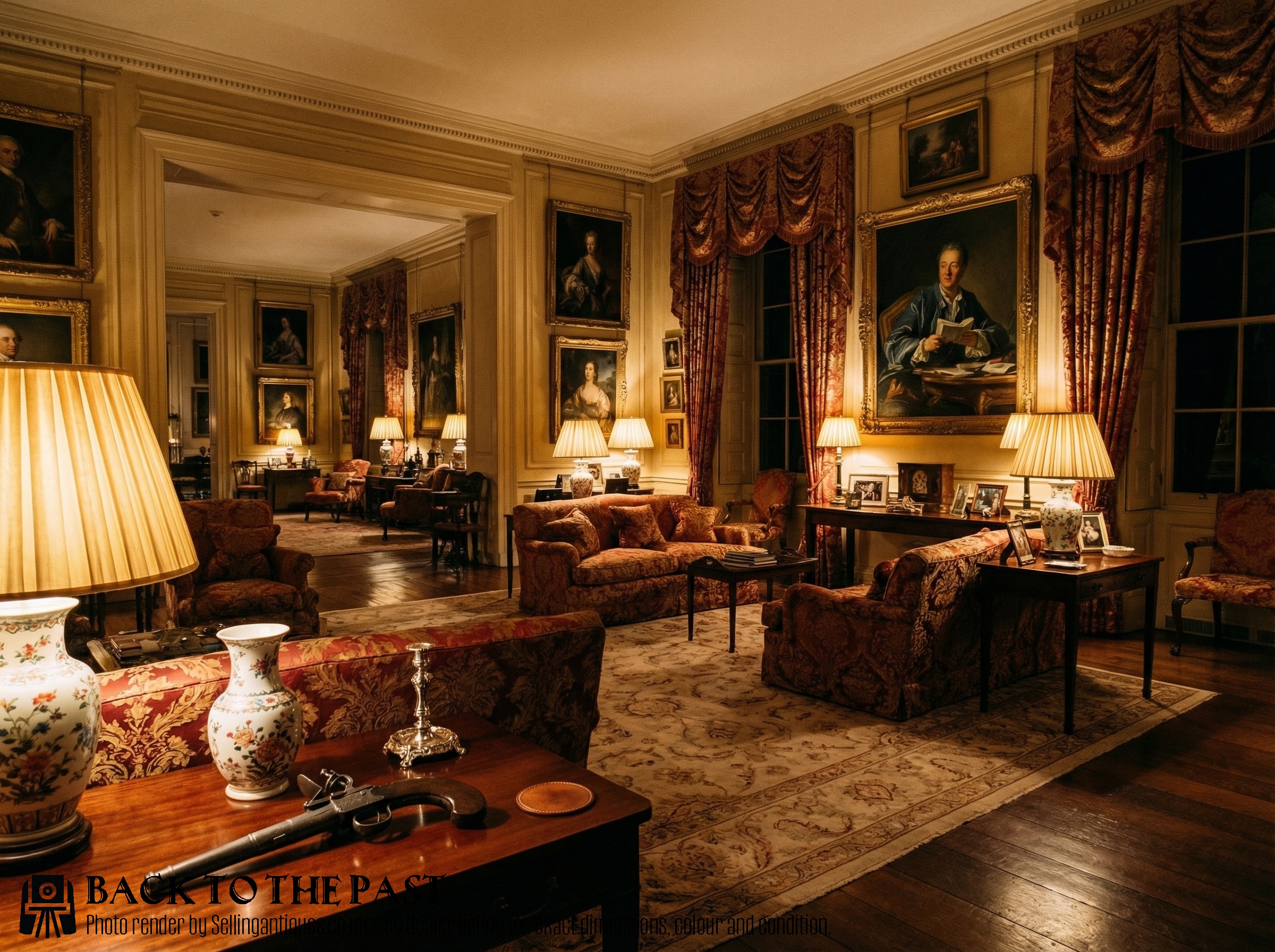
An antique flintlock gun brings tangible history into a room, offering tactile steel and carved wood from centuries past.
Antique Flintlock Gun
An antique flintlock gun represents a historical firearm utilising a flint ignition mechanism, spanning military service arms and civilian pocket or holster pistols. When searching for an antique flintlock gun, buyers encounter pieces originating primarily from the eighteenth century up to around eighteen hundred.
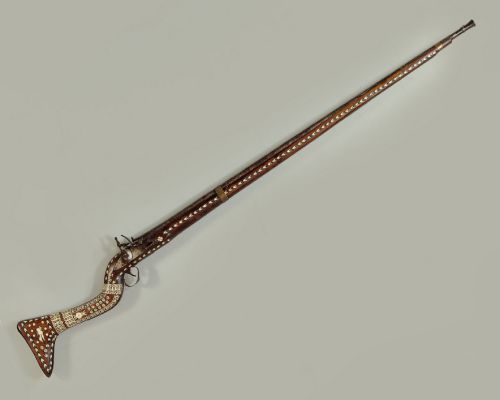
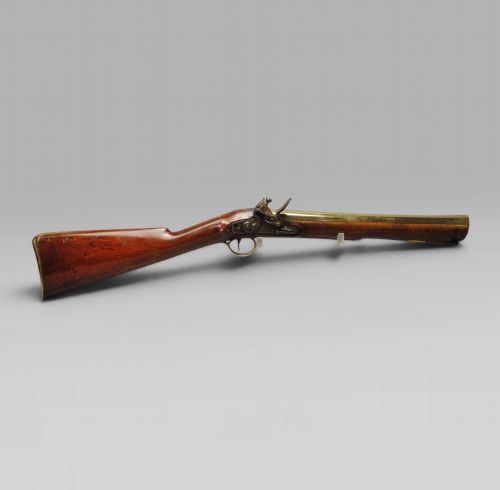
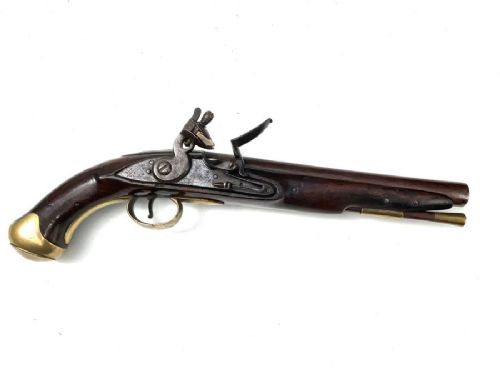
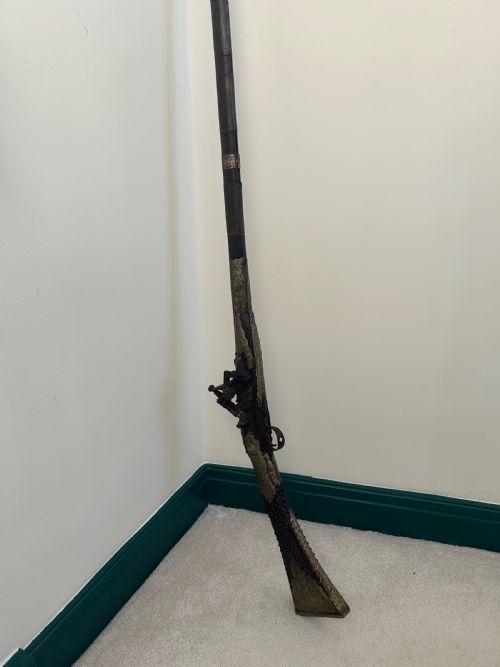
The selections available include regulation military examples like the 1796 Pattern Light Cavalry piece and Tower Newland service pistols alongside ornate Balkan Ottoman snaphaunce pieces and French holster pistols. Most examples appear as pistols rather than long arms, though musket and rifle forms also exist in the record.
Originating from British military arsenals, French workshops, and Ottoman regions, these firearms reflect the distinct tactical and decorative priorities of their makers. A buyer meets everything from plain government-issued hardware to finely engraved brass and silver mounted specimens.
How they were made
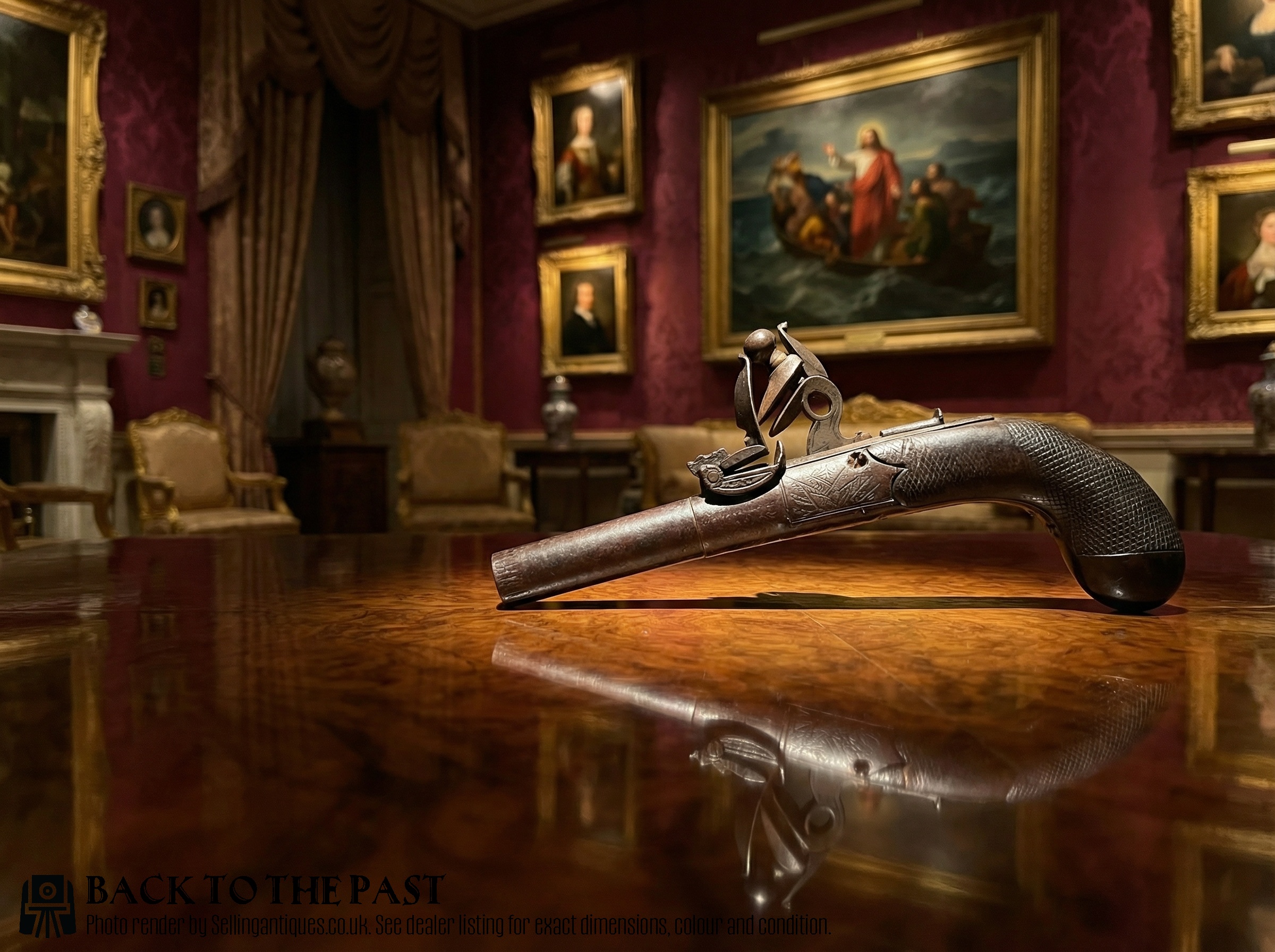
Makers constructed these arms using forged steel for barrels and lock mechanisms, paired with stocks shaped from walnut and other dense woods. Metal components underwent careful hand-fitting to ensure the precise alignment required for the flint striking the frizzen to produce sparks.
Many examples incorporate cast and chased brass mounts, while others feature intricate steel engraving across lock plates and barrels. Stocks frequently show refined shaping, accommodating ramrods and sometimes integrating silver wire inlay or decorative rat-tail wrist details.
Antique Flintlock Gun Retail Price Guide 2026
Typical asking prices for flintlock gun among the pieces listed under this phrase on Sellingantiques today, from the lower quarter to the upper quarter. They describe what is for sale here now, not the wider market.
Some nineteenth-century pistols still carry the literal scars of history, ready to hold imaginary court over a modern desk.
What varies in quality
Quality in these firearms rests upon the crispness of the lock mechanism's action and the depth of hand-engraving on mounts and plates. Military regulation pieces prioritize robust utility, whereas civilian and Continental workshop items display artistic flourishes in brass and silver detailing.
The integration of the wooden stock with its metal furniture marks the skill of the original gunsmith, where tight joints and balanced proportions elevate a piece. Maker signatures, such as those by known London or Paris gunmakers, further distinguish superior examples from unsigned service arms.

Henry Nock·East India Company
The Antique Flintlock Gun Glossary
- Flintlock
- An ignition mechanism that uses a piece of flint held in a cock to strike a steel frizzen, creating sparks to ignite the gunpowder charge. This system dominated firearm design for over two centuries.
- Snaphaunce
- An early predecessor to the true flintlock featuring a distinct sliding frizzen cover and a separate spring mechanism. It appears frequently in Balkan and Ottoman arms.
- Holster Pistol
- A large handgun designed to be carried in a saddle holster rather than tucked into a belt. These weapons often feature larger bores and sturdy brass barrels.
- Newland Service Pistol
- A standard British military pattern firearm utilised around the turn of the nineteenth century. It provides a reliable benchmark for regulation government arms.
- Rat-Tail
- A descriptive term for a specific tapered extension on a lock plate or stock wrist resembling a rat tail. It reinforces the wrist area where the stock meets the tang.
Antique Flintlock Gun: Frequently Asked Questions
What periods do these guns cover?
The available evidence spans the eighteenth century and the turn of the nineteenth century, specifically capturing Georgian production alongside Continental European and Ottoman eras.
Buyers primarily encounter pieces dated from the seventeen-hundreds up to eighteen hundred, reflecting military and civilian manufacturing standards of those decades.
What materials make up these firearms?
Makers relied on forged steel for barrels and locks, paired with wooden stocks typically fashioned from walnut. Many pieces incorporate decorative brass and silver mounts.
Finishes range from plain utility steel on military issue arms to heavily engraved brass and inlaid wood on fine Continental examples.
How do French and British pistols differ?
French pieces often showcase artistic flourishes and signatures from urban workshops in Paris, utilising brass barrels and fine lock plate engraving.
British examples frequently adhere to strict regulation patterns, such as the Tower Newland service arms and Henry Nock cavalry pistols built for utility.