
Antique Flatware Set
An antique flatware set brings period elegance to the dining table, offering everything from Georgian teaspoons to Victorian canteens.
Antique Flatware Set
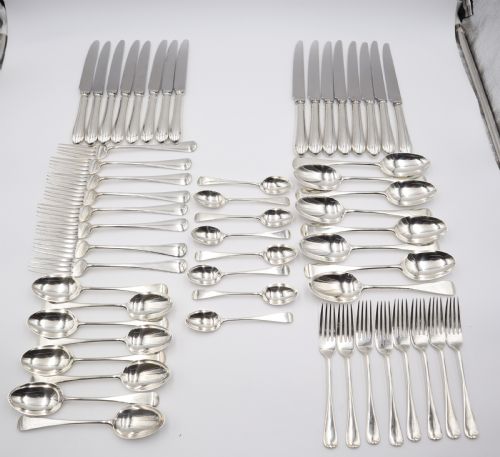
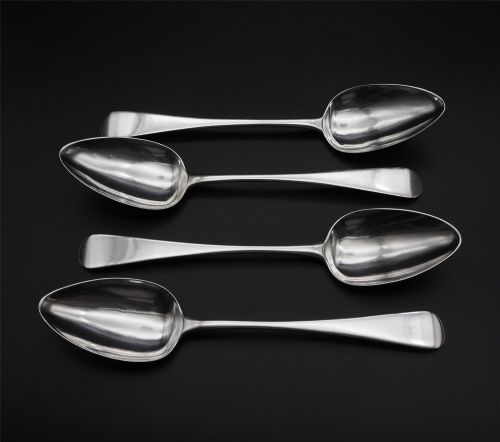
When you search for an antique flatware set, you encounter diverse collections of cutlery ranging from complete canteens to matched sets of serving spoons and small teaspoons. These pieces originate from periods spanning the Georgian era through the Victorian and Edwardian decades, up to Art Deco designs of the twentieth century.
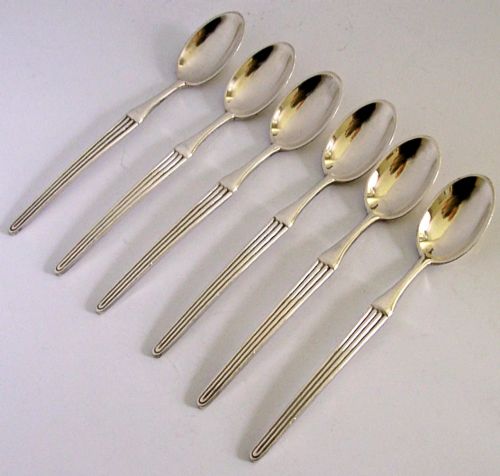
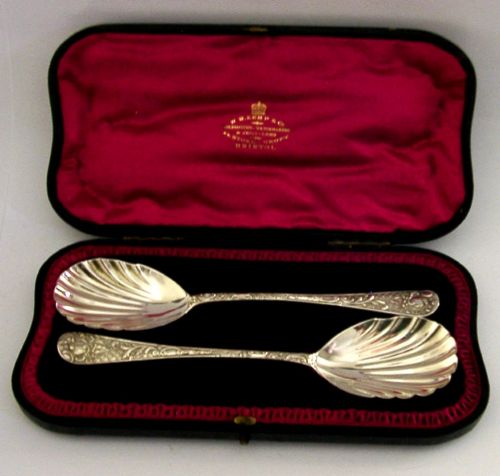
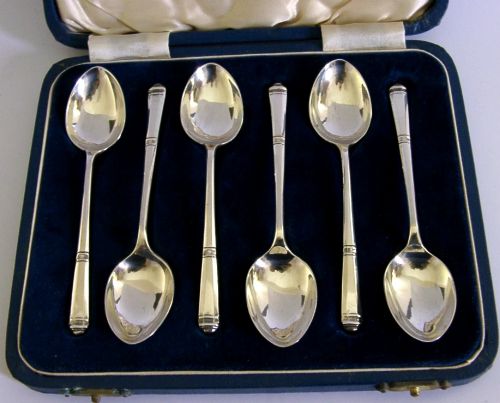
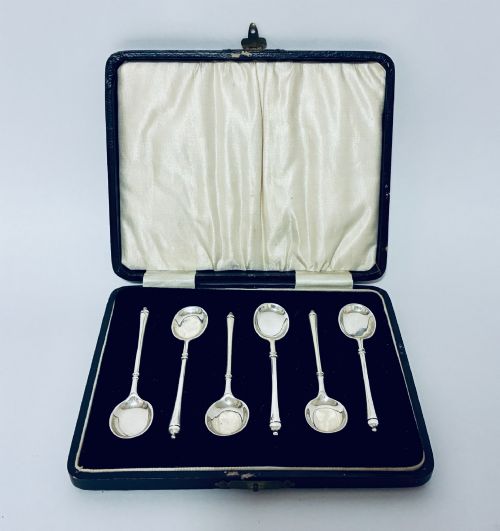
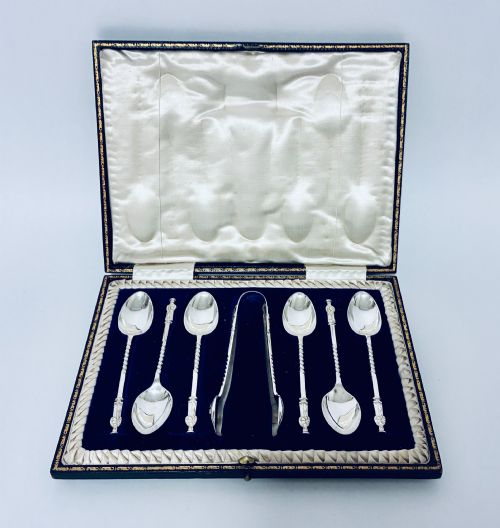
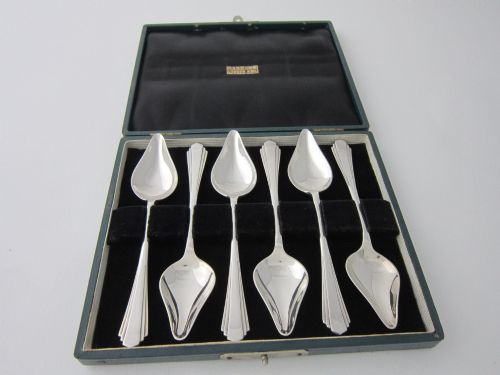
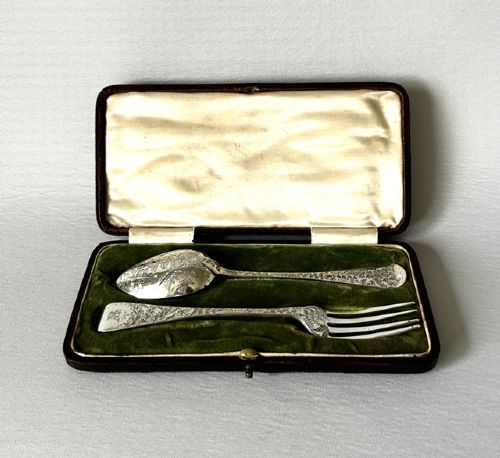
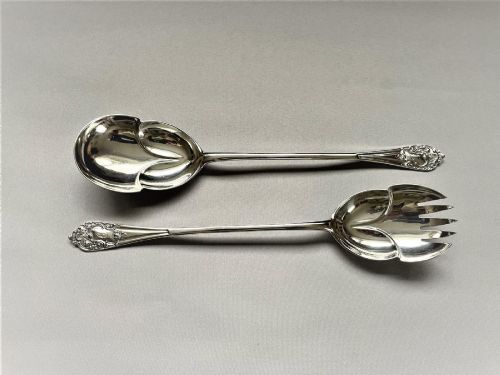
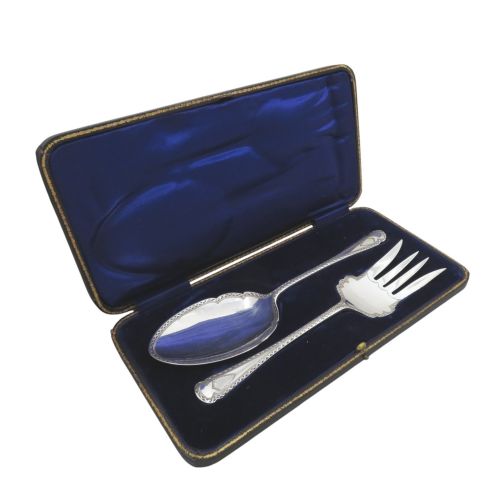
The most common configurations on this page include cased sets of six teaspoons, serving utensils, and fish servers. Many items arrive in fitted boxes lined with velvet, silk, or leatherette, preserving the metal and lining for daily use or display.
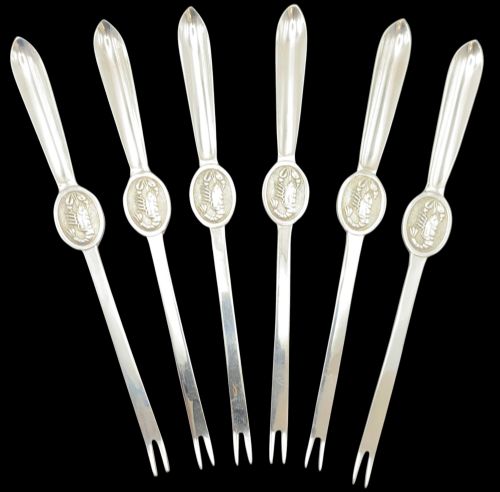
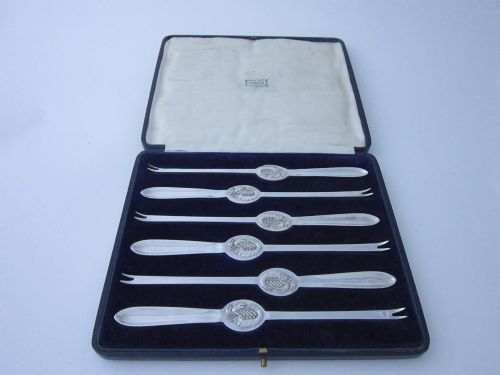
Originating from British workshops, Scottish silversmiths, Dutch regional makers, and continental European houses, these utensils demonstrate the functional dining habits of past centuries. Sets often include specialised tools like lobster picks, fruit knives, and grapefruit spoons tailored to specific historical dining customs.
How they were made
Makers shaped these sets from solid sterling silver, silver plate, and steel, often combining materials within a single service. Handles utilise sterling silver or plated metals alongside steel blades for knives and forks.
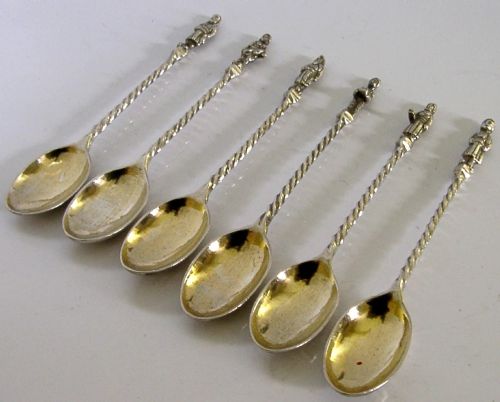
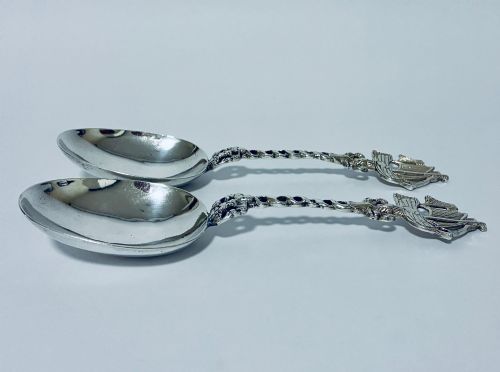
Craftsmen applied techniques such as bright-cut engraving, cloisonne enamelling, and figural casting to decorate the handles and bowls. Fiddle pattern designs, apostle figures, and regional motifs were hand-finished or struck with dies in workshops across Europe.
Listings feature sterling silver, silver plate, steel, and fabric across Victorian, Georgian, and Art Deco styles.
What varies in quality
Quality depends upon the weight of the silver, the crispness of the chased or engraved detail, and the original preservation of the set. Heavier gauge sterling silver provides greater durability in daily use compared to thin plating.
The integrity of the fitted presentation case also influences the character of the set, particularly when retaining original velvet or leatherette linings. Complete matched groupings with clear hallmarks maintain a more cohesive aesthetic than assembled sets.
Hamilton & Inches·Christofle·Tiffany·Suckling Ltd·Georg Jensen·Dmitrii Nikolaevich Nikolaev·E Coker
The Antique Flatware Set Glossary
- Sterling silver
- A silver alloy containing 92.5 percent pure silver by mass, standard for British tableware and marked with a lion passant.
- Silver plate
- A base metal substrate coated with a thin layer of silver, common in nineteenth and twentieth-century canteens.
- Fiddle pattern
- A nineteenth-century cutlery handle design featuring a distinctive rounded, shoulder-notched shape resembling a stringed instrument.
- Bright-cut
- An engraving technique utilising faceted angled cuts to reflect light from the decorated metal surface.
- Apostle spoon
- A spoon featuring a cast figure of an apostle or saint at the terminal end of the handle, originating in the Tudor period and revived later.
Antique Flatware Set: Frequently Asked Questions
How do I clean antique silver flatware?
Wash silver pieces gently in warm water with mild washing-up liquid, using a soft cloth to remove residue. Dry them immediately with a clean microfiber towel to prevent water spots.
Avoid abrasive dips or harsh scrubbing brushes that wear away thin plating and fine engraved details. Store clean sets in anti-tarnish rolls or lined presentation cases.
Can I use antique cutlery every day?
Solid sterling silver pieces handle regular use well, provided you wash them by hand rather than placing them in a mechanical dishwasher. The harsh detergents and high heat of modern dishwashers damage antique metal surfaces and loosen handles.
Silver-plated items require gentler handling over time to preserve the underlying base metal from showing through through wear. Frequent use actually helps maintain a bright surface polish on active serving pieces.
What does a canteen of cutlery contain?
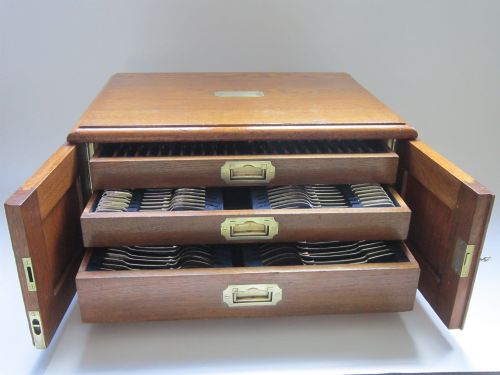
A traditional canteen holds a matched service of forks, knives, and spoons organised neatly inside a dedicated wooden storage box or chest. These fitted interiors feature slots and retaining straps designed to keep each individual utensil secure.
Canteens vary in scale from small sets for four or six persons up to expansive services numbering dozens of pieces. They frequently include specialised serving spoons, ladles, and carvers alongside standard dining implements.
How do I identify the date of a silver set?
British silver items carry stamped hallmarks that include assay office symbols, date letters, and maker's marks to indicate the exact year of production. Comparing these stamped letters against standard regional hallmark tables reveals the manufacturing period.
Stylistic cues such as the decorative motifs of Art Deco or the slender lines of the Edwardian era also provide reliable dating indicators.