
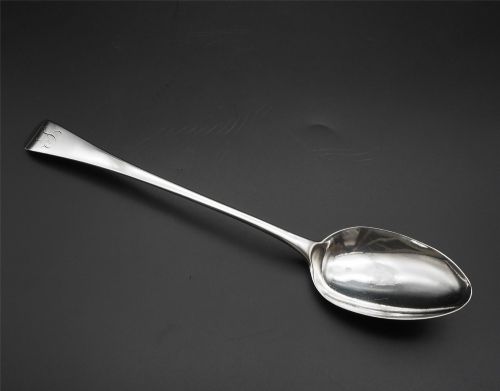
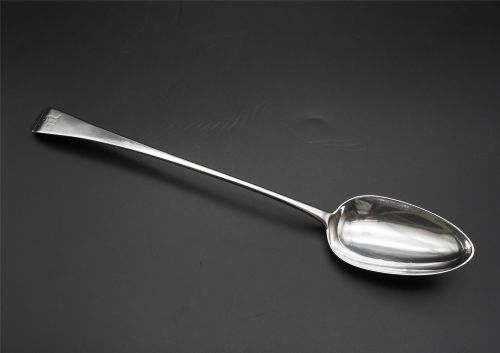
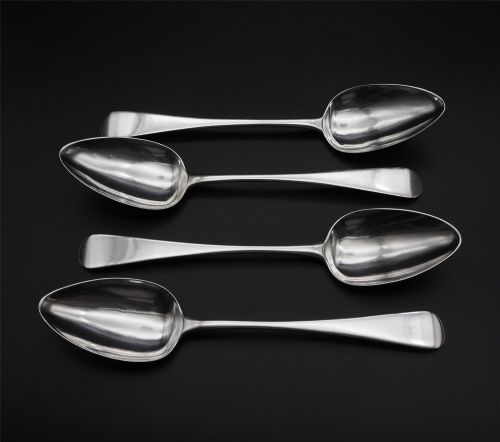
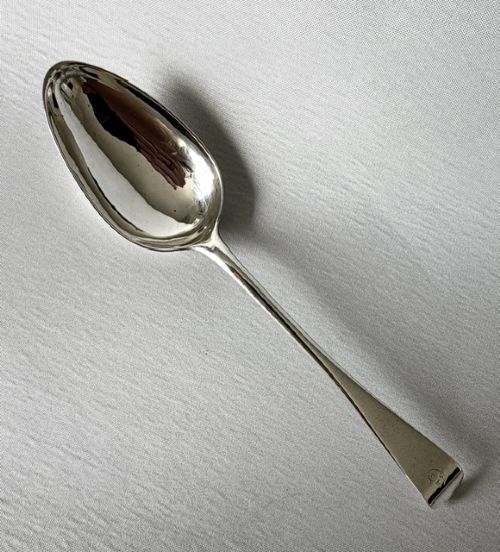
Antique Flatware Serving Spoon
When you handle an antique flatware serving spoon, you hold large-scale silver designed for the dining table during past centuries.
Antique Flatware Serving Spoon
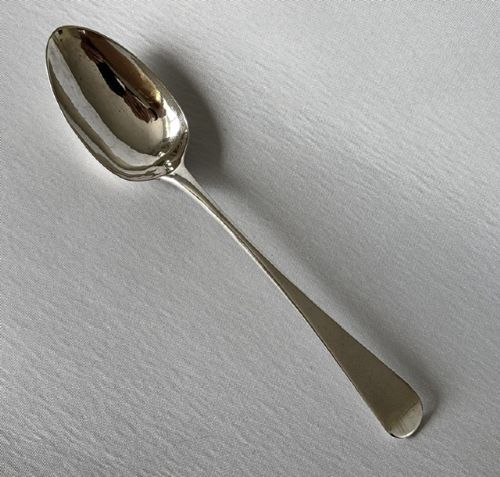
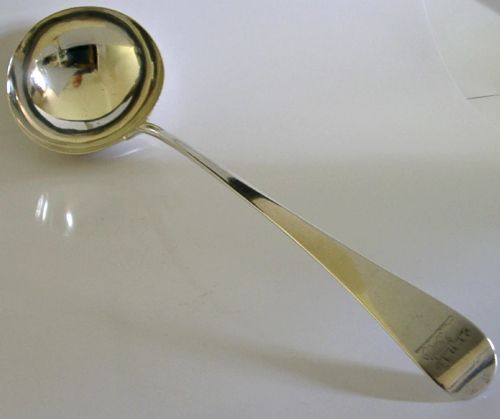
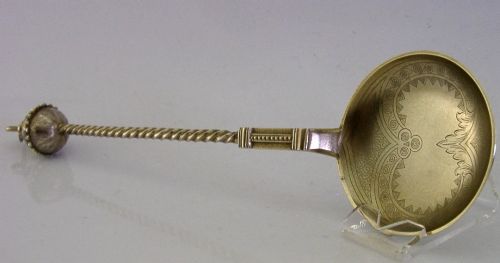
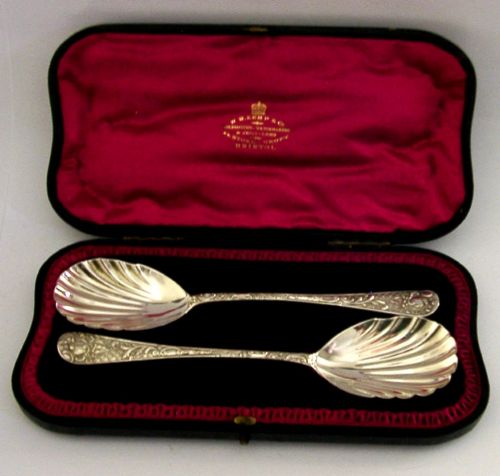
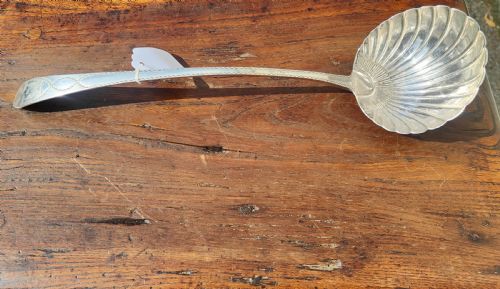
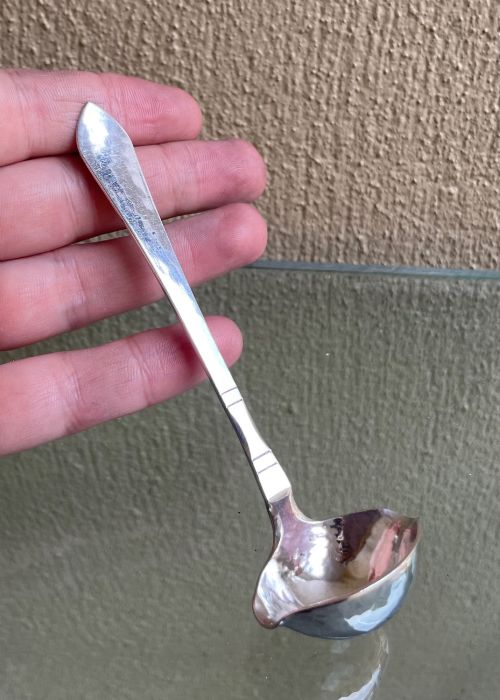
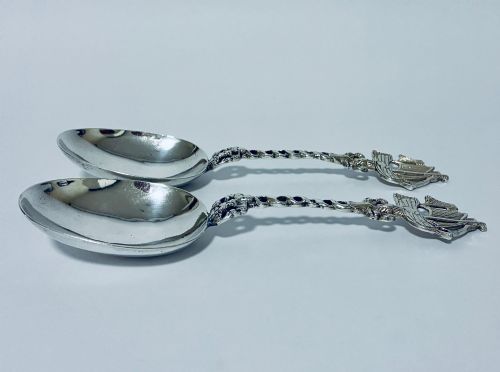
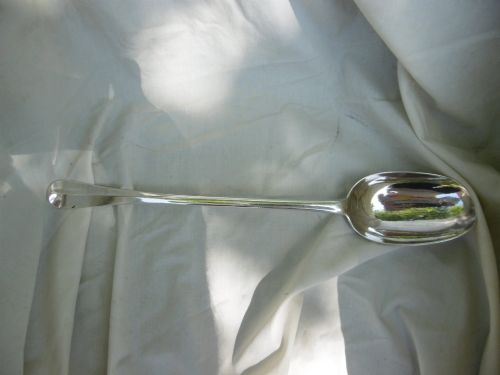
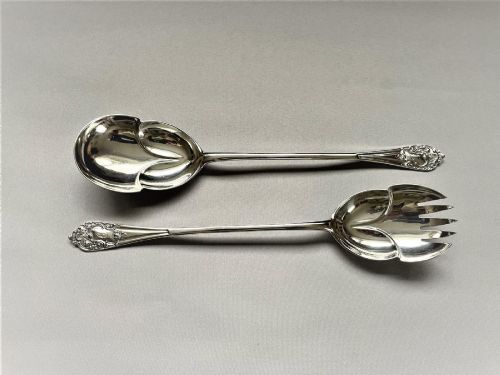
An antique flatware serving spoon covers large spoons, basting spoons, hash spoons, ladles and salad servers created to dish food at table. You will frequently encounter Georgian and Victorian sterling silver examples alongside 18th-century pieces.
The inventory ranges from massive basting spoons and soup ladles to cased dessert sets, sugar sifters and marrow scoops. Regional varieties span English, Irish, Dutch, Danish and Swedish origins in styles from Queen Anne to Arts and Crafts.
Materials and Construction
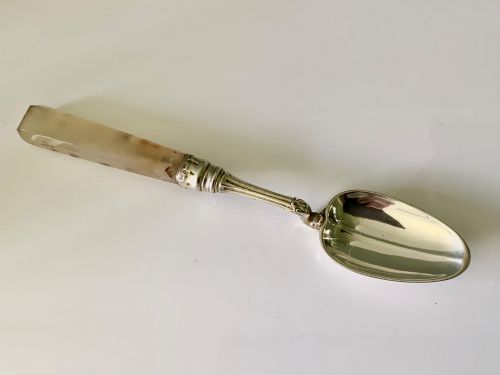
Silversmiths forged these items predominantly from sterling silver, solid silver and silver-gilt, occasionally pairing silver bowls with agate handles or enclosing them in velvet, silk and leatherette presentation cases.
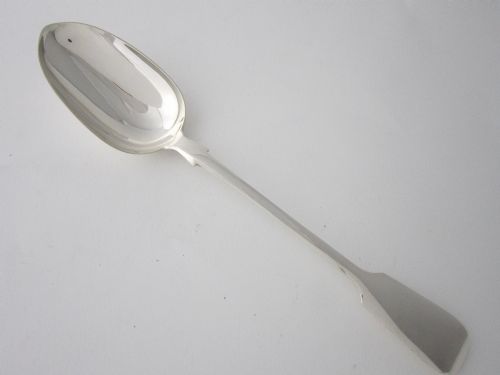
Early pieces include 18th-century pewter dog nose spoons, while later Victorian and Edwardian examples utilise detailed crest engraving, cast berry motifs and fiddle patterns.
Some 18th-century spoons double as marrow scoops, proving our ancestors took their bone marrow toast very seriously indeed.
Judging Quality
Quality rests in the weight of the silver, the crispness of maker's marks, and the depth of chased or engraved crests and berry work. Substantial weight in the hand distinguishes utilitarian pieces from finer table silver.
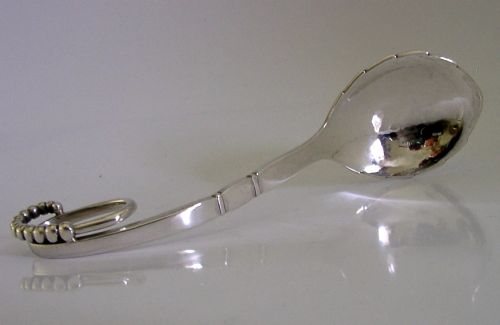
The precision of the bowl shape and the balance of the handle separate standard production from master silversmith work such as that by Hester Bateman or Georg Jensen.
Peter and Jonathan Bateman·Hester Bateman·Georg Jensen·Andrew Archer·Jonathan Hayne·William Chawner II
The Antique Flatware Serving Spoon Glossary
- Basting spoon
- A large spoon originally used to spoon juices over meat during roasting, later adapted for general serving at the table. These measure significantly longer than standard tablespoons.
- Berry spoon
- A serving spoon, often Georgian, chased and embossed at a later date with fruit and leaf motifs on the bowl. They remain popular collectibles from the period.
- Fiddle pattern
- A flatware handle shape featuring a narrow stem that widens abruptly near the terminal into a shoulder resembling a fiddle or violin. This pattern became common during the 19th century.
- Dog nose spoon
- An early form of spoon with a notched, spatulate terminal pointing upwards, popular around the late 17th and early 18th centuries. Surviving examples in pewter or silver are scarce.
- Silver-gilt
- Silver that has been coated with a thin layer of gold on its surface, often called vermeil. This technique provides the rich appearance of solid gold while utilising a silver base.
Antique Flatware Serving Spoon: Frequently Asked Questions
How do I date an antique serving spoon?
Examine the hallmarks stamped into the metal, which typically include maker's marks, standard marks, duty marks and date letters corresponding to specific assay offices.
Style indicators like fiddle patterns, dog nose terminals or specific crests also help narrow down the decade of manufacture.
What is the difference between a tablespoon and a basting spoon?
Basting spoons measure considerably larger than standard tablespoons, often exceeding thirty centimetres in length to reach across large roasting pans.
They were built heavier to handle dense meats and substantial portions during grand dining occasions.
How should I clean silver serving spoons?
Wash silver gently in warm water with a mild, phosphate-free dish soap and dry it thoroughly with a soft microfiber cloth to prevent water spots.
Avoid harsh abrasive dips that strip away the natural patina accumulated over centuries of age.
Can I use antique serving spoons for dining?
Solid silver serving spoons remain durable enough for occasional modern table use, provided you wash them by hand rather than placing them in a mechanical dishwasher.
Their robust construction allows them to serve food today just as they did centuries ago.