

Antique Fitted Desk Chest
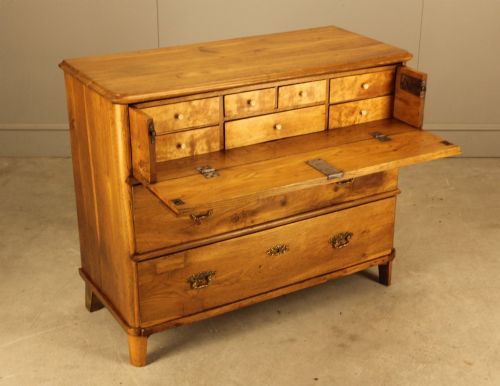
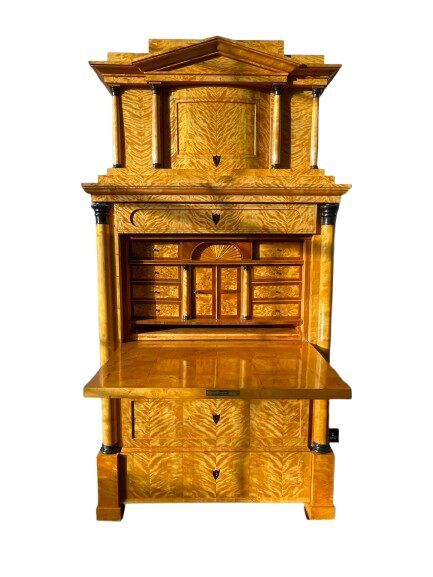
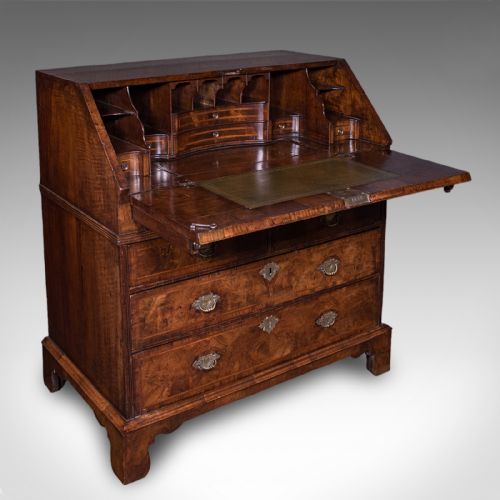
An antique fitted desk chest combines the upright storage of a drawer unit with a concealed writing surface, offering a practical workspace that folds away discreetly.
Antique Fitted Desk Chest
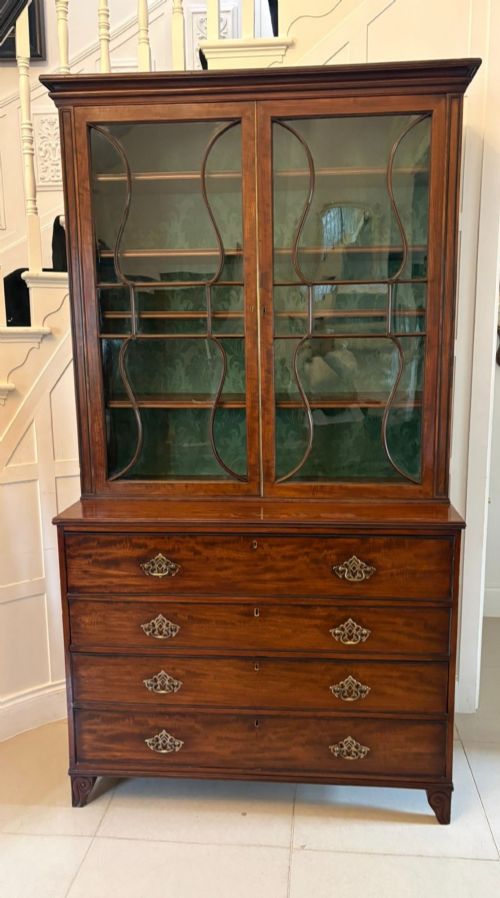
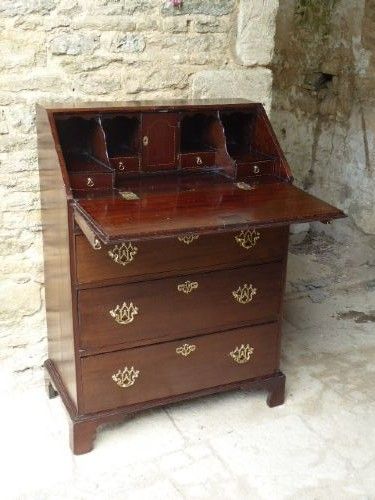
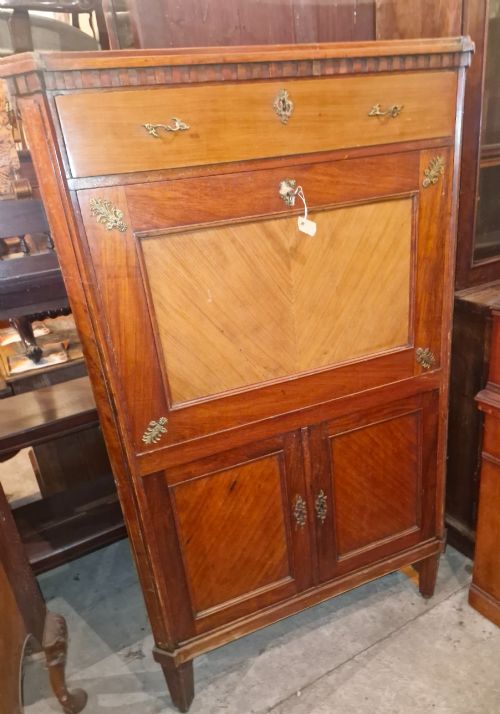
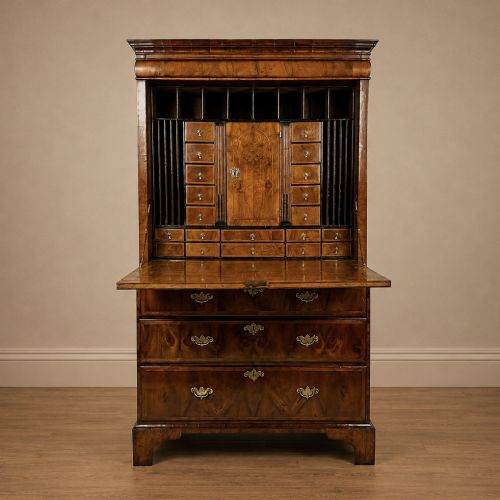
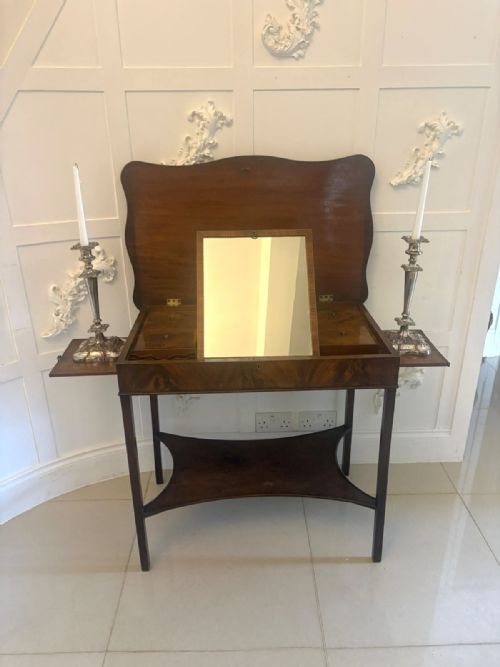
The antique fitted desk chest encompasses a variety of storage and writing forms, including secretaire chests, bureaus, and writing cabinets.
Makers produced these pieces across the eighteenth and nineteenth centuries, spanning periods from George II and George III through the Regency and Victorian eras.
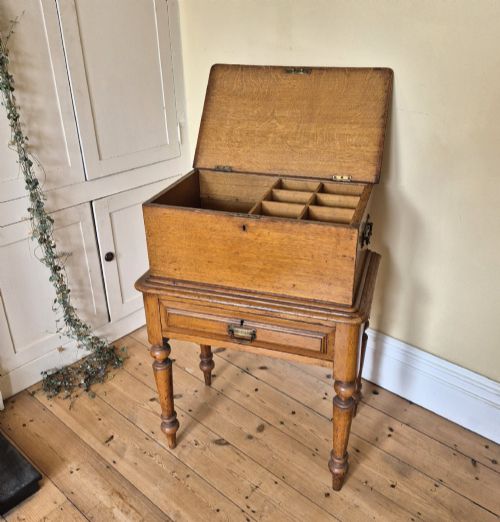
Examples range from compact oak and walnut items to imposing mahogany tallboys and secretaire bookcases equipped with interior compartments.
Materials and Construction
Cabinetmakers utilised primary timbers such as mahogany, walnut, oak, and rosewood, often selecting figured grains for drawer fronts and fall-front writing surfaces.
Interiors incorporated secondary woods, brass handles and escutcheons, leather or baize writing inserts, and occasional glass doors or mother-of-pearl details.
Listings span the 18th century, 19th century, Georgian, Victorian, and Regency periods, utilising mahogany, walnut, oak, rosewood, brass, and leather.
Evaluating Craftsmanship
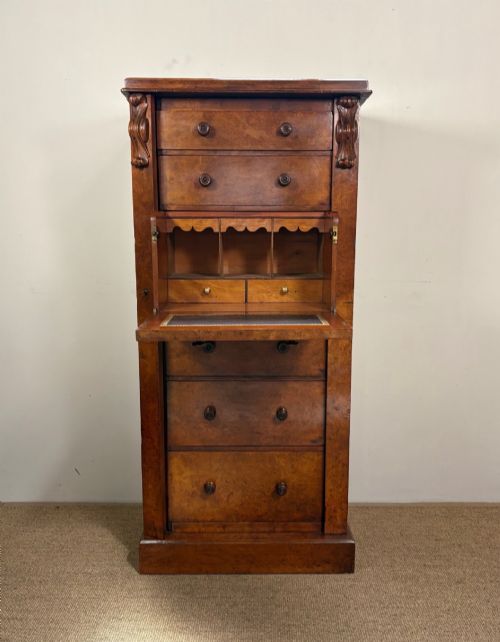
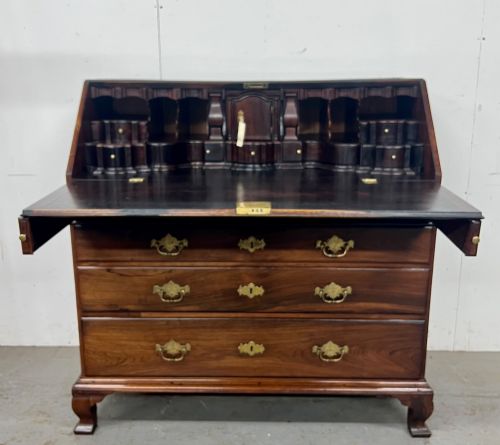
Superiority rests in the precision of the interior pigeonholes, small drawers, and secret compartments hidden behind the main writing flap.
The choice of timber veneer, such as flame mahogany or burr walnut, alongside the retention of original brass hardware and glass, defines the distinction between standard and finer examples.
Gillows
The Antique Fitted Desk Chest Glossary
- Secretaire chest
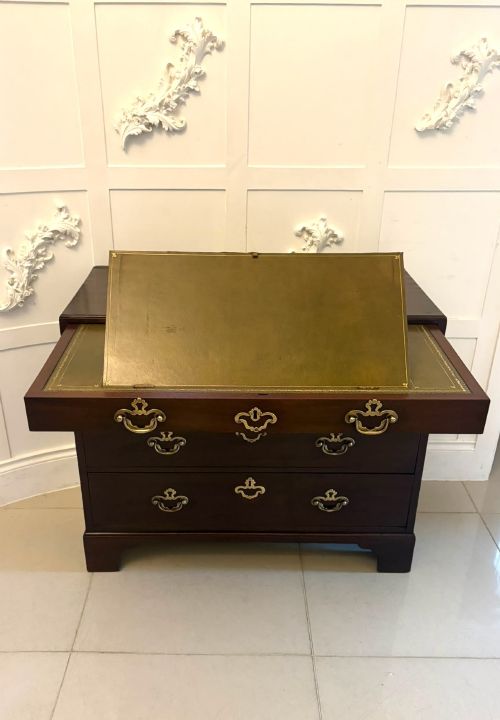
- A chest of drawers featuring a top drawer that pulls down or out to reveal a fitted writing desk interior. This form maintains the external appearance of standard drawers while providing workspace.
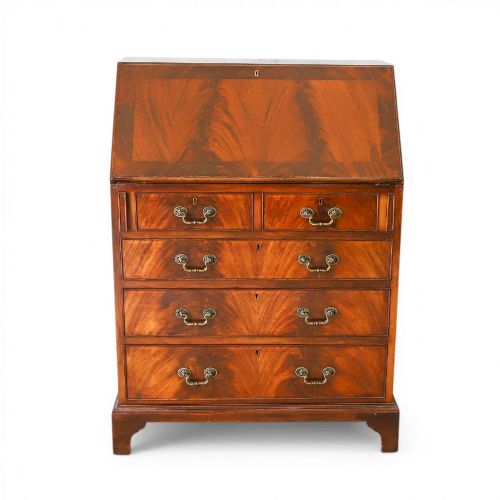
- Fall-front bureau
- A desk with a sloping or vertical front flap that hinges downward to create a writing surface. It conceals an arrangement of small drawers and pigeonholes inside.
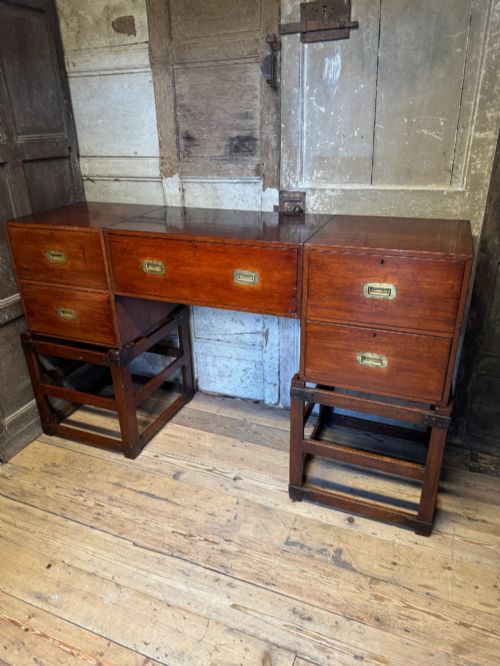
- Campaign chest
- Modular furniture constructed in sections with brass corners and recessed handles for transport. These pieces originated for military use during the nineteenth century.
- Tallboy
- A chest of drawers standing tall, often built in two sections with a chest on chest configuration. Some variants include a secretaire drawer within the upper structure.
Antique Fitted Desk Chest: Frequently Asked Questions
How do I identify a secretaire chest?
A secretaire chest looks like a standard set of drawers from the outside, but the top drawer pulls down or drops forward on hinges.
Opening this drawer reveals a fitted interior containing small stationery compartments, pigeonholes, and a writing surface.
What is the difference between a bureau and a secretaire?
A bureau typically uses a slanted fall-front flap that opens to expose the interior writing desk.
A secretaire uses a drawer front that pulls out horizontally, keeping the rectangular lines of a traditional chest intact.
Where were these pieces used?
These items served primarily in domestic studies, libraries, and bedrooms for correspondence and record keeping.
Campaign versions accompanied officers on military deployments, designed to dismantle or travel securely.
How do I care for wooden writing surfaces?
Keep wooden surfaces away from direct sunlight and steady heat sources to prevent the timber from splitting or warping.
Apply traditional wax polish occasionally to nourish the grain and maintain the natural finish of mahogany or walnut.