


Antique Fireplace Grate
An antique fireplace grate holds fuel securely while adding architectural focus to a hearth through period cast metalwork.
Antique Fireplace Grate
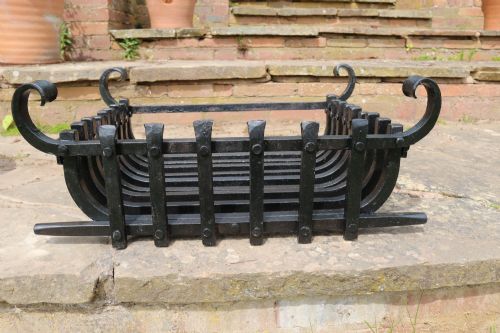
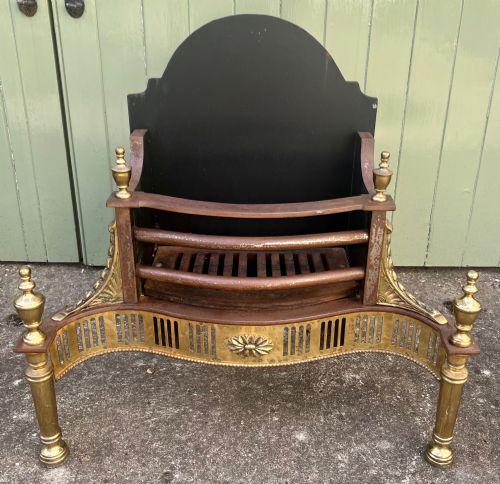
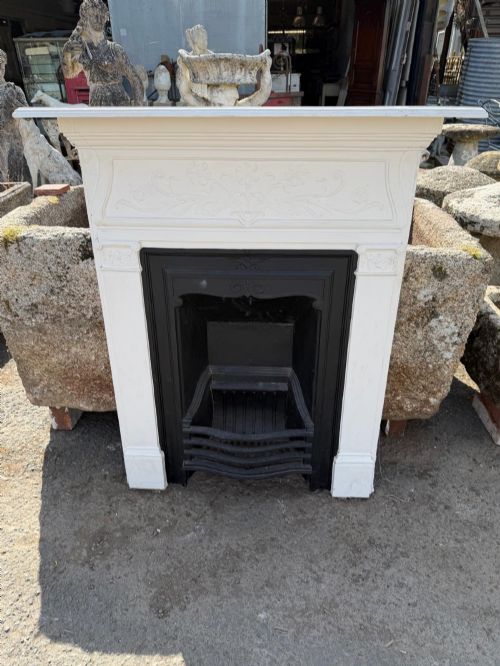
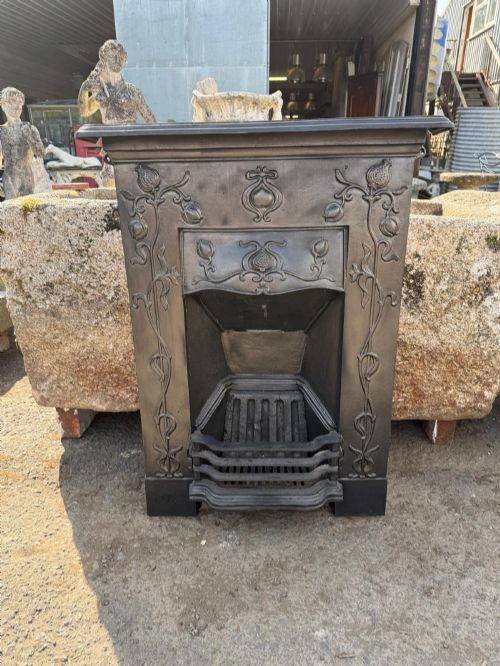
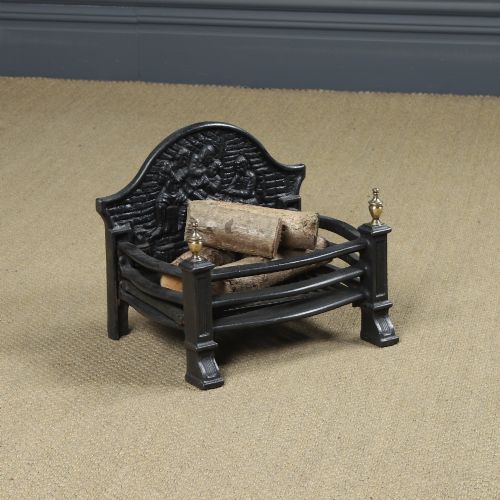
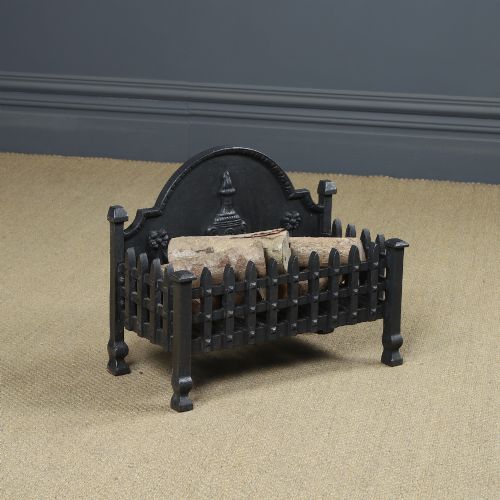
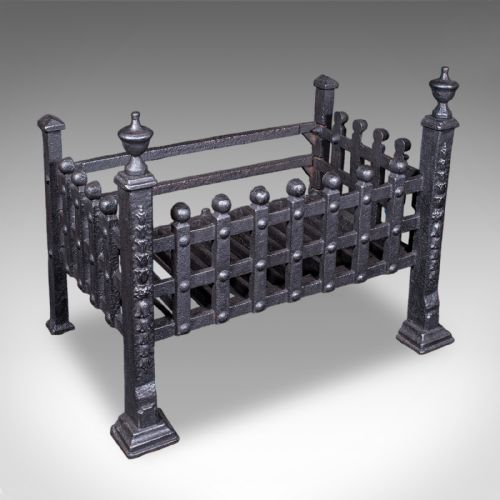
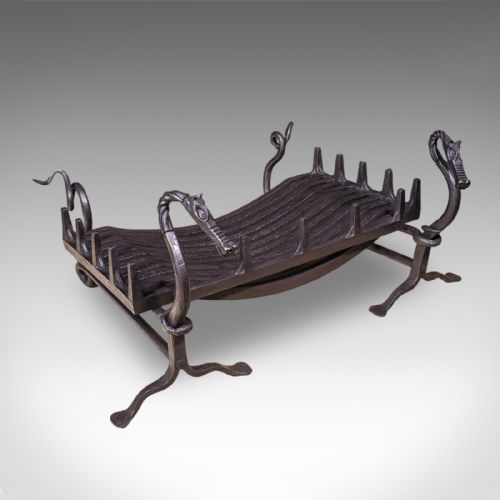
An antique fireplace grate functions as the internal basket or iron framework designed to hold coal, wood, or logs within an open hearth. These hearth furnishings appear across multiple periods, with Victorian and Georgian iterations forming the bulk of what collectors encounter. Pieces range from simple freestanding fire baskets to complex combination units and register grates designed to fit specific chimney openings.
Distinguishing quality in period grates
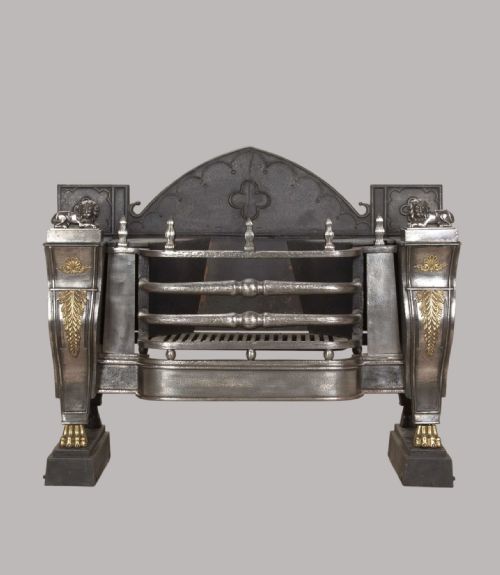
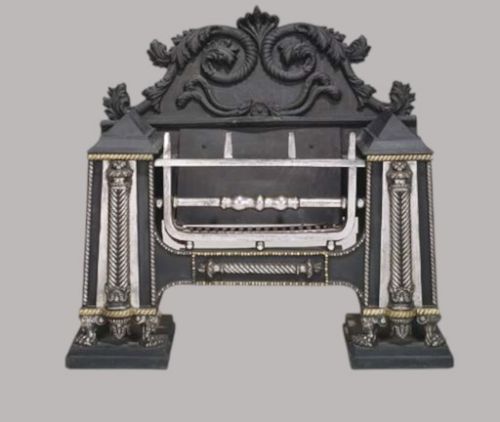
Higher grade grates display crisper casting lines, particularly on classical motifs like Neoclassical urns, Adam style swags, and Gothic tracery. The weight and thickness of the iron differentiate heavy domestic pieces from lighter commercial versions.
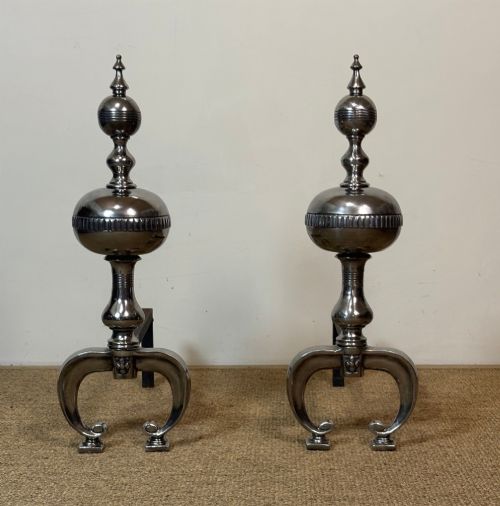
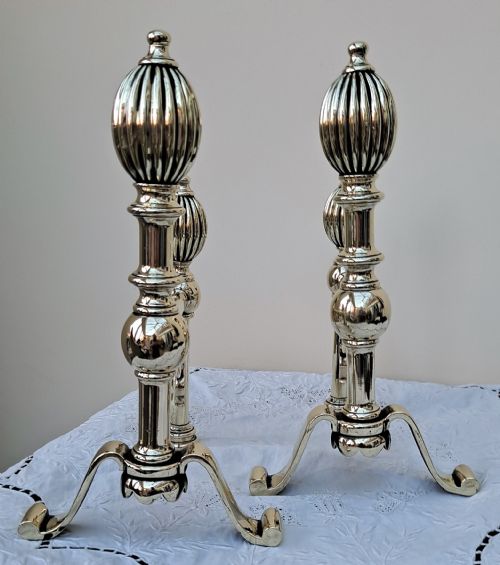
Subtleties in finish, such as parcel-gilt details on bronze mountings or finely turned brass finials on associated andirons, separate standard utility grates from superior ornamental hearth furniture.
Antique Fireplace Grate Retail Price Guide 2026
Typical asking prices for fireplace grate among the pieces listed under this phrase on Sellingantiques today, from the lower quarter to the upper quarter. They describe what is for sale here now, not the wider market.
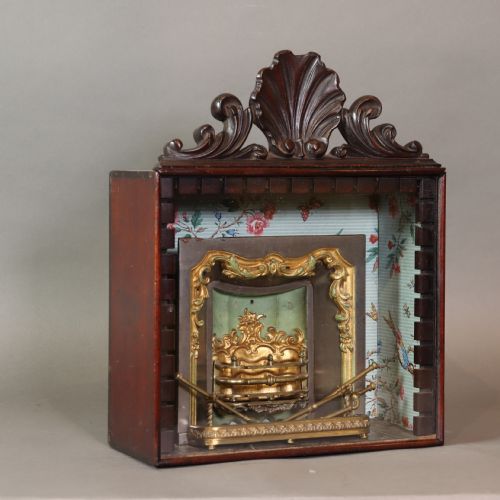
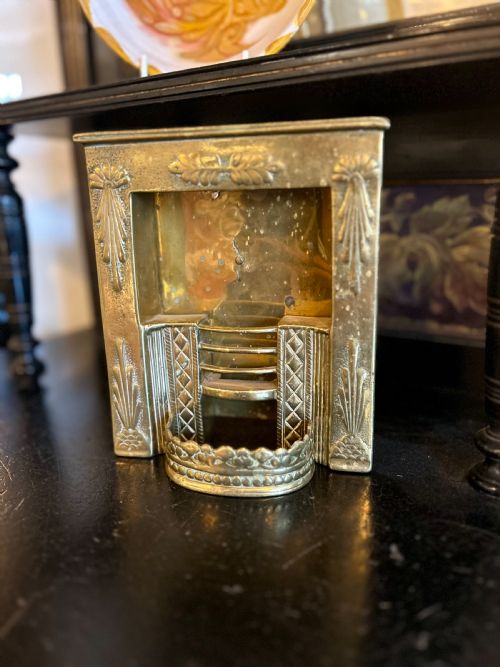
The archive records frequent pairings of fire baskets with brass andirons, alongside specialised forms like footmen and salesman sample miniatures.
Coalbrookdale
The Antique Fireplace Grate Glossary
- Fire Basket
- An open metal container designed specifically to hold burning fuel within a fireplace. These baskets often sit on integral legs or rest directly upon separate andirons.
- Andirons
- Supporting metal bars or dogs placed on either side of a hearth to keep logs elevated for better airflow. They frequently accompany fire baskets in period fireplace sets.
- Hob Grate
- A fireplace design featuring flat metal shelves flanking the central grate, historically utilised for warming culinary items. These units are strongly associated with the Georgian and Regency eras.
- Register Grate
- A framed fireplace unit incorporating a movable metal plate or flap to regulate the draught of the chimney. They became common updates in nineteenth-century domestic interiors.
- Fire Back
- A heavy cast iron plate placed against the rear wall of a fireplace to protect the masonry and reflect heat forward into the room.
Antique Fireplace Grate: Frequently Asked Questions
How do I choose the correct size grate?
Measure the internal width, depth, and height of your fireplace opening carefully before browsing. Ensure you leave adequate clearance around the basket for proper airflow and masonry protection.
Take into account whether the piece requires matching andirons, as combined sets occupy greater horizontal space on the hearth floor.
Can antique grates burn real wood?
Many cast iron and wrought iron baskets are structurally robust enough for burning seasoned wood or coal. You must inspect the metal thickness and firebrick condition to ensure safe combustion.
Consult a professional chimney sweep or installer to verify that your specific antique unit suits modern safety standards before lighting a fire.
What is the difference between a basket and a register grate?
A fire basket sits openly within the hearth space, focusing purely on holding fuel and displaying decorative metalwork. It relies on the existing chimney structure for draught.
A register grate forms a complete architectural surround with an adjustable damper flap built into the iron framework to control airflow directly.
How do I clean and maintain cast iron?
Remove accumulated ash and soot regularly using a soft brush to prevent moisture retention and subsequent rust formation. Apply a specialised grate polish or black lead sparingly to maintain the dark finish.
Avoid using harsh chemical solvents or abrasive pads that can strip the historic patina from brass accents and iron surfaces.