

Antique Fireplace Glass
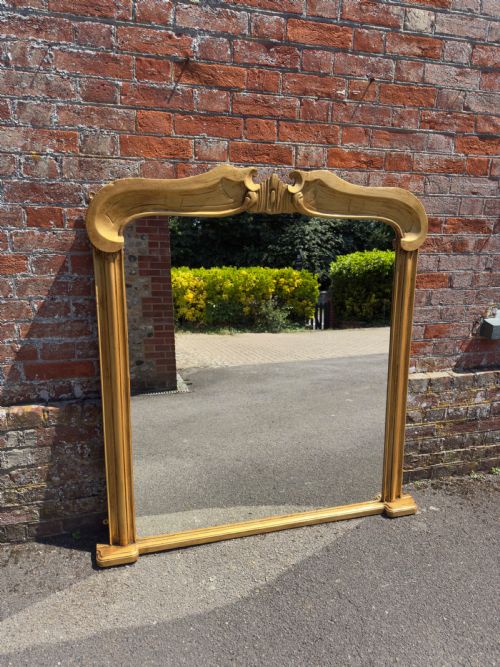
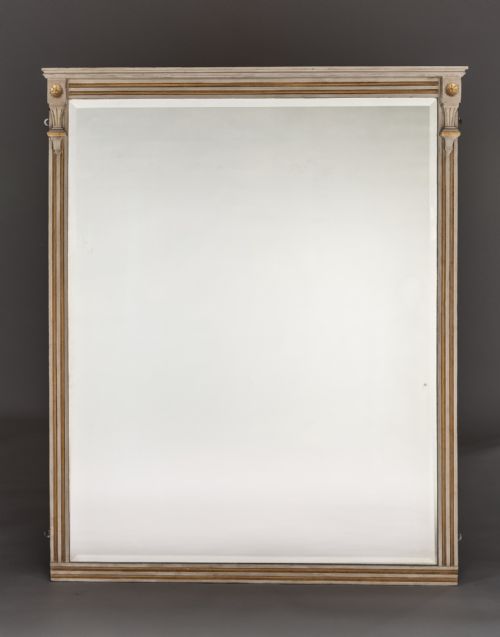
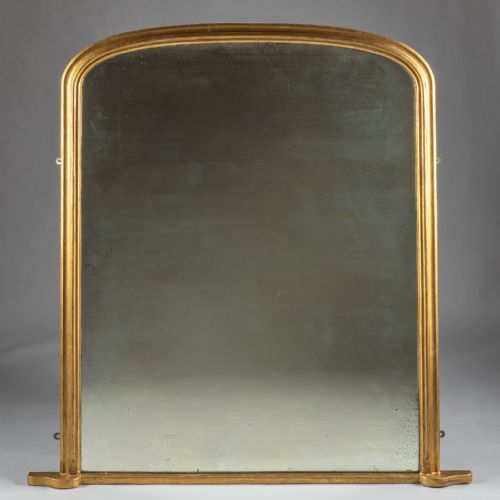
Antique fireplace glass primarily encompasses overmantel mirrors and firescreens designed to sit by hearths during the nineteenth and early twentieth centuries.
Antique Fireplace Glass
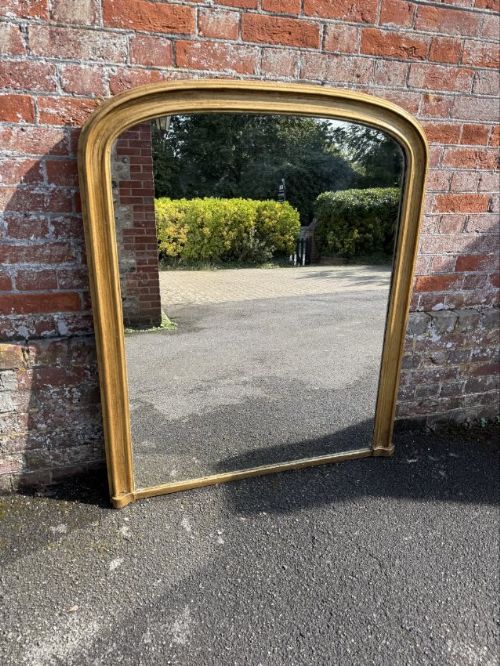
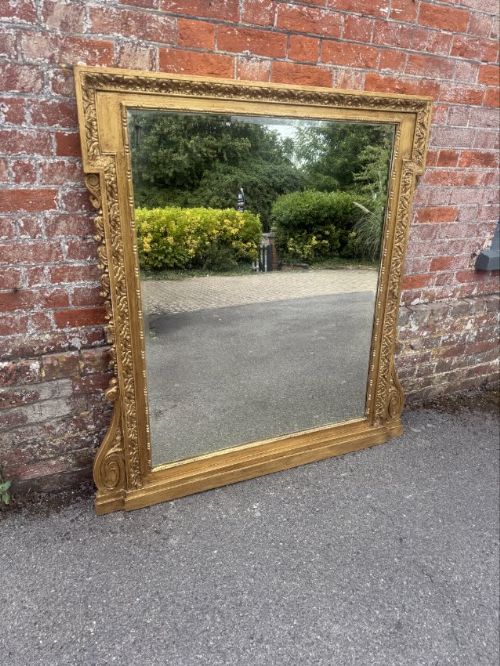
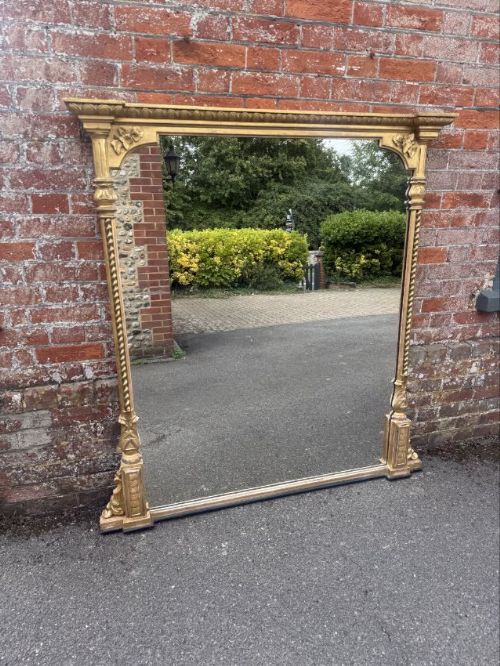
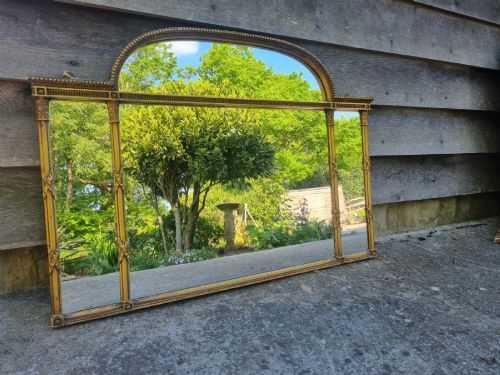
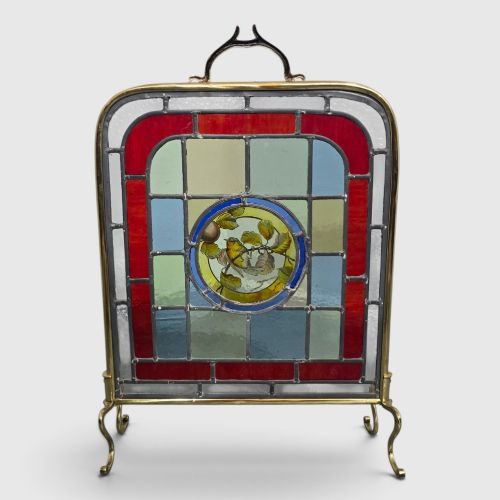
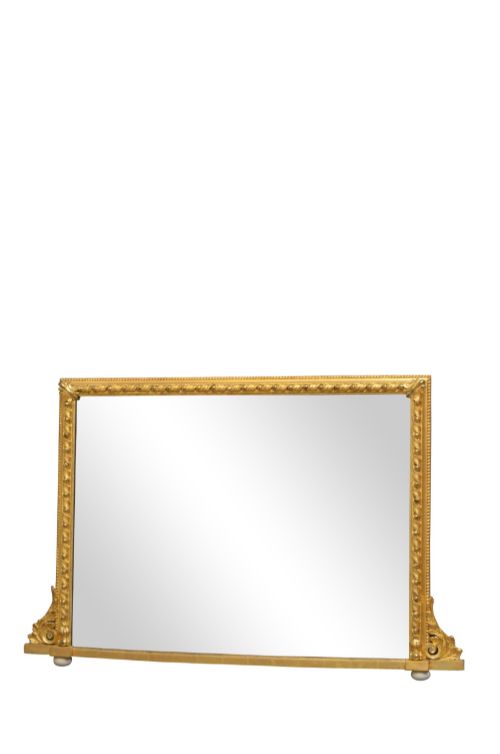
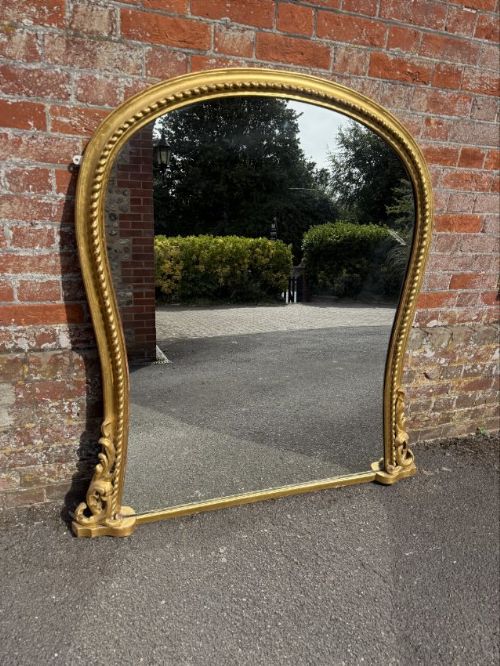
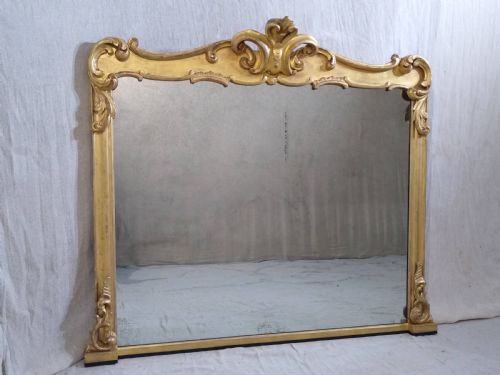
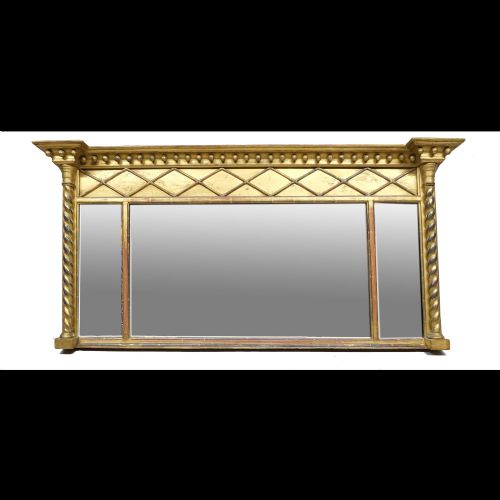
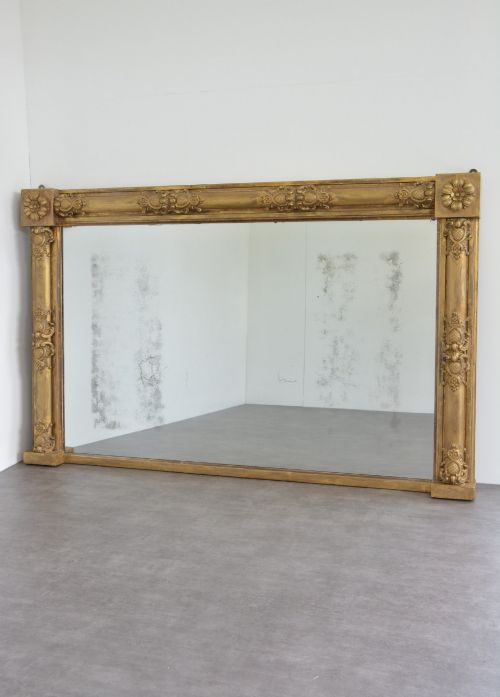
When searching for antique fireplace glass, buyers encounter two distinct forms: large overmantel mirrors intended to hang above mantelpieces and protective firescreens placed before hearths. The selection on this page leans heavily towards nineteenth-century overmantel mirrors alongside brass and iron firescreens fitted with stained or bevelled glass panels.
Overmantel mirrors dominate the listings, appearing in Regency, Victorian, and Edwardian styles with rectangular, arched, or shaped tops. Firescreens offer an alternative form of fireplace glass, combining metal stands with decorative glass or mirrors to deflect heat and soften the room.
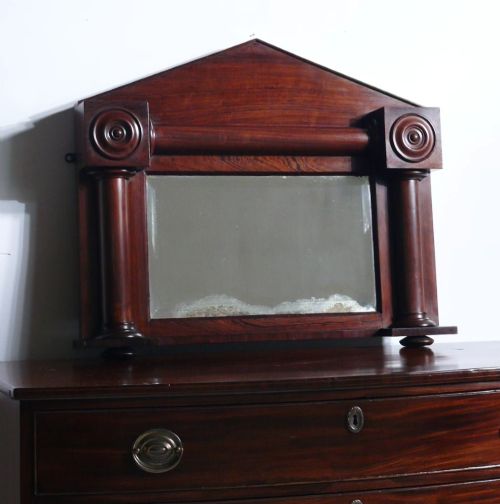
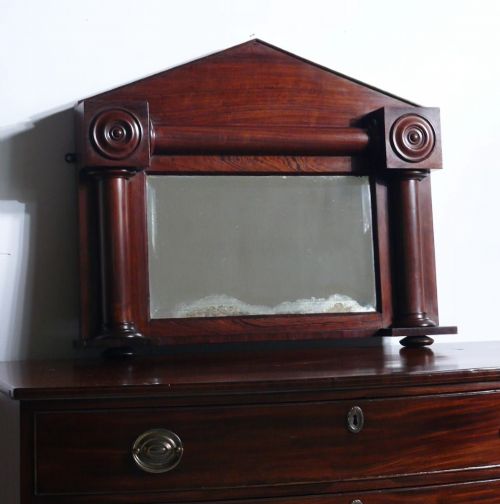
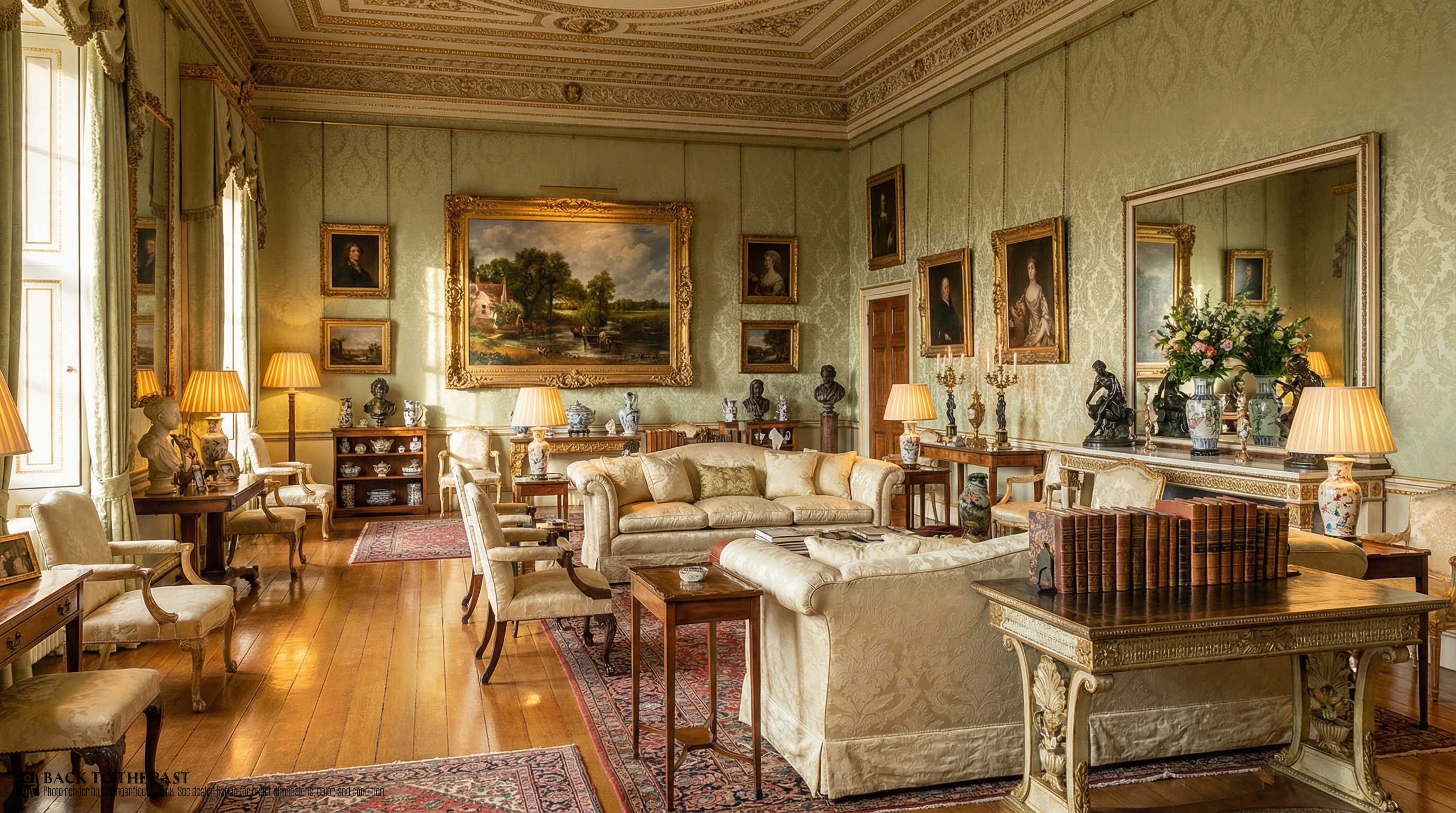
The materials span giltwood, carved wood, gesso, and rosewood for mirror frames, paired with brass, iron, and wood for firescreens. These pieces reflect the domestic priorities of nineteenth-century interiors, where reflective surfaces magnified candlelight and coal fires.
Materials and construction methods
Carved wood and gesso form the foundation of many gilt overmantel frames, moulded into rope twists, ribbed patterns, or ornate archtops before receiving layers of gold leaf. Wood varieties such as mahogany, rosewood, and walnut also appear in polished or parcel-gilt finishes.
Mirror glass from this era often shows characteristic foxing, displaying natural age spots where the silvering behind the plate has oxidised over decades. Firescreens utilise brass and iron frameworks to support stained glass or bevel-cut mirror panels securely.
Some Irish country house mirrors include carved wooden squirrels and Ho Ho birds peering out from the gilt foliage.
Distinctions in quality and execution
Quality rests in the depth of carving on the wooden frames and the crispness of the gesso mouldings applied beneath the gold leaf. Hand-carved details and substantial timber frames distinguish finer Regency and Victorian pieces from simpler later productions.
The integrity of the glass plate itself plays a role, with original bevel-cut edges and authentic foxing offering greater visual depth than replaced mirror glass. Frames with intricate rope twists, Ho Ho bird carvings, or marquetry inlay demand higher levels of craftsmanship.
The Antique Fireplace Glass Glossary
- Overmantel mirror
- A large mirror specifically designed to be hung or placed on the mantel shelf above a fireplace. These pieces were proportioned to match the width of the fireplace surround below.
- Gesso
- A plaster-like material applied to wooden frames and carved or moulded into decorative relief details before gilding. It provides the smooth base necessary for catching the light under gold leaf.
- Foxing
- The natural ageing process in antique mirror glass where chemical changes create dark spots or cloudiness behind the reflective surface. Collectors value original foxing as evidence of period authenticity.
- Firescreen
- A decorative barrier placed in front of an unlit fireplace to block draughts or hide the grate. Examples frequently incorporate brass frames holding stained or bevelled glass panels.
- Parcel-gilt
- A finish where only specific carved portions of a wooden frame are gilded with gold leaf while the remaining surface shows polished wood or paint. This technique highlights particular decorative motifs.
Antique Fireplace Glass: Frequently Asked Questions
How do I hang a heavy overmantel mirror?
These large nineteenth-century mirrors require secure wall fixings distributed evenly across the primary wooden frame rather than relying on a single central wire. Professional installation is often necessary due to the substantial weight of carved wood and thick glass.
Ensure the fixings anchor directly into wall studs or masonry to support the load safely above your mantelpiece.
Are original mirror plates expected to show age?
Original mirror glass from the nineteenth century frequently exhibits foxing, minor scratches, and slight distortion caused by historical manufacturing methods. These characteristics confirm the glass has not been replaced in modern times.
Buyers should expect natural signs of age rather than the flawless, uniform reflection found in contemporary glass.
What is the difference between an overmantel and a wall mirror?
Overmantel mirrors are proportioned specifically to sit horizontally or vertically above a fireplace mantel, often featuring heavy construction designed to anchor them against a wall. Standard wall mirrors were made for general room placement and lack the specific architectural scale required for hearths.
The framing and weight distribution on overmantels reflect their traditional placement above the heat and focal point of the room.