


Antique Fine Art Drawing
These antique fine art drawing pieces offer intimate glimpses into past centuries through delicate marks on paper.
Antique Fine Art Drawing
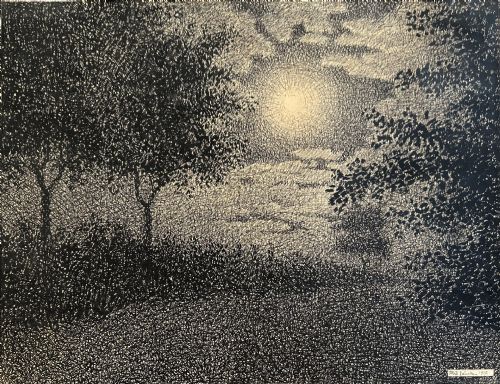
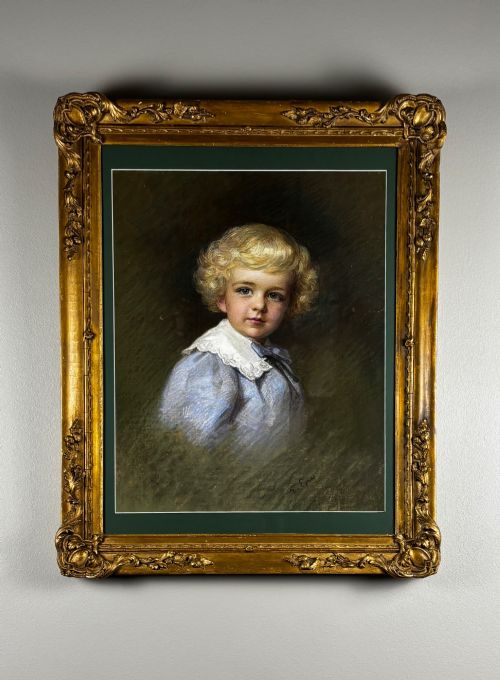
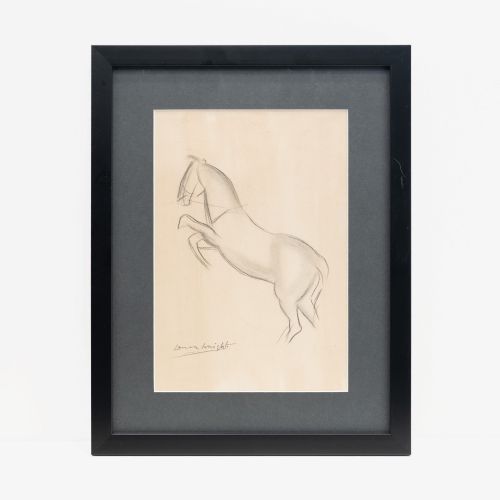
When you search for antique fine art drawing, you encounter works executed on paper or canvas using mediums such as pastel, charcoal, graphite, and ink. These pieces range from rapid preparatory sketches to highly finished portraiture and landscape studies.
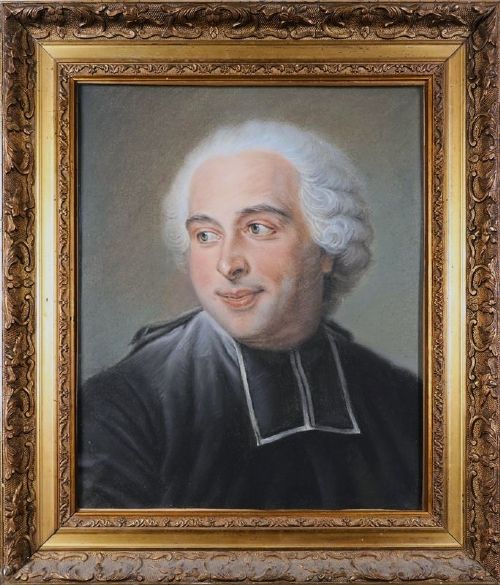
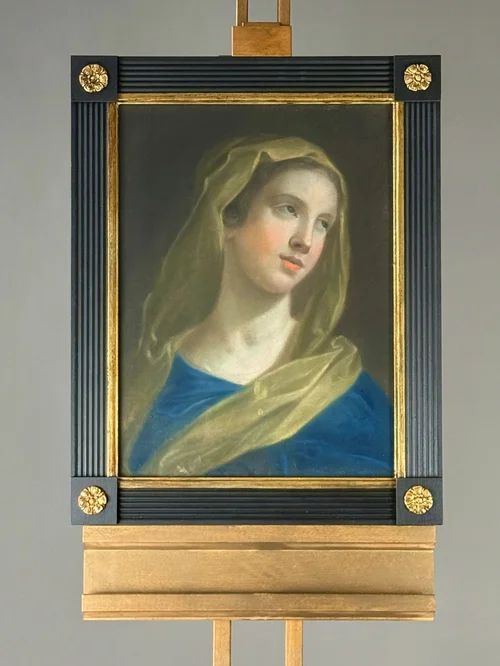
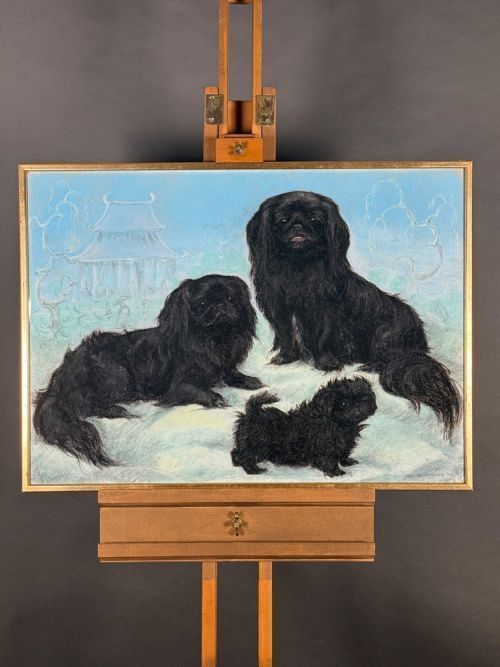
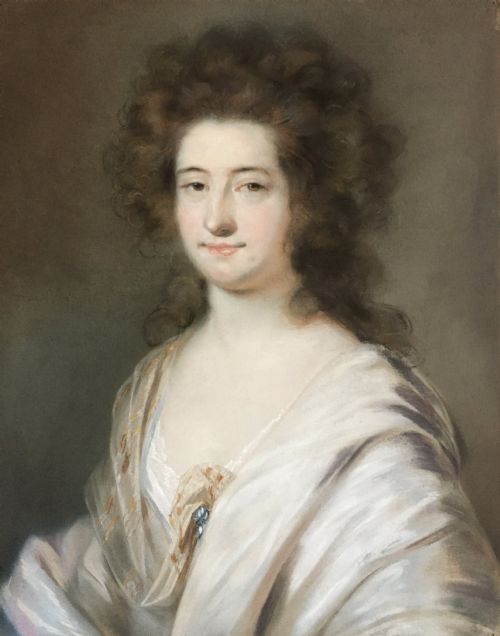
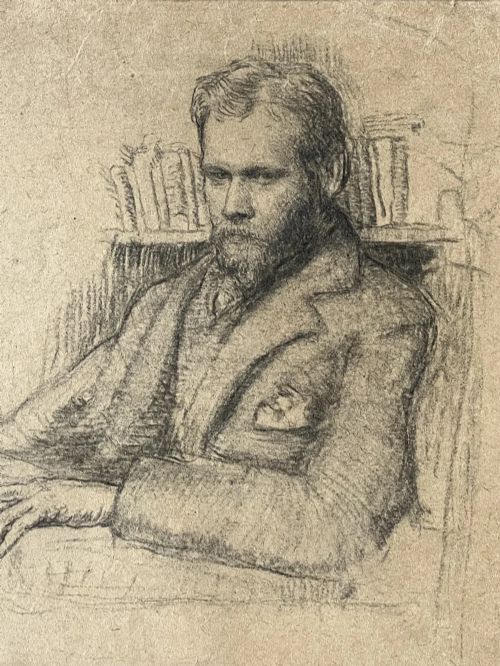
The selections available here lean heavily into portraiture and figure studies from the eighteenth, nineteenth, and early twentieth centuries. You will find works originating from British, French, and Italian hands, spanning stylistic movements from the Georgian period through to early twentieth-century academic traditions.
Materials and Techniques
Draftsmen of these periods utilised ground pigments applied with graphite, charcoal, and coloured pastels directly onto prepared paper surfaces. Plumbago drawings employed finely ground graphite to achieve remarkable detail and miniature-like precision.
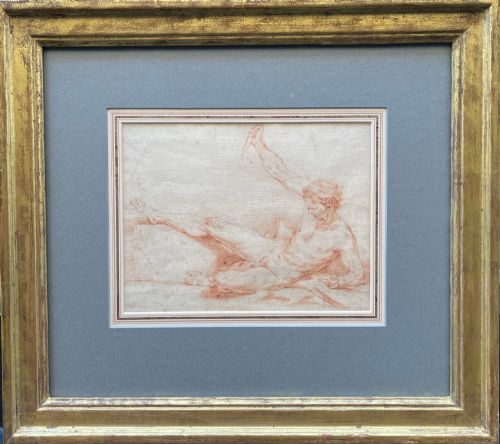
Framing often incorporates period elements like glass and giltwood to protect delicate dry media from smudging and environmental degradation. Ink and wash techniques utilised iron gall or carbon inks combined with fluid applications to build depth and shadow.
Listings feature paper supports from the eighteenth and nineteenth centuries, alongside dry mediums like pastel and charcoal.
Judging Quality and Execution
Quality in these works rests upon the sureness of the draughtsman's line and the sensitivity captured in facial expressions or anatomical forms. Confident, economical strokes distinguish a master's study from the stiffer execution of a lesser hand or student copyist.
The preservation of the paper support and the vibrancy of fugitive pigments like pastels dictate the visual power of the surviving piece. Original framing and documented provenance further elevate the standing of a drawing within its historical school.
Benedetto Luti·John Taylor·Eduard Leon Cortes·Thomas Rowlandson·George Richmond
The Antique Fine Art Drawing Glossary
- Plumbago
- An early form of graphite drawing popular during the seventeenth and eighteenth centuries, known for its fine grey metallic lustre and precision. Artists used specially shaped graphite sticks to create miniature-like portraits on vellum or paper.
- Pastel
- A dry painting medium consisting of powdered pigment and a binder rolled into sticks. It allows for rich colour application but requires careful glass protection to prevent dusting.
- Sanguine
- A reddish-brown chalk or crayon used extensively for figure drawing and portraiture from the Renaissance onwards. The warm earthy tone mimics flesh tints effectively.
- Barbizon School
- A nineteenth-century French art movement characterised by tonal landscape painting rooted in direct observation of nature. Artists associated with this group favoured atmospheric effects over classical idealism.
- Giltwood
- Carved wood treated with gold leaf or gilt composition, commonly utilised for framing fine works on paper during the Georgian and Victorian eras.
Antique Fine Art Drawing: Frequently Asked Questions
How should I display antique drawings at home?
Keep works on paper away from direct sunlight to prevent fading of fugitive pigments like pastels and inks. Ensure framing utilises acid-free mounts and UV-filtering glass to protect the delicate media.
Maintain stable room humidity to avoid cockling of the paper support and degradation of the underlying fibres over time.
What is the difference between pastel and graphite?
Graphite relies on carbon-based pencil leads to create monochromatic linear work and tonal shading in grey tones. It offers high precision and stability.
Pastel incorporates coloured pigments bound into sticks, offering vibrant hues and soft blended effects that require protective glass glazing.
How do I identify an eighteenth-century drawing?
Examine the paper characteristics closely, as handmade laid papers with visible chain lines typically indicate manufacture prior to the nineteenth century. Stylistic markers such as neoclassical proportions or baroque framing of the subject also offer strong chronological clues.
Check for artist inscriptions, watermarks within the paper stock, or historical collector stamps on the reverse.
Are portrait drawings usually preparatory studies?
Many portrait drawings functioned as preparatory studies for larger oil paintings, capturing the sitter's likeness before work commenced on canvas. Artists executed others as finished independent works intended for framing and display in domestic interiors.
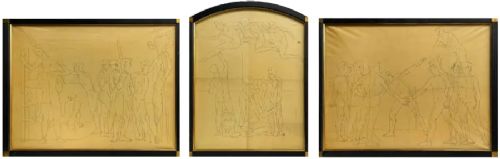
Sketches often reveal the working method through visible grid lines or compositional alterations.