
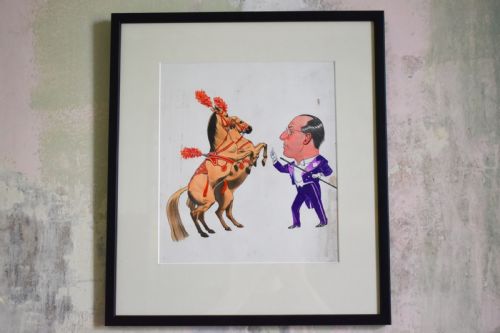
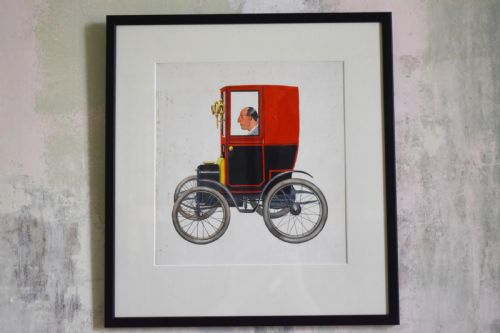
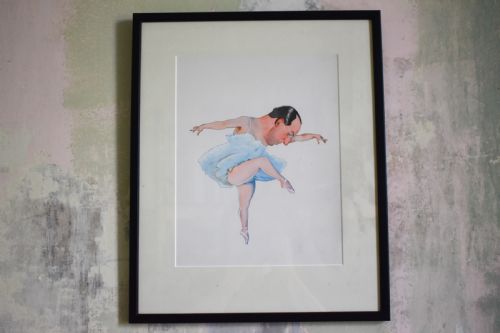
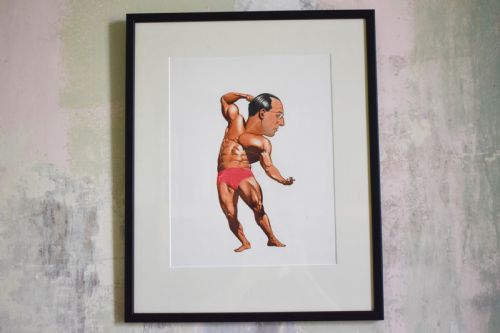
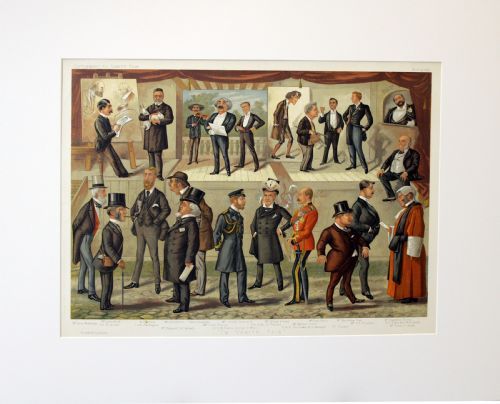

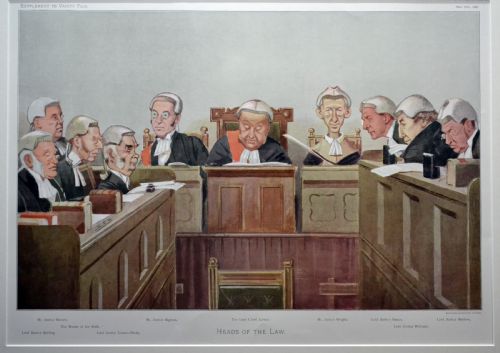


Antique Original Caricature
These antique original caricature pieces capture biting social and political satire across centuries of paper, ink, and watercolour.
Antique Original Caricature
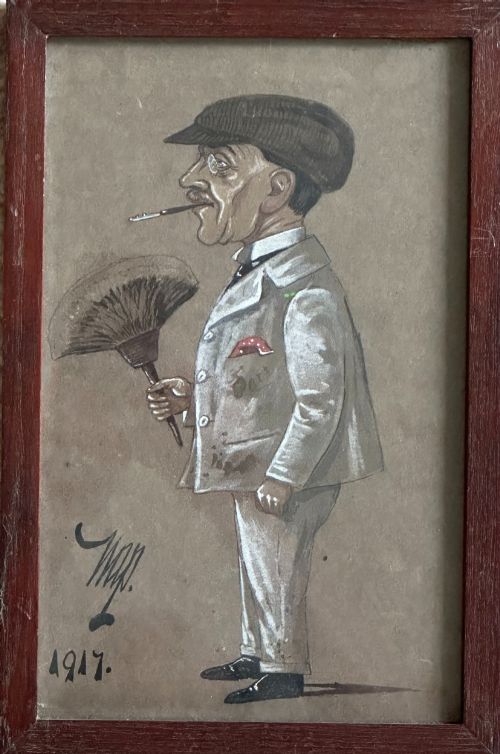
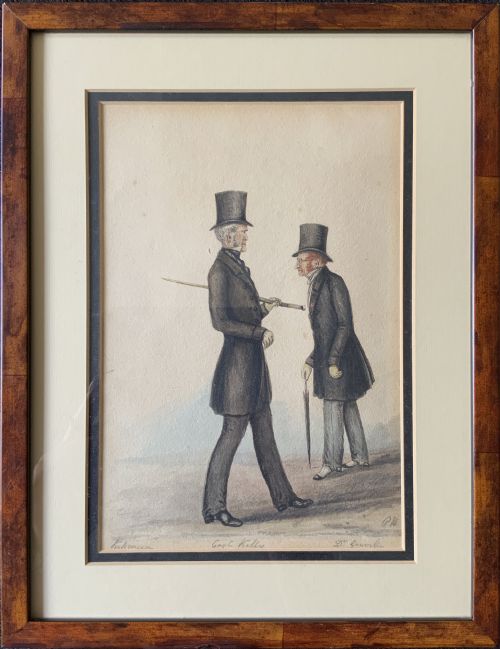
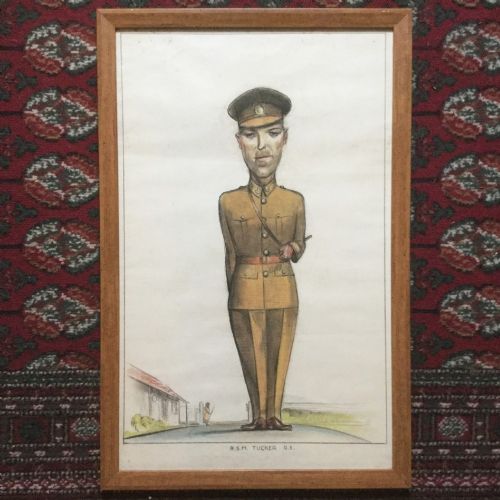
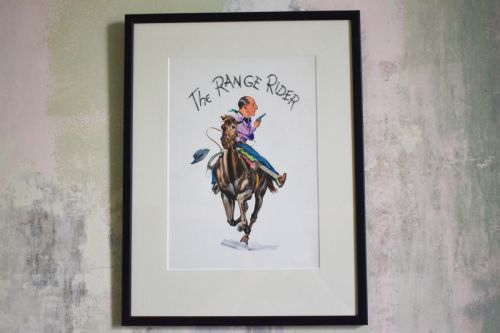
An antique original caricature brings together humorous visual commentary and portraiture produced across the eighteenth, nineteenth, and twentieth centuries. When you search for antique original caricature, you encounter framed artwork, wall art, prints, and original paintings from diverse periods including Georgian, Victorian, Edwardian, and wartime eras.
The material on this page spans from 1890 through the 1940s, alongside nineteenth-century works and specific dates such as 1900, 1902, 1910, 1920, and 1930. You meet individual framed pieces, runs of multiple drawings, and published chromolithographs from established periodicals.
Common formats include double-page prints, single sketches, and finished watercolours depicting military officers, actors, legal figures, and general social types. These works function simultaneously as historical documents and humorous artworks capturing the distinct manners of their respective decades.
How they were made
Artists executed these works on paper using pen and ink, watercolour, gouache, pastel, and oil paint, often mounted behind glass within wooden frames. The handling of ink lines provides the foundational structure for the satirical exaggeration before the application of pigments.
Published examples utilise chromolithography to replicate the tonal variations of the original draughtsmanship for wide circulation in periodicals. Original sketches rely entirely on the direct application of hand-mixed watercolours, gouache highlights, and chalks onto various grades of drawing paper.
Listings feature works executed in watercolour, gouache, pastel, and oil paint across the Victorian, Edwardian, and wartime periods.
What varies in quality
Quality rests upon the confidence of the draughtsmanship and the sharpness of the satirical observation rather than the mere age of the piece. Masterful control of pen and ink distinguishes a perceptive study from a rigid or formulaic sketch.
The integrity of the paper support, the vibrancy of surviving watercolours or gouache, and the fidelity of chromolithographic printing determine the visual impact of the work. Contemporary framing and archival protection also influence the overall preservation of the piece.
Thomas Rowlandson·ALBERT GUILLAUME·Snaffles·JOHN LEECH·John Nixon
The Antique Original Caricature Glossary
- Chromolithography
- A method for making multi-colour prints through the use of lithographic limestone or zinc plates, each bearing a single colour. This technique allowed Victorian periodicals to reproduce watercolour caricatures with remarkable fidelity.
- Gouache
- An opaque water-based paint consisting of pigment, water, and a binding agent such as gum arabic, often mixed with an inert white pigment. Artists utilised gouache to add solid, vibrant highlights to paper sketches.
- Wash
- A thin, semi-transparent layer of diluted ink or watercolour applied across paper to create tonal depth and shadow. Draughtsmen relied on washes to establish atmosphere behind rapid pen sketches.
Antique Original Caricature: Frequently Asked Questions
How do I identify Victorian caricatures?
Victorian caricatures often emerge from satirical magazines and weekly journals of the nineteenth century, utilising chromolithography to capture vibrant social commentary. They frequently depict legal figures, military officers, and prominent actors of the era.
Examination of the paper stock, printing method, and stylistic markers such as Edwardian or Victorian dress helps confirm the period of execution.
Where should I hang caricature art?
Caricature art suits studies, hallways, and libraries where guests can examine the fine details of pen work and humorous expressions up close. Because paper, watercolour, and gouache are sensitive to ultraviolet light, these framed works require placement away from direct sunlight.
Using conservation-grade glass and acid-free mounts helps protect the delicate pigments and paper supports over time.
What is a Vanity Fair print?
Vanity Fair prints are chromolithographic caricatures published in the British weekly magazine Vanity Fair between 1869 and 1914. They typically feature prominent public figures accompanied by biographical text.
Artists such as Spy contributed many of the most recognizable portraits, which collectors frequently source as double-page unfolded plates.