


Sepia Tone Original Artwork
Sepia tone original artwork brings together monochromatic works on paper from the nineteenth and twentieth centuries.
Sepia Tone Original Artwork
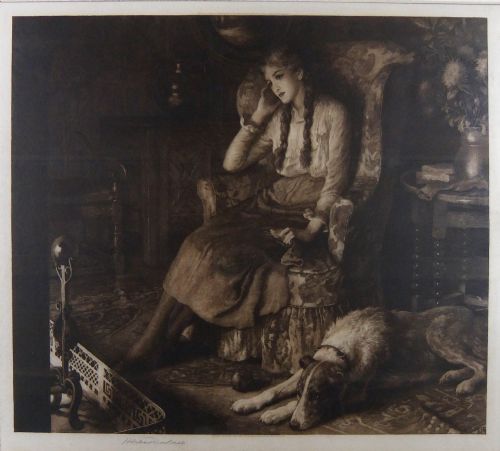
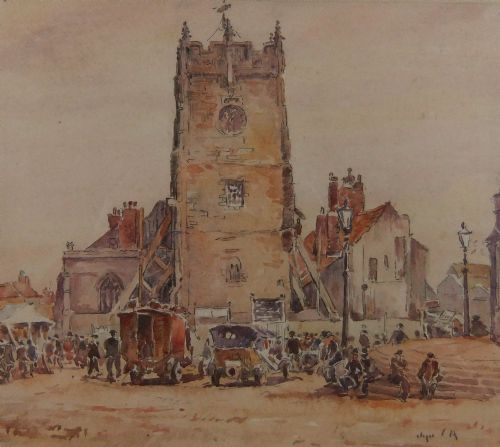
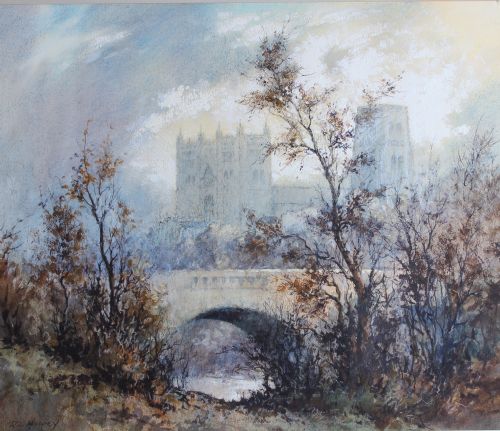
When you search for sepia tone original artwork, you encounter works executed primarily in monochrome brown pigments, ink, and pencil across the nineteenth and twentieth centuries. These pieces encompass watercolour paintings, etchings, pen and ink sketches, and lithographs originating from British and French hands.
The most common examples on this page are landscape watercolours, townscapes, and illustrative drawings dating from the Edwardian period through to the mid-twentieth century. Artists often utilised tonal wash techniques to achieve depth and atmospheric quality without relying on a full palette of colour.
Materials and construction
These works are created on paper supports using mediums such as watercolour pigment, ink, gouache, and pencil. Artists applied washes of sepia or brown ink to build tone and shadow, frequently over preliminary pencil lines.
Framed presentation typically involves wood moulding and protective glass to safeguard the delicate paper surfaces from atmospheric moisture and handling.
Cats, clowns, and cathedral spires share the same monochromatic world of brown ink.
Distinctions in execution
Quality in these monochromatic pieces rests upon the surety of the draughtsmanship and the control of tonal gradation. Strong compositions demonstrate confident handling of ink lines and wash density.
Condition of the paper support and the stability of the pigment significantly influence the standing of an individual piece.
Herbert Dicksee·John Smith Atherton·Robert Leslie Howey·Charles James Lauder·Thomas Rowlandson·Snaffles·Sir Muirhead Bone·Tom Dudley·Dame Laura Knight·Fred Lawson·J.D. Walker·Deidre Borlase·John Thirttle
The Sepia Tone Original Artwork Glossary
- Sepia
- A brown pigment traditionally derived from the ink sac of the cuttlefish. It produces the warm monochromatic tone characteristic of these works.
- Etchings
- Intaglio printmaking methods where lines are bitten into a metal plate with acid before ink is applied and transferred to paper. This technique creates fine, precise linear details.
- Lithography
- A planographic printing process based on the repulsion of oil and water. Artists draw on stone or metal plates to produce authentic multiples.
- Gouache
- An opaque water-based paint composed of pigment, water, and a binding agent such as gum. It provides solid highlights in works on paper.
Sepia Tone Original Artwork: Frequently Asked Questions
What periods do these artworks cover?
The selection spans from the nineteenth century through the mid-twentieth century, capturing shifts in British and French draughtsmanship.
Peculiarities of style reflect the prevailing aesthetic of each decade represented.
How should I frame paper works?
Works on paper require conservation mounting behind glass to prevent direct contact with the surface.
Keeping them away from direct sunlight preserves the tone of the ink and pigment.
Are these works unique pieces?
The selection includes both unique watercolours and drawings alongside original prints like etchings and lithographs.
Each medium carries its own distinct method of creation by the artist.
How do I identify a wash drawing?
Wash drawings utilise diluted ink or watercolour applied with a brush to create graduated tones.
Examining the surface closely reveals the fluid application characteristic of monochrome painting.