
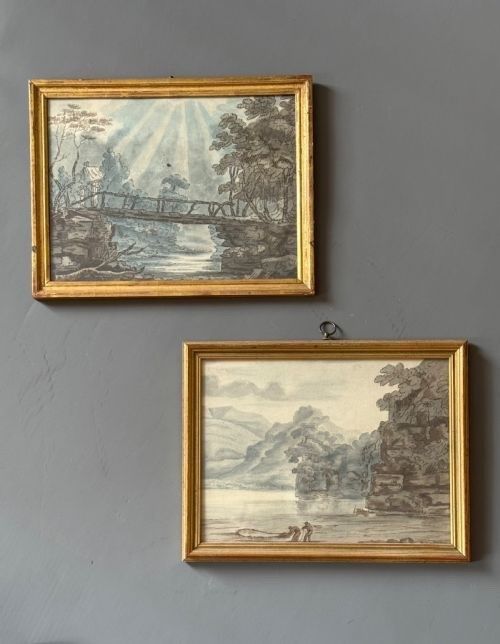
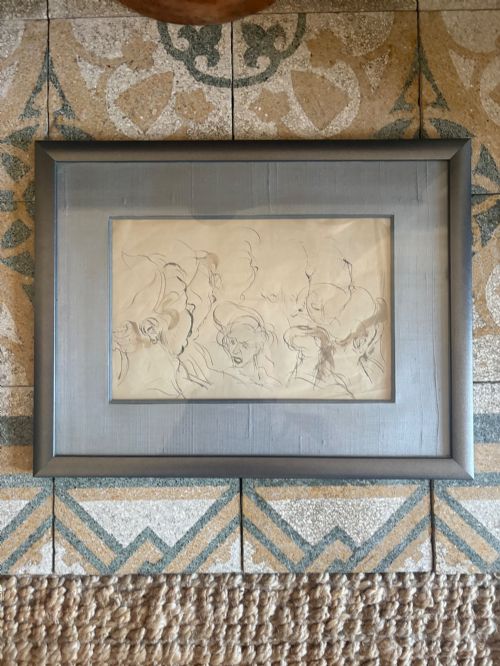


Paper Pen Ink Sketch
A paper pen ink sketch brings direct, unmediated draftsmanship into your rooms, capturing an artist's immediate hand through expressive line and tone.
Paper Pen Ink Sketch
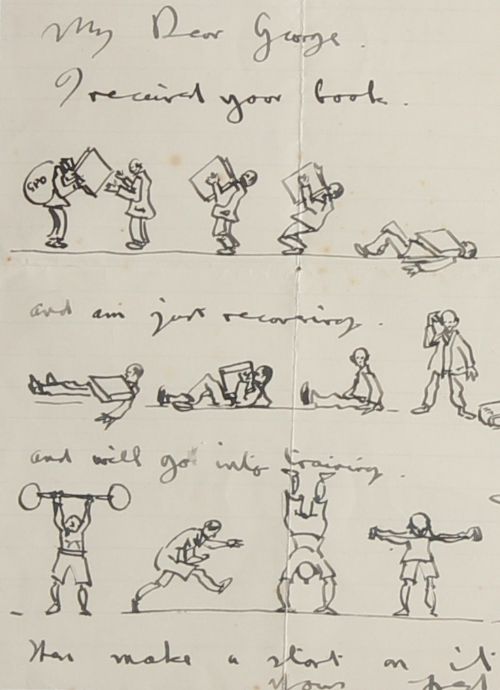
A paper pen ink sketch represents original graphic art executed on paper supports using fluid drawing media. When you search for paper pen ink sketch, you encounter original drawings, framed artwork, and preparatory studies spanning several centuries.
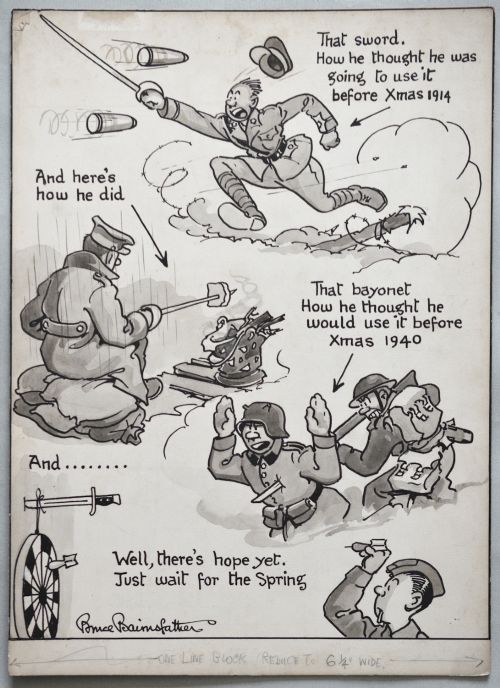
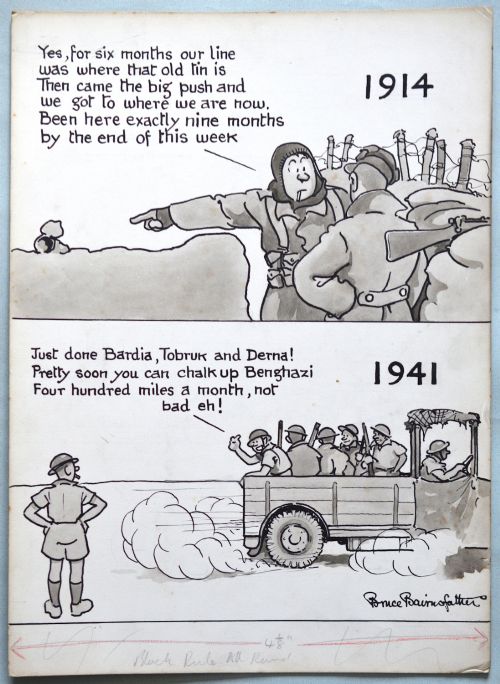
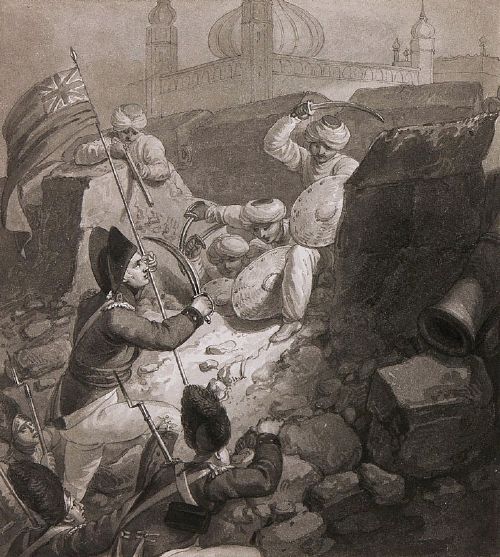
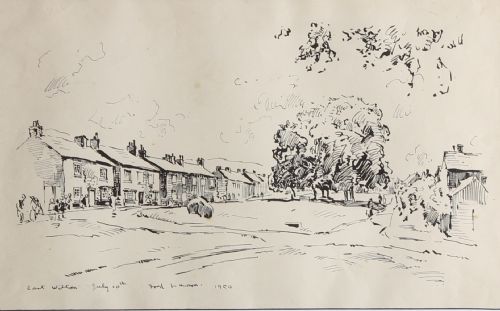
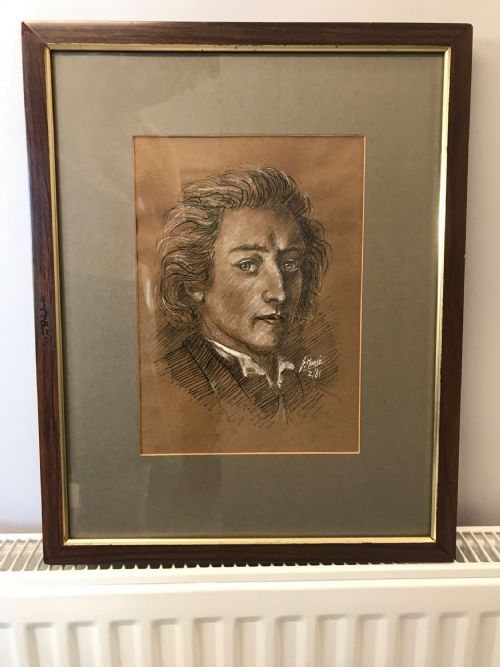
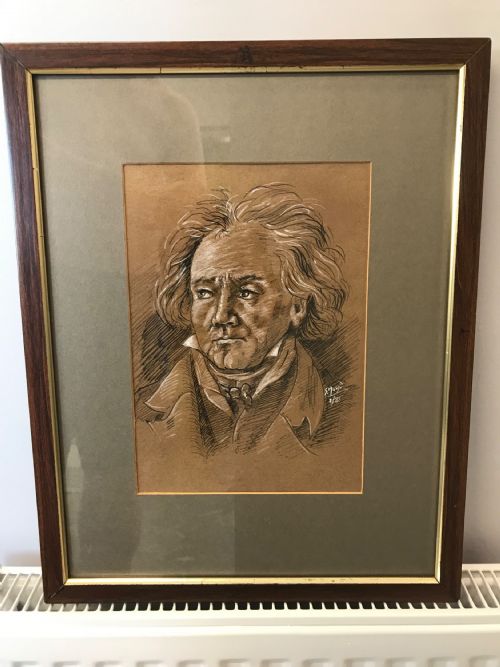
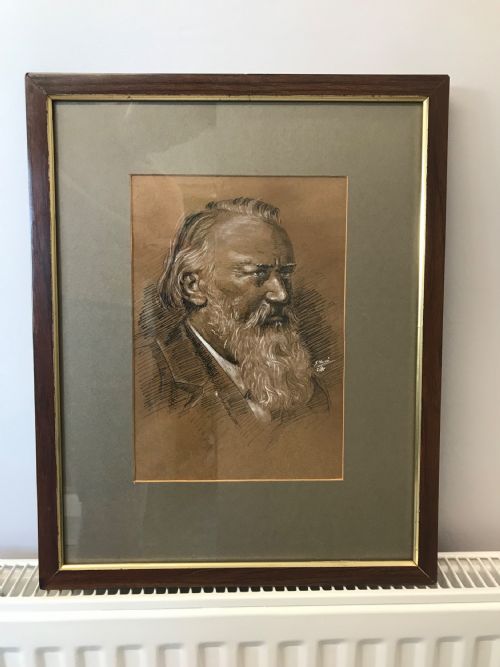
The selections on this page range from eighteenth-century topographical scenes and satirical illustration to mid-century modern British compositions and Victorian portraits. These pieces include landscape views, battle scenes, historical studies, and character portrayals.
You are most likely to meet works mounted in wood frames, often accompanied by washes or gouache additions that build depth. The physical support relies fundamentally on paper, carrying ink lines applied by pen or brush.
Materials and technique
These works rely on ink applied to paper supports, frequently augmented with wash, gouache, or watercolour to shape shadow and volume. The primary drawing tool is the pen, which leaves crisp, indelible lines that define the subject.
Artists often combined iron gall or carbon inks with diluted watercolour washes to create tonal contrast before mounting the finished sheet into a wood frame.
Cats, clowns, and classical composers rub shoulders in this ink-stained company.
Assessing quality
Quality rests upon the confidence and economy of the pen line, where a skilled hand conveys form and expression with minimal hesitation. The relationship between the ink marks and the secondary washes determines the visual balance of the sheet.
The preservation of the paper support and the clarity of the ink lines separate superior examples from more routine studies. Framing and historical context also influence the standing of an individual sheet.
Fred Lawson·Bruce Bairnsfather·William Marshall Craig·Louis Wain·Lucien Freud·Thomas Rowlandson·Lawrence Stephen Lowry·Dame Laura Knight
The Paper Pen Ink Sketch Glossary
- Wash
- A thin, transparent layer of diluted ink or watercolour brushed across the paper to create shadow and tonal depth.
- Gouache
- An opaque watercolour medium that provides solid highlights and heavier areas of colour alongside ink lines.
- Preparatory study
- A preliminary drawing executed by an artist to plan a larger painting, print, or finished composition.
- Framed artwork
- A piece enclosed within a protective border and glazing, often set inside a wood frame.
- Works on paper
- A collective term for drawings, sketches, watercolours, and prints executed upon a paper support.
Paper Pen Ink Sketch: Frequently Asked Questions
How do I care for a paper pen ink sketch?
Keep works on paper away from direct sunlight to prevent the ink and paper support from fading or yellowing over time. Maintain stable indoor humidity and temperature to protect both the paper and its framing.
Ensure the artwork remains behind protective glazing if displayed in living spaces. Professional framing using acid-free materials safeguards the sheet from degradation.
Were these sketches meant to be finished artworks?
Many sheets began as preparatory studies or direct observations captured on location before being developed further by the artist. Some drawings functioned as independent illustrations intended for publication or exhibition.
Artists often kept bound books of drawings or loose sheets that recorded daily subjects and landscapes. These diverse origins mean both finished compositions and working sketches appear among historical pieces.
How can I tell an eighteenth-century sketch from a nineteenth-century one?
Eighteenth-century examples frequently employ specific brown ink tones paired with delicate grey or sepia washes to depict classical or topographical subjects. Paper stocks from this era often show distinct laid lines when examined closely.
Nineteenth-century works tend to reflect broader stylistic movements such as realism, Gothic revival, or satirical illustration. Subject matter and framing styles also provide clear clues to the period of execution.