
Antique Filing Drawers
These antique filing drawers bring practical archival storage into domestic and office interiors through robust period construction.
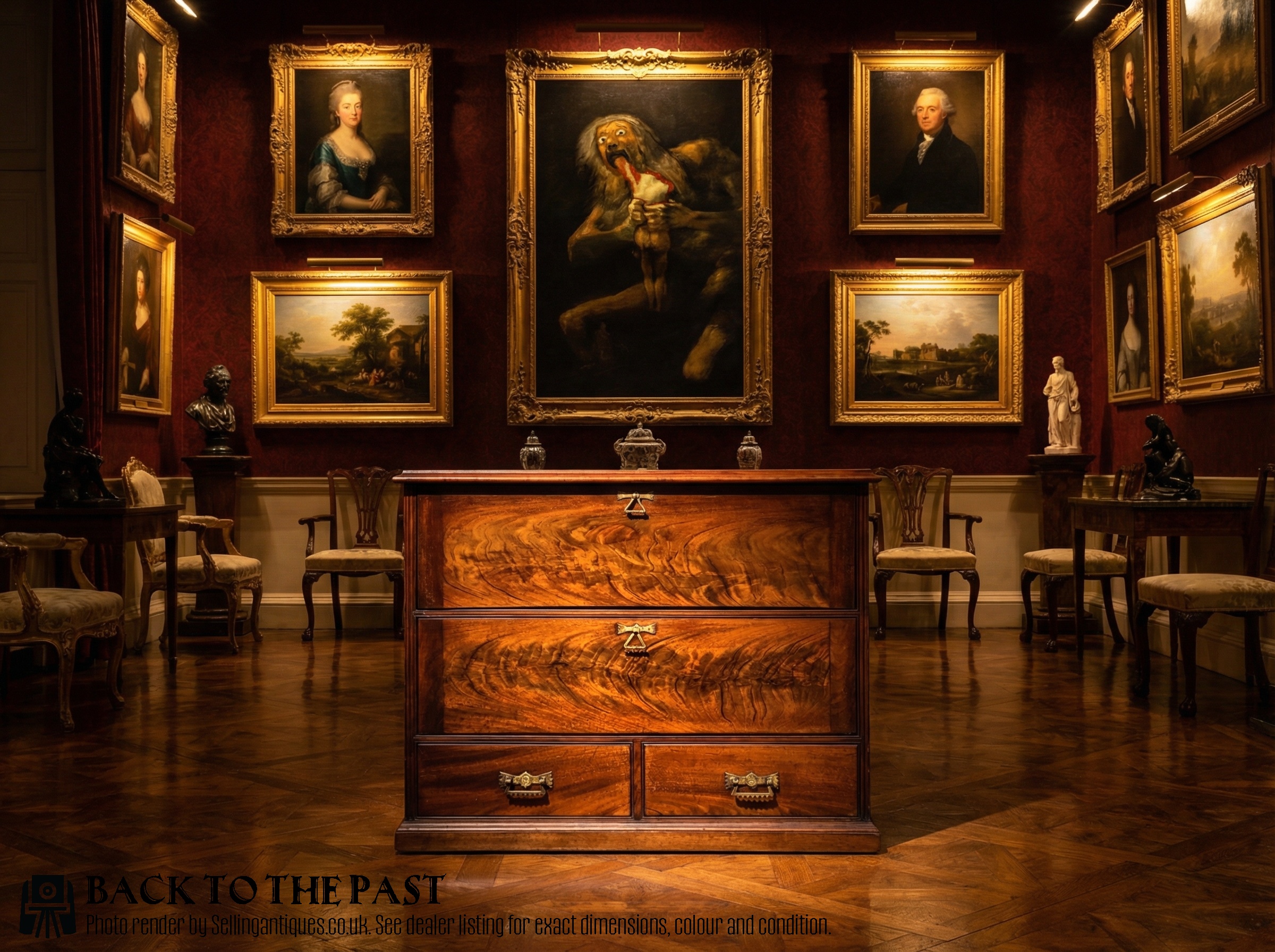
Identifying Antique Filing Drawers
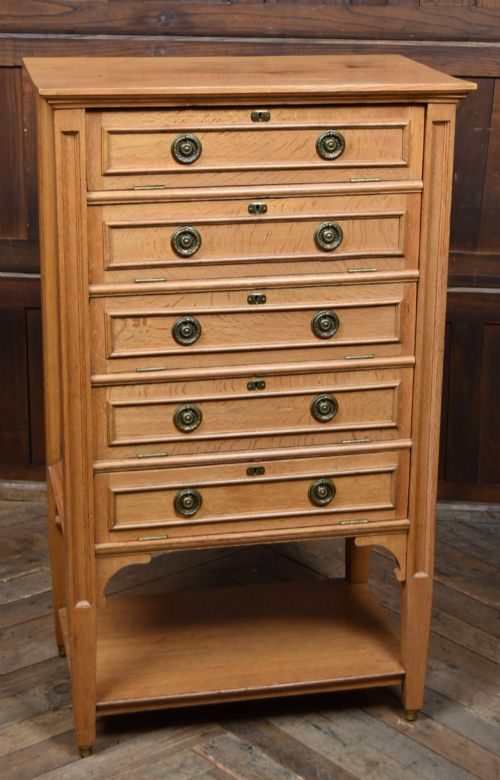
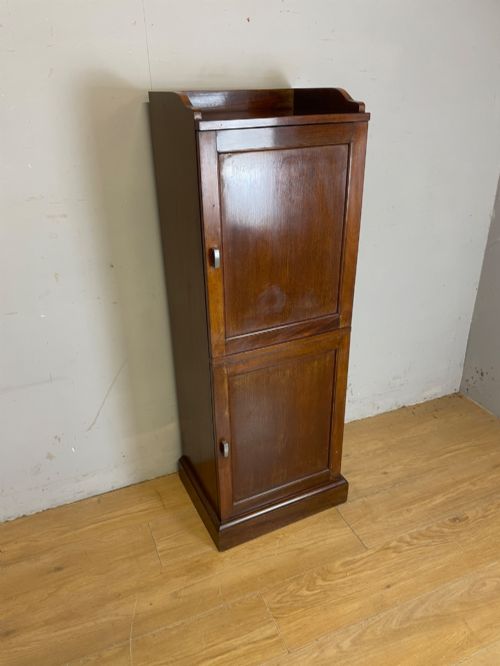
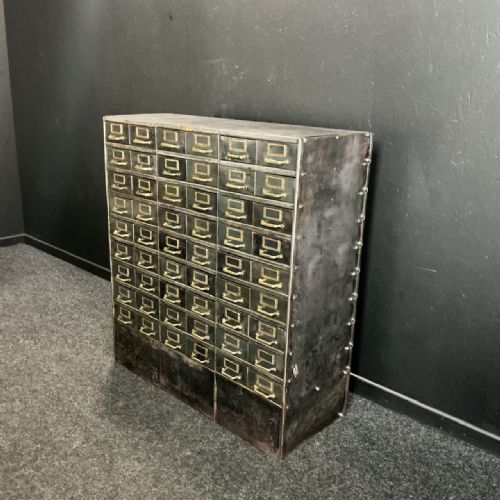
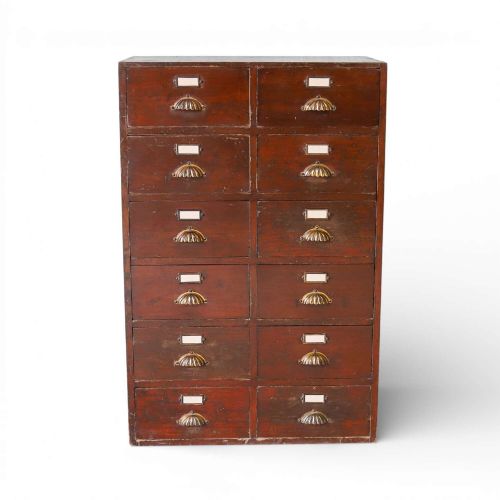
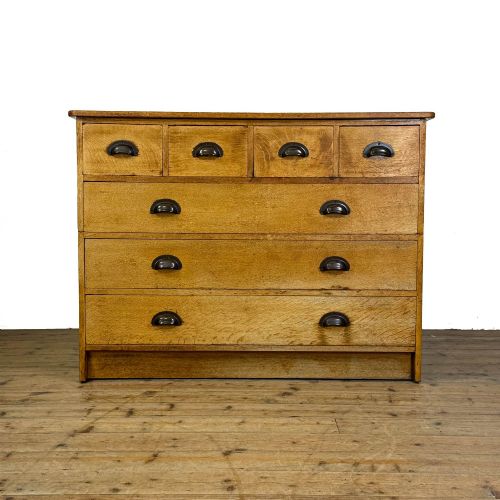
When you search for antique filing drawers, you encounter compact desktop units, modular stacking systems, and tall multi-drawer cabinets designed for systematic organisation.
The selections span Victorian, Edwardian, and early twentieth-century eras, reflecting the growing administrative needs of offices and homes during those periods.
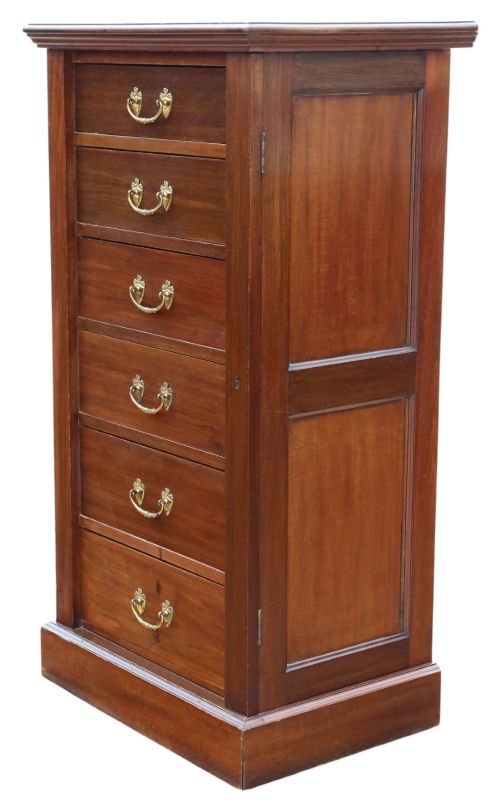
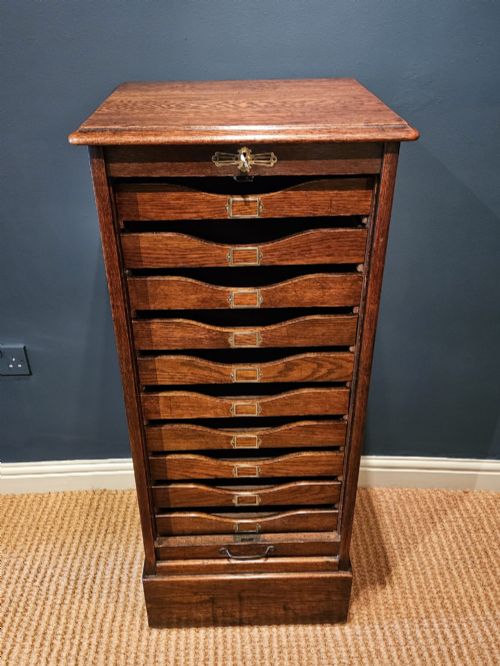
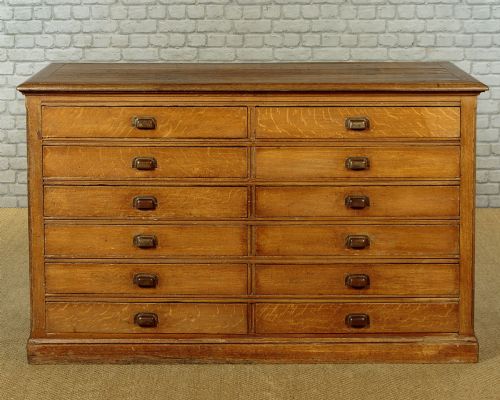
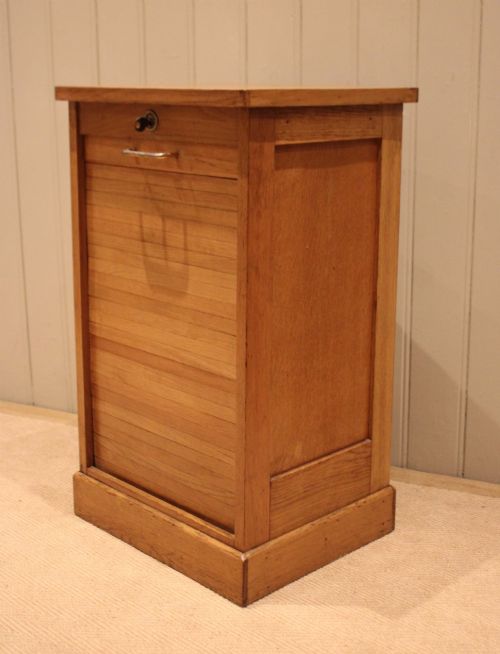
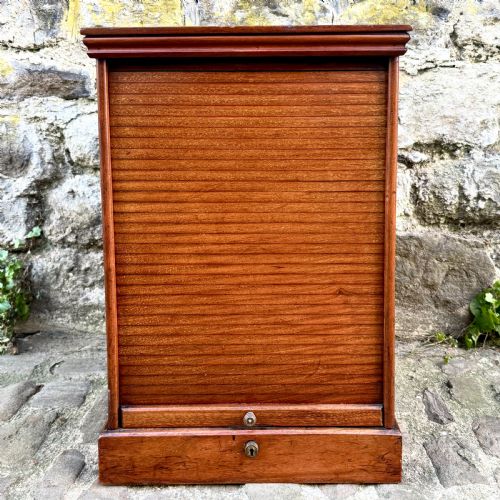
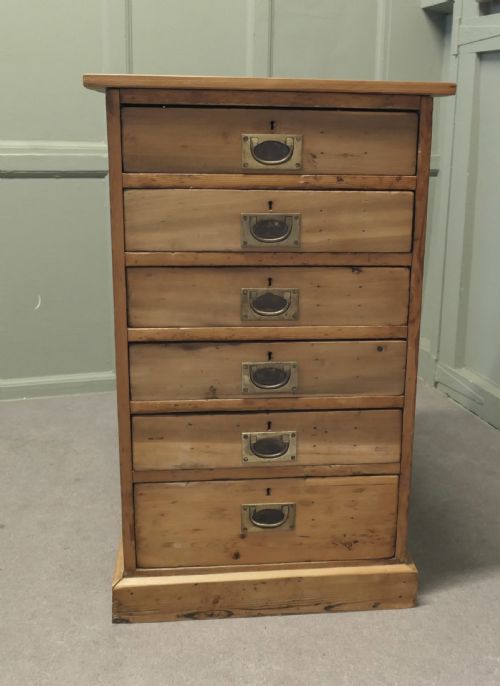
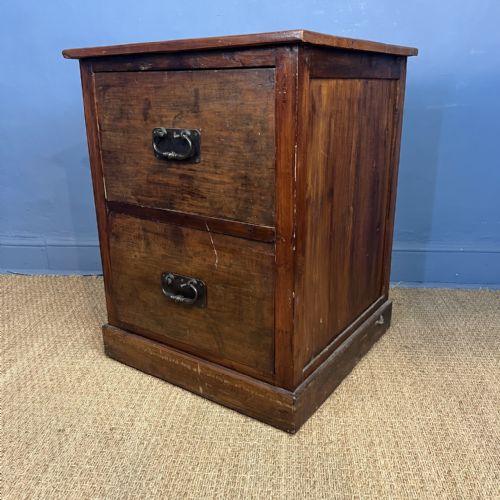
Common forms include banks of shallow drawers, tambour-fronted cabinets, and robust pedestals, often constructed from hardwoods like oak and mahogany.
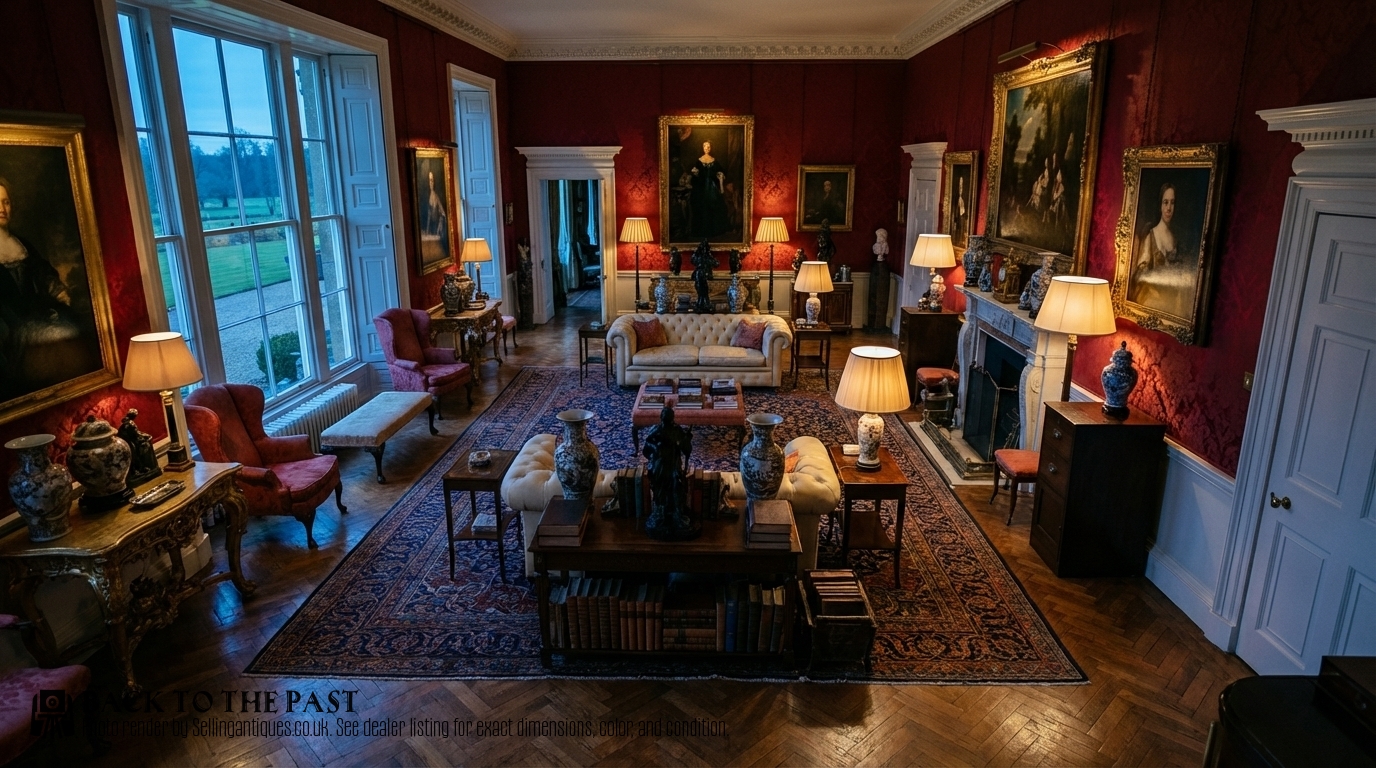
Materials and Construction
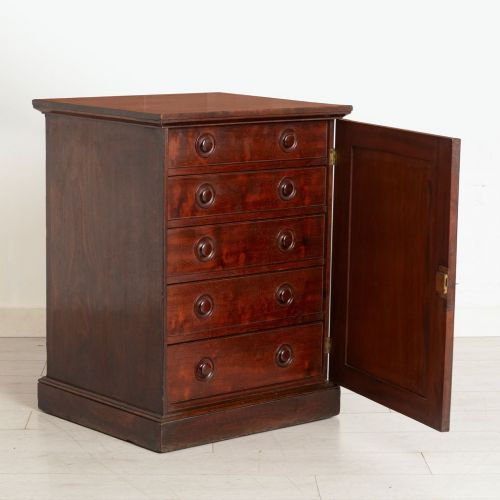
Cabinetmakers utilised solid timbers including oak, mahogany, walnut, and teak, frequently pairing them with flame mahogany veneer on display surfaces.
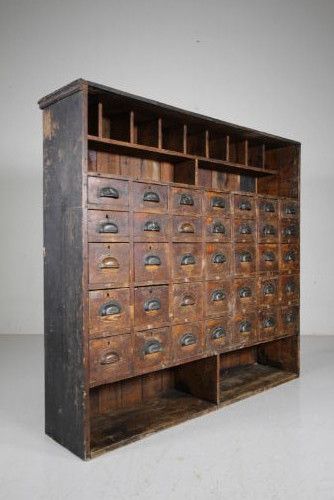
Hardware elements such as handles, label holders, and locking mechanisms are typically cast in brass or forged from iron.
Sliding tambour doors consist of narrow wooden slats attached to canvas backing, allowing them to curve smoothly around cabinet tracks.
Retail Price Guide 2026
Typical UK retail prices for filing drawers, calculated from the Sellingantiques database of over a million retail prices indexed since 2003. This retail price guide relies exclusively on Sellingantiques data; no external sources or auction records are used, so the figures do not describe the wider market.
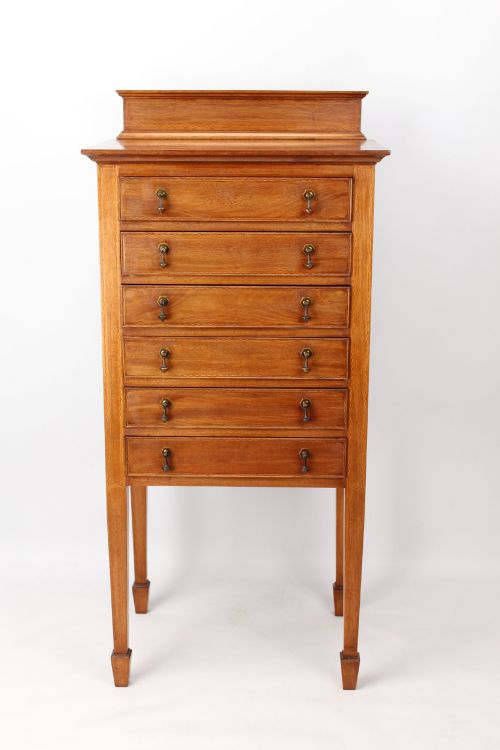
Cabinets designed for sheet music and delicate specimens double quite comfortably as tidy receptacles for modern desk clutter.
Assessing Quality and Build
Superior examples demonstrate precise joinery in the drawer carcasses, such as fine dovetailing that withstands repeated daily opening and closing.
The selection of timber grain consistency, particularly in walnut and flame mahogany veneers, distinguishes standard utility furniture from finer cabinetmaking.
S and H Jewells of London
The Antique Filing Drawers Glossary
- Tambour
- A flexible sliding door formed of narrow wooden strips glued to a fabric backing. It allows access to cabinet interiors without requiring clearance for swinging doors.
- Wellington chest
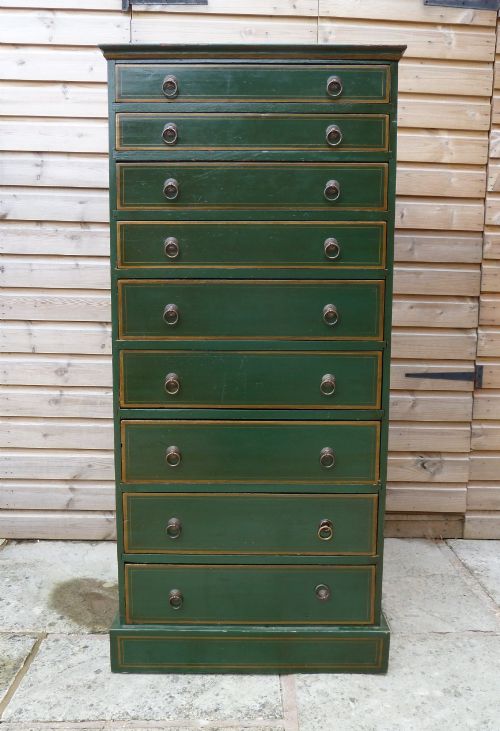
- A tall, narrow chest of drawers secured by a single hinged locking stile on one vertical edge. This design provided security for confidential papers.
- Specimen drawers
- Shallow compartments originally utilised for housing natural history collections or botanical samples. They translate well into modern storage for small documents.
- Haberdashery cabinet
- Retail display furniture featuring numerous shallow glass-fronted or wooden drawers. These units now serve alternative archival functions.
Frequently Asked Questions
What periods do these filing drawers come from?
The pieces span the nineteenth and early twentieth centuries, encompassing Victorian, Edwardian, and Art Nouveau eras.
Cabinet designs evolved during this timeframe from bespoke cabinetry into standardised office organisation systems.
How were tambour front cabinets used?
Tambour doors slide along recessed tracks to conceal the contents of the cabinet while saving space in compact rooms.
This mechanism protected documents from dust and provided a secure enclosure for sensitive papers.
Can I use these for modern paper sizes?
Many vintage filing units accommodate smaller documents, music sheets, or specialised stationery rather than standard modern folders.
Checking internal drawer dimensions ensures the storage suits your specific archival requirements.
Are these cabinets suitable for bedside use?
Bedside chests and tall narrow configurations fit well beside modern beds while offering deep storage.
Their substantial timber construction and period detailing add character to bedroom interiors.