

Antique Figure with Dog
An antique figure with dog captures a timeless bond in earthenware, porcelain and bronze.
Antique Figure with Dog
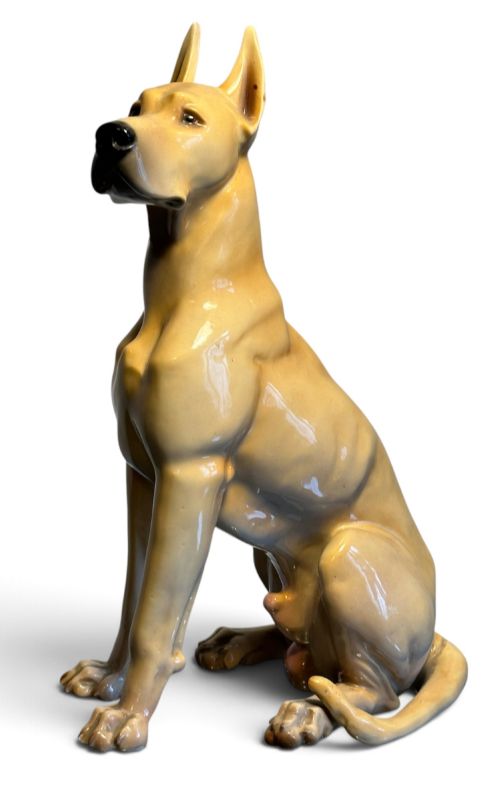
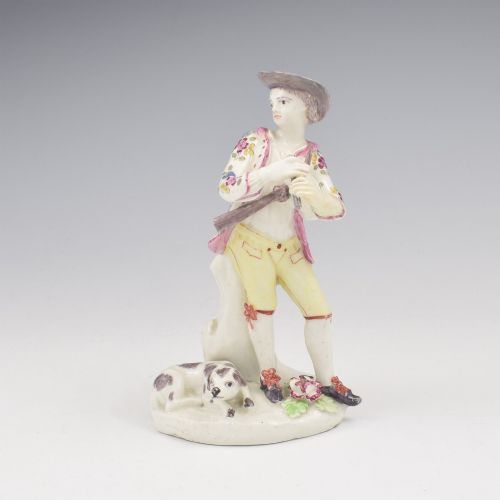
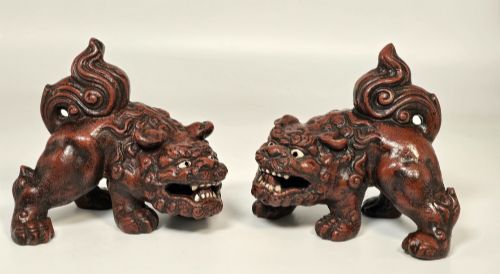
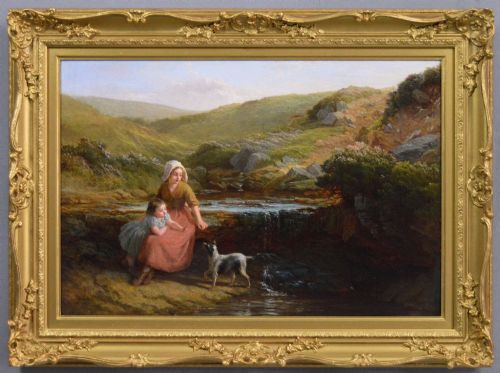
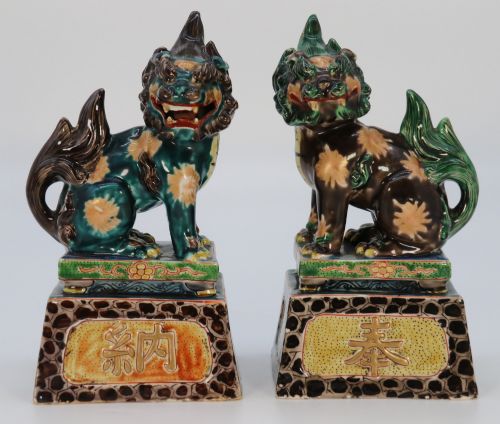
An antique figure with dog brings together human subjects and their canine companions across various decorative forms. Buyers encounter sculptures, figurines, and oil paintings originating from multiple European and Asian traditions.
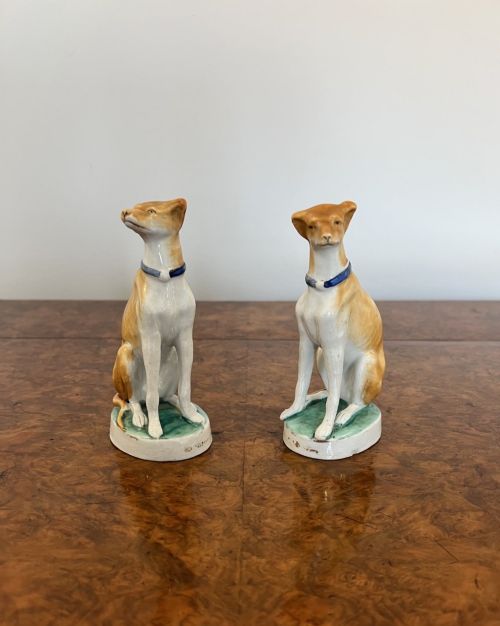
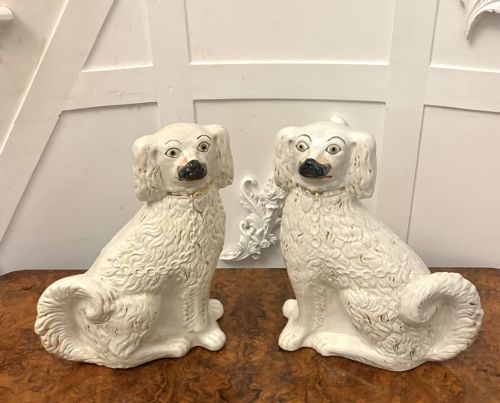
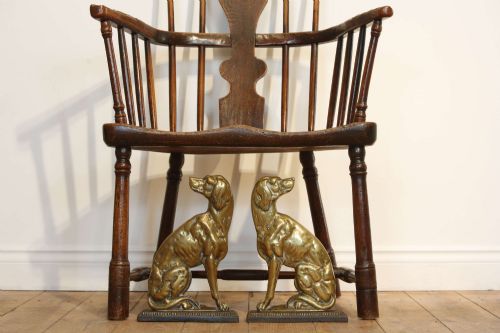
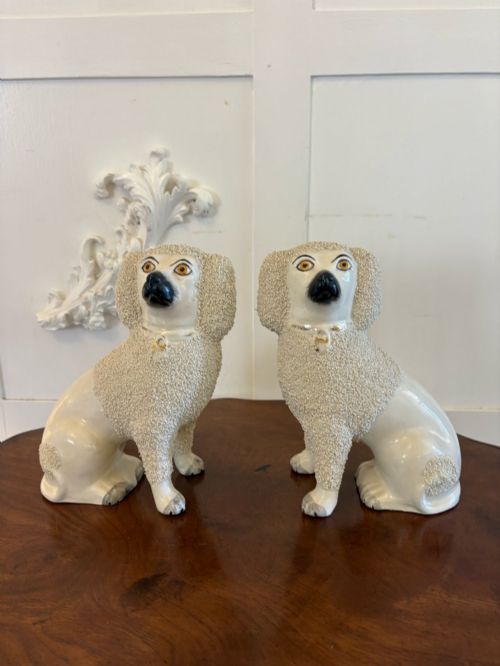
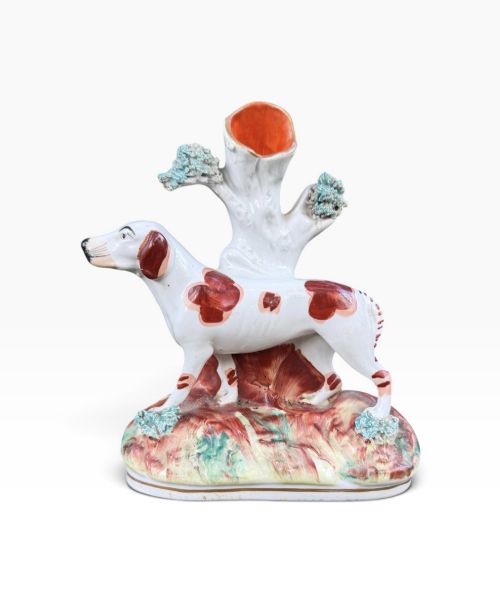
Staffordshire pottery pairs dominate the selection, often depicting greyhounds, poodles, spaniels, or hunting dogs alongside human figures. These earthenware pieces reflect 19th-century domestic tastes and mantelpiece decoration.
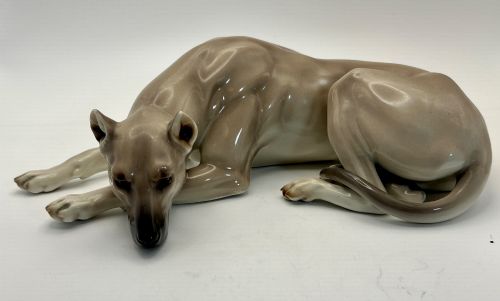
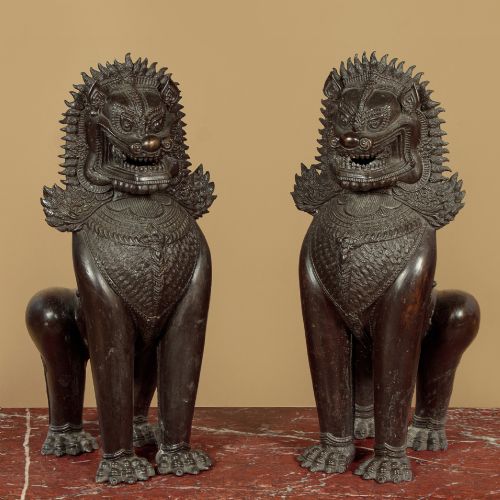
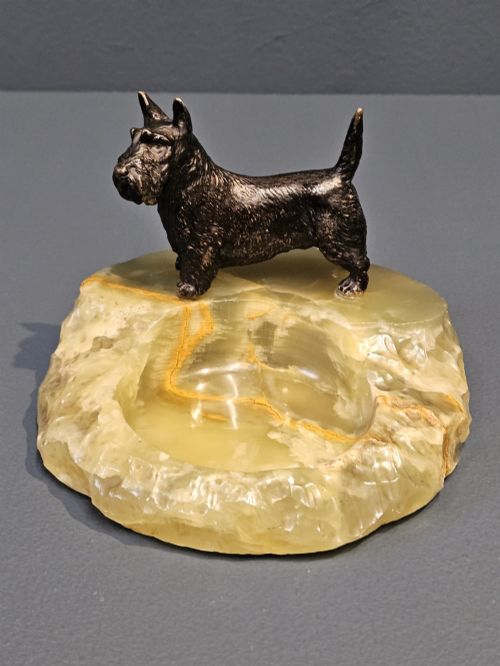
Bronze sculptures and porcelain figures from French, German, and English factories offer alternative representations. Subjects range from mythological figures like Diana to genre scenes of children and rural workers with animals.
Materials and Techniques
Ceramic pieces utilise earthenware and porcelain, shaped through moulding and finished with glazes or hand-painted details. Staffordshire pottery relies on slip-casting and earthenware bodies, while factories like Derby and Meissen employ fine porcelain bodies with intricate enamel work.
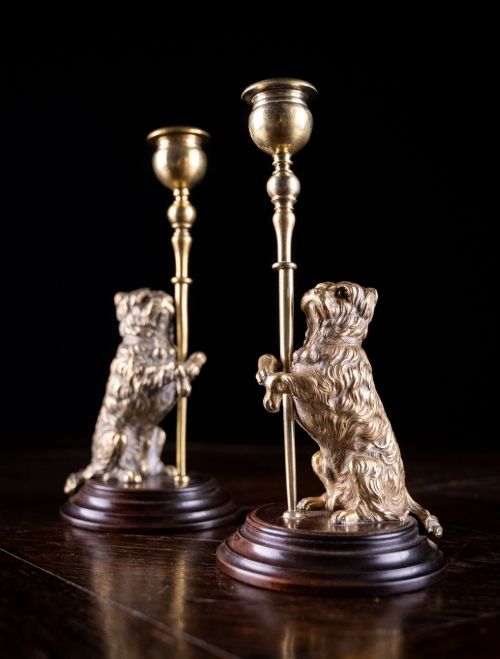
Metal sculptures apply the lost-wax casting technique to bronze, sometimes incorporating cold-painted finishes or ormolu mounts. Artists and foundries also utilise marble bases and gilt wood to support these metal works.
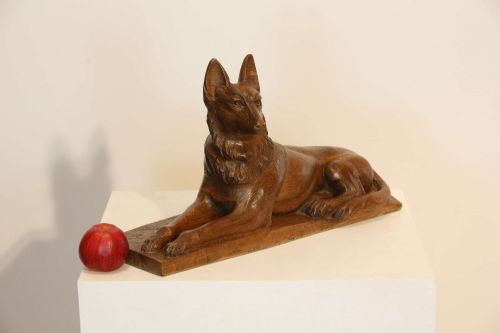
Oil paintings employ canvas and panel supports, capturing human and animal subjects through layered pigments. Wood carving appears in specific folk art and sculptural objects.
Antique Figure with Dog Retail Price Guide 2026
Typical asking prices for figure with dog among the pieces listed under this phrase on Sellingantiques today, from the lower quarter to the upper quarter. They describe what is for sale here now, not the wider market.
Listings feature 19th-century bronze sculptures alongside Georgian porcelain and Victorian earthenware.
Distinctions in Quality
The refinement of modelling and detail defines the upper tier of these pieces. Fine facial expressions, distinct rendering of animal fur, and precise hand-painted enamels separate superior porcelain and earthenware from simpler output.
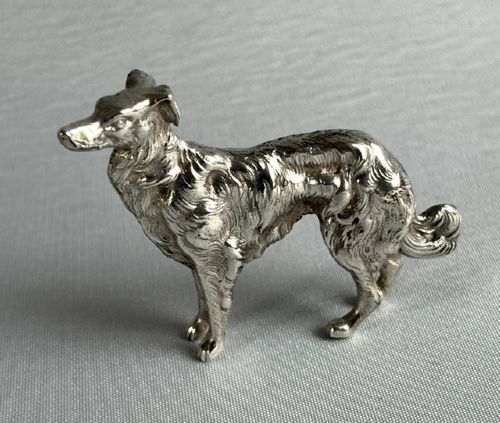
Foundry execution and signature attribution elevate bronze sculptures. Casts produced by recognised animalier sculptors display anatomical accuracy and crisp chasing that lesser workshop productions lack.
Completeness of original pairings, such as symmetrical pairs of Staffordshire dogs or figures with their designated accessories like quill holders, influences the integrity of the object.
Edward Holmes RBA·Masaaki·Derby·Meissen·Paul Jones·Eurotrope Bouret·Jules Moigniez·Alexandre Kelety·Arthur Waagen·Royal Capodimonte Factory·Dumond·Geo Maxim·Royal Dux·Charles Hunt Jnr·Thomas Blinks
The Antique Figure with Dog Glossary
- Animalier
- A term for 19th-century artists who specialised in realistic depictions of animals. These sculptors worked predominantly in bronze.
- Staffordshire pottery
- Earthenware produced in the English Potteries region during the 19th century. Figures often depict animals and domestic groups for mantel display.
- Cold-painted bronze
- A method where bronze sculptures receive paint applications without subsequent firing. This technique was popular in Austrian workshops during the late 19th century.
- Parian ware
- A type of fine biscuit porcelain resembling white marble. Factories utilised this material for unglazed portrait busts and figure groups.
- Okimono
- A Japanese decorative sculpture designed for display on a shelf or in a tokonoma. These bronze or ivory pieces often depict animals or daily life.
Antique Figure with Dog: Frequently Asked Questions
What are antique figure with dog pieces made from?
These works utilise earthenware, porcelain, and bronze as primary mediums. Additional materials include marble bases, gilt wood, and oil paints on canvas or panel.
Pottery pieces often feature hand-painted enamel glazes, while bronze sculptures employ casting and cold-painting techniques.
How were Staffordshire dog figures used?
Makers designed Staffordshire pottery dogs and figure groups primarily for mantelpiece decoration in 19th-century homes. Pairs were traditionally placed facing inward on either side of a fireplace.
Certain variations incorporated practical elements, serving as quill holders on writing desks.
How do I date a porcelain figure with a dog?
Dating relies on factory marks, paste composition, and stylistic traits associated with specific periods like the Georgian era or the Victorian period. Examining the painting style and modelling helps determine the manufacturing era.
Reference guides for factories such as Derby, Meissen, or Royal Dux provide specific timelines for their moulded figures.
What is an animalier bronze sculpture?
Animalier bronze describes sculptures focusing on realistic representations of animals, produced extensively during the 19th century. Artists studied anatomical structures to capture dogs, horses, and wildlife in active poses.
Prominent sculptors signed their casts, which were finished with patination or cold-painted colours.