

Antique Figure Landscape Canvas
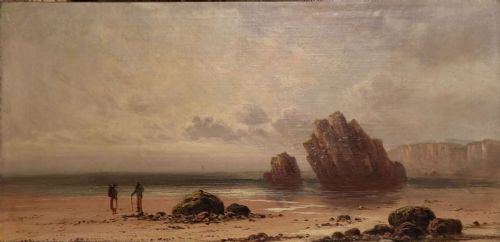
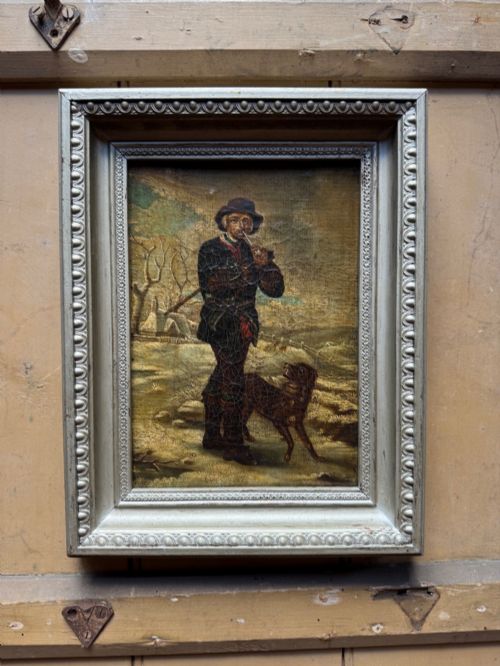
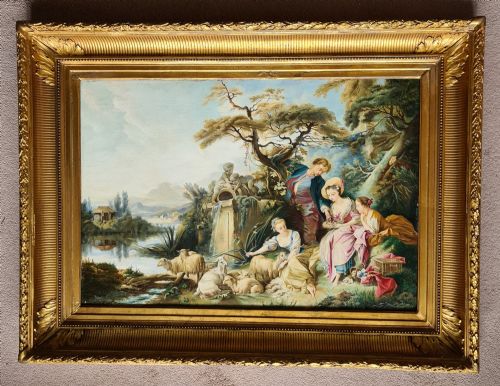
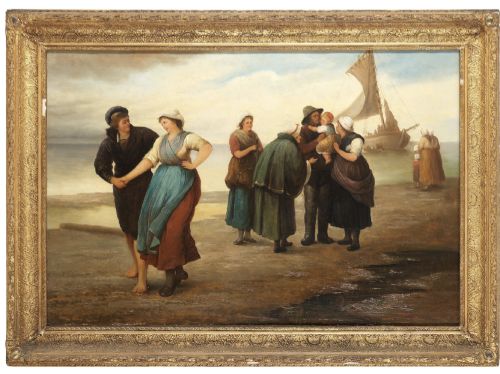
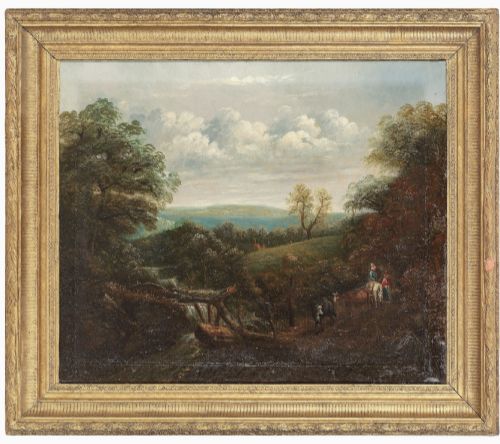
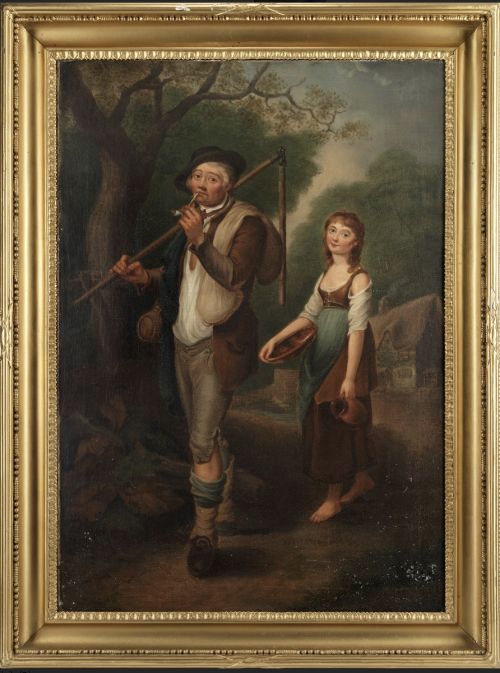
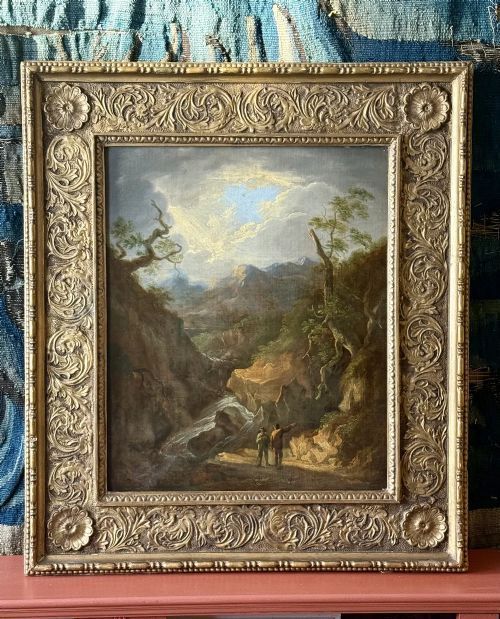
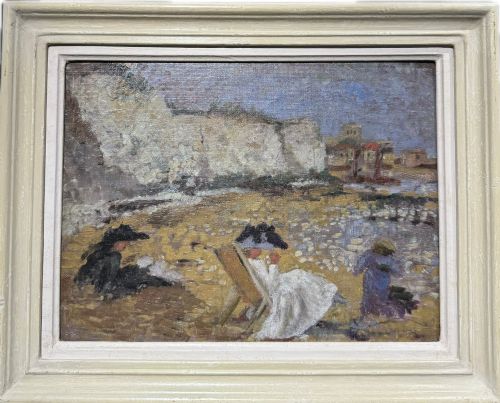
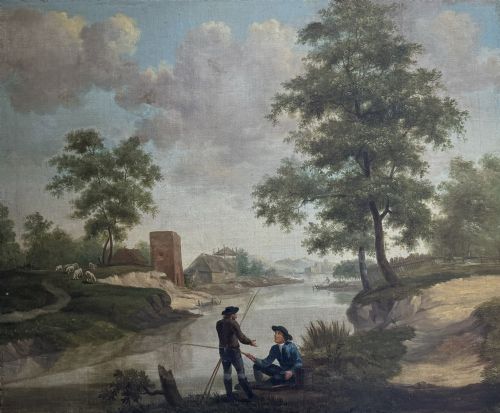
These antique figure landscape canvas works capture human presence within pastoral scenes, coastal views and wooded settings.
Antique Figure Landscape Canvas
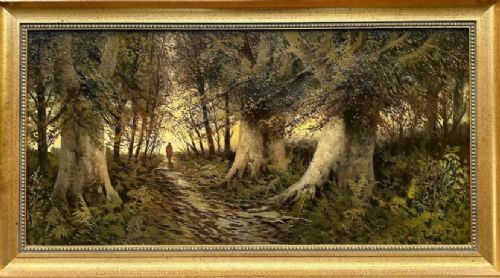
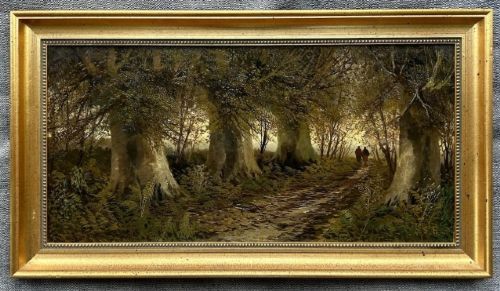
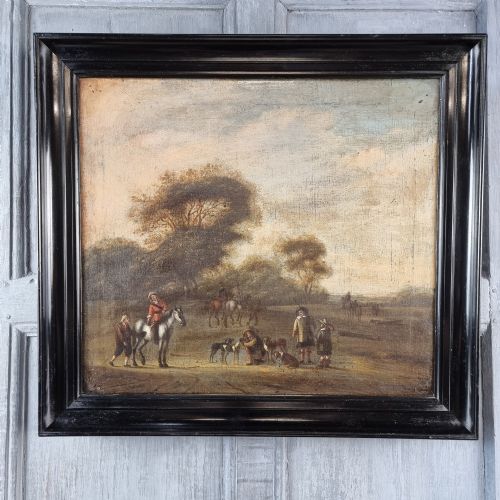
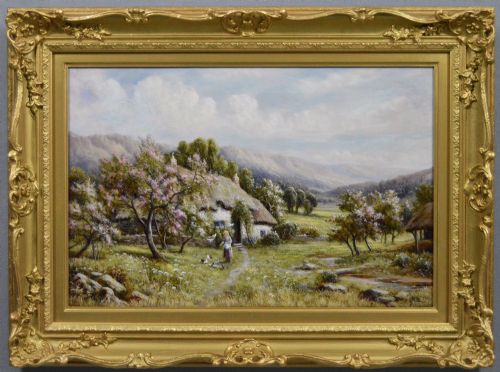
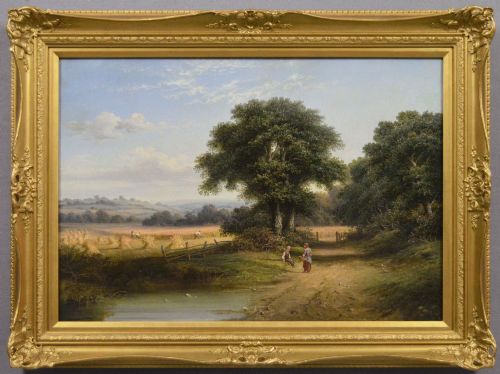
An antique figure landscape canvas combines natural scenery with human subjects, ranging from solitary travellers on country paths to groups near rural cottages. These works capture pastoral life, coastal views, river scenes and woodland settings across several centuries.
The pieces available on this page lean heavily towards nineteenth-century British, French and Dutch traditions, alongside earlier eighteenth-century compositions and works stretching into the early twentieth century. Buyers will encounter oil paintings on canvas depicting everyday rural activities, mythological subjects and atmospheric coastal environments.
Subjects frequently include figures harvesting fields, walking by rivers, tending livestock or resting near rustic dwellings. These canvases serve as historical windows into domestic and agricultural life as well as exercises in classical composition.
How They Were Made
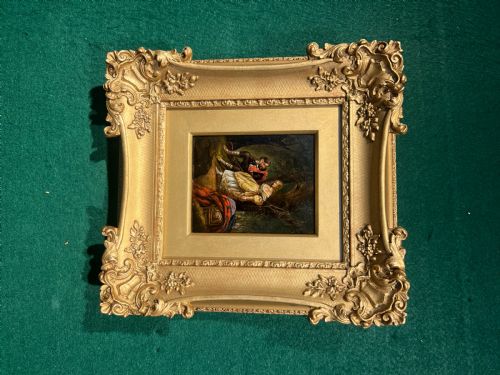
Artists painted primarily with oil paint applied to stretched woven canvas support materials, allowing for rich colour blending and textured brushwork. Many surviving works retain their period frames constructed from wood, embellished with gesso and finished in gold leaf or giltwood.
The application of paint varied from the tight, detailed brushwork of the Dutch Golden Age and Norwich School to the looser, expressive strokes associated with impressionist and pastoral movements. Painters built depth through layered glazes and careful handling of light across water, foliage and human figures.
Dogs, sheep, horses and even attending hounds frequently share the canvas with human figures in these pastoral scenes.
What Varies in Quality
Quality rests upon the artist's command of anatomical proportion in the figures and the harmonious integration of those subjects into the surrounding landscape. Superior works demonstrate confident brushwork, subtle modulation of natural light and balanced compositional depth rather than rigid or formulaic arrangement.
The preservation of the original canvas and the integrity of the paint surface distinguish finer examples from compromised pieces. Surviving original giltwood and gesso frames that complement the period of the painting also elevate the historical completeness of the work.
Thomas W Lascelles·Benjamin Barker of Bath·Frank Moss Bennett·Walter Heath Williams·Henry H Parker
The Antique Figure Landscape Canvas Glossary
- Oil on Canvas
- A painting medium where pigments bound in drying oil are applied to a woven fabric support stretched across a wooden frame. This combination allows for rich colour depth and lasting durability.
- Giltwood
- Wood that has been treated and covered with a thin layer of gold leaf or metallic gilt powder. It is commonly found on antique picture frames.
- Gesso
- A paint mixture consisting of a binder mixed with chalk, gypsum or pigment, used to prepare wood or canvas surfaces. It provides a smooth base for subsequent layers of gilding or oil paint.
- Pastoral Landscape
- A genre of artwork depicting rural scenes, shepherds, cottages and agrarian life in an idealized or picturesque manner. These compositions emphasise tranquility and harmony between humans and nature.
Antique Figure Landscape Canvas: Frequently Asked Questions
What periods do these landscape canvases cover?
The available works span from the late seventeenth century through the eighteenth and nineteenth centuries, extending into the early twentieth century. Most pieces date from the nineteenth century, reflecting various regional schools.
Earlier works from the seventeenth and eighteenth centuries often follow classical or Dutch Golden Age traditions, while later nineteenth-century pieces embrace realist and impressionist sensibilities.
How were these canvas paintings framed originally?
Period works are frequently housed in wooden frames finished with gesso and gold leaf or giltwood. These frames range from simple moulded wooden slips to ornate decorative designs.
Original frames often complement the aesthetic of the painting and provide clues to the era in which the canvas was exhibited or preserved.
What subjects appear alongside the landscape?
Human figures are central to these compositions, appearing as travellers on rural paths, figures fishing by rivers, agricultural workers near cottages and characters in coastal or mythological scenes. Artists integrated people to establish scale and narrative context within the natural scenery.
Subjects also encompass domestic animals, livestock, boats, bridges and architectural elements such as watermills and ruins.
Which regional schools are represented?
The listings feature British, French, Dutch and Italian schools of painting. British examples include works associated with the Norwich School and West Country artists.
Continental pieces range from seventeenth-century Dutch landscapes to nineteenth-century French pastoral and impressionist canvases.